Introduction
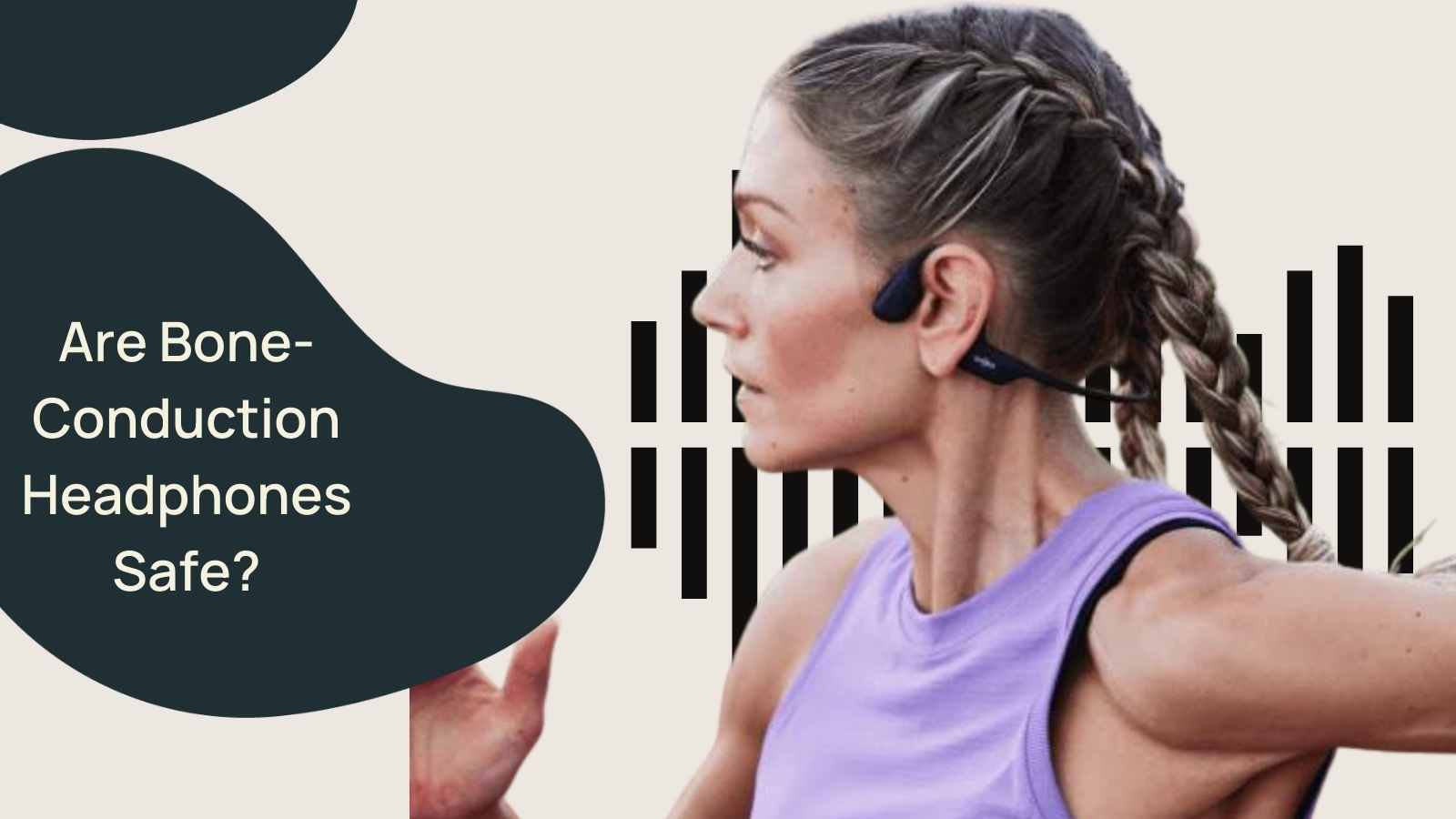
Bone conduction headphones are generally safe for most people when used at a moderate volume and for reasonable periods. They may be safer than sealed earbuds in one way: they leave the ear canals open, which can help you hear traffic, people, and alarms in the United States.
They are not risk-free. Bone conduction headphones still send sound vibrations to the inner ear, where hearing damage can occur. Loud volume, long listening sessions, noisy roads, poor fit, and low awareness of your surroundings can all create problems.
The safest approach is simple: keep the volume low, take breaks, stop if you notice pain or ringing, and do not treat bone conduction headphones as hearing protection.

What Are Bone Conduction Headphones?
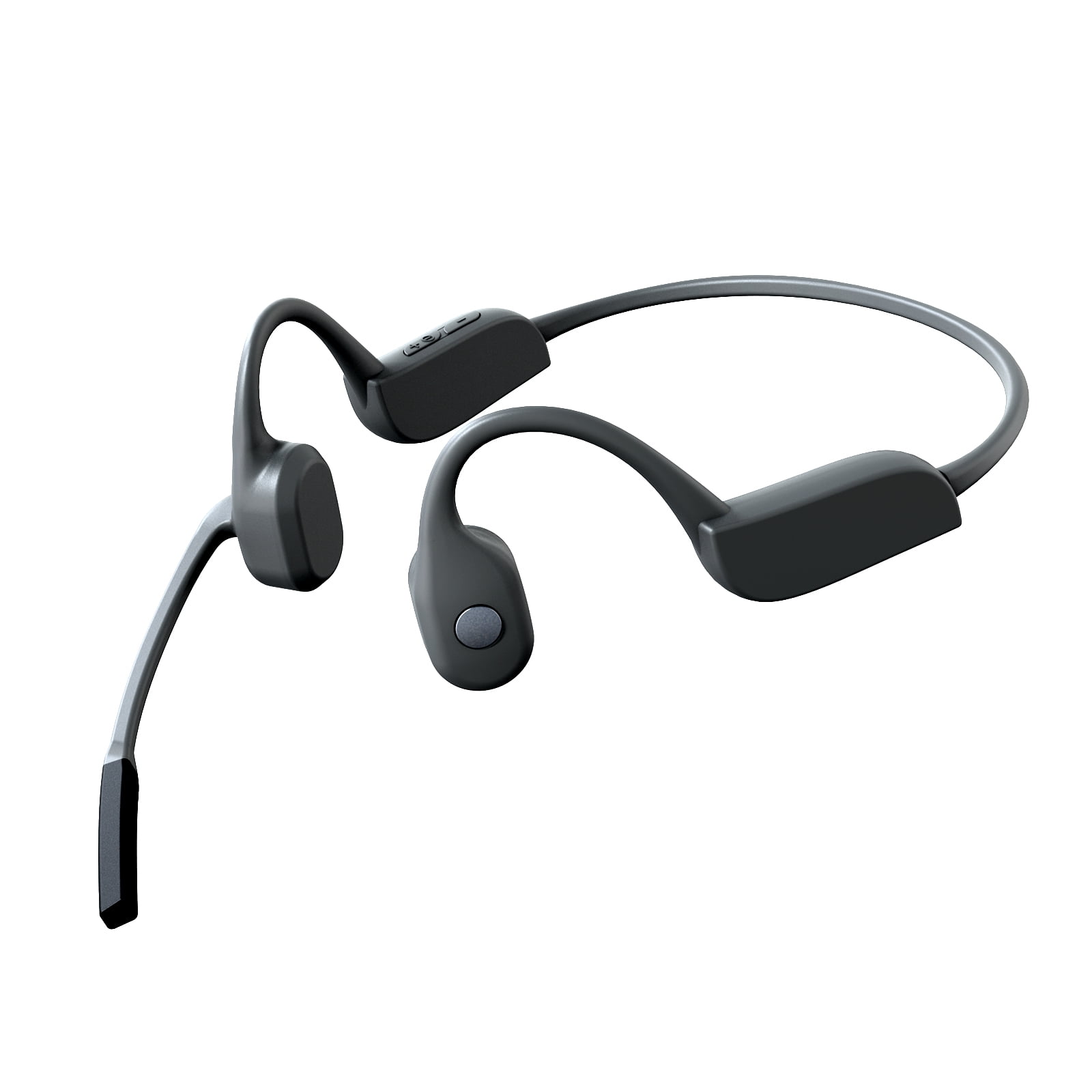
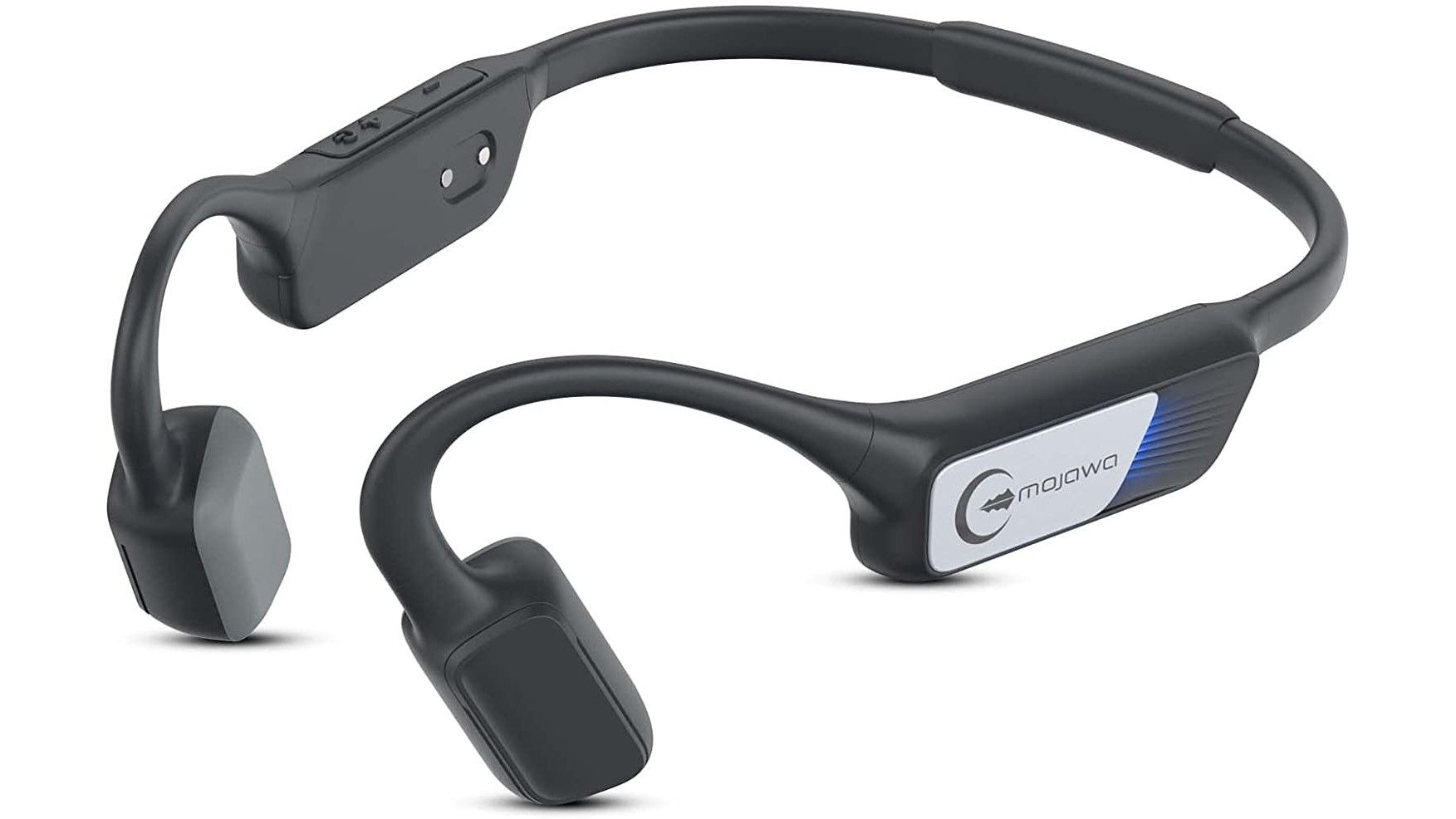
Bone conduction headphones use small transducers that rest near the cheekbones. These parts create vibrations that travel through the bones of the skull to the inner ear.
Traditional headphones send sound through this path:
- Speaker
- Ear canal
- Eardrum
- Middle ear
- Inner ear
Bone conduction headphones largely bypass the ear canal and eardrum:
- Transducer
- Skull bones
- Inner ear
- Auditory nerve
- Brain
The inner ear still does the key work. The cochlea changes vibration into nerve signals that the brain understands as sound.
This means the common claim that bone conduction headphones “cannot damage your hearing” is not established. They may reduce some ear-canal problems, but they do not remove the risk of noise-related hearing loss.
Bone conduction headphones are also different from medical bone-anchored hearing systems. Medical devices are prescribed and fitted for certain types of hearing loss. A consumer headset is an entertainment or communication device, not a hearing aid.
Are Bone Conduction Headphones Safer Than Earbuds?
Bone conduction headphones can be safer for ear-canal comfort and situational awareness, but they are not automatically safer for hearing.
Earbuds seal or partly block the ear canal. This can trap heat and moisture, increase discomfort, and make it harder to hear outside sounds. In contrast, open-ear bone conduction headphones allow air into the ear canal and let more outside sound reach the ear naturally.
That difference can help in some settings:
- Walking on a sidewalk
- Cycling where legal and appropriate
- Working in a place where you need to hear coworkers
- Listening for a doorbell, alarm, or vehicle
- Exercising outdoors
The trade-off is that background noise may make the audio harder to hear. Some people respond by increasing the volume. That can erase the safety advantage.
The National Institute for Occupational Safety and Health (NIOSH) uses 85 decibels averaged over an 8-hour workday as a recommended exposure limit. It also uses a 3-decibel exchange rate: each 3 dB increase cuts the recommended exposure time in half. Consumer listening does not always match workplace measurements, but the principle is useful: louder sound requires less exposure time.
| Listening condition | Possible advantage | Main risk |
|---|---|---|
| Quiet room | Low need for high volume | Long sessions may still add up |
| Busy street | You may hear traffic better | You may turn the volume too high |
| Running or cycling | Open ears can improve awareness | Headphones may still distract you |
| Loud workplace | You can hear speech more easily | The headset is not hearing protection |
| Ear-canal irritation | Less contact inside the ear | Pressure on the skin or bone may hurt |
Bone conduction is therefore best understood as an open-ear design, not a hearing-safe design.
Can Bone Conduction Headphones Cause Hearing Loss?
Yes, they can contribute to hearing damage if they produce loud sound for long enough. The route into the inner ear is different, but the sensitive hair cells inside the cochlea can still be harmed by excessive sound exposure.
Noise-induced hearing loss often develops slowly. You may not feel pain while the damage occurs. Early signs can include:
- Ringing or buzzing after listening
- Dull or muffled hearing
- Trouble understanding speech in a noisy room
- A need to raise the volume more than before
- Sounds that seem unusually sharp or uncomfortable
The National Institute on Deafness and Other Communication Disorders explains that repeated or very loud noise can damage the inner ear. Once noise-induced hearing loss occurs, it is usually permanent.
A bone conduction headset does not expose the eardrum in the same way as an earbud. That does not mean the cochlea is protected. If the vibration reaching the inner ear is too strong, the risk remains.
Actual exposure depends on several factors:
- Headset model and output
- Phone or music-player volume
- Fit and contact with the head
- Distance from other noise sources
- Length of each listening session
- Number of listening sessions per day
- Individual sensitivity and existing hearing conditions
Manufacturers may publish maximum volume or battery data, but those figures do not always show the sound level reaching your inner ear under real-world conditions. Do not assume that a lower-feeling volume is always safe.
Do Bone Conduction Headphones Protect Your Hearing?
No. Standard bone conduction headphones are not hearing protection.
Hearing protection is designed and tested to reduce harmful noise. In the United States, approved hearing protectors often carry a Noise Reduction Rating, or NRR, on the label. A consumer bone conduction headset usually does not have an NRR because it is designed to deliver audio, not block noise.
This distinction matters at:
- Construction sites
- Shooting ranges
- Airports
- Factories
- Concerts
- Motor-racing events
- Near aircraft or heavy machinery
- Any area with high or sudden noise
The Occupational Safety and Health Administration (OSHA) requires employers to address harmful workplace noise under defined conditions. A headset that lets you hear music or calls does not meet that requirement by itself.
Some people use earplugs with open-ear headphones. That may reduce outside noise, but it changes how you hear the audio and your surroundings. Use hearing protection suited to the hazard, and follow workplace rules. If you need both communication and protection, use equipment designed and rated for both functions.
Can You Hear Your Surroundings With Bone Conduction Headphones?
Usually, you can hear more of your surroundings than you would with sealed earbuds. Your ear canals remain open, so outside sound can reach your eardrums while the headset sends audio through bone vibration.
That benefit has limits. Loud music, a busy road, wind, helmet straps, and poor attention can still reduce awareness. Hearing a car does not guarantee that you will identify its direction or distance in time.
Open-ear audio should not replace basic safety habits:
- Keep the volume low enough to hear nearby speech.
- Look both ways before crossing.
- Do not wear headphones when you must rely only on sound.
- Follow local rules for cycling, driving, and workplace equipment.
- Avoid using any headphones while driving unless the law and your situation clearly allow it.
- Use extra caution near intersections, driveways, train tracks, and parking lots.
Situational awareness is not the same as protection. A person walking near traffic may benefit from open ears, but the safest choice may still be no headphones in a complex or high-risk setting.
Are Bone Conduction Headphones Safe for Running and Cycling?
They can be a reasonable choice for outdoor exercise because they do not seal the ear canals. Many runners and cyclists use them to keep some awareness of nearby sounds.
That does not make them safe in every location. A headset can distract you, mask important sounds, or encourage you to listen at a high volume. Wind noise can also tempt you to increase the level.
Use this practical check before exercising:
- Start with the volume at its lowest setting.
- Play speech or music that you can understand without strain.
- Ask someone nearby a question while the audio is playing.
- Confirm that you can hear the person without removing the headset.
- Lower the volume or remove the headset in traffic or crowded areas.
- Stop using it if you notice ringing, pressure, pain, or dizziness.
Cyclists should also check state and local rules. Laws can vary by location and may treat one or both ears differently. A device that is legal to wear may still be unsafe for a particular road, trail, or traffic condition.
How to Use Bone Conduction Headphones More Safely
Safe use depends more on volume and time than on the headphone category alone.
Keep the volume moderate
A simple test is the conversation check: if someone standing close to you must shout for you to hear them, the volume is probably too high for that setting.
Many phones also offer volume warnings, hearing exposure summaries, or maximum-volume controls. These tools can help, but they are not perfect. They may not measure bone-conducted sound in the same way for every model.
Do not use a noisy environment as a reason to keep increasing the volume. Move to a quieter place, pause the audio, or use properly rated hearing protection when the environment requires it.
Take listening breaks
Give your ears quiet periods during the day. A break can reduce temporary fatigue and helps you notice symptoms that may be hidden while audio is playing.
There is no single break schedule that protects every person. A longer session at low volume may create less risk than a short session at a very high volume. Volume and time work together.
Fit the headset correctly
The transducers should sit in the position recommended by the manufacturer, usually near the cheekbones and in front of the ears. A poor fit may make sound weak or uneven, which can lead you to raise the volume.
The band should not create painful pressure. Do not force the headset against your head to make the sound louder. If the device causes skin soreness, numbness, headache, or jaw discomfort, adjust it or stop using it.
Keep the headset clean
Open-ear headphones still collect sweat, skin oil, and dust. Wipe the contact points with the method listed in the manual. Do not soak the device unless its water rating and instructions allow it.
An IP rating describes protection against specific dust or water exposure. It does not prove that a headset is safe for swimming, saltwater, soap, or repeated submersion.
Protect your hearing in loud places
Do not rely on a bone conduction headset at a concert, job site, or shooting range. Use hearing protection made for that environment. If you need to hear instructions, choose a communication system designed for noisy work and follow the employer’s rules.

Are Bone Conduction Headphones Safe for People With Hearing Loss?
The answer depends on the type and cause of the hearing loss.
Because bone conduction devices bypass parts of the outer and middle ear, some people with conductive hearing loss may hear certain sounds more clearly through bone vibration. That does not mean a consumer headset is a suitable treatment.
People with hearing loss should consider an evaluation by an audiologist or ear, nose, and throat physician. A clinician can assess:
- The type of hearing loss
- Whether one or both ears are affected
- Speech understanding
- Ear disease or blockage
- Tinnitus
- Balance symptoms
- Whether a medical bone-conduction device may help
Do not use consumer headphones to delay care for sudden hearing loss. Sudden hearing changes, severe dizziness, drainage, strong ear pain, or one-sided symptoms require prompt medical attention.
People with implanted medical devices should follow the advice of their doctor and device maker. Bluetooth headphones are not automatically unsafe, but individual medical conditions and device instructions matter.
What Are the Other Risks of Bone Conduction Headphones?
Hearing damage is not the only concern. Other risks are often related to comfort, awareness, and device use.
Skin and pressure irritation
The headset may press on the cheekbones, temples, or area behind the ears. Sweat and friction can make irritation worse. Adjust the fit, clean the contact points, and take a break if the skin becomes sore.
Headache or jaw discomfort
A tight band or poor placement may cause pressure around the temples or jaw. Persistent discomfort is a reason to stop using the headset, not a problem to ignore.
Dizziness or unusual sensations
Some users may feel vibration, tingling, or discomfort. Stop if you feel dizzy, unwell, or disoriented. If symptoms continue after removing the headset, seek medical advice.
Reduced awareness despite open ears
Open-ear audio does not guarantee safety. You may hear outside sounds but fail to focus on them. This matters near vehicles, water, machinery, and other hazards.
Charging and battery problems
Use the supplied charger or one that meets the manufacturer’s specifications. Do not use a headset that becomes unusually hot, swells, smells burnt, or shows damage. Stop charging damaged equipment and contact the manufacturer.
How Loud Is Too Loud for Bone Conduction Headphones?
There is no universal volume number that fits every bone conduction headset, phone, listener, and environment.
The same volume setting can produce different exposure levels on different devices. A phone’s percentage display is not a direct decibel reading at the inner ear. Fit also changes the amount of vibration reaching the skull.
Use these signs as practical warnings:
- You cannot hear a nearby person speaking normally.
- You raise your voice to talk over your own audio.
- Your ears ring after listening.
- Sounds seem muffled when you remove the headset.
- You feel ear fatigue or sound sensitivity.
- You keep increasing the volume during the same session.
If any of these occur, stop the audio and give your hearing time in a quiet place. Repeated symptoms deserve a hearing evaluation.
A useful rule is quiet enough to hear speech, short enough to avoid fatigue, and low enough that you do not need to keep turning it up. This is not a medical guarantee, but it is safer than relying on a fixed percentage setting.
Bone Conduction Headphone Safety: A Simple Decision Guide
Use this guide to decide whether bone conduction headphones fit your situation.
| Situation | Reasonable approach |
|---|---|
| Quiet home or office | Use a low volume and take breaks |
| Outdoor walk on a calm path | Keep the volume low and stay alert |
| Busy road or intersection | Remove the headset or pause audio |
| Loud workplace | Use required hearing protection; do not rely on the headset |
| Concert or shooting range | Use rated hearing protection |
| Existing hearing loss | Ask an audiologist before relying on the device |
| Ear pain, ringing, or muffled hearing | Stop use and monitor symptoms |
| Sudden hearing loss or severe dizziness | Seek prompt medical care |
| Swimming or heavy water exposure | Follow the exact water rating and manual |
| Driving | Follow state law and avoid distraction |
The best choice changes with the environment. A headset that is suitable for a quiet office may be a poor choice near traffic or machinery.
Common Mistakes to Avoid
Assuming open ears mean protected ears
Open ears can improve awareness, but they do not protect the cochlea from loud sound. Keep the volume moderate.
Turning the volume up in traffic
If wind or traffic masks the audio, increasing the volume may increase hearing risk. Lower the volume, stop listening, or move away from the noise.
Wearing the headset all day without breaks
Long exposure can add up even when each session seems comfortable. Build quiet time into your day.
Using consumer headphones as safety equipment
A music headset is not a substitute for hearing protection, a workplace communication system, or a medical hearing device.
Ignoring ringing or muffled hearing
These symptoms can signal overexposure. Stop listening. If they recur or persist, arrange a hearing assessment.
Choosing a device without checking its controls
Before buying, check whether the model offers a volume limit, clear controls, a comfortable fit, and instructions for cleaning and water exposure. These features support safer use, but none removes the need for good listening habits.

Frequently Asked Questions
Are bone conduction headphones safer for tinnitus?
Not necessarily. Some people may find them comfortable, while others may find any audio worsens tinnitus. Loud sound can also aggravate symptoms. Use a low volume and stop if ringing becomes stronger. A hearing professional can help if tinnitus is persistent, one-sided, or paired with hearing loss or dizziness.
Can children use bone conduction headphones?
Children can be exposed to harmful sound through bone conduction headphones, just as they can through other headphones. Use parental volume controls when available, keep sessions short, and supervise use. Do not assume that open-ear design makes high volume safe.
Can bone conduction headphones cause ear infections?
They do not sit inside the ear canal, so they may avoid some problems linked to trapped moisture and pressure from in-ear devices. However, sweat, dirt, skin irritation, and poor cleaning can still cause discomfort or skin problems. Clean the contact areas and stop if irritation develops.
Can you sleep in bone conduction headphones?
It is generally better not to sleep while wearing them. The band and transducers may cause pressure, skin irritation, discomfort, or damage if you move onto them. Sleep can also hide warning signs such as pain or excessive volume.
Should you wear earplugs with bone conduction headphones?
Earplugs may reduce outside noise, but they do not turn the headset into approved hearing protection. Use earplugs or earmuffs rated for the hazard, and follow workplace or event guidance. If you need clear speech and hearing protection, choose equipment designed for that purpose.
Conclusion
Bone conduction headphones are usually safe when used responsibly, but they are not risk-free. Their main advantage is that they leave the ear canals open, which may improve comfort and awareness compared with sealed earbuds.
They can still expose the inner ear to loud sound. Keep the volume moderate, take breaks, avoid using them as hearing protection, and remove them in situations where full attention is needed. Stop using them if you notice ringing, muffled hearing, pain, or dizziness.
For existing hearing loss, tinnitus, implanted devices, or sudden hearing changes, ask an audiologist or physician for advice rather than relying on general headphone guidance.

Everett Ashford is a tech reviewer at mytechgrid.com specializing in SSDs, cameras, TVs, earbuds, headphones, and other consumer electronics. He provides honest, data-driven reviews based on hands-on testing and real-world performance analysis. Everett simplifies complex tech details to help readers make smart, confident buying decisions.