For listeners in the United States, the highest-quality headphones are usually wired, open-back reference headphones. They tend to offer the most natural sound, low distortion, wide stereo space, and fine detail. Models such as the Sennheiser HD 800 S, Audeze LCD-X, Focal Utopia, and HiFiMAN Susvara represent different ways to reach that goal.
There is no single best pair for every listener. “Highest quality” can mean the most accurate sound, the best build, the most comfort, the strongest noise blocking, or the finest wireless features. A $1,000 studio headphone may sound more realistic than a $400 wireless model, while a wireless noise-canceling pair may work better on a flight.
The best choice depends on your source, music, room, comfort needs, and budget.

Quick answer: Which headphones have the highest sound quality?
For the highest possible sound quality, choose a wired, open-back headphone with a dedicated amplifier or a high-quality headphone output.
These are strong examples by use:
| Need | Headphone type to consider | Example models |
|---|---|---|
| Natural, spacious sound | Open-back dynamic | Sennheiser HD 800 S |
| Detailed studio sound | Open-back planar magnetic | Audeze LCD-X |
| Premium musical sound | Open-back dynamic | Focal Utopia |
| Extreme resolution | High-end planar magnetic | HiFiMAN Susvara |
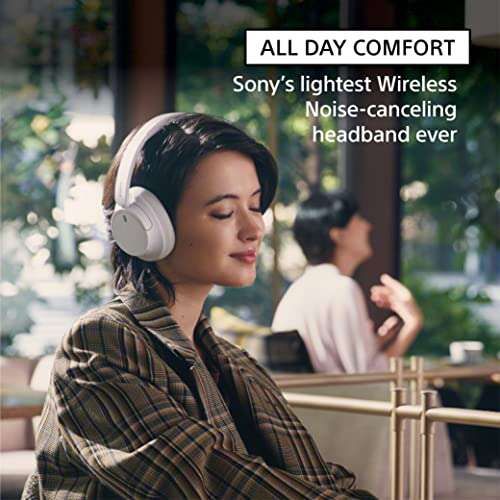
| Best active noise canceling | Wireless ANC | Sony WH-1000XM5, Bose QuietComfort Ultra |
| Best for travel | Wireless closed-back ANC | Bose QuietComfort Ultra |
| Best for professional tracking | Closed-back studio | Beyerdynamic DT 770 Pro, Sony MDR-7506 |
| Best for gaming detail | Wired open-back | Sennheiser HD 560 S, Beyerdynamic DT 900 Pro X |
These examples are not a universal ranking. They show the main trade-offs between sound quality, isolation, price, comfort, and use.
For pure listening at home, the Sennheiser HD 800 S, Audeze LCD-X, Focal Utopia, and HiFiMAN Susvara are among the most respected high-end choices. For a more practical budget, the Sennheiser HD 600 and HD 560 S offer excellent sound without the cost of flagship equipment.
What does “highest quality headphones” mean?
The phrase usually refers to five separate qualities:
- Sound accuracy — How closely the headphone reproduces the recording.
- Resolution — How clearly it reveals small sounds and changes.
- Build quality — How well it may withstand regular use.
- Comfort — How easily you can wear it for long sessions.
- Features — Functions such as Bluetooth, noise canceling, microphones, and app control.
These qualities can conflict. Open-back headphones often provide a more open sound but leak audio and let outside noise in. Closed-back headphones isolate better but may sound less spacious. Wireless headphones are convenient but add batteries, digital processing, and wireless compression or transmission limits.
A costly headphone is not automatically more accurate. Some expensive models intentionally add bass, soften treble, or use a bold sound for a more enjoyable presentation. That can be a good design choice, but it is not the same as neutral reproduction.
Sound quality terms explained
Frequency response describes how much bass, midrange, and treble a headphone produces. A balanced response usually makes voices and instruments easier to judge.
Distortion is unwanted sound added by the headphone. Low distortion can help preserve detail, especially at higher volume.
Soundstage describes the perceived space around the music. It is not a direct measurement of physical distance, and a wide soundstage does not always mean better accuracy.
Imaging describes how clearly a headphone places sounds from left to right and within the stereo field.
Sensitivity shows how loudly a headphone can play from a given amount of power. Impedance, measured in ohms, affects how much voltage or current a headphone may need.

Wired or wireless: Which gives higher sound quality?
Wired headphones generally provide the highest technical sound quality, especially when paired with a capable source. They do not need a battery, and they can receive an analog or digital signal without the limits of a Bluetooth connection.
Wireless headphones still offer very good sound. Modern Bluetooth codecs and digital signal processing can produce clean, detailed audio. However, wireless models must balance sound quality with battery life, radio stability, microphone use, app functions, and active noise canceling.
Choose wired headphones when:
- You listen mainly at home.
- You want the least signal processing.
- You use a good computer, digital-to-analog converter, amplifier, or audio interface.
- You want a model that can remain useful after a battery wears out.
- You do not need noise canceling or wireless control.
Choose wireless headphones when:
- You commute or travel.
- You need freedom from a cable.
- You want active noise canceling.
- You use a phone without a headphone jack.
- You value convenience more than the last level of technical performance.
A wired connection alone does not guarantee better sound. A poorly tuned wired headphone can sound worse than a well-tuned wireless model. The driver design and tuning matter more than the cable by itself.
Open-back or closed-back: Which is higher quality?
Open-back headphones are usually the better choice for home listening and soundstage. Closed-back headphones are better for isolation, travel, recording, and shared spaces.
Open-back headphones have vents that allow air and sound to pass through the ear cup. This can create a more natural and spacious presentation. The design also helps you hear your surroundings.
Open-back headphones are not suitable for every setting. They leak music, so people nearby may hear it. They also provide little protection from outside noise. Do not use them near traffic, machinery, or other hazards where hearing your surroundings is important.
Closed-back headphones seal the rear of the driver. This reduces sound leakage and can improve bass impact. They are useful for recording because the music is less likely to reach a microphone.
Closed-back designs can become warm during long sessions. Their enclosed sound may also feel less open, though a well-designed closed-back headphone can still sound accurate and detailed.
Best design by situation
| Situation | Better design | Reason |
|---|---|---|
| Quiet room at home | Open-back | Spacious sound and natural presentation |
| Recording vocals | Closed-back | Reduces sound leaking into the microphone |
| Office or library | Closed-back or wireless ANC | Limits sound leakage |
| Airplane or train | Wireless closed-back ANC | Reduces steady outside noise |
| Competitive gaming | Open-back or closed-back, depending on room | Imaging matters more than the label |
| Outdoor exercise | Neither high-end open-back nor bulky studio models | Safer, lighter options are often better |
The highest-quality headphone technologies
Dynamic-driver headphones
Dynamic drivers use a moving diaphragm driven by a voice coil and magnet. They are common, efficient, and available in many price ranges.
Well-designed dynamic headphones can deliver smooth sound, strong imaging, and natural vocals. The Sennheiser HD 600 family is a well-known example of a dynamic-driver design used for critical listening.
Planar-magnetic headphones
Planar-magnetic headphones use a thin diaphragm with conductive traces placed in a magnetic field. They often provide low distortion, strong bass control, and a clean sense of detail.
Planar models can be heavy and may need more power than basic earbuds or laptops provide. Some high-end planar headphones are also costly and less comfortable for small heads.
A planar driver is not automatically better than a dynamic driver. Tuning, comfort, amplification, and the recording still affect the result.
Electrostatic headphones
Electrostatic headphones use a very light diaphragm between charged plates. They are known for speed, low moving mass, and fine detail.
They usually require a dedicated energizer rather than a standard headphone amplifier. This makes them less flexible and more expensive. Electrostatic systems can produce remarkable sound, but they are not the most practical option for most buyers.
Bone-conduction headphones
Bone-conduction headphones send vibration through the bones near the ear instead of sealing the ear canal. They are useful for awareness and certain outdoor activities, but they do not normally match high-end over-ear headphones for full-range music quality.
They are a different tool, not a direct competitor to reference headphones.

Best highest-quality headphones by listener type
Best for neutral sound: Sennheiser HD 600
The Sennheiser HD 600 is known for a clear, midrange-focused presentation. It is often used for critical listening because voices and instruments are easy to assess.
Its open-back design leaks sound and offers no isolation. It also does not provide strong sub-bass impact compared with some modern designs. Still, it remains a sensible reference choice for listeners who value natural vocals and accurate balance.
Best for a wide soundstage: Sennheiser HD 800 S
The HD 800 S is designed for an expansive presentation and precise imaging. It can make orchestral music, live recordings, and games feel large and well separated.
Its treble and spacious sound may not suit listeners who prefer a warm or bass-heavy tone. It is also best in a quiet room because the open-back cups provide no meaningful isolation.
Best for studio detail: Audeze LCD-X
The Audeze LCD-X uses planar-magnetic drivers and is marketed for professional and critical listening. It can provide strong detail, controlled bass, and a direct presentation.
Its weight is a key trade-off. Fit and comfort vary by person, so buyers should check the return policy before committing to long listening sessions.
Best premium dynamic option: Focal Utopia
The Focal Utopia is a high-end open-back dynamic headphone. It is built for listeners who want premium materials, strong detail, and an engaging presentation.
It is expensive and does not include the travel features found in wireless headphones. It makes the most sense for a dedicated home system, not as an everyday commuter headphone.
Best extreme-resolution option: HiFiMAN Susvara
The HiFiMAN Susvara is a demanding planar-magnetic headphone aimed at high-end systems. It may reveal very small changes in recordings when paired with suitable equipment.
It requires careful system matching and carries a high cost. It is not a sensible choice if you use only a phone, basic laptop, or low-power adapter.
Best wireless option: Sony WH-1000XM5 or Bose QuietComfort Ultra
Sony and Bose offer wireless headphones with active noise canceling, app controls, microphones, and travel-focused features. They are among the most practical choices for airplanes, public transit, and offices.
They are not the highest-quality option for pure home listening. Their main advantage is the combination of sound, isolation, comfort, and convenience.
Because firmware, app support, codec options, and prices can change, check the manufacturer’s current specifications before buying.
How to choose the highest-quality headphones for your system
Use this process before you compare models.
1. Define your main use
Write down where and how you will listen:
- Quiet home listening
- Mixing or recording
- Gaming
- Work or study
- Air travel
- Outdoor use
- Phone calls
The right choice changes quickly. A delicate open-back headphone may be excellent at home but poor on a plane.
2. Decide whether you need isolation
If people around you can hear your music, choose closed-back headphones. If outside noise is strong, consider active noise canceling.
If you listen in a quiet room and want the most open presentation, consider open-back headphones.
3. Check the source and power needs
Most portable headphones work from a phone, laptop, or USB adapter. Some high-impedance or low-sensitivity models may play too quietly or lose dynamic impact from a weak output.
Do not assume that a headphone amplifier will improve every model. A good amplifier should provide enough clean power without audible noise. It should also match the connector and input used by your source.
4. Set a realistic budget
A useful budget should include more than the headphone. You may also need:
- A replacement cable
- A case
- A USB DAC or headphone amplifier
- New ear pads
- A balanced cable, if your equipment supports it
- Shipping and return costs
A larger budget can improve materials and technical performance, but comfort and tuning often matter more than price after the midrange.
5. Check fit before judging sound
A headphone can measure well and still feel wrong on your head. Look for:
- Ear cups large enough to surround your ears
- Moderate clamp force
- A stable headband
- Breathable pads
- Weight that you can tolerate
- Controls that are easy to use
Buy from a seller with a clear return policy when possible. Comfort is personal, and product specifications cannot fully predict it.
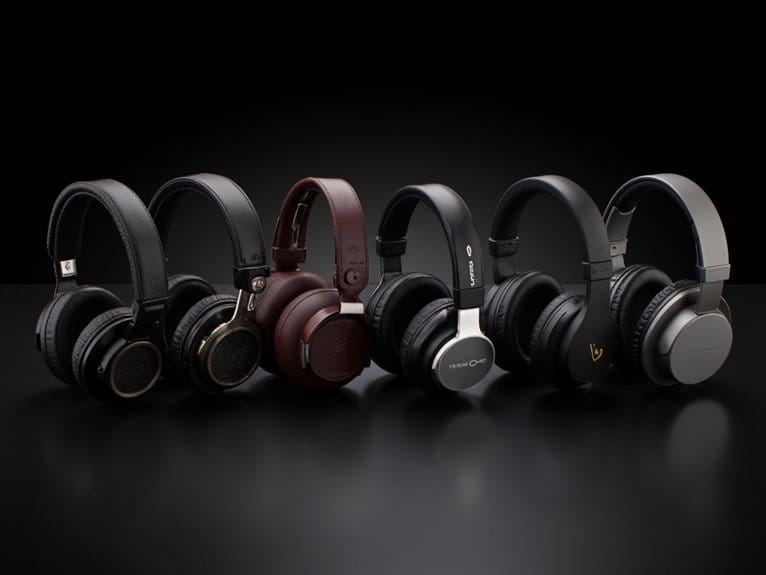
Do you need a headphone amplifier?
You need an amplifier only when your source cannot drive the headphones to a suitable volume with clean sound.
A headphone amplifier can help with demanding models, but it does not automatically make every headphone more detailed. First, check whether your current source reaches a comfortable listening level without distortion or excessive noise.
A simple test is practical:
- Connect the headphones to your source.
- Play familiar music.
- Set the volume to a safe, comfortable level.
- Check whether the sound is loud enough.
- Listen for hiss, crackle, channel imbalance, or obvious distortion.
If the headphone is loud and clean, a new amplifier may provide little audible benefit. If it is too quiet or sounds strained, a stronger source may help.
What about a DAC?
A digital-to-analog converter, or DAC, turns digital audio into an analog signal. Phones, computers, tablets, USB adapters, and headphone amplifiers may all contain DACs.
A better DAC can solve specific problems such as electrical noise or poor output quality. It does not guarantee a large sound improvement. The headphone’s tuning, fit, recording, and volume level usually have a greater effect.
What is balanced audio?
Balanced headphone connections use separate signal paths and a different connector design. They may provide more power with compatible equipment, but they do not automatically improve sound quality.
Never connect a balanced headphone output to an incompatible device. Follow the manufacturer’s instructions for cables and connections.

How to judge headphone sound quality correctly
Use familiar recordings that contain voices, bass, cymbals, and quiet details. Avoid judging only by how impressive a new headphone sounds during the first few minutes.
Listen for:
- Vocals: Do they sound clear without becoming sharp?
- Bass: Is it deep and controlled rather than loose or bloated?
- Treble: Can you hear detail without pain or excessive brightness?
- Separation: Can you follow different instruments at the same time?
- Imaging: Do sounds stay in stable positions?
- Dynamics: Does the music shift naturally from quiet to loud?
- Fatigue: Can you listen for an hour without discomfort?
Keep the volume similar when comparing headphones. A slightly louder model often sounds more exciting, even when it is not more accurate.
Do not judge quality from frequency response alone. Measurements are useful, but they do not capture every part of fit, comfort, durability, or personal preference. Use measurements as evidence, not as a substitute for the entire decision.
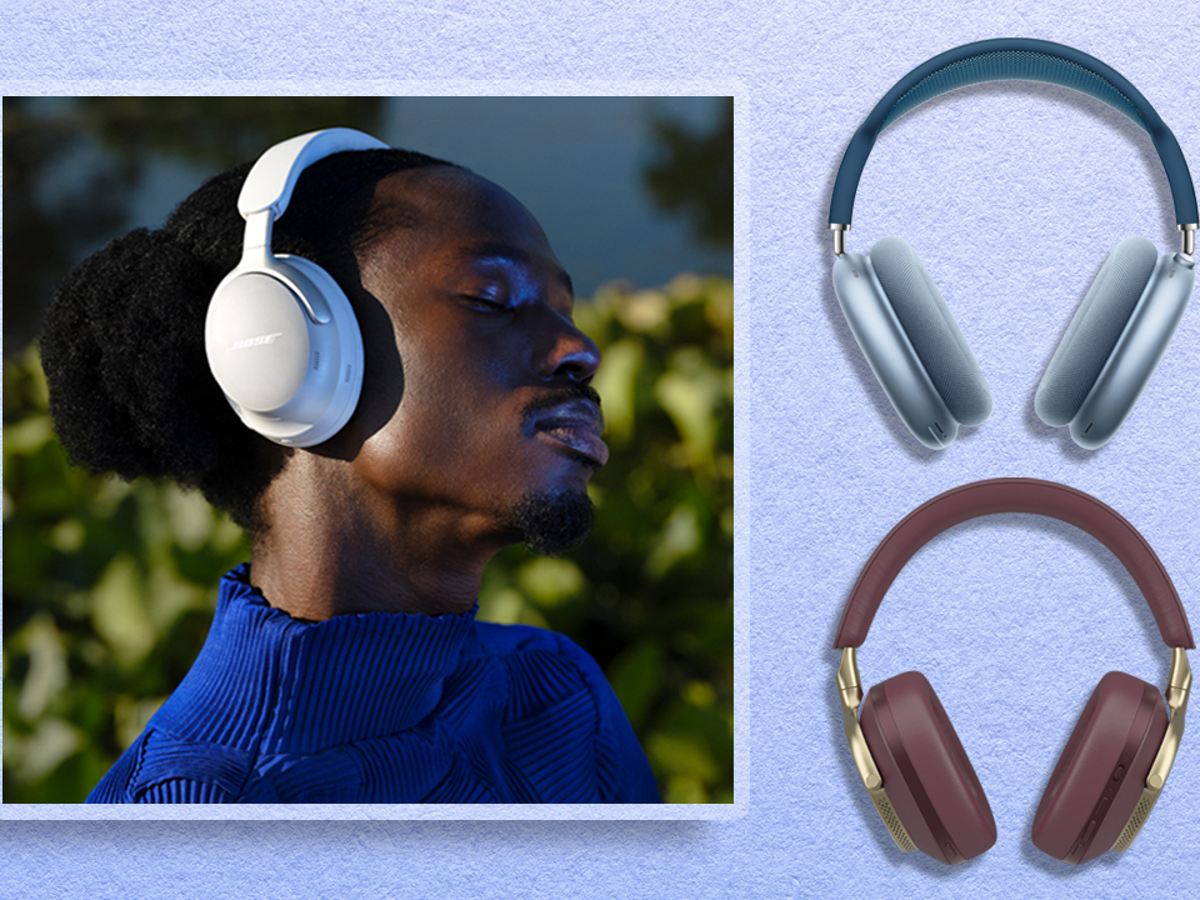
Common mistakes when buying high-end headphones
Choosing the most expensive model
Price can reflect materials, manufacturing, research, and low production volume. It does not prove that a headphone will suit your music or ears.
Ignoring comfort
Heavy headphones can become tiring. Strong clamp force can create pressure near the jaw or temples. Small ear cups can cause pain even when the sound is excellent.
Buying open-back headphones for travel
Open-back models do not block airplane or train noise well. They also leak sound into the space around you.
Assuming more detail is always better
Some headphones emphasize treble. This can reveal small sounds but may also make cymbals, “s” sounds, or poor recordings harsh.
Using unsafe volume
High-quality headphones can sound clear at loud levels. That clarity can hide the risk of hearing damage.
The CDC advises reducing exposure to loud sounds and using hearing protection in noisy settings. Lower the volume, take breaks, and move away from loud sources when possible. If you notice ringing, muffled hearing, pain, or sudden hearing changes, stop exposure and seek medical advice. Sudden hearing loss needs prompt medical attention.
Buying without a return option
Head shape, glasses, hair, and ear size all affect fit. A return policy protects you from a poor physical match.

Are expensive headphones worth it?
They can be worth the cost when you listen often, have a suitable source, and care about a specific improvement such as imaging, low distortion, comfort, or build quality.
They may not be worth it when:
- You listen in loud places.
- You need strong wireless features.
- Your source is poor or inconvenient.
- You cannot tell a difference in a fair, volume-matched comparison.
- The fit causes discomfort.
- You mainly use low-quality recordings or streaming at low volume.
For many people, a good midrange headphone offers the best value. Spending four times as much rarely gives four times the sound quality.
Highest-quality headphones versus earbuds
Over-ear headphones usually have more room for larger drivers, thicker pads, and a broader sense of space. They may also provide better comfort for long home sessions.
High-end earbuds are easier to carry and can provide excellent detail. In-ear monitors can also block outside noise well when they seal correctly.
Choose over-ear headphones for long, relaxed listening. Choose earbuds or in-ear monitors for portability, exercise, and isolation. Neither format is automatically higher quality in every situation.
Frequently asked questions
What is the No. 1 highest-quality headphone?
There is no objective No. 1 model for every listener. For pure home listening, high-end models such as the Sennheiser HD 800 S, Focal Utopia, Audeze LCD-X, and HiFiMAN Susvara are leading examples of different design goals. The best one depends on comfort, sound preference, equipment, and budget.
Are wired headphones better than Bluetooth headphones?
Wired headphones usually offer higher technical limits and do not require a battery. Bluetooth headphones are more convenient and often include active noise canceling. For travel and work, wireless may be the better overall choice even if wired headphones offer better home sound.
Are open-back headphones better?
Open-back headphones are often better for spacious home listening. They are not better for airplanes, offices, recording, or noisy streets because they leak sound and provide little isolation.
Do high-end headphones need a DAC and amplifier?
Not always. Add a DAC or amplifier when your current source is too quiet, noisy, or incompatible. If your headphones already play cleanly at a safe level, extra equipment may not create a meaningful improvement.
How long should high-quality headphones last?
A well-made headphone can last for many years when stored safely and maintained. Replaceable ear pads and cables can extend its useful life. Wireless models have an added battery-aging limit, so check whether the battery can be serviced or replaced.
What is the safest volume for headphones?
Use the lowest volume that lets you hear clearly. Take regular breaks and limit time around loud sound. If you hear ringing or muffled sound after listening, the volume or exposure time was too high.
Final recommendation
For the best overall sound quality at home, start with a wired open-back headphone. The Sennheiser HD 600 or HD 560 S is a sensible value choice. The Sennheiser HD 800 S suits listeners who want a wide, precise presentation. The Audeze LCD-X and Focal Utopia offer premium alternatives with different driver designs and sound profiles.
For travel, work, or commuting, choose a closed-back wireless headphone with active noise canceling. Its practical benefits may matter more than the small technical advantage of a wired home model.
The highest-quality headphones are not simply the most expensive. They are the ones that match your use, fit your head, work with your source, and let you enjoy music without fatigue.

Everett Ashford is a tech reviewer at mytechgrid.com specializing in SSDs, cameras, TVs, earbuds, headphones, and other consumer electronics. He provides honest, data-driven reviews based on hands-on testing and real-world performance analysis. Everett simplifies complex tech details to help readers make smart, confident buying decisions.