Have you ever chatted with C AI and noticed it quickly forgets what you just told it? If you’ve felt frustrated by characters losing track of your conversations or forgetting important details, you’re not alone.
You might wonder, why does C AI have such bad memory? Understanding this can help you get more from your interactions and avoid common pitfalls. You’ll discover the reasons behind C AI’s memory struggles and what this means for your experience.
Keep reading to uncover the surprising truth about why your AI companion often seems to have a short memory span.
Credit: techpoint.africa
Memory Challenges In C.ai
Memory challenges in C.AI limit how well the AI can recall past conversations. This affects chat quality and user satisfaction. Understanding these challenges helps explain why C.AI sometimes seems to forget important details.
Memory in AI is very different from human memory. AI systems like C.AI have strict limits that affect their ability to store and use information effectively.
Built-in Memory Limitations
C.AI uses a fixed memory size for each conversation. This means it can only remember a small amount of past information. Once the limit is reached, older details are dropped. The AI cannot truly “learn” or “remember” across sessions. These design choices keep the system fast but limit long-term memory.
Effects On User Experience
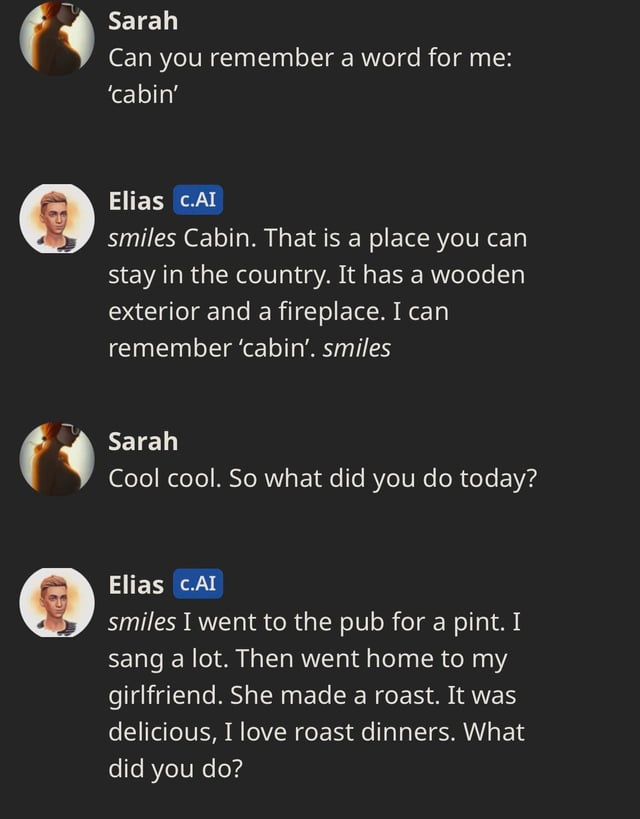
Users often notice C.AI forgetting details from earlier in the chat. Characters may lose track of their personality or story. This can make conversations feel shallow or inconsistent. The lack of memory hurts immersion and reduces trust in the AI’s responses.
Comparison With Human Memory
Human memory is complex and flexible. People remember facts, emotions, and context over time. They connect old and new information naturally. C.AI, by contrast, has no true understanding or personal memory. It processes text but cannot form lasting memories or insights.
Technical Reasons Behind Poor Memory
Understanding the technical reasons behind poor memory in AI helps explain its limits. AI memory is different from human memory. It struggles to remember past conversations clearly. Several core technical issues cause this problem. These include how AI stores, processes, and recalls information.
Lack Of Memory Consolidation
AI systems do not consolidate memories like humans do. Human brains strengthen memories by connecting new and old information. AI lacks this iterative process. As a result, AI cannot build deep, lasting memories. Each interaction often stands alone, without linking to past data.
Data Processing Constraints
AI models have limits on how much data they can process at once. They use fixed-size memory called context windows. Once this window is full, older information gets dropped. This limits AI’s ability to recall long conversations. Processing too much data slows down the system and reduces efficiency.
Limitations In Current Ai Architecture
Most AI architectures focus on pattern recognition, not memory retention. They excel at understanding language but struggle with long-term context. Current designs prioritize speed and accuracy over memory storage. This creates a gap between AI’s knowledge and its recall ability. Improving memory requires rethinking AI’s core structures.
Impact On Character Consistency
The impact of poor memory on character consistency in C AI is significant. It affects how characters behave and interact across conversations. Consistent characters create a stronger connection with users. When memory fails, this connection weakens, making experiences less engaging.
Memory limitations lead to characters acting unpredictably or forgetting key details. This can cause confusion and reduce user trust. Understanding these issues helps explain why character consistency suffers in C AI.
Forgetting Personalities And Plots
C AI often loses track of a character’s personality traits. It may forget past actions or storylines quickly. This causes characters to behave differently than expected. Users notice when a character forgets their own history or changes personality suddenly. Such lapses break immersion and make the experience less enjoyable.
Repetitive And Inconsistent Responses
Characters sometimes repeat the same lines or ideas. This happens because the AI cannot remember what was already said. Inconsistencies appear when characters contradict themselves. These flaws make conversations feel artificial and dull. Consistent memory would reduce repetition and improve response quality.
Challenges In Long Conversations
Long chats expose memory problems more clearly. Characters lose track of earlier points or forget ongoing story arcs. This makes it hard to maintain a smooth, logical conversation. Users must remind the AI of past details repeatedly. This interrupts flow and lowers user satisfaction.
User Reactions And Community Feedback
Users of C AI have shared many thoughts about its poor memory. Their reactions show how this issue affects their experience. Feedback from the community gives insight into the challenges and creative solutions users find. Exploring these responses helps understand the impact on the platform and its users.
Frustrations And Complaints
Many users report that C AI forgets past conversations quickly. They say the AI often loses track of important details. This leads to repeated explanations and broken storylines. Some feel the AI lacks personality because it cannot remember. Complaints highlight the gap between user expectations and the AI’s abilities.
Workarounds And Memory Hacks
Users try different tricks to help the AI remember better. Some write detailed example messages to guide conversations. Others use pinned memories or notes to remind the AI. These methods improve continuity but require extra effort. The community shares tips to make chats smoother despite memory limits.
Effect On Platform Popularity
Memory problems affect how users view C AI overall. Some lose interest and stop using the platform. New users may hesitate to join due to these issues. Still, loyal fans stay and adapt their use. The platform’s popularity depends on how well it addresses memory challenges.
Recent Improvements And Memory Features
Character AI’s memory has improved with new features and updates. These changes help the AI remember important details better. Users now get a more natural and consistent experience. The improvements focus on saving key information during chats. This helps the AI keep track of personalities, stories, and user preferences.
Some of these features are free, while others come with paid plans. The goal is to balance memory strength and privacy. AI memory still has limits but is steadily getting better. Let’s explore some of the key recent memory features.
Pinned And Auto-memories
Pinned memories let users save important facts for the AI. These facts stay in the AI’s memory during future chats. Auto-memories gather details automatically as the conversation goes. The AI decides which information is useful to remember. Together, pinned and auto-memories create a smoother chat flow. They help avoid repeating information or losing track of stories.
Paid Memory Enhancements
Paid plans offer stronger memory features for users who want more. These include longer memory retention and better context understanding. Subscribers can save more details and recall them anytime. Paid features also reduce memory errors in complex chats. This allows characters to stay true to their personalities. Paid memory helps create deeper, more immersive conversations.
Future Memory Upgrades
Developers plan to improve AI memory further in upcoming updates. Future upgrades aim to increase memory capacity and accuracy. The AI will better understand context and user intent. More natural memory consolidation methods will be introduced. These upgrades will make conversations feel more human-like. Users can expect fewer memory lapses and better continuity.

Credit: www.reddit.com
Safety And Content Risks
Safety and content risks play a major role in why C AI has bad memory. The developers must keep users safe from harmful or offensive content. This need limits how much the AI can remember during chats. The balance between memory and safety is tricky. If the AI remembers too much, it might share sensitive or unsafe information. This section explains key challenges linked to safety and content risks.
Misinterpretation Issues
C AI can misunderstand user inputs easily. It may take phrases the wrong way. This causes it to respond incorrectly or oddly. Misinterpretations raise safety concerns. The AI might say something harmful without meaning to. To avoid this, the system limits memory of past messages. This helps reduce risks but weakens conversation flow.
Nsfw Content Challenges
Users sometimes create characters that share explicit or unsafe content. C AI tries to block Not Safe For Work (NSFW) material. The filters are not perfect and can miss some content. To keep conversations safe, the AI forgets parts of chats that could lead to NSFW topics. This memory limit helps prevent offensive content but affects user experience.
Memory And Safety Balance
Keeping a good memory in AI means storing information carefully. Too much memory can expose private or harmful details. Too little memory breaks natural conversation. C AI chooses safety over memory depth. It forgets details that might cause risks. This balance protects users but makes the AI seem like it has bad memory. Safety rules shape how C AI remembers and interacts.
Prospects For Better Ai Memory
AI memory remains a challenge in many systems today. Despite progress, AI often forgets past conversations quickly. Improving AI memory promises more natural and useful interactions. Researchers and developers are exploring new ways to enhance memory capabilities. These efforts aim to make AI recall information more accurately over time.
Ongoing Research And Development
Scientists focus on improving AI memory models constantly. They create algorithms that better store and retrieve data. Advances in neural networks help AI understand context deeper. Research targets reducing memory loss during long conversations. New techniques try to mimic human memory processes closely.
Potential For Learning From Interactions
AI can learn from user inputs to improve memory. Each interaction provides valuable information for future responses. Systems use feedback loops to refine knowledge over time. This approach helps AI remember key facts and preferences. Learning from interactions makes AI more personalized and responsive.
Long-term Memory Solutions
Long-term memory is crucial for continuous AI conversations. Developers work on storing important details persistently. Some methods include memory databases linked to AI systems. Others involve embedding memories directly into AI models. These solutions aim to maintain context across sessions and time.

Credit: www.reddit.com
Frequently Asked Questions
Does C.ai Have Memory?
C. AI has limited memory that improves with features like pinned and auto-memories. It remembers key details during conversations but may forget over time.
Why Is Character Ai So Bad At Remembering?
Character AI struggles with memory because it lacks true memory consolidation. It only recalls limited details during chats, causing frequent forgetting. This design limits long-term context retention, leading to inconsistent responses and broken storylines. Continuous improvements aim to enhance character recall over time.
Why Is C.ai Not Safe?
C. AI is not fully safe because its chatbots can misinterpret intent and provide inaccurate or offensive content. User-created characters may bypass NSFW filters.
Why Does Ai Struggle With Memory?
AI struggles with memory because it lacks human-like memory consolidation. It cannot deeply integrate past information for future use. This limits context retention and causes forgetting in conversations, making AI memory less reliable than human memory.
Conclusion
C AI’s memory limits come from how it processes information. It does not store all past details like humans do. This design helps keep conversations safe and fast. Yet, it means characters often forget earlier parts of chats. Improvements are ongoing, aiming to balance memory and performance.
Users should expect some forgetfulness while enjoying creative interactions. Understanding these limits helps set the right expectations. The technology will get better with time and updates. For now, patience and clear prompts improve your experience.

Everett Ashford is a tech reviewer at mytechgrid.com specializing in SSDs, cameras, TVs, earbuds, headphones, and other consumer electronics. He provides honest, data-driven reviews based on hands-on testing and real-world performance analysis. Everett simplifies complex tech details to help readers make smart, confident buying decisions.