Yes, Silicon Power SSDs are good value, but performance and endurance vary by model.
The answer to “is Silicon Power SSD good” depends on the drive series, NAND type, controller, workload, and price. After comparing the features that matter most—speed, warranty, endurance, heat, and long-term value—this guide will help you choose the right Silicon Power SSD with confidence.
Is Silicon Power SSD Good Overall?
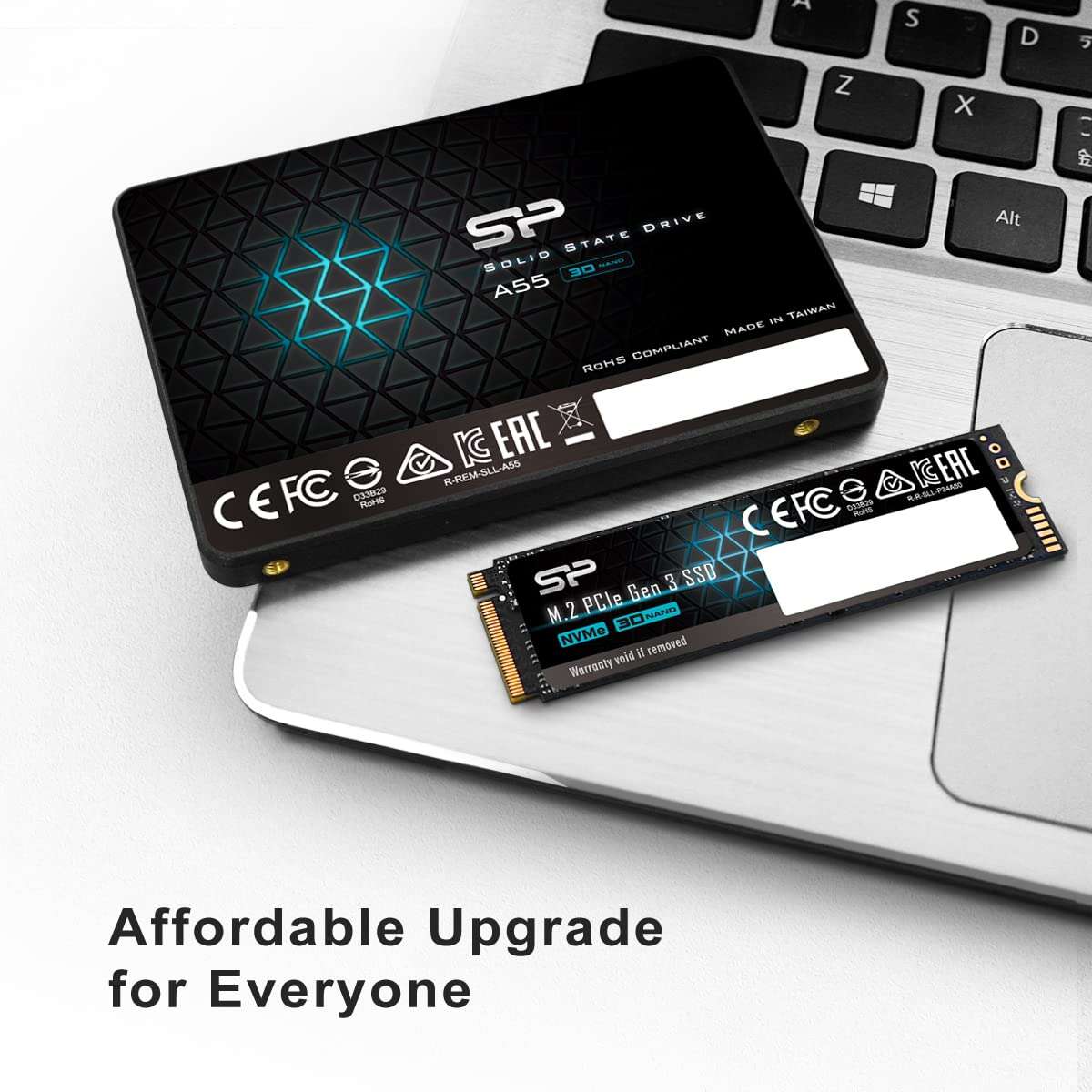
Yes, Silicon Power SSDs can be good choices for gaming PCs, office computers, laptops, and affordable upgrades. The company sells both SATA and NVMe drives, so performance can range from basic hard-drive replacement speeds to fast PCIe 4.0 storage.
When people ask, “is Silicon Power SSD good,” they often expect one simple answer. However, Silicon Power has many models, and they are not all built for the same job.
A low-cost SATA model may be perfect for an older laptop. A high-end NVMe model may suit gaming or video work. The best choice depends on your system and how you use the drive.
Key strengths include:
• Competitive prices compared with larger storage brands
• Wide product range, including SATA and NVMe SSDs
• Good everyday performance for Windows, apps, and games
• Support for common capacities such as 512GB, 1TB, and 2TB
• Strong value when the drive is on sale
Still, Silicon Power is often more aggressive with pricing than with premium features. Some models may use DRAMless designs, lower-cost NAND, or different components across capacities. That does not make them bad, but it means you should check the exact model before buying.

Silicon Power SSD Performance
Performance depends mainly on the interface and drive design. A SATA SSD connects through the older SATA III interface and usually reaches about 500 to 560 MB/s for sequential reads. That is much faster than a traditional hard drive.
An NVMe SSD uses the PCIe interface. Even an affordable PCIe 3.0 model can feel much faster during large file transfers. PCIe 4.0 models can offer higher sequential speeds, although most daily tasks do not use their full potential.
For example, loading Windows does not become four times faster just because a drive has four times the benchmark speed. App launches, boot times, and general browsing often depend on many small operations, not only large sequential transfers.
Silicon Power SSD performance is usually strong for:
• Starting Windows and other operating systems
• Opening programs and files
• Loading many modern games
• Moving photos and home videos
• Replacing a slow laptop hard drive
• Everyday school and office work
Heavy workloads are different. Long 4K video exports, large database tasks, and repeated file writes can reduce performance when the SSD’s cache fills. This is common with many affordable SSDs, not only Silicon Power products.
So, is Silicon Power SSD good for speed? Yes, especially for normal use and gaming. Professional users should review sustained write tests and not rely only on the advertised peak speed.

Silicon Power SATA SSDs vs. NVMe SSDs
The first decision is choosing between SATA and NVMe. Both are solid-state drives, but they use different connections and offer different levels of performance.
SATA SSDs
Silicon Power SATA SSDs are useful for older desktops and laptops. They can replace a hard drive without needing a modern M.2 slot.
Advantages include:
• Easy installation in many older computers
• Lower power use than a hard drive
• Much faster boot and app loading
• Often lower cost per gigabyte
• Broad compatibility
A SATA SSD is still a major upgrade. If your computer currently uses a hard drive, even a basic SATA model can make it feel fresh again.
NVMe SSDs
Silicon Power NVMe SSDs fit into an M.2 slot and use PCIe lanes. They are usually faster than SATA drives and are common in modern laptops, desktops, and gaming systems.
Advantages include:
• Higher sequential read and write speeds
• Smaller physical size
• Better performance for large file transfers
• Stronger results in demanding applications
• Good support for newer gaming computers
Before buying an NVMe model, check whether your motherboard supports the correct M.2 length and PCIe generation. An NVMe drive may physically fit but still require a compatible slot.
The answer to “is Silicon Power SSD good” changes slightly here. Silicon Power SATA drives are often excellent budget upgrades, while its better NVMe models can offer a strong balance between price and speed.

Silicon Power SSD Reliability and Lifespan
Reliability is more difficult to judge than speed. SSD lifespan depends on NAND quality, controller design, firmware, temperature, write volume, and how much free space remains on the drive.
Most SSDs provide a TBW rating. TBW means terabytes written. It estimates how much data the manufacturer expects the drive to handle during its warranty period. A higher TBW rating usually suggests better endurance, but it is not a guarantee of exact service life.
You should also check: