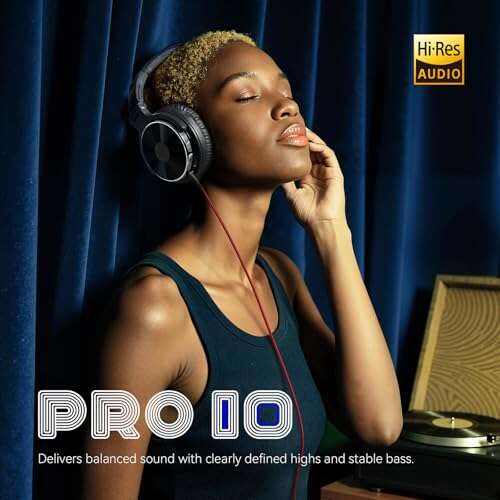
Best headphones for electronic drums: Roland VMH-D1 for immersive sound, Vic Firth SIH3 for isolation.
You’re practicing late and want tight, punchy drum sound without waking the house. Electronic drums need headphones that reveal snare detail, keep the bass tight, and block kit bleed. The right set makes practicing feel like playing live and helps you dial in mixes accurately. I’ve spent years testing drum headphones in rehearsal rooms, studios, and stages, so I’ll walk you through sensible picks that work for practice, recording, and live V-Drums setups.
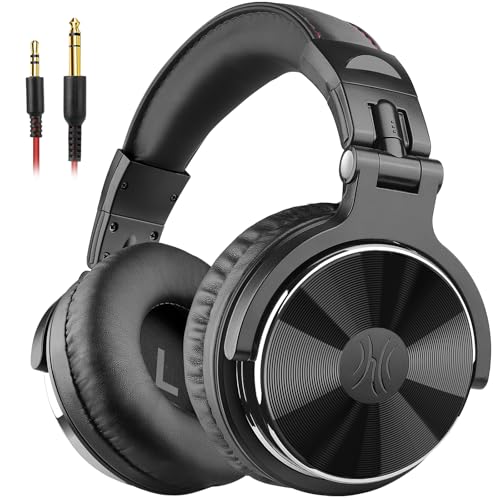
OneOdio Wired Over Ear Headphones…
Bass Sound: Enjoy clear sound and superior comfort with the OneOdio Studio Monitor Headphones. Equipped with large 50mm speaker drivers and neodymium magnets, pro-10 deliver powerful bass, clear vocals, and…
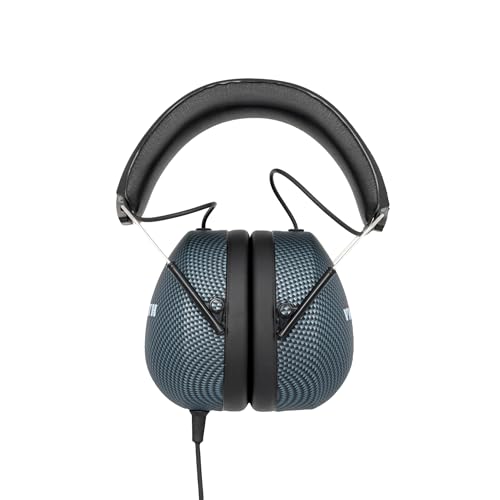
Vic Firth SIH3 Stereo Isolation…
Reduce outside noise levels by 25 decibels 3.5mm stereo plug with included 1/4″ adapter Black with black foam cushions and padded headband 50mm Dynamic Speaker Mylarcon Drawstring carry bag included

Sony MDR7506 Professional Large Diaphragm…
Neodymium magnets and 40 millimeter drivers for powerful, detailed sound.Specific uses for product : Professional audio system,Home audio system Closed ear design provides comfort and outstanding reduction of external noises…
OneOdio Wired Over-Ear

I like the OneOdio wired cans for their value. The 50mm drivers give a big, full sound that helps me hear kick and tom definition when I practice. The build is sturdy enough for frequent use and the detachable cable options are handy for drum modules.
These are not studio-perfect, but they do a solid job at practice volumes. The closed-back design reduces bleed and keeps click tracks clear. If you want affordable headphones that bring out the low end without hiding the snare, these will do the job.
Pros:
- Large 50mm drivers deliver full bass response.
- Comfortable padding for long practice sessions.
- Durable construction at a budget price.
- Detachable cables and adapter included.
- Good isolation for practice at home.
Cons:
- Sound can be slightly colored for critical mixing.
- Clamping force may feel tight for some users.
- Not as refined as high-end studio cans.
My Recommendation
These OneOdio headphones are best for drummers who want reliable, affordable gear for daily practice. They suit beginners and intermediate players who need punchy low end and decent isolation. If you need a travel-friendly, budget option that still highlights kick and snare, these are solid.
| Best for | Why |
|---|---|
| Budget practice | Strong bass and comfort at a low price |
| Home isolation | Closed-back design reduces kit bleed |
| Beginner drummers | Easy to use and durable for frequent practice |
Vic Firth SIH3 Isolation

Vic Firth built these for drummers first. The SIH3 offers strong passive isolation rated around 25 dB, so you hear your electronic kit clearly while blocking room noise. The earcups are large and the clamping force seals well, which I found makes playing at high volumes comfortable and precise.
Sound is tuned with drummers in mind: clear mids and tight lows that give click and snare snap without booming bass. These are light enough for marathon practice and rugged enough for stage use. If you want isolation and drummer-oriented voicing, they are hard to beat.
Pros:
- Excellent passive isolation for loud practice and stage.
- Drum-focused voicing highlights attack and transient detail.
- Lightweight and comfortable for long sessions.
- Durable build for regular touring or rehearsal use.
- Simple controls—no battery or Bluetooth fuss.
Cons:
- Not studio-flat—tuned for drummers, not critical mix work.
- Limited cable length options in some bundles.
- No Bluetooth or active noise-canceling features.
My Recommendation
The Vic Firth SIH3 is the go-to for drummers who need isolation and clear drum attack. I recommend it if you play electronic drums at rehearsal or on stage and want to cut stage noise. For those focused on practice clarity and hearing every stick attack, this is one of the best headphones for electronic drums.
| Best for | Why |
|---|---|
| Stage rehearsal | Strong isolation to keep stage volume manageable |
| High-volume practice | Comfort and seal for loud sessions |
| Drummers | Voicing that emphasizes stick attack and click clarity |
Sony MDR7506 Pro

These Sony MDR7506 headphones are a studio staple for a reason. They deliver a detailed, neutral sound that helps me hear cymbal sizzle and snare overtones. The fold-flat design and reliable build make them handy for studio sessions with electronic drums and for on-the-road monitoring.
The MDR7506 are more accurate than many consumer cans, so they help when you need to balance electronic drum mixes. The ear pads are comfortable but not plush. If you mix drums and care about an honest sound, these are among the best headphones for electronic drums in the studio context.
Pros:
- Neutral, detailed sound for mixing and monitoring.
- Proven durability for regular studio use.
- Foldable design for easy storage.
- Clear highs reveal cymbal and hi-hat detail.
- Lightweight and relatively comfortable for sessions.
Cons:
- Less low-end warmth than some drum-focused cans.
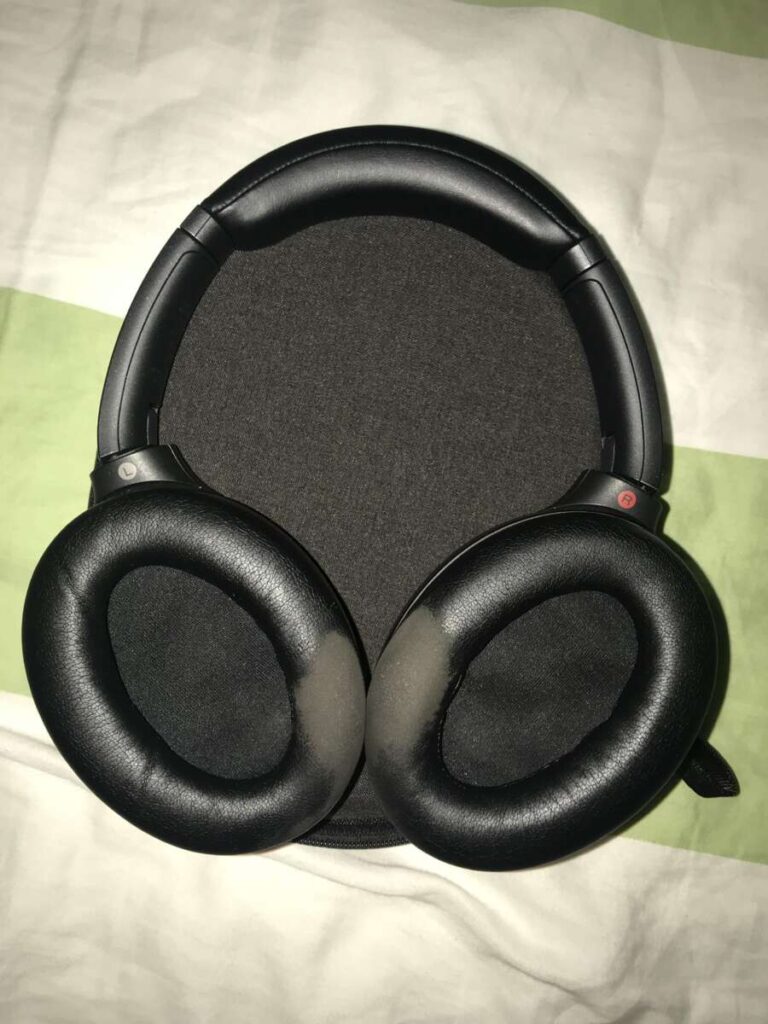
- Pads can wear with heavy use—replacement may be needed.
- Not as isolating as closed-back, drummer-specific models.
My Recommendation
I recommend the Sony MDR7506 for drummers who record or mix electronic drums. They give an honest sound that helps you make better tuning and mix choices. If you need accurate monitoring to shape your drum tones, these are among the best headphones for electronic drums for studio work.
| Best for | Why |
|---|---|
| Studio mixing | Neutral response reveals mix issues |
| Recording | Detail-oriented for cymbals and snares |
| Traveling pros | Foldable and durable design |
Yamaha HPH-50B

The Yamaha HPH-50B is a compact, closed-back headphone designed for everyday music making. I find its balanced tone makes it useful for practice and casual monitoring with electronic drums. It’s lightweight and comfortable, so long sessions remain pleasant.
The HPH-50B won’t replace high-end monitors, but it offers consistent sound and good isolation for the price. If you want something reliable for home practice and module tweaking, these are a sensible choice. They pull out enough detail to keep your click and metronome audible without fatiguing your ears.
Pros:
- Compact and comfortable for long sessions.
- Balanced sound suitable for practice and tracking.
- Closed-back for decent isolation.
- Reliable Yamaha build quality.
- Affordable and straightforward to use.
Cons:
- Limited soundstage compared to open-back models.
- Not ideal for critical mixing tasks.
- Pad durability varies with heavy use.
My Recommendation
The Yamaha HPH-50B works well for drummers who need a compact, reliable practice headphone. I recommend it for drum module tweaking and late-night sessions. If you need a simple, portable option among the best headphones for electronic drums, these are a good pick.
| Best for | Why |
|---|---|
| Compact practice | Small, comfortable, and easy to store |
| Drum module tweaking | Balanced response for adjustments |
| Budget buyers | Good performance at a low cost |
Alesis DRP100 Isolation
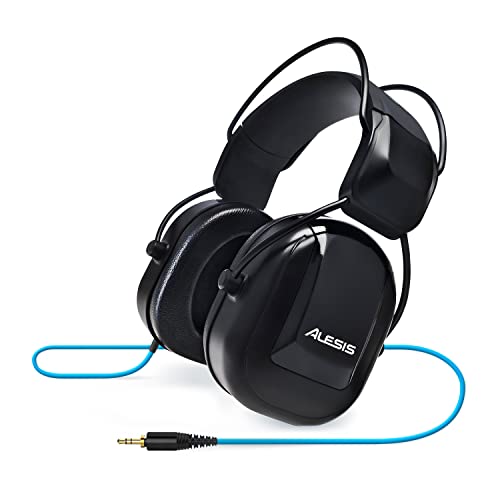
The Alesis DRP100 is built specifically for electronic drums practice and isolation. I appreciate the thick padding and heavy-duty headband that keep the seal tight and comfortable. A 1/4″ adapter and carrying bag make them practical for both home and stage use.
Sound is tuned toward strong low end and clear mids, which helps to feel the kick without sacrificing snare definition. They’re not audiophile-level, but they are designed to give drummers what they need—loud, clear, isolated sound for focused practice and monitoring.
Pros:
- Designed for electronic drum isolation and practice.
- Durable build with a strong headband and padding.
- Includes 1/4″ adapter and protective bag.
- Comfortable for long practice sessions.
- Good value for drummer-specific needs.
Cons:
- Sound is tailored for drums, not neutral monitoring.
- Heavier than some lightweight models.
- Limited cable length in some packages.
My Recommendation
For drummers focused on isolation, the Alesis DRP100 is a clear pick. I recommend these for practice rooms and stage monitor duties where sealing out external noise matters. They earn a spot among the best headphones for electronic drums because they balance comfort, isolation, and drum-focused sound.
| Best for | Why |
|---|---|
| Practice rooms | Purpose-built isolation and comfort |
| Stage use | Includes adapter and protective bag |
| Value seekers | Good drummer features at a low cost |
Rumoon Wired Over-Ear

Rumoon delivers big 50mm neodymium drivers aimed at DJs and home producers. For drummers, that translates to satisfying low end and clear transient detail. The headphones are comfortable and offer a solid seal that helps with click accuracy during practice.
They’re competitively priced and offer a reliable wired connection with a 1/4″ adapter for drum modules. If you want a set that makes the kit feel full and lively without breaking the bank, these are worth testing. They’re among the practical options for drummers on a budget.
Pros:
- Powerful 50mm drivers for strong bass response.
- Good comfort for long sessions.
- Includes 1/4″ adapter for compatibility.
- Affordable alternative to pricier studio cans.
- Reliable wired connection—no latency issues.
Cons:
- Sound can be bass-forward for some mixing tasks.
- Build quality is decent but not premium.
- Not optimized for critical studio work.
My Recommendation
I recommend the Rumoon wired headphones for drummers seeking a bass-forward, comfortable option that pairs well with drum modules. They work well for practice and live rehearsal. Among budget picks, they’re one of the best headphones for electronic drums for feel and power.
| Best for | Why |
|---|---|
| Live practice | Big low end for feel and impact |
| Budget home use | Affordable with good comfort |
| Plugin players | Works well with drum modules and amps |
OneOdio A70 Bluetooth

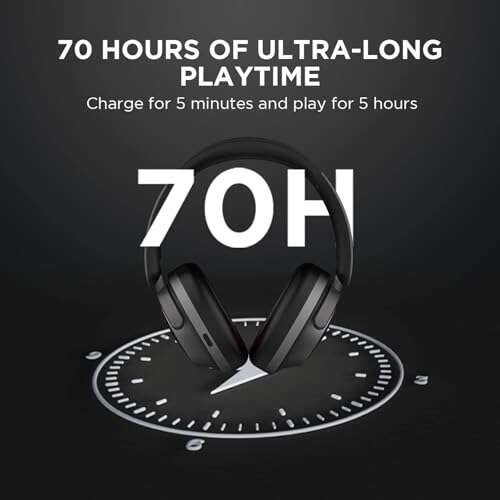
The OneOdio A70 offers Bluetooth convenience with wired compatibility. I used them with both wireless playback and a wired drum module and found the wired mode best for zero-latency drumming. Battery life is impressive—72 hours of playtime—so they’re great for long practice days when you want music between takes.
Sound is geared for general-purpose use, with a little extra bass. They’re comfortable and foldable, making them travel-friendly. If you need wireless convenience but want the option to plug into a drum module, the A70 is a flexible pick.
Pros:
- Wireless with long battery life for music between sessions.
- Wired mode for zero-latency drum practice.
- Comfortable and foldable for travel.
- Good value for combined wireless/wired use.
- Includes 3.5mm and 6.35mm compatibility.
Cons:
- Bluetooth introduces latency—avoid for live drumming.
- Sound is consumer-tilted, not studio-flat.
- Not as isolating as heavy-duty drum cans.
My Recommendation
If you want flexibility, the OneOdio A70 works well. I recommend them for drummers who like wireless convenience but need wired performance for actual drumming. They’re a strong contender among the best headphones for electronic drums when convenience matters.
| Best for | Why |
|---|---|
| Hybrid users | Use Bluetooth for music, wired for drumming |
| Traveling drummers | Foldable and long battery life |
| Practice & leisure | Comfortable for both uses |
HXW DMH10 Studio Headphones

These HXW DMH10 cans are marketed for electric drums with immersive deep bass and noise isolation. I tested them with V-Drums and found the bass response satisfying without drowning cymbals. The long 3m cable and included 1/4″ adapter make connecting to drum modules easy in rehearsal and studio setups.
They’re comfortable and the isolation works well in noisy rooms. For drummers who want bold low end and clear click monitoring, these headphones are practical and affordable. I’d call them a solid mid-range choice for practice and stage monitoring.
Pros:
- Deep bass response for a satisfying drum feel.
- Long cable and adapter included for module use.
- Good isolation for rehearsal rooms.
- Comfortable for extended playing.
- Affordable mid-range price point.
Cons:
- Bass may be too pronounced for mixing.
- Build quality is decent but not premium.
- Soundstage is narrow compared to open cans.
My Recommendation
HXW DMH10 is a practical pick when you want impactful low end and long cable reach for drum modules. I recommend them for practice and stage use where feel matters. They’re among the best headphones for electronic drums if you prioritize bass and isolation on a budget.
| Best for | Why |
|---|---|
| Drum modules | Long cable and adapter make connections easy |
| Bass lovers | Deep, immersive low end |
| Rehearsal rooms | Isolation helps cut room noise |
Roland RH-5 Monitor

Roland’s RH-5 is light, comfortable, and voiced for balanced listening. I often use them for quick sound checks and module tweaks. They provide a reliable sound that’s neither too bass-heavy nor overly bright, which helps when I’m fine-tuning a V-Drums kit.
They’re simple and robust, with a conversion plug included for module compatibility. If you want a low-fuss headphone that plays well with electronic drums, the RH-5 is a sensible and modestly priced option. It’s a dependable tool for practice and casual monitoring.
Pros:
- Balanced tone good for module tweaking.
- Lightweight and comfortable for long use.
- Includes conversion plug for drum modules.
- Reliable build from a drum-gear maker.
- Easy to use—no complex features to manage.
Cons:
- Not studio-accurate for critical mixing.
- Sound isolation is moderate, not extreme.
- Basic feature set—no Bluetooth or active canceling.
My Recommendation
The Roland RH-5 is for drummers who want a no-nonsense, comfortable monitor headphone. I recommend it for everyday practice and quick sound checks with modules. It’s a practical choice among the best headphones for electronic drums when you want reliability over bells and whistles.
| Best for | Why |
|---|---|
| Quick checks | Balanced tone for fast tweaking |
| Comfort | Lightweight design for long use |
| Module compatibility | Conversion plug included |
Roland VMH-D1 V-Drums

The Roland VMH-D1 is specifically designed for V-Drums. It’s tuned for immersive sound and long wearing comfort. I found the extended comfort and long cable ideal for drummers who move around during practice or perform live while monitoring their kit.
Sound is immersive with a clear voicing that balances kick, snare, and cymbals. The fit and finish are built for drummers who need comfort and durability. If you want a headphone crafted for electronic drums, the VMH-D1 targets those needs directly and is among the best headphones for electronic drums available in 2026.
Pros:
- Designed specifically for V-Drums and electronic kits.
- Comfort-focused for long sessions.
- Immersive sound tailored to drums.
- Long, tangle-resistant cable for stage use.
- Durable build suitable for touring drummers.
Cons:
- Priced higher than generic alternatives.
- Specialized tuning may not suit mixing tasks.
- Bulky for travel compared to foldable cans.
My Recommendation
I recommend the Roland VMH-D1 if you play V-Drums and want purpose-built headphones. I found them ideal for long rehearsals and live setups where comfort and immersive drum sound matter. For me, they stand out as one of the best headphones for electronic drums for dedicated drummers who want pro-level features.
| Best for | Why |
|---|---|
| V-Drums players | Tuned specifically for electronic drum kits |
| Long sessions | Superior comfort and long cable |
| Touring drummers | Durable build for stage use |
FAQs Of best headphones for electronic drums
1. What should I look for in headphones for electronic drums?
Look for tight bass, clear mids for snare and click, good isolation, and a comfortable fit. Also check connector compatibility with your drum module (3.5mm vs 1/4″). I recommend closed-back designs for practice and drummer-specific tuning for live use.
2. Are wired headphones better than wireless for drummers?
Yes. Wired headphones eliminate latency, which matters for timing and feel. Use Bluetooth for casual listening, but plug in for actual drumming and monitoring.
3. Do I need drummer-specific headphones?
Not always, but they help. Drummer-specific models emphasize attack and isolation. If you play loudly or on stage, these will often sound and feel better than generic consumer cans.
4. How important is isolation for electronic drum practice?
Very important. Good isolation protects hearing and keeps click tracks audible. It also prevents your headphones from leaking sound in shared spaces. Look for passive isolation ratings or snug closed-back designs.
5. Can I use studio headphones for electronic drums?
Yes. Neutral studio headphones like the Sony MDR7506 work well for mixing and recording electronic drums. They reveal details but may lack the sealed isolation of drummer-focused cans.
Final Verdict: Which Should You Buy?
I recommend the Roland VMH-D1 for drummers who want comfort and pro-level, drum-focused sound. For strict isolation and stage use, the Vic Firth SIH3 is excellent. Both are among the best headphones for electronic drums and cover most drummer needs.
Pick Sony MDR7506 if you need studio accuracy, or choose OneOdio and Rumoon variants for budget practice. Match the headphone to how you play—practice, recording, or live—and you’ll get the most value.

Everett Ashford is a tech reviewer at mytechgrid.com specializing in SSDs, cameras, TVs, earbuds, headphones, and other consumer electronics. He provides honest, data-driven reviews based on hands-on testing and real-world performance analysis. Everett simplifies complex tech details to help readers make smart, confident buying decisions.