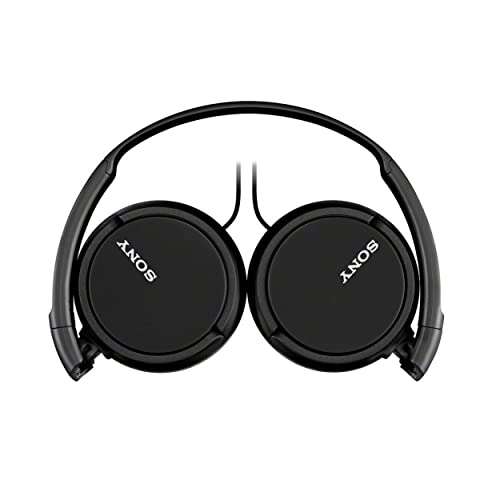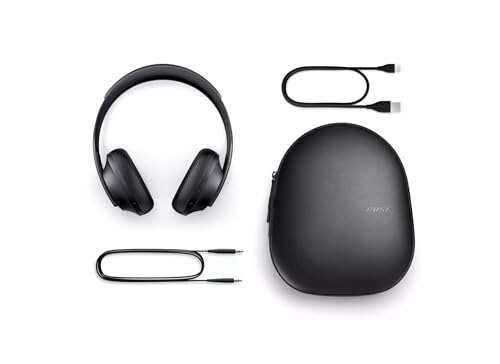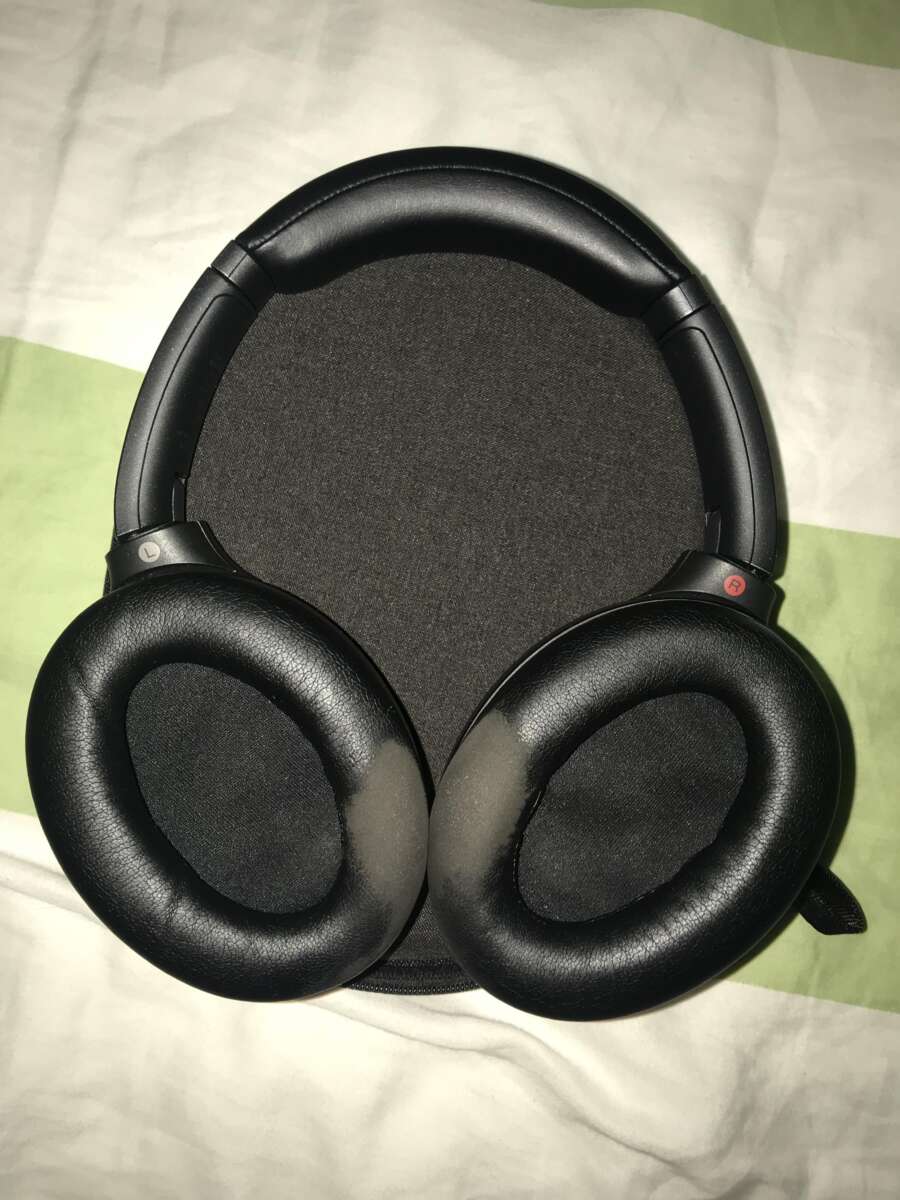
Wipe pads, remove ear tips, clean gently with mild soap or isopropyl alcohol, then dry fully.
I’ve cleaned dozens of sweaty headphones from gym gear to commuter buds. I know the safe steps, what to avoid, and how to keep sound and fit intact. This guide on how to clean sweaty headphones gives clear steps, tools, and routines that work for earbuds, on-ear, and over-ear sets. Read on for practical tips, common mistakes, and a simple routine you can use today.

Why sweat damages headphones
Sweat is salty and contains oils and bacteria. Over time it can clog meshes, corrode metal contacts, stain pads, and weaken adhesives. That damage can change sound, cause skin irritation, and shorten headphone life.
I learned this the hard way after leaving my gym headphones damp in a bag. They smelled bad and lost bass. With proper care you can prevent that and keep your headphones working longer.

What you need to clean sweaty headphones
Here are safe, easy tools to keep on hand. Use simple items you likely already own.
- Soft lint-free cloth, like microfiber
- Cotton swabs for tight spots
- Mild dish soap or baby shampoo
- Isopropyl alcohol 70% for disinfecting small parts
- Small bowl with warm water
- Soft toothbrush or small brush
- Plastic toothpick or soft nylon tool for mesh cleaning
- Paper towels or a clean towel
Avoid bleach, strong solvents, and abrasive pads. Those can strip coatings and ruin finishes.

Step-by-step: how to clean sweaty headphones
Follow these steps from quick wipes to deeper cleaning. Adjust for earbuds, on-ear pads, and over-ear cups.
- Power off and unplug. Remove cables or charge case. This keeps electronics safe.
- Remove removable parts. Take off ear tips, cushions, and grills if you can. Check the manual first.
- Wipe external surfaces. Dampen a microfiber cloth with a mix of warm water and a little soap. Wipe cups, headbands, and housings. Use gentle pressure only.
- Clean ear tips and soft pads. Wash silicone tips in soapy water. Rinse and air dry on a towel. For foam pads, gently squeeze water out and let them dry fully before reattaching.
- Clear mesh and ports. Use a dry toothbrush or soft nylon tool to brush debris from speaker mesh. Use a dry cotton swab for ports. If stubborn grime remains, lightly dampen a cotton swab with isopropyl alcohol and dab—do not soak.
- Disinfect contact points. Lightly wipe surfaces that touch skin with 70% isopropyl alcohol. Avoid getting liquid into seams or speaker holes.
- Reassemble after full drying. Give parts time to dry fully. Reattach once everything is dry to the touch.
Repeat quick wipes after heavy sweat sessions and full cleans monthly for frequent users.

Cleaning tips by headphone type
Different designs need small adjustments. Here’s what I do for each type.
- In-ear earbuds
- Remove silicone tips. Clean tips with soap and water. Brush the mesh gently. Use a dry swab for the port. Never submerge non-waterproof earbuds.
- True wireless buds
- Clean the charging contacts with a dry cloth and a tiny bit of alcohol if dirty. Keep the case clean by wiping interiors with a dry swab.
- On-ear headphones
- Wipe pads after each use. Remove pads if possible and clean the foam or leather following manufacturer steps.
- Over-ear headphones
- Clean large ear cups more slowly. Remove pads for deep cleaning. Check seams and headband for trapped sweat.
If your device is water-resistant, follow the level of protection listed by the maker before using water.

Deep clean for removable pads and ear tips
A periodic deep clean restores comfort and sound. Do this every 1–3 months for heavy users.
- Silicone tips
- Soak in warm soapy water for a few minutes. Rinse and air dry completely.
- Foam tips
- Gently wash in soapy water. Squeeze, do not stretch. Air dry fully to avoid mold.
- Leather or pleather pads
- Wipe with damp cloth and mild soap. Condition leather sparingly if recommended.
- Fabric pads
- Hand wash and air dry. Avoid machines to preserve shape and glue.
If pads smell after cleaning, let them air in sunlit areas for a short time. Don’t overexpose leather to direct sun.

Drying, disinfecting, and safe storage
Drying is as important as cleaning. Moisture left inside headphones invites bacteria and corrosion.
- Air dry only. Lay parts on a towel in a warm, ventilated place.
- Use a fan for faster airflow. Do not use a hair dryer on hot setting.
- Disinfect contact points with alcohol wipes sparingly.
- Store in a dry case with moisture-absorbing packets for travel or long-term storage.
- Avoid leaving headphones in gym bags or damp pockets.
I once found a pair soaked after a rain run. They smelled and had a weak connection until I dried them slowly over 24 hours. Fast heat would have warped the foam. Slow is safer.

Common mistakes and when to replace headphones
Knowing what not to do saves gear and cash.
- Mistakes to avoid
- Soaking non-waterproof units. Water can ruin drivers and electronics.
- Using household bleach or strong solvents. These damage finishes and fabrics.
- Rubbing mesh aggressively. You can push debris into the speaker.
- When to replace
- Persistent sound distortion after cleaning.
- Breaks in wiring or failing Bluetooth modules.
- Pads that crumble or no longer seal, causing poor fit and sound.
If cleaning doesn’t restore sound or hygiene, replacement may be safer and cheaper.

Maintenance routine and prevention tips
A small routine keeps sweat from building up and extends life.
- After each workout
- Wipe ear-contact areas with a dry cloth. Let them air before storing.
- Weekly for frequent users
- Do a light soap-and-water wipe for tips and pads.
- Monthly deep clean
- Remove pads and tips for full washing and mesh cleaning.
- Preventive habits
- Use a sweatband or headband to reduce direct contact.
- Rotate two pairs of headphones to let one fully dry between uses.
From personal use, a five-minute wipe after each session kept my earbuds smelling fresh and sounding clear for years.

Frequently Asked Questions of how to clean sweaty headphones
How often should I clean sweaty headphones?
Clean contact areas after every heavy sweat session. Do a deeper clean monthly if you use them daily.
Can I use alcohol on headphone pads?
Use isopropyl alcohol sparingly on hard surfaces and contact points. Avoid alcohol on delicate leather or foam as it can dry and crack them.
Are earbuds waterproof and safe to wash?
Some earbuds have water resistance, but most are not fully waterproof. Always check the IP rating before using water.
How do I dry headphones quickly without damage?
Air dry parts on a towel in a warm, ventilated spot. Use a fan for airflow; avoid high heat from hair dryers or ovens.
Will cleaning improve sound quality?
Yes. Clearing debris and sweat from meshes and pads can restore clarity and bass response. If electronics are damaged, cleaning may not fix sound issues.
Conclusion
Cleaning sweaty headphones is a simple habit that protects your gear and your ears. Use mild soap, isopropyl alcohol for small areas, and let parts dry fully before reassembly. Avoid soaking non-waterproof units and skip harsh chemicals. Start a short routine today: quick wipe after use, weekly checks, and a monthly deep clean to keep sound and comfort at their best. Try these steps on your next session and share what works for you—leave a comment or subscribe for more gear care tips.

Everett Ashford is a tech reviewer at mytechgrid.com specializing in SSDs, cameras, TVs, earbuds, headphones, and other consumer electronics. He provides honest, data-driven reviews based on hands-on testing and real-world performance analysis. Everett simplifies complex tech details to help readers make smart, confident buying decisions.