Bone conduction headphones can be better for some people in the United States, but they are not safer or healthier for everyone. They sit near the cheekbones and send sound through vibrations in the skull. This leaves the ear canals open.
That design may help runners hear traffic, people with some outer- or middle-ear problems, and anyone who dislikes ear tips. But bone conduction headphones can still damage hearing when played too loudly. They may also sound less full than regular headphones and may not work well for every type of hearing loss.
The best choice depends on your hearing, your setting, and how loudly you listen.
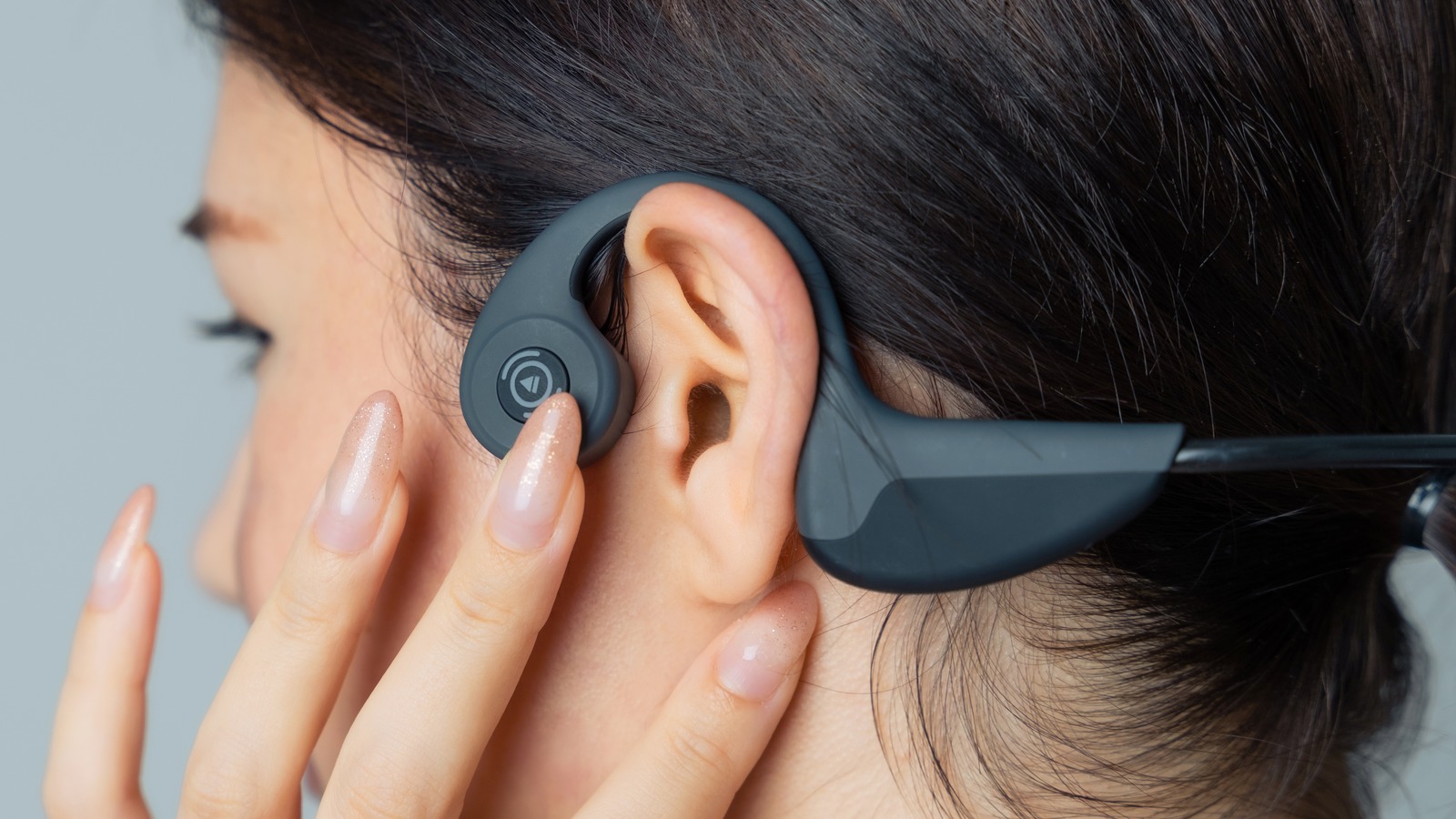
What are bone conduction headphones?
Bone conduction headphones use small transducers to create vibrations. These vibrations travel through the bones of the skull to the inner ear, also called the cochlea. The cochlea then changes the signal into nerve messages that the brain understands as sound.
Regular headphones send sound through the air. The path is:
Headphone speaker → ear canal → eardrum → middle ear → cochlea
Bone conduction uses a different path:
Headphone transducer → skull bones → cochlea
The two types still meet at the cochlea. This matters because bone conduction does not remove the risk of inner-ear damage. The cochlea contains delicate hair cells. Very loud sound, from any delivery method, can harm them over time.
Most consumer bone conduction headphones rest in front of the ears. They do not usually block the ear canal. This lets you hear nearby sounds, such as:
- Car horns and sirens
- Bicycle bells
- People speaking
- Public announcements
- Dogs, alarms, and other warning sounds
“Open-ear headphones” is a wider term. It includes bone conduction models and other headphones that keep the ear canal open. Some open-ear products use small speakers aimed toward the ear rather than bone conduction.
Bone conduction headphones are not the same as hearing aids
A consumer headset is made for listening to music, calls, podcasts, or other media. It is not automatically a hearing aid.
Medical hearing devices are designed to address hearing loss. Some bone-conduction hearing systems are prescribed for specific conditions, such as conductive hearing loss or certain ear abnormalities. They require professional assessment and may use different hardware than consumer headphones.
If you have hearing loss, tinnitus, ear pain, drainage, or one-sided hearing changes, ask an audiologist or doctor before using headphones as a substitute for treatment.

Are bone conduction headphones safer for your hearing?
Bone conduction headphones are not automatically safer than regular headphones. They may feel safer because they do not seal the ear canal, but the inner ear can still receive a strong sound signal.
The main hearing risk is excessive sound exposure. The National Institute on Deafness and Other Communication Disorders says loud sounds can damage the inner ear. Risk rises with both volume and listening time.
A useful rule is simple:
If you must raise your voice to speak with someone nearby, the sound may be too loud.
Bone conduction headphones may also encourage users to turn up the volume in noisy places. Since they do not block much outside noise, music can seem weak beside traffic, gym equipment, or an airplane cabin. Higher volume can then create more risk than expected.
What bone conduction may reduce
Bone conduction headphones may reduce some problems linked to in-ear devices:
- Ear-canal pressure
- A blocked or “plugged” feeling
- Moisture trapped in the ear
- Contact between an ear tip and irritated skin
- Some buildup of wax caused by frequent ear-canal use
These are comfort and ear-canal benefits. They do not prove that bone conduction protects the cochlea.
What bone conduction does not prevent
Bone conduction headphones do not prevent:
- Noise-induced hearing loss
- Tinnitus caused by loud listening
- Sound fatigue
- Distortion from excessive volume
- Discomfort from strong vibration
- Hearing strain in a loud workplace
The CDC and NIOSH recommend controlling noise exposure through lower volume, shorter exposure, and hearing protection when needed. Open-ear headphones are not a replacement for certified hearing protection around loud tools, firearms, engines, or industrial equipment.

What are the benefits of bone conduction headphones?
The main benefit is that they leave the ear canals open. That can improve awareness and comfort in the right setting.
1. Better awareness outdoors
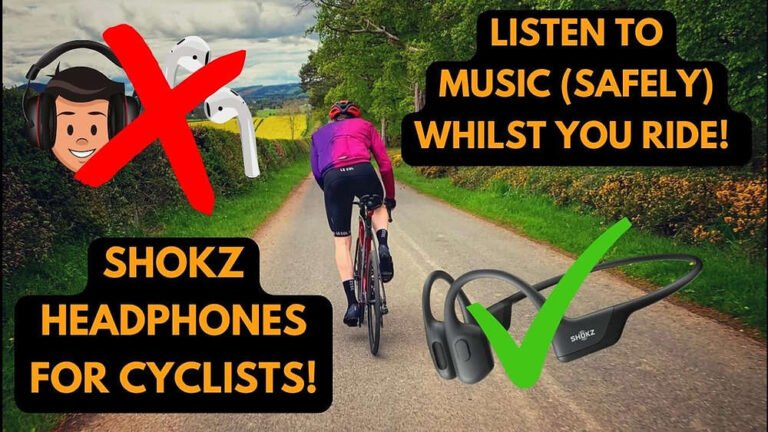
Runners, walkers, and cyclists may hear traffic and other people more easily with open ears. This is useful on roads, trails, and shared paths.
Still, awareness is not the same as safety. Music can mask sound even when the ear canal is open. Keep the volume low, stay alert, and follow local rules for headphones near roads.
2. More comfort for some ear problems
Some people cannot tolerate in-ear tips. They may have sensitive skin, narrow ear canals, recurring irritation, or discomfort from pressure. Bone conduction avoids direct contact with the canal.
If you have an active ear infection, pain, or drainage, do not assume an open-ear headset is safe. The headset may still press on tender skin. A medical check is the better first step.
3. Useful for some types of hearing loss
Bone conduction can bypass the outer and middle ear. This may help people whose hearing problem affects those areas.
It may not help when the cochlea or hearing nerve is damaged. That is why the type and cause of hearing loss matter. An audiologist can test this with a hearing evaluation.
4. Easier sharing and quick removal
Because the headset does not sit inside the ear, users can remove it quickly when someone speaks. Some people also find it less isolating at work or at home.
5. Less ear-canal occlusion
Occlusion is the plugged-up sound that can happen when the ear canal is sealed. It can make your own voice, chewing, or footsteps sound louder. Bone conduction usually causes less of this effect than sealed earbuds.
6. Practical use in some wet settings
Some models are built for sweat or swimming. Water resistance varies by model, so check the exact rating and instructions. A product designed for swimming is not the same as one that is only rated for light sweat or rain.

What are the disadvantages?
Bone conduction headphones trade some sound quality and privacy for comfort and awareness.
Sound quality may be less complete
Many users notice weaker bass and less detail than with good over-ear headphones or sealed earbuds. This happens because bone conduction products have limits in how they deliver low frequencies.
The effect is stronger in noisy places. Background noise can cover speech, music detail, and quiet podcasts. Turning up the volume may help less than expected and may increase hearing risk.
They may leak sound
People nearby may hear some of what you are listening to, especially at high volume. This makes bone conduction less suitable for quiet offices, libraries, shared rooms, or private calls.
Fit affects sound and comfort
The transducers need steady contact with the area in front of the ears. A poor fit may cause:
- Weak or uneven sound
- Tingling or pressure
- Headaches
- Glasses or helmet interference
- Movement during exercise
A headset should feel secure without pressing hard. If vibration causes pain or numbness, stop using it.
They do not block noise well
Open ears help awareness, but they also let in noise. This can make bone conduction a poor choice for:
- Air travel
- Loud gyms
- Busy construction areas
- Lawns and workshops
- Loud public transit
- Firearm ranges
For hazardous noise, use hearing protection. Do not use music headphones as a substitute.
Calls may be less private
The microphone may pick up wind, traffic, and nearby voices. Call quality depends on the model, phone, software, and environment. A quiet room usually gives better results than a windy trail.
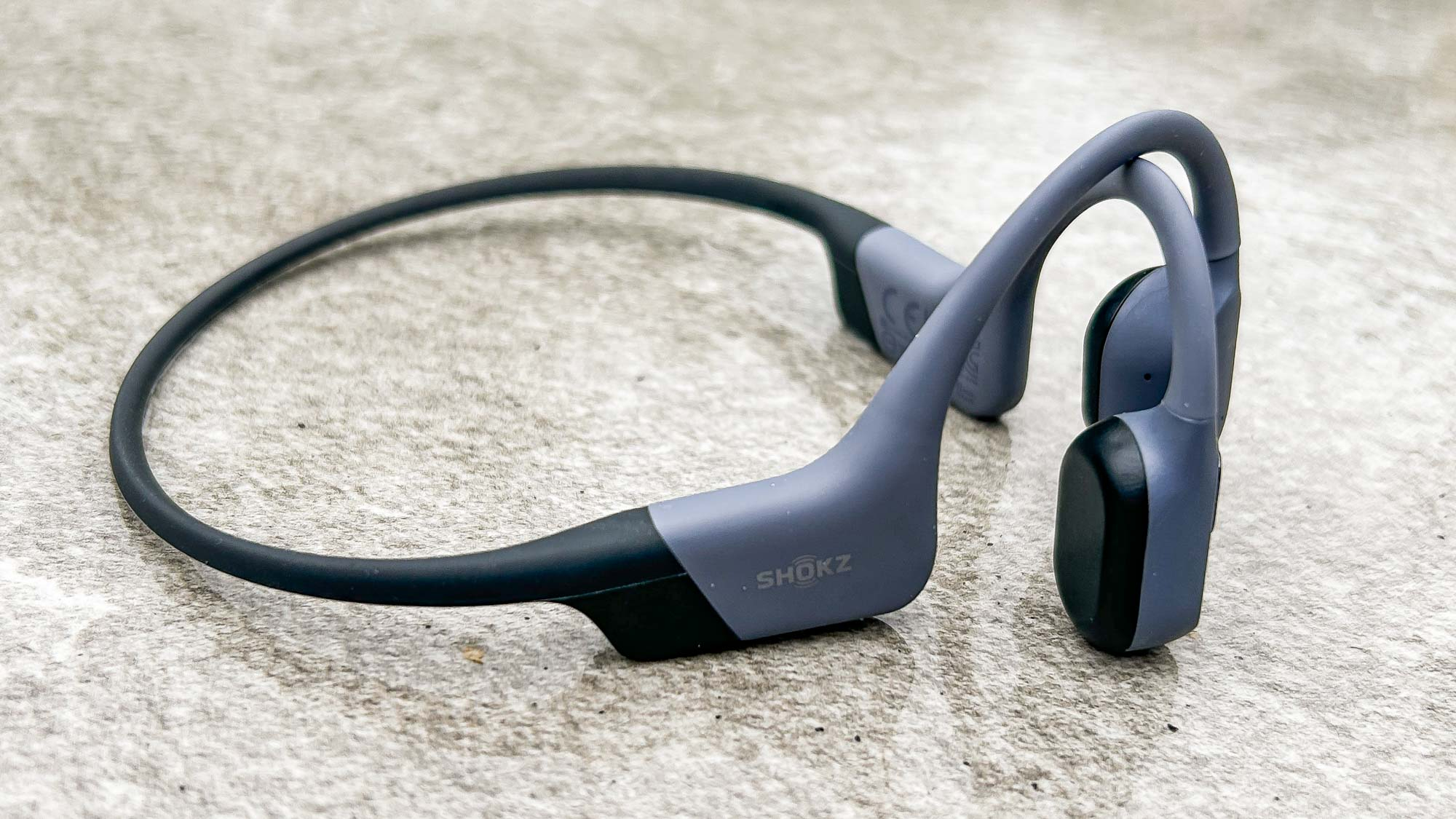
Bone conduction headphones compared with regular headphones
The best option depends on what you value most.
| Feature | Bone conduction headphones | In-ear earbuds | Over-ear headphones |
|---|---|---|---|
| Ear canal open | Yes | Usually no | Usually no |
| Outside sound awareness | High | Low to moderate | Low |
| Bass and music detail | Often limited | Often strong | Often strongest |
| Ear-canal pressure | Low | Possible | None inside the canal |
| Sound leakage | Possible | Low | Low to moderate |
| Hearing risk at high volume | Still possible | Still possible | Still possible |
| Fit during movement | Often stable | Varies by ear tip | May move or feel warm |
| Best use | Outdoor awareness and comfort | Travel, calls, general listening | Music, work, and noise isolation |
This table does not show a universal winner. It shows the main trade-off:
- Choose bone conduction for open ears and outdoor awareness.
- Choose earbuds for compact size and stronger isolation.
- Choose over-ear headphones for fuller sound and better passive blocking.
Noise-canceling headphones can lower the need to increase volume in some settings. However, noise cancellation does not make loud listening harmless.

Who should consider bone conduction headphones?
Bone conduction headphones may suit you if:
- You want to hear your surroundings while listening.
- In-ear earbuds irritate your ears.
- You dislike a plugged-ear feeling.
- You exercise outdoors in places where awareness matters.
- An audiologist has recommended bone conduction for your type of hearing loss.
- You need quick access to conversation.
They may not suit you if:
- You want strong bass and detailed music.
- You need privacy in a shared space.
- You work around dangerous noise.
- You plan to use them at high volume to overcome background sound.
- The headset causes pressure, pain, or headaches.
- You expect a consumer headset to correct hearing loss.
A simple decision test
Ask these four questions:
-
Do I need to hear my surroundings?
If yes, bone conduction may help. -
Do I need strong noise blocking or deep bass?
If yes, earbuds or over-ear headphones may fit better. -
Do I have hearing loss or ongoing ear symptoms?
If yes, get professional advice before choosing a device. -
Will I use them around dangerous noise?
If yes, use hearing protection instead of relying on open-ear headphones.

How to use bone conduction headphones more safely
Safe use depends more on sound level and listening time than on the headphone category.
Follow these steps
-
Start at a low volume.
Raise it only as much as needed. -
Take regular quiet breaks.
Your ears need time away from sound. -
Avoid maximum volume.
Maximum settings leave little room for sudden peaks or noisy surroundings. -
Use the fit, not the volume, to improve sound.
Move the transducers slightly until speech or music is clear. -
Do not use them as work-site hearing protection.
Wear approved protection in loud environments. -
Stop when you notice warning signs.
Ringing, muffled hearing, pain, or sound sensitivity means you should take a break. -
Clean the contact points.
Follow the maker’s care instructions, especially after sweat or exercise. -
Check the water rating.
Do not swim with a headset unless it is made and rated for swimming.
A practical volume check
The 60/60 rule is often used as a simple listening guide: keep volume near 60% or less and take a break after about 60 minutes. It is not a guarantee of safety because device output and music levels vary.
A better check is whether you can still hear and respond to nearby speech without removing the headset. If you cannot, lower the volume.
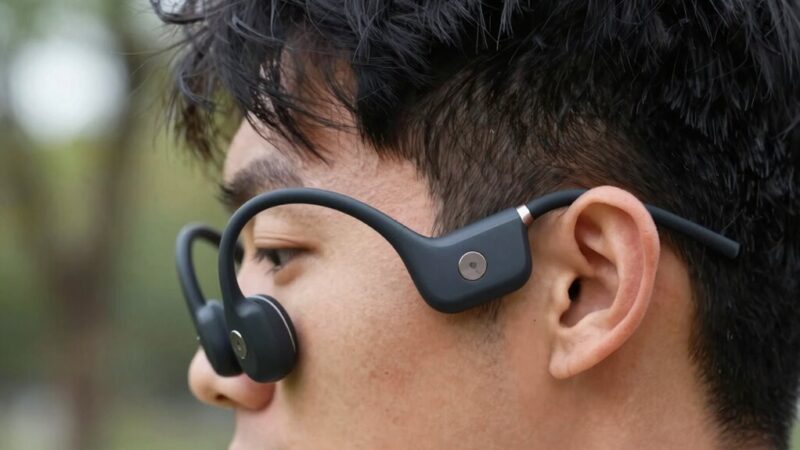
Can bone conduction headphones help with hearing loss?
They can help some people, but only when the hearing problem matches the technology.
Bone conduction may bypass a blocked or damaged outer or middle ear. Examples can include some forms of conductive hearing loss. It does not repair the cochlea, and it may not solve sensorineural hearing loss.
Do not diagnose yourself from online advice. An audiologist can identify:
- Whether hearing loss is present
- Which part of the hearing system is affected
- Whether bone conduction is likely to help
- Whether a medical device or treatment is more suitable
- Whether one ear needs different support than the other
Seek prompt medical care for sudden hearing loss, severe dizziness, ear drainage, severe pain, or sudden one-sided symptoms. Sudden hearing loss can require urgent treatment.

Common mistakes to avoid
Mistake 1: Assuming “open ear” means “hearing safe”
Open ears may improve awareness. They do not protect the inner ear from loud sound.
Mistake 2: Turning up the volume in noisy places
This is one of the biggest risks. Move to a quieter place, pause the audio, or use suitable hearing protection.
Mistake 3: Buying a consumer headset for untreated hearing loss
A music headset is not a medical hearing device. Get a hearing test if speech sounds unclear or people often seem to mumble.
Mistake 4: Ignoring fit
A loose or poorly placed transducer can make the sound weak. Users may respond by increasing volume. Adjust the position first.
Mistake 5: Wearing them during hazardous work
You may hear a warning signal, but you may also miss it. Headphones can distract you and may not meet workplace protection standards.

Frequently asked questions
Are bone conduction headphones better than earbuds?
They are better for open-ear awareness and for people who dislike ear tips. Earbuds are often better for bass, detail, noise isolation, and privacy. Neither type is automatically safer at high volume.
Can bone conduction headphones cause hearing loss?
Yes, they can contribute to hearing damage if they deliver loud sound for too long. Bone conduction still stimulates the cochlea, where noise-related damage can occur.
Are bone conduction headphones good for tinnitus?
They are not a proven treatment for tinnitus. Some users may find open-ear listening more comfortable, while others may find any added sound irritating. If tinnitus is new, severe, one-sided, or paired with hearing loss, seek medical advice.
Can you use bone conduction headphones while driving?
Laws and safety rules vary by state and situation. Even when legal, headphones can reduce attention. Do not use them if they prevent you from hearing warnings or complying with a workplace or road-safety rule.
Can you swim with bone conduction headphones?
Only some models are designed for swimming. Check the exact water rating, controls, storage needs, and manufacturer instructions. Sweat resistance alone does not mean a product is safe for submersion.
Key takeaways
- Bone conduction headphones can be better for outdoor awareness and ear-canal comfort.
- They are not automatically safer for hearing.
- Loud volume can damage the inner ear through bone conduction too.
- They may help some people with conductive hearing loss, but an audiologist should guide that choice.
- They usually offer less bass, more sound leakage, and less noise blocking than regular headphones.
- Use low volume, take breaks, and never treat them as hearing protection.
Conclusion
Bone conduction headphones are a useful alternative, not a universal upgrade. They make the most sense when you want open ears, dislike in-ear pressure, or need to stay aware of nearby sounds.
Regular earbuds or over-ear headphones may be better for music detail, privacy, and noisy travel. If you have hearing loss or ear symptoms, get professional advice before choosing any headphone as a solution.
Your next step is simple: decide whether awareness, comfort, sound quality, or noise blocking matters most. Then choose the headphone type that matches that need—and keep the volume low whichever type you use.

Everett Ashford is a tech reviewer at mytechgrid.com specializing in SSDs, cameras, TVs, earbuds, headphones, and other consumer electronics. He provides honest, data-driven reviews based on hands-on testing and real-world performance analysis. Everett simplifies complex tech details to help readers make smart, confident buying decisions.