Yes, some hospital rooms have cameras for safety, monitoring, and legal documentation.
I’ve worked with clinicians and hospital administrators and studied privacy rules closely. This article explains whether are there cameras in hospital rooms, why they are used, where they are placed, and what rights patients have. You’ll get plain answers, practical tips, and real-world examples so you can make informed choices about room privacy and safety.
Why hospitals use cameras
Hospitals install cameras for safety, quality, and liability reasons. Cameras help spot patient falls. They protect staff from abuse. They also document care when families raise concerns.
Common goals include:
- Reducing patient harm with continuous monitoring.
- Reviewing incidents to improve care and training.
- Deterring theft and unauthorized access.
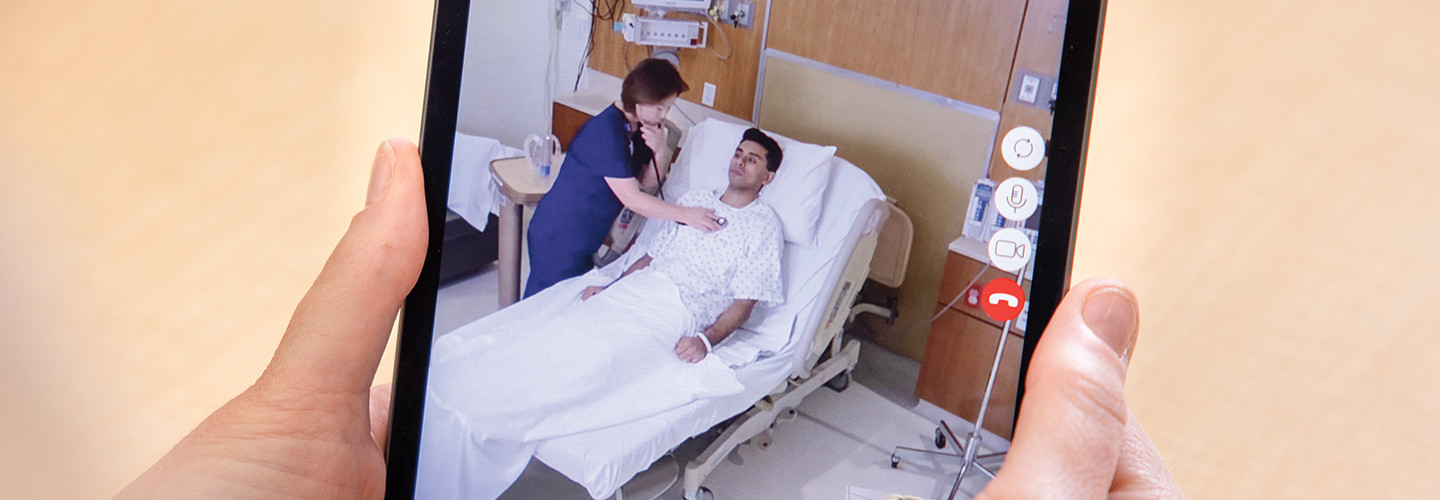
- Supporting telehealth and remote consultations.
If you ask “are there cameras in hospital rooms?” the short answer is yes in some places, but not everywhere. Policies vary by facility, unit, and state. Hospitals balance safety with privacy. They also weigh legal rules and patient trust.

Types of cameras and typical placement
Hospitals use several camera types. Each type serves a different purpose.
Common camera types:
- Fixed ceiling cameras focused on room entry or general view.
- Pan-tilt-zoom cameras that can be adjusted by staff for wide coverage.
- Doorway or hallway cameras that monitor traffic, not a room’s interior.
- Bedside or over-bed cameras in high-risk units like ICU for monitoring.
- Portable or wearable cameras for certain procedures or mobile staff.
Placement varies. Many rooms have no interior cameras. When cameras exist, they are often placed to monitor the doorway or the patient bed area. Cameras in bathrooms are almost always prohibited. Always check with staff about the exact placement if you have concerns about a specific location.
Legal framework and patient privacy
Privacy rules shape whether are there cameras in hospital rooms. In the U.S., HIPAA focuses on protecting health information. Video that captures care may fall under these protections. Hospitals must handle recorded footage carefully.
Key legal points:
- Hospitals usually need a lawful basis to record. Consent may be required.
- Audio recording often faces stricter limits than video. Many places ban audio without consent.
- State laws can add requirements. Some states require notice or written consent.
- Hospitals must secure footage to meet privacy and data security rules.
Hospitals typically post signs if public-area cameras are in use. If a camera records clinical care, many facilities include the practice in admission materials or consent forms. Transparency builds trust.

Benefits and risks
Cameras bring clear benefits. They can save lives and improve care. But they also bring risks that hospitals must manage.
Benefits:
- Faster detection of falls and emergencies.
- Objective records for training and incident review.
- Protection for staff and patients against violence or abuse.
- Support for remote monitoring in understaffed units.
Risks:
- Privacy intrusion and loss of dignity for patients.
- Potential misuse of footage by staff or third parties.
- Cybersecurity risks if systems are not secured.
- Over-reliance on cameras in place of good staffing and care.
Hospitals mitigate risks with policies. These include limited access to footage, short retention times, and strict auditing. If you worry about privacy, ask how the facility stores and uses recordings.
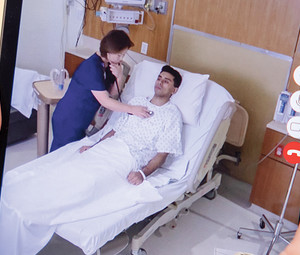
How to know if there are cameras in your room
Finding out whether are there cameras in hospital rooms is often straightforward. Ask early and ask clearly.
Steps to check:
- Ask admissions or nursing staff directly if cameras are present.
- Look for posted signs near entrances or in the room.
- Inspect the ceiling and corners for camera housings or domes.
- Read admission paperwork and the facility privacy policy.
- Ask whether audio is recorded as well as video.
From personal experience, I once noticed a small dome camera near a room door. I asked the nurse. She explained it was for hallway safety and did not record audio. The staff was open and explained the policy. Being direct usually gets a clear answer.

Best practices for patients and families
If you are concerned about cameras, follow these steps. They are practical and protect your rights.
Practical steps:
- Ask for written policy about filming and footage access.
- Request camera removal or coverage if you feel exposed.
- Document any concerns in the medical record and with patient relations.
- Limit sensitive activities in view of cameras, such as changing clothing.
- Use curtains, privacy screens, or request a private room when possible.
If you find unnotified recording, ask to speak with patient relations or the privacy officer. Keep a calm, factual record of what you observed. Most hospitals want to resolve privacy concerns quickly.

PAA-style questions
-
Can hospitals record patients without consent?
Hospitals often need a legal basis or patient consent to record clinical care. Rules vary by state and facility. -
Will camera footage be shared outside the hospital?
Footage sharing is usually limited to care, quality review, or legal needs. External sharing typically requires strict safeguards or legal orders. -
Are bathroom cameras allowed?
Bathrooms and showers are almost always off-limits for cameras. Recording there is a major privacy violation in most places.
Frequently Asked Questions of are there cameras in hospital rooms
Are there cameras in ICU rooms?
Many ICUs use cameras for continuous monitoring, especially for high-risk patients. Cameras are used to ensure rapid response and to support remote specialists.
Do hospitals record audio in patient rooms?
Audio recording is more restricted than video in most places. Facilities usually require explicit consent for audio and disclose it in policy documents.
Can I refuse to be recorded?
Yes, you can ask to refuse or limit recording. Hospitals will review the request and may offer alternatives like repositioning or turning off nonessential cameras.
Who can access camera footage?
Access is limited to authorized staff such as quality teams, risk managers, and compliance officers. Access is logged and audited in reputable facilities.
How long is footage kept?
Retention varies. Some hospitals keep footage for days, others for weeks, depending on policy, incident needs, and legal obligations.
What should I do if I find an undisclosed camera?
Report it immediately to nursing leadership or patient relations. Ask for the footage to be reviewed and request official documentation of the incident.
Can family members record in a hospital room?
Family members may record themselves, but hospitals often have rules to protect other patients and staff. Check facility policy and get consent from anyone being recorded.
Conclusion
Cameras are present in many hospitals, but use and placement vary widely. You have rights and options. Ask questions, read policies, and request privacy when needed. If a camera makes you uncomfortable, speak up calmly and document the issue.
Takeaway: Be informed and proactive. Talk with staff about camera use when you are admitted. If something feels wrong, escalate to patient relations. If this topic matters to you, subscribe for updates or leave a comment with your experience.

Jamie Lee is a seasoned tech analyst and writer at MyTechGrid.com, known for making the rapidly evolving world of technology accessible to all. Jamie’s work focuses on emerging technologies, product deep-dives, and industry trends—translating complex concepts into engaging, easy-to-understand content. When not researching the latest breakthroughs, Jamie enjoys exploring new tools, testing gadgets, and helping readers navigate the digital world with confidence.