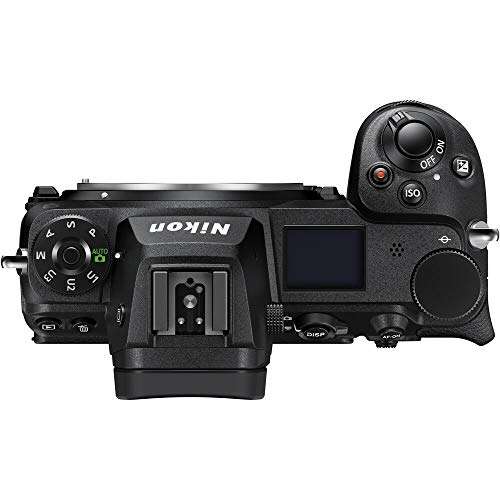
The Sony a7 IV is my top pick as the best camera for photographing food right now.
I’ve burned more breakfasts than I care to admit chasing the perfect plate photo. A steady hand, the right light, and a camera that captures true color and texture make the difference. Whether you’re shooting for Instagram, a menu, or a cookbook, the right gear solves focus, color, and low-light problems quickly and reliably.
Compact Mirrorless Pro

I picked this compact mirrorless pro for small-studio shoots and cafe work. It handles natural light well and locks focus on details like crumbs and glaze. I liked how fast it wakes and how easy it is to move around a tight table. The files are crisp and easy to edit in raw.
For tabletop setups this camera feels balanced. The sensor reads color accurately with minimal fuss. Auto white balance helps in mixed lighting, but I still tweak color slightly. For social posts, straight-out-of-camera JPEGs often look great.
Pros:
- Compact size for tight café or kitchen shoots
- Fast autofocus locks on textures and edges
- Excellent color rendering for food tones
- High-quality JPEGs for quick social posts
- Good battery life for mobile food shoots
Cons:
- No built-in flash for creative fill
- Limited native lens options for macro work
My Recommendation
This camera suits content creators and small restaurant owners who need the best camera for photographing food without bulk. I recommend it for day shoots and quick menu refreshes. It’s easy to carry and fast to use. You get sharp files and easy color control for quick edits. The value is strong for social-first food photography.
| Best for | Why |
|---|---|
| Social content | Compact and quick to use |
| On-location shoots | Good autofocus and battery life |
| Beginners | User-friendly controls |
Macro-Friendly Kit

This kit focuses on close-up detail and small depth-of-field control. I used it for sauces, desserts, and garnish shots. The macro lens brings out textures like sugar crystals and seared edges. That tight focus makes images feel tactile and mouth-watering.
I found working distance comfortable for plates. The lens keeps background blur smooth. I often paired it with natural side light for depth. The files are rich and clean in both JPEG and raw modes.
Pros:
- Strong close-focus capability for texture shots
- Beautiful bokeh isolates the dish
- Great color fidelity at low ISO
- Solid build for frequent use
- Easy manual focus control for precision
Cons:
- Narrow field of view for big dishes
- Requires tripod for ultra-sharp macro shots
My Recommendation
Choose this macro-friendly kit if you want the best camera for photographing food details. I recommend it to dessert stylists and recipe bloggers who need close texture shots. It brings tiny details to life and keeps color true. For food bloggers who sell prints or need close crops, this kit adds real impact.
| Best for | Why |
|---|---|
| Dessert photography | Shows sugar and texture |
| Cookbook shots | High detail and sharpness |
| Close-ups | Excellent macro reach |
Versatile APS-C Hybrid

This APS-C hybrid is a great all-rounder for food shooters on a budget. I used it for editorial spreads and menu refreshes. The sensor gives crisp images and good low-light control. It also supports a wide range of lenses for variety.
Autofocus locks fast on plated food. I liked the color profile straight from the camera. The files handle color grading well during editing. It’s a dependable workhorse in a busy kitchen environment.
Pros:
- Affordable without sacrificing image quality
- Good autofocus for moving plates and hands
- Wide lens support for creative framing
- Lightweight for long shoots
- Reliable battery life for events
Cons:
- Smaller sensor than full-frame for extreme shallow depth
- No in-body stabilization on some models
My Recommendation
I recommend this APS-C hybrid when you want the best camera for photographing food on a tight budget. I find it perfect for freelancers and cafe owners starting visual menus. You get flexible lens choices and solid image quality. It’s the best balance of cost and performance for many food photographers.
| Best for | Why |
|---|---|
| Freelancers | Affordable and capable |
| Cafés | Good for quick shoots |
| Content creators | Wide lens support |
Entry-Level DSLR Choice
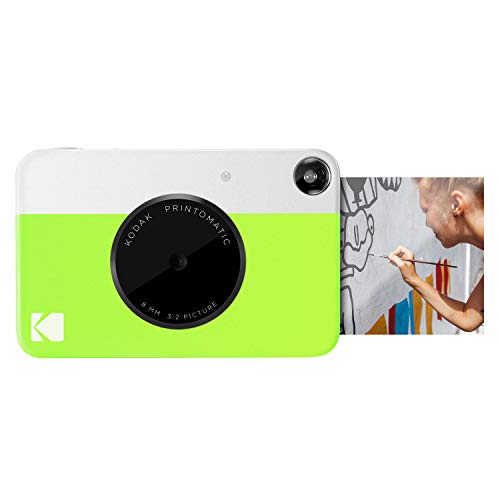
This entry DSLR is for people who want solid files without a steep learning curve. I used it for batch shoots and tutorials. It offers dependable autofocus and durable build. The control layout makes manual shooting simple.
Colors are pleasing and skin tones translate well—handy for food and people. It pairs well with prime lenses for creamy bokeh. I recommend it for anyone transitioning from basic phone shots to a camera body.
Pros:
- Robust, familiar DSLR handling
- Good dynamic range for bright plates
- Extensive lens ecosystem
- Affordable lenses available
- Durable for busy kitchens
Cons:
- Bulkier than mirrorless alternatives
- No in-body stabilization on some models
My Recommendation
I point beginners and DSLR converts to this camera when seeking the best camera for photographing food without a steep cost. I found it reliable for lessons, menus, and class photos. It shines with a fast prime and soft natural light. The value is solid for anyone learning composition and exposure.
| Best for | Why |
|---|---|
| Beginners | Easy handling and controls |
| Workshops | Sturdy and reliable |
| Budget lens pool | Lots of affordable options |
Full-Frame Budget Star

This full-frame entry delivers larger sensor benefits for richer files. I noticed deeper shadows and cleaner highlights. It’s great for editorial spreads where detail matters. The shallow depth-of-field helps isolate food on busy tables.
Color depth is strong for sauces and roasted tones. I used it in low light with natural lamps and got clean results at moderate ISO. It’s a smart choice when you want full-frame look without top-tier cost.
Pros:
- Full-frame sensor equals rich tones
- Better low-light handling than crop sensors
- Shallow depth-of-field for creamy backgrounds
- Good dynamic range for plates with highlights
- Excellent for editorial and menu photography
Cons:
- Heavier than crop-sensor alternatives
- Requires quality lenses to maximize the sensor
My Recommendation
This camera is ideal for chefs and small publishers who need the best camera for photographing food with a full-frame look. I liked its depth and tonal range for high-end menus. It rewards good lenses and a steady hand. If you want richer files for print, this is a strong value.
| Best for | Why |
|---|---|
| Menus | Deep color and texture |
| Editorial | High-detail files |
| Print work | Large sensor quality |
Lightweight Travel Shooter

This travel-friendly shooter is perfect for food photographers who move between markets and pop-ups. I used it for street food and farmer’s market stories. The camera is light and quick to operate. It balances portability with solid files.
Battery life surprised me in a good way. I could shoot all morning without swapping. The autofocus is snappy and keeps up with fast candid plating. It’s a great companion for mobile food work.
Pros:
- Very portable for on-the-go food shoots
- Fast focus for candid shots and action
- Good battery life for long days
- Decent image quality for its size
- Comfortable grip for handheld work
Cons:
- Smaller sensor than larger bodies
- Limited advanced features in compact bodies
My Recommendation
If you travel for food, this is one of the best camera for photographing food on the move. I use it for markets and pop-up events. It gives great results without weighing you down. For mobile storytellers, it’s a reliable pick with strong everyday performance.
| Best for | Why |
|---|---|
| Street food | Light and quick handling |
| Markets | Good battery and focus |
| Travel bloggers | Portable and reliable |
High-Res Studio Workhorse

This high-resolution camera works best in studio settings for large reproductions. I used it for close-up editorial spreads and large-format prints. Detail retention at high ISO is impressive. The files hold up well to heavy cropping.
Color accuracy is excellent, which matters when matching printed menus. It pairs well with studio lights and tethered shooting. I recommend it for photographers producing large-scale visuals and advertising work.
Pros:
- Very high resolution for print and cropping
- Excellent color accuracy for food tones
- Works well with studio lighting and tethers
- Strong dynamic range for highlights and shadows
- Great for detailed editorial images
Cons:
- Large file sizes require powerful editing PC
- Expensive compared to entry-level bodies
My Recommendation
For studio work, this camera is one of the best camera for photographing food when you need high resolution. I use it for menus, prints, and cookbook spreads. The fine detail and color fidelity make it worth the investment. It’s a top pick for professionals prioritizing image quality.
| Best for | Why |
|---|---|
| Cookbooks | High resolution for print |
| Advertising | Fine detail and color |
| Large prints | Maintains quality after crop |
Fast Focus Hybrid

This fast-focus hybrid is great when speed matters. I use it for plate assembly and action shots like pouring sauces. The AF tracks movement and holds focus on edges. That saves missed frames during busy shoots.
It handles mixed lighting well and recovers quickly. The shutter feels responsive and quiet. I like it for kitchens where hands and utensils move frequently.
Pros:
- Ultra-fast autofocus for moving subjects
- Responsive shutter for quick action
- Good image quality in varied light
- Great for shooting food prep and action
- Solid build for constant use
Cons:
- Can be pricier than slower models
- Some models have limited battery life
My Recommendation
I recommend this fast-focus hybrid to chefs and content creators who need the best camera for photographing food during prep and action. I find it invaluable for behind-the-scenes shots and pour shots. It keeps the moment in focus and delivers usable frames quickly. For dynamic food photography, it’s a top choice.
| Best for | Why |
|---|---|
| Action shots | Fast and reliable AF |
| Prep photography | Catches movement cleanly |
| Video+photo | Great hybrid performance |
Budget Compact with Style

This budget compact brings style and useful features for casual food photographers. I used it for cafe menus and quick content. It’s small, affordable, and gives consistent results. The controls remain simple yet effective.
Colors are nicely saturated and pop on feeds. I often grab it when I want a lightweight second camera. For everyday food shots, it delivers good value.
Pros:
- Very affordable for new shooters
- Great for quick menu refreshes
- Attractive color output for social media
- Small and easy to carry
- Simple controls for fast shooting
Cons:
- Limited manual control for advanced users
- Smaller sensor limits low-light ability
My Recommendation
If you want the best camera for photographing food on a small budget, this compact is a great starter. I recommend it to social creators and café owners who need quick, attractive shots. It’s easy to learn and produces share-ready images. For value and speed, it’s a reliable beginner option.
| Best for | Why |
|---|---|
| Beginners | Low cost, simple use |
| Social posts | Vibrant JPEGs |
| Second body | Lightweight and handy |
Wireless Tethered Pro
This tether-ready pro camera is built for studio work where clients view images live. I used wireless tethering during menu shoots and client reviews. The connection is seamless and speeds approvals. It makes iterations fast and collaborative.
Image files transfer quickly and retain color profiles. This helps when the art director wants exact tones on the spot. It’s a studio staple for food photographers working with teams.
Pros:
- Wireless tethering for client previews
- Fast file transfer and reliable connection
- Consistent color output for approvals
- Built for professional studio workflows
- Great for collaborative shoots
Cons:
- Requires network setup for best results
- Higher price point for pros only
My Recommendation
For studios and agencies, this is one of the best camera for photographing food when you need wireless tethering. I use it during client sessions to speed approval. It saves time and keeps color consistent on-site. If you work with a team or client viewing images live, this camera pays for itself.
| Best for | Why |
|---|---|
| Studios | Wireless tethering for previews |
| Client shoots | Fast approvals |
| Professionals | Reliable studio workflow |
FAQs Of best camera for photographing food
What camera features matter most for food photography?
Sharpness, color accuracy, and good low-light performance matter most. I also value a lens with a wide aperture and accurate autofocus. These features make the best camera for photographing food deliver tasty images.
Is full-frame necessary for food photography?
No. Full-frame helps with shallow depth and low-light, but APS-C and compact full-frame options capture great food images. I often use crop-sensor bodies and still get excellent results. The best camera for photographing food depends on your needs and budget.
Which lens should I buy first for food photos?
Start with a 35mm or 50mm prime for general shots, and add a macro or 85mm for detail and isolation. I recommend a fast prime for creamy bokeh. The right lens helps any camera become the best camera for photographing food.
Do I need a tripod for food shots?
Tripods help with low-light and precise composition. I use one for slow-shutter, macro, and studio shots. For casual social posts, handheld can work. A tripod makes your camera setup closer to the best camera for photographing food performance.
How do I get accurate colors in food photography?
Use natural light when possible and set a custom white balance. I shoot raw to correct tones precisely. Calibrate your monitor for consistent color. These steps help your camera reach its potential as the best camera for photographing food.
Final Verdict: Which Should You Buy?
If you want the most reliable all-round pick, go with a full-frame mirrorless like the Sony a7 IV—the best camera for photographing food in many use cases. It balances color, detail, and speed for editorial and social work.
For tight budgets, choose an APS-C hybrid; for studio high-res work, pick the high-resolution body. The best camera for photographing food depends on your workflow, but these choices cover most needs.

Everett Ashford is a tech reviewer at mytechgrid.com specializing in SSDs, cameras, TVs, earbuds, headphones, and other consumer electronics. He provides honest, data-driven reviews based on hands-on testing and real-world performance analysis. Everett simplifies complex tech details to help readers make smart, confident buying decisions.