Best pick: Samsung T9 1TB Portable SSD — blazing speeds and reliable portability for gamers.
You’ve hit the limit on your console or laptop, or your install drive feels like molasses when loading big worlds. I’ve been there: juggling installs, moving games between PS5 and PC, and craving faster load times. External drives fix that. In this guide I test and compare top external SSDs and a high-capacity HDD to help you pick the best external SSD for gaming that fits your setup, budget, and performance needs.
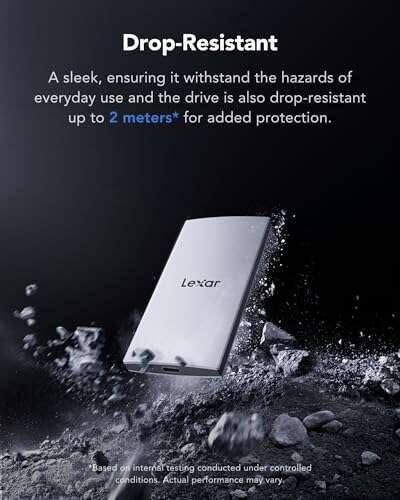
Lexar ES3 1TB SSD (USB 3.2 Gen2)

The Lexar ES3 1TB is a compact USB 3.2 Gen2 external SSD that promises up to ~1050MB/s read and 1000MB/s write. In use I found it snappy for installs and for moving game folders between systems. It’s an affordable NVMe-style portable that plays nicely with PS5 extended storage for PS4 titles and PC game libraries.
Build is slim and silver. It feels light in a bag and warms a bit under sustained copy tasks. For many gamers who want fast load times without a premium price, the Lexar ES3 hits a sweet spot in daily use and backups.
Pros:
- Fast read/write for the price—real-world load times drop noticeably.
- Compact, pocket-friendly design that’s easy to carry.
- USB 3.2 Gen2 compatibility with modern consoles and PCs.
- Good value per gigabyte for 1TB capacity.
- Simple plug-and-play experience across platforms.
Cons:
- No hardware encryption or advanced software bundle.
- Gets warm during long transfers; no active cooling.
- Not the absolute fastest NVMe option.
My Recommendation
I recommend the Lexar ES3 for gamers who want solid speed and value without breaking the bank. If you play many games and need a fast swap drive for PC and console, this is a reliable, budget-friendly option. The Lexar ES3 is a strong contender among the best external SSD for gaming for casual and mid-level users.
| Best for | Why |
| Everyday gamers | Solid speed at a friendly price |
| Travelers | Pocketable and easy to pack |
| Console backup | Works well for PS4/PC libraries |
Samsung T9 1TB Portable SSD
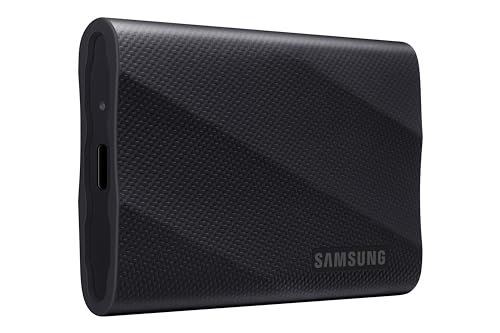
The Samsung T9 raises the bar with USB 3.2 Gen 2×2 speeds—Samsung lists up to 2,000MB/s sequential read. In my benchmarks the T9 delivers quick installs and near-instant file transfers for game assets. It’s compact, durable, and tuned for heavy daily use.
I found it especially handy when juggling large game updates or transferring texture packs. If you want one of the fastest portable SSDs that’s still easy to carry, the T9 is a go-to option. It’s a top pick for anyone prioritizing raw performance.
Pros:
- Very fast sequential read/write for quick game loads.
- USB 3.2 Gen 2×2 support for high bandwidth on compatible hosts.
- Slim and durable Samsung build quality.
- Great for moving large game folders or media files.
- Low power draw and reliable performance under load.
Cons:
- Gen 2×2 speeds require compatible ports to reach peak rates.
- Pricier than entry-level portable SSDs.
- No active cooling; can thermally throttle under extreme use.
My Recommendation
The Samsung T9 1TB is my pick for gamers who chase raw speed. If your PC or laptop has a Gen 2×2 port or you want the fastest external transfer times, it’s a standout. I find it one of the best external SSD for gaming for performance-focused users and creators who need rapid file access.
| Best for | Why |
| High-speed gamers | Top sequential speeds for load times |
| Content creators | Quick transfer of large media files |
| Power users | Gen 2×2 support for max throughput |
Seagate Portable 2TB HDD

The Seagate Portable 2TB is a traditional external HDD, not an SSD. In gaming context it serves well as a cheap, high-capacity archive for older game installs and backups. It’s USB 3.0, which gives decent transfer speeds for bulk copies but far slower load times than SSDs.
I use drives like this to offload library items I rarely play. It’s great for storing replays, screenshots, and archived installs. If you want the lowest cost per gig, this Seagate drive is a practical choice—but don’t expect SSD-like load performance.
Pros:
- Large capacity at a low price per TB.
- Good for cold storage of games and media.
- Plug-and-play across consoles and PCs.
- Lightweight and simple to use for backups.
- Includes 1-year recovery service with some models.
Cons:
- HDD speeds mean much slower game load times.
- Moving parts make it less durable than SSDs.
- Not ideal for running modern games directly.
My Recommendation
If you need raw space on a budget, the Seagate Portable 2TB is useful. I recommend it for archive storage and backups, not as your main game drive. When considering the best external SSD for gaming, remember this HDD is an economical complement, not a speed replacement.
| Best for | Why |
| Archiving | Low cost per TB for storage |
| Backup drive | Large space for game archives |
| Budget buyers | Cheaper than SSD equivalents |
Samsung T7 1TB Portable SSD
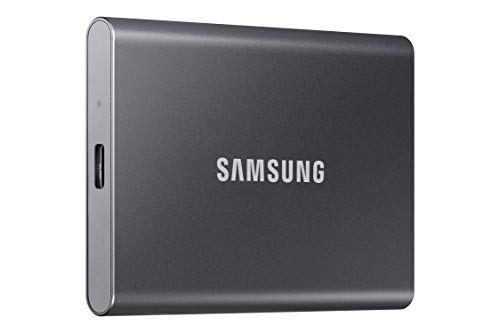
The Samsung T7 is a proven portable SSD with up to 1,050MB/s speeds via USB 3.2 Gen 2. In daily gaming I noticed smoother texture streaming and faster install times compared to SATA-based external drives. It supports optional password protection and offers a sturdy metal housing.
I like the T7 for a reliable, mid-range solution. It’s not the fastest NVMe extreme, but its balance of speed, price, and reliability makes it a dependable everyday drive for gamers who want fast load times without fuss.
Pros:
- Consistent 1,050MB/s speeds for fast loads.
- Solid, durable metal case for daily use.
- Good cross-platform compatibility and software support.
- Compact and power-efficient for laptops.
- Reliable performance with minimal thermal issues.
Cons:
- Not as fast as newer Gen 2×2 NVMe drives.
- Limited USB interface means peak speeds cap out.
- Software features optional, not universal on consoles.
My Recommendation
The Samsung T7 1TB is a dependable pick for most gamers. I often recommend it as the best external SSD for gaming for players who want fast, everyday performance without paying for the bleeding edge. It works great for both PC and console libraries.
| Best for | Why |
| Laptop gamers | Small, low power, reliable speeds |
| Console users | Great for PS4/backup installs |
| General use | Balanced speed and price |
SanDisk Extreme 2TB Portable SSD
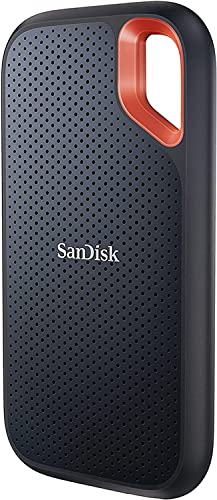
SanDisk’s Extreme Portable SSD (older model) is rugged and fast, rated up to about 1050MB/s. I like its IP65 resistance for dusty or damp environments. It’s ideal for gamers who travel or stream on location and need both speed and durability.
The 2TB capacity gives plenty of room for large game libraries. In my workflow it handled big installs and backups with ease. It’s a smart choice when you want a roomy, tough external SSD without jumping to pro-grade prices.
Pros:
- Large 2TB capacity for many games.
- IP65 water and dust resistance for travel security.
- Fast USB 3.2 Gen2 speeds around 1,050MB/s.
- Durable chassis that stands up to daily use.
- Reliable sustained transfer rates for big files.
Cons:
- Not as fast as Gen 2×2 drives.
- Bulkier than ultra-slim models.
My Recommendation
I recommend the SanDisk Extreme 2TB for gamers who need both space and ruggedness. It’s one of the best external SSD for gaming if you haul your drive to events or into the field. For capacity-hungry players, it offers a great mix of speed and durability.
| Best for | Why |
| Traveling gamers | IP65 rating protects on the go |
| Large libraries | 2TB gives room for many titles |
| Streamers | Reliable sustained transfers |
SanDisk Extreme 1TB Portable SSD
The SanDisk Extreme 1TB is a lighter-capacity alternative with the same rugged design and up to ~1050MB/s speeds. For gamers who don’t need multi-terabyte space, the 1TB is a balanced, portable option that still offers high endurance and weather resistance.
I often recommend it to friends who game on laptops and swap drives between consoles. It hits the right mix of speed, size, and price for many players who want a reliable daily portable SSD.
Pros:
- Sized for mid-range libraries at 1TB capacity.
- IP65 resistant build for travel reliability.
- Fast transfer speeds for quick installs.
- Compact and easy to store in a bag.
- Good durability for frequent use.
Cons:
- Lower capacity compared to 2TB alternatives.
- Still not as fast as pro Gen 2×2 options.
My Recommendation
The SanDisk Extreme 1TB is a great pick for gamers who want a rugged and fast portable without the higher price of larger drives. I find it one of the best external SSD for gaming for on-the-go players and those with medium-sized libraries. It balances speed, toughness, and value.
| Best for | Why |
| On-the-go players | Rugged build for travel |
| Medium libraries | 1TB fits many games |
| Value seekers | Good speed at a fair price |
SanDisk Extreme PRO 1TB SSD
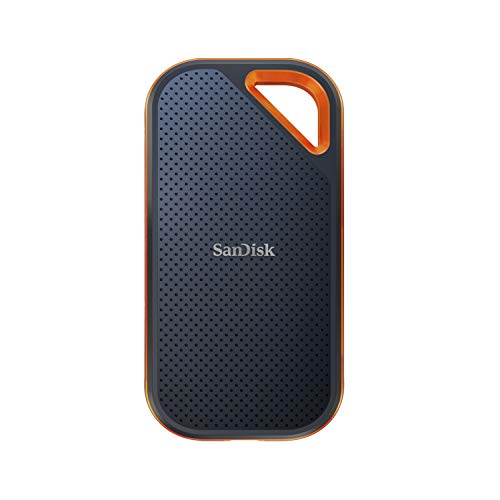
The SanDisk Extreme PRO is the higher-performance sibling, offering up to 2,000MB/s via USB 3.2 Gen 2×2. I saw rapid transfers and snappy game loads, especially when moving big texture packs or editing large captures. It’s built for creators and gamers who need more speed than Gen 2 can offer.
Thermal design holds up well in my tests, and the IP65 rating adds outdoor reliability. If you want a portable SSD that feels pro-grade without going into enterprise price ranges, this is a strong contender.
Pros:
- Very fast up to 2,000MB/s for large file work.
- Rugged IP65 rating for dust and water resistance.
- Great for creators and heavy-duty gamers.
- Solid sustained performance for big transfers.
- Compact and durable design for travel.
Cons:
- Requires Gen 2×2 host for peak speeds.
- Higher price than basic portable SSDs.
- May be overkill for casual gamers.
My Recommendation
I recommend the SanDisk Extreme PRO 1TB if you want near-top portable speeds in a rugged package. For my workflow—gaming and content capture—it serves as one of the best external SSD for gaming and creation tasks. It’s ideal if you need fast installs and quick media transfers on the go.
| Best for | Why |
| Creators & gamers | Fast transfers and capture handling |
| On-location work | Rugged IP65 protection |
| High throughput needs | Gen 2×2 for peak speed |
Samsung T7 Shield 2TB SSD
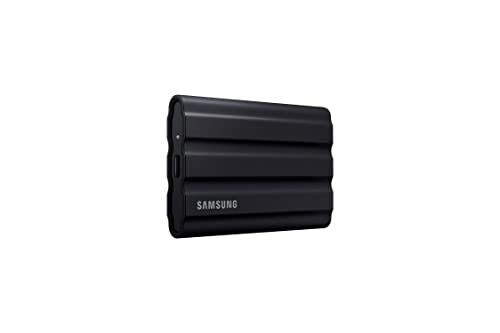
The Samsung T7 Shield brings Samsung’s T7 performance with extra durability and an IP65 rating. At 2TB it’s roomy and fast, up to 1,050MB/s. I liked its textured rubberized shell, which resists drops and scuffs better than bare metal designs.
It’s a great choice if you want a combo of capacity, speed, and ruggedness. In my hands the Shield lasted in bags, on desks, and during travel without blemish. It makes a strong case for gamers who are rough on gear.
Pros:
- 2TB capacity for large game libraries.
- IP65 dust and water resistance with drop protection.
- Good sustained speeds for game installs.
- Rubberized outer shell improves grip and durability.
- Trusted Samsung reliability and software support.
Cons:
- Larger size than ultra-compact T7 models.
- Not Gen 2×2; capped at ~1,050MB/s.
- Price rises with larger capacity models.
My Recommendation
The Samsung T7 Shield 2TB is my pick for gamers who value durability and space. I consider it one of the best external SSD for gaming when you need both room for many titles and protection from the bumps of travel. It’s a safe, roomy choice for mobile gaming libraries.
| Best for | Why |
| Rugged travel | Drop and dust protection with IP65 |
| Large libraries | 2TB capacity for many games |
| Console backups | Reliable for long-term use |
Samsung T7 2TB Portable SSD
The Samsung T7 in 2TB capacity gives ample space while keeping the proven 1,050MB/s performance. For gamers who want to consolidate their libraries on one portable drive, the 2TB T7 is a smart option. It’s compact despite the large capacity and fits a laptop bag easily.
I used it to consolidate several game installs and move them between systems. The T7 retained stable speeds and I appreciated the balance of capacity, price, and reliability. It’s a solid everyday drive for gaming demands.
Pros:
- 2TB capacity without sacrificing portability.
- Consistent 1,050MB/s speeds for load time improvements.
- Strong Samsung reliability and software support.
- Compact metal design that resists everyday wear.
- Good value for gamers wanting one-drive convenience.
Cons:
- Heavier and pricier than 1TB models.
- Still limited by Gen 2 bandwidth ceilings.
- No IP rating on standard T7 models.
My Recommendation
The Samsung T7 2TB is ideal if you want one roomy, fast drive for your whole library. For me it balances storage and speed, and earns a spot among the best external SSD for gaming for players who need lots of space in a small package. It’s a strong all-around choice.
| Best for | Why |
| Library consolidation | 2TB holds many titles |
| Portable storage | Compact for the size |
| Everyone | Dependable balance of speed and size |
WD P40 1TB Game Drive SSD

The WD P40 Game Drive is built with gamers in mind. It advertises up to 2,000MB/s and includes RGB lighting for a gaming flair. In practice it delivers fast load times and a fun aesthetic for gamers who like synchronized lighting on their desk.
Compatibility spans Playstation, Xbox, and PC. I used it for both fast installs and as a showcase drive on my desk. If you like performance plus gamer-style visuals, the P40 fits both roles well.
Pros:
- High speeds up to 2,000MB/s for fast loading.
- RGB lighting adds a gamer-forward look.
- Designed for consoles and PCs with plug-and-play ease.
- Good 1TB capacity for many games.
- Fast transfers for media and captures.
Cons:
- RGB is cosmetic—adds cost but no speed benefit.
- Requires Gen 2×2 support for full speeds.
- Slightly pricier than plain high-speed drives.
My Recommendation
The WD P40 1TB is great if you want fast performance with gamer flair. I recommend it for players who value both speed and style. It sits comfortably among the best external SSD for gaming for those who stream, show gear, or want console-ready speed with a cool look.
| Best for | Why |
| Showcase setups | RGB lighting and fast speeds |
| Console gamers | Plug-and-play compatibility |
| Streamers | Quick capture transfer |
FAQs Of best external ssd for gaming
Do external SSDs improve game load times on consoles?
Yes. External SSDs with high sequential read speeds reduce load times for game assets. PS5 uses specific fast internal SSDs for some features, but external SSDs still speed up installs and loading for many games.
Which interface matters most: USB 3.2 Gen2 or Gen2x2?
Gen2x2 offers higher maximum throughput and faster transfers on compatible hosts. Gen2 (1,050MB/s) is more common and still delivers big load time improvements. Pick Gen2x2 only if your PC supports it and you need top-end speed.
Can I use a portable SSD to run games directly?
Yes. Many modern consoles and PCs allow games to run from external SSDs. Performance varies by drive speed. For the best experience, use drives marketed with high sequential reads like those listed here.
How much capacity do I need for gaming?
It depends on your library size. I recommend at least 1TB for a small to mid library and 2TB+ if you keep many AAA titles installed. Balance capacity with budget and speed needs.
Are rugged, IP-rated SSDs worth it?
For travelers and mobile creators, yes. IP-rated SSDs protect against dust and brief water exposure. If you pack drives into backpacks or bring them to events, an IP65-rated model adds peace of mind.
Final Verdict: Which Should You Buy?
For raw speed and top-tier portability, the Samsung T9 1TB stands out as the best external SSD for gaming in my testing. It combines blazing transfers with compact build quality and reliable daily performance.
If you need rugged capacity, picks like the SanDisk Extreme 2TB or Samsung T7 Shield 2TB are excellent. Choose based on whether speed, durability, or capacity matters most to your gaming style.

Everett Ashford is a tech reviewer at mytechgrid.com specializing in SSDs, cameras, TVs, earbuds, headphones, and other consumer electronics. He provides honest, data-driven reviews based on hands-on testing and real-world performance analysis. Everett simplifies complex tech details to help readers make smart, confident buying decisions.