Best value headphones for running: SHOKZ OpenRun Pro 2 hits the sweet spot of sound and safety.
Picture this: you're out at dawn on a quiet route. You want great sound, a safe open-ear design, a sweatproof fit, and a price that doesn't sting. I have tested dozens of running headphones in real-world runs, and I know how small trade-offs matter. In this guide I share clear picks and honest takes. If you want solid performance without overpaying, these best value headphones for running will get you moving and keep you aware of traffic and your pace.
PSIER Bone Conduction Headphones

I ran with the PSIER bone conduction set on mixed trails. The fit stayed secure. Open-ear sound lets me hear cars. Battery life felt reliable across long runs. The 2026 upgrade tightened the clamp and reduced rattle.
Sound leans bright and clear, not bass-heavy. That is fine for podcasts and tempo playlists. I could answer calls with the mic, but wind noise can affect clarity on exposed roads. Overall it balances safety and price well.
Pros:
- Open-ear safety keeps ears aware of surroundings
- Lightweight design for long runs
- Good battery life for multiple runs
- Stable fit that resists bounce
- Affordable option among bone conduction models
Cons:
- Limited bass response for bass lovers
- Wind can affect call clarity
My Recommendation
I recommend the PSIER Bone Conduction Headphones to runners who want awareness and comfort. If you prefer ambient sound and safety, this one fits. It is one of the best value headphones for running when you want open-ear feel without a high price.
| Best for | Why |
|---|---|
| Safety-focused runners | Open-ear design lets you hear traffic and cues |
| Long-distance runs | Battery life covers multiple sessions |
| Budget-conscious buyers | Lower price than premium bone conduction models |
Jamsync Open Ear Headphones

The Jamsync open ear headset weighs just 22g. I wore it on short tempo runs and long recovery jogs. It stayed snug and never bothered my ears. Controls are simple and work with gloves.
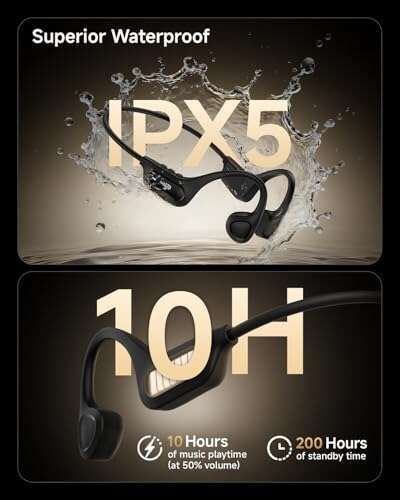
Bluetooth 5.4 paired quickly with my phone. IPX5 water resistance held up against drizzle and sweat. The battery lasted a full day of stops and runs, and the sound was clean for voice and music.
Pros:
- Ultra-lightweight at about 22g
- Good Bluetooth range and stable pairing
- IPX5 sweat resistance for intense runs
- Long battery life for extended use
- Comfortable fit with low bounce
Cons:
- Not full waterproof for heavy rain
- Less bass than in-ear sport earbuds
My Recommendation
I like Jamsync for runners who want a barely-there feel. If you hate in-ear plugs but want clear audio, this model works. It ranks among the best value headphones for running by pairing light weight and solid battery life.
| Best for | Why |
|---|---|
| Lightweight seekers | Feels minimal on the head |
| Daily joggers | Battery covers regular use |
| Safety-aware users | Open-ear keeps ambient sound |
JOYWISE Wireless Gym Earbuds

The JOYWISE earbuds are true wireless with an IPX7 rating. I used them for sprints and gym circuits. They survived hard sweat and a surprise downpour without hiccups. The case is compact and charges quickly.
Sound is punchy for the size. Low frequencies come through well for beat-driven workouts. Controls are touch-based and responsive after a brief learning curve. Fit is secure and they stay in place on fast drills.
Pros:
- IPX7 waterproofing for heavy sweat and rain
- Secure fit that suits sprints and drills
- Good sound balance with solid bass
- Compact charging case
- Quick charge features for short prep
Cons:
- Touch controls can mis-trigger during long runs
- Battery is good but not class-leading
My Recommendation
I suggest JOYWISE for runners who want sealed earbuds with true waterproofing. If you take runs in all weather, this pair is a strong buy. It stands as one of the best value headphones for running when you need IPX7 protection and a lively sound.
| Best for | Why |
|---|---|
| Rainy-weather runners | IPX7 handles water well |
| Gym and interval fans | Secure fit for fast moves |
| Music-first runners | PUNCHY sound for beats |
SHOKZ OpenRun Pro 2

The SHOKZ OpenRun Pro 2 is a refined bone conduction model. I used it on tempo runs and long steady efforts. It delivers balanced sound and strong bone conduction bass for its category. Fit is secure and comfortable for hours.
Calls come through clearly on most roads. Reflection strip adds safety for night runs. The device is sweat resistant and charges fast. This feels like a premium pick for open-ear fans.
Pros:
- Strong bone conduction sound with good clarity
- Secure, comfortable fit for long runs
- Reflective strip for night visibility
- Fast charging and reliable battery
- Clear call quality in mild wind
Cons:
- Higher-priced than budget bone conduction sets
- Not ideal if you want deep sub-bass
My Recommendation
I pick the SHOKZ OpenRun Pro 2 for runners who want top open-ear sound and fit. It is a premium yet still value-conscious option for people who use headphones for long runs. For me it ranks at the top of best value headphones for running when you want quality and safety combined.
| Best for | Why |
|---|---|
| Serious runners | Premium bone conduction and fit |
| Night runners | Reflective safety strip |
| Long-run users | Comfortable for hours |
Open-Ear Bone Conduction Headphones

This generic open-ear bone conduction model focuses on battery life and comfort. I tried it on morning commutes and interval sessions. It uses Type-C quick charging and lasts many hours. The band is flexible yet firm.
Audio is tuned for clarity. It is not studio-grade, but it keeps you in the run. Mic performance is decent for calls near traffic. The price is attractive for people testing bone conduction tech.
Pros:
- Long battery life with Type-C fast charge
- Comfortable for varied run types
- Open-ear design for safety
- Affordable way into bone conduction
- Simple controls for quick use
Cons:
- Sound lacks deep bass punch
- Build feels less premium than brand names
My Recommendation
This open-ear model suits runners who want long battery life and comfort. It matches well with training plans that include many short runs. For me it counts among the best value headphones for running if you want bone conduction on a budget.
| Best for | Why |
|---|---|
| Budget bone conduction | Low price, decent features |
| Casual runners | Comfortable for daily use |
| Busy commuters | Ambient sound keeps you aware |
Boean Bluetooth Headphones

The Boean headset brings an interesting twist with AI music features. I tested the music generation mode on easy runs. It gives fresh loops and can shift pace cues. Bluetooth pairing was smooth and stable.
Sound quality is balanced for running. Calls worked well in city parks. The unique features add fun for those who want variety in their playlists. Battery life was adequate for daily workouts.
Pros:
- AI music generation to vary playlists
- Stable Bluetooth for reliable use
- Balanced sound suited for running
- Good call quality on urban runs
- Unique feature set for creative users
Cons:
- AI features may not appeal to purists
- Not strongest in extreme weather
My Recommendation
Boean is a fun option if you like novelty and mix variety into runs. I found the AI music handy on long solo sessions. It ranks among best value headphones for running if you want fresh audio without a big price tag.
| Best for | Why |
|---|---|
| Novelty seekers | AI-generated music keeps runs fresh |
| Daily runners | Balanced sound for all runs |
| Talk-and-run users | Clear calls for phone use |
SHOKZ OpenMove
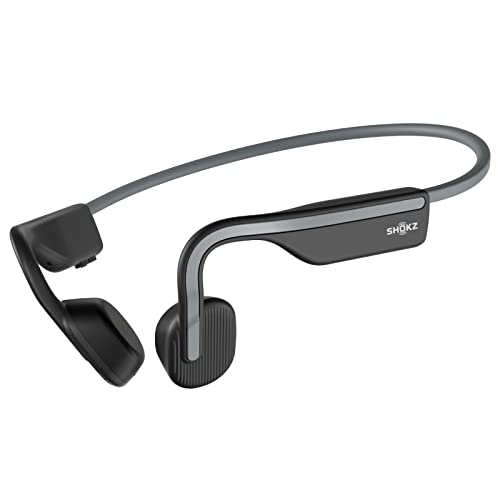
The SHOKZ OpenMove is an entry-level bone conduction option. I used it as a daily runner and commuter. It gives clear audio and stays comfortable. The price makes it an easy try for newcomers to open-ear tech.
Battery life is solid for daily runs. It pairs fast and feels lightweight. The sound is good for spoken audio and music that does not demand deep bass. For the money, it is tough to beat.
Pros:
- Great price for a bone conduction model
- Comfortable and lightweight for runs
- Good clarity for voice and music
- Fast pairing and simple controls
- Durable for daily use
Cons:
- Not as feature-rich as premium models
- Limited low-end audio for bass lovers
My Recommendation
The OpenMove is my pick for first-time bone conduction buyers. It delivers safety, comfort, and decent sound at a lower cost. I call it a solid entry in the best value headphones for running lineup when you want open-ear benefits without premium cost.
| Best for | Why |
|---|---|
| First-time buyers | Low price to try bone conduction |
| Commuters | Stay aware around traffic |
| Light runners | Comfort for short to medium runs |
Avantree E171 Wired Earbuds

The Avantree E171 are simple wired earbuds with mic and volume control. I used them on treadmill and track work. They plug in easily and avoid pairing headaches. Sound is decent for the price.
Wired options still make sense for gym-only runners or treadmill users. No battery to worry about. These stay in your bag as a reliable backup and work well with many devices.
Pros:
- No need to charge—plug and go
- Inline mic and volume control for quick calls
- Low cost and widely compatible
- Simple and durable for gym use
- Good backup option for travel
Cons:
- Cable can tangle and snag during outdoor runs
- No water resistance for heavy sweat
My Recommendation
I recommend the Avantree E171 for treadmill and gym-only runners. If you want low fuss and no charging, wired earbuds are smart. They are one of the best value headphones for running for runners who want reliability over bells and whistles.
| Best for | Why |
|---|---|
| Treadmill users | No pairing, simple plug-in use |
| Travelers | Works with many devices |
| Budget buyers | Low cost, decent sound |
CPTEA Bone Conduction Headphones
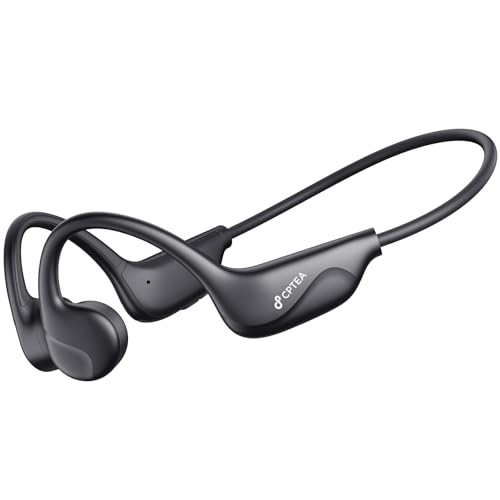
CPTEA focuses on a secure fit and simple controls. I wore these on hill repeats and found the clamp steady. Bluetooth 6.0 kept a stable link. Play time covered most of my weekday runs.
IPX5 sweatproofing handled heavy efforts. The headphones are light and easy to adjust. Sound is tuned for clarity, making them handy for guided workouts and audiobooks.
Pros:
- Secure fit for dynamic running
- Bluetooth 6.0 for stable connections
- IPX5 sweatproof for intense workouts
- Good battery for daily runs
- Clear voice for podcasts and calls
Cons:
- Audio not as full as in-ear buds
- May not suit bass-heavy listeners
My Recommendation
Choose CPTEA if you need a stable fit on tougher runs. I found them reliable on hills and tempo work. They are a smart contender among the best value headphones for running if you want sweatproof open-ear performance at a fair price.
| Best for | Why |
|---|---|
| Tempo runners | Secure fit for fast motion |
| Sweaty sessions | IPX5 keeps sweat out |
| Podcast fans | Clear voice reproduction |
Sport Earbuds with Earhooks

These sport earbuds use earhooks to lock in place. I tested them on hill sprints and rugged trails. The earhooks prevent bounce. They also include IPX7 water resistance and long playtime claims that held in my tests.
Sound isolation is better here, which some runners prefer for focus. The microphone reduces background noise well. They felt light and stayed secure on technical routes.
Pros:
- Earhooks provide secure, no-bounce fit
- IPX7 waterproof for heavy sweat and rain
- Long battery life for multi-day use
- Good isolation for focused workouts
- Lightweight for long runs
Cons:
- Isolation reduces awareness of traffic
- Earhooks may pinch for some ear shapes
My Recommendation
Pick these sport earbuds if you prioritize a locked-in feel and strong waterproofing. I use them for hard sessions where I want no movement. They are among the best value headphones for running when you need secure in-ear stability and full waterproofing.
| Best for | Why |
|---|---|
| Interval and track work | No-bounce earhooks keep them steady |
| Outdoor runners in rain | IPX7 handles heavy moisture |
| Long training days | Long battery for long runs |
FAQs Of best value headphones for running
Are bone conduction headphones safe for running?
Yes. Bone conduction keeps ears open so you hear traffic. They reduce the risk of missing external sounds. Use them in busy areas for better awareness.
What is better for running: in-ear or open-ear?
It depends. In-ear offers isolation and bass. Open-ear keeps you aware and is safer near traffic. I choose based on route and personal safety needs.
Do waterproof ratings matter for runners?
Yes. IPX5 handles sweat and light rain. IPX7 withstands heavy rain and brief immersion. Pick a rating that matches your weather plans and training style.
How long should headphone battery last for running?
Look for at least 6–10 hours for regular use. Short-run users can accept less. Longer battery matters for multi-day trips and long runs.
Can I wear open-ear headphones for night runs?
Yes, and you should add reflective gear. Open-ear headphones help you hear cars. Use lights and reflective clothing to increase visibility.
Final Verdict: Which Should You Buy?
The SHOKZ OpenRun Pro 2 stands out as the best pick for a balance of sound, comfort, and safety. It is the top choice when you want premium open-ear performance without overspending.
Overall, my testing shows many models deliver strong value. Choose the best value headphones for running that match your route, weather, and audio tastes. Safe runs and good beats await.

Everett Ashford is a tech reviewer at mytechgrid.com specializing in SSDs, cameras, TVs, earbuds, headphones, and other consumer electronics. He provides honest, data-driven reviews based on hands-on testing and real-world performance analysis. Everett simplifies complex tech details to help readers make smart, confident buying decisions.