Do I Need Bigger Or Smaller Earbuds: Fit Guide
Most people need the smallest earbud tip that seals gently, stays put, and feels comfortable for hours.
If you wonder, “do I need bigger or smaller earbuds,” the answer depends on your ear canal, not your ear size alone. A good fit should block outside noise, improve sound, and stay secure without pain or pressure. This guide explains how to choose the right earbud size, spot a poor fit, and test your earbuds with confidence.
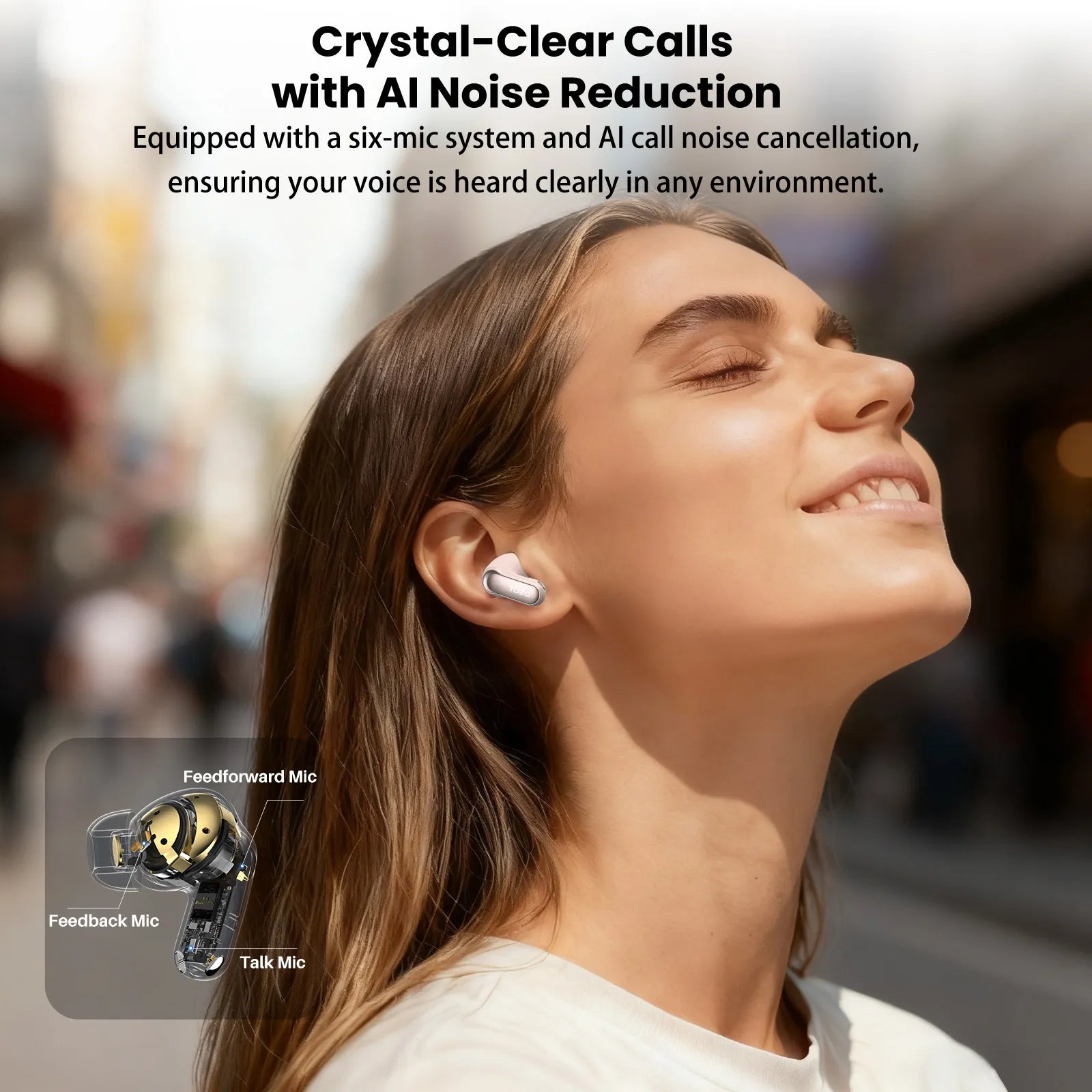
Do I need bigger or smaller earbuds?
You may need bigger earbuds if your current pair feels loose, leaks sound, or falls out when you walk. A larger ear tip can create a better seal inside the ear canal. It may also improve bass and passive noise blocking.


You may need smaller earbuds if you feel pressure, pain, itching, or fullness in your ears. Smaller tips can feel better in narrow ear canals and may reduce soreness during long listening sessions.
The key point is simple: do I need bigger or smaller earbuds is not answered by age, gender, or ear shape. It is answered by fit.
A well-fitted earbud should:
• Sit securely without constant adjustment
• Feel comfortable after 30 to 60 minutes
• Create a light seal without sharp pressure


• Sound clear at a moderate volume
• Stay in place while you move your head
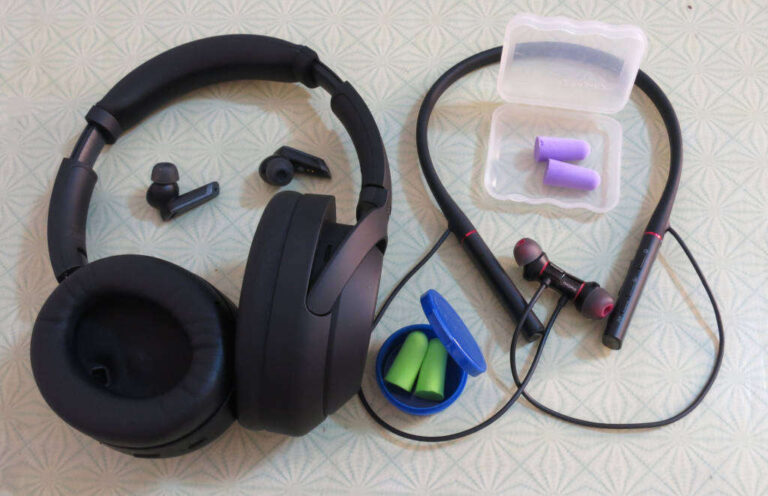
Most in-ear earbuds include small, medium, and large silicone tips. Some also include foam tips or extra-small options. Try each size before deciding that the earbuds themselves are wrong.

Signs your earbuds are too small
Small ear tips often fail to seal the ear canal. This can make your earbuds feel weak, loose, or hard to hear.
You may need a larger size when you notice these signs:
• The earbuds fall out when you walk, run, or talk
• Outside noise remains loud
• Bass sounds thin or almost missing
• You keep pushing the earbuds back into place
• Music sounds better when you press the earbuds inward
• One earbud fits well, but the other feels loose
A poor seal lets sound escape. It also lets outside noise enter. As a result, many people turn up the volume to compensate. That habit can increase listening risk over time.
A simple example is a leaky window. Your heater may work, but warm air escapes. Earbuds work in a similar way. Without a seal, much of the sound energy escapes before it reaches your ear properly.
However, bigger is not always better. If the tip feels tight or painful, moving up in size may create a new problem.


Signs your earbuds are too big
Large ear tips can press against sensitive parts of the ear canal. They may seem secure at first, but discomfort often appears after several minutes.
Your earbuds may be too big if:
• Your ears hurt during or after use
• You feel pressure or fullness
• Your ears become sore after removing the earbuds
• The tips are hard to insert
• The earbuds slowly push themselves out
• You notice itching or irritation
• You cannot wear them for more than 20 to 30 minutes
Pain is not a sign that the earbuds are working well. A strong seal should feel gentle, like a soft plug. It should not feel like a cork being forced into a bottle.
Some people confuse a firm fit with a tight fit. Firm means the earbuds stay in place. Tight means the ear canal is under too much pressure. You want the first, not the second.
If you have ear pain, drainage, hearing changes, or ongoing irritation, stop using the earbuds and speak with a medical professional. Earbuds should not cause injury.
How to find the right earbud size
Finding the right size takes a few minutes. Do not judge the fit after inserting one earbud for only five seconds.


Use this simple process:
-
Start with the medium tips.
-
Insert the earbuds with a gentle twisting motion.
-
Listen to a familiar song or podcast.
-
Walk, talk, and turn your head.
-
Try the small tips in both ears.
-
Try the large tips in both ears.
-
Compare comfort, seal, sound, and stability.
Your left and right ears may need different sizes. This is normal. Human ears are not always symmetrical, so one medium tip and one small tip may work better than two matching tips.
Test each size for at least 10 to 15 minutes. Some pressure becomes clear only after the earbuds stay in place for a while. Also test them during the activity you care about, such as commuting, working, exercising, or relaxing at home.
When asking do I need bigger or smaller earbuds, judge the complete experience. Comfort matters as much as sound quality.
The seal test: the fastest way to check fit
The seal test can help you decide whether you need bigger or smaller earbuds.
First, play music at a low or medium volume. Cover one earbud lightly with your finger. If the sound changes greatly when you press the earbud inward, the original seal may be weak.
You can also try a quiet voice or bass test. Music should sound full, and voices should remain clear. If the bass disappears, the tips may be too small or poorly positioned.


A good seal usually produces these results:
• Bass sounds full but not boomy
• Voices sound clear and centered
• Outside noise becomes quieter
• The earbuds stay stable when you move
• You do not need to increase the volume
Do not use pain as proof of a good seal. You should not need to force an earbud deep into the canal. Insert it only as far as needed to seal comfortably.
Some manufacturers offer a fit test in their companion app. These tests can be useful, but they are not perfect. Your comfort and real-world use still matter most.
How earbud size affects sound quality
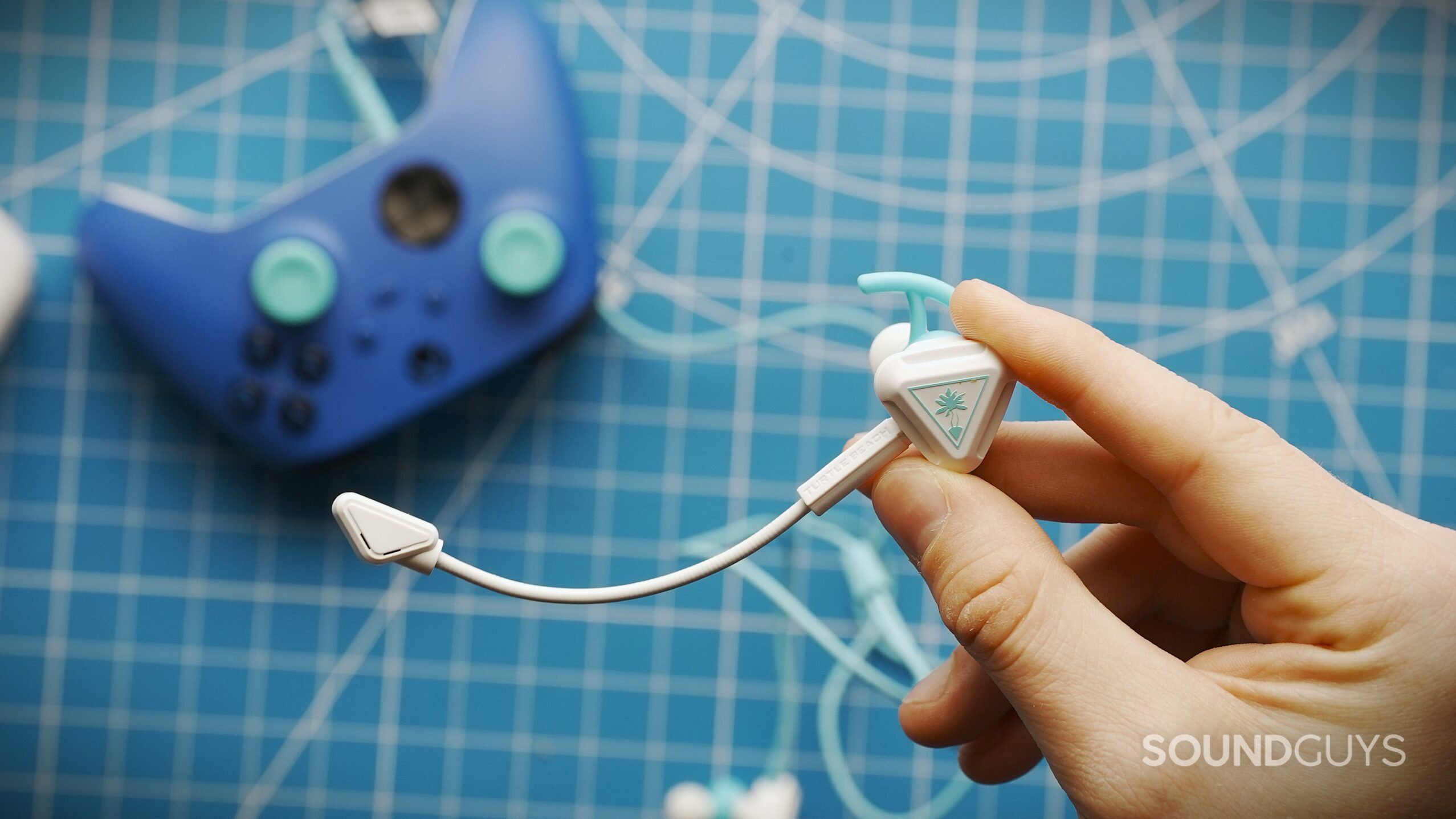
Earbud tips affect sound because they shape the seal between the speaker and your ear canal. A loose seal often reduces low frequencies first.
With tips that are too small, you may hear:
• Weak bass
• More background noise
• A thin or distant sound
• A need for higher volume
With tips that are too large, you may hear:
• Overly strong bass
• A blocked or plugged-up feeling
• Changes in sound when the earbuds move
• Uneven sound between your ears
The best size gives you a balanced sound. It should not make music feel trapped or overly boomy.
Ear tip material also affects sound. Silicone tips are easy to clean and often feel light. Foam tips can expand inside the canal and may improve noise blocking. Yet foam may feel warmer, wear out sooner, and require more care.
When I compare ear tips, I focus on familiar voices and instruments. A podcast makes speech changes easy to hear, while a song with bass helps reveal seal problems. This approach is often more useful than judging sound with a random track.

Bigger versus smaller earbuds for exercise
For exercise, stability usually matters more than maximum noise blocking. A slightly larger tip may stay in place better, but it should not create pressure.
If your earbuds fall out during exercise, try these options:
• Test the next larger tip
• Twist the earbud gently into place
• Use earbuds with ear wings or hooks
• Choose a sport-focused design
• Wipe sweat from the earbud and your skin
Sweat can make silicone tips slippery. Earwax can also reduce grip and affect sound. Clean the tips often with a soft, dry cloth. Follow the product instructions before using water or cleaning fluids.
Be careful with noise cancellation outdoors. Active noise cancellation can reduce traffic and other warning sounds. For running near roads, transparency mode or open-ear headphones may offer better awareness.
If you ask do I need bigger or smaller earbuds for workouts, choose the smallest size that stays secure during movement. A painful fit will make even the best earbuds unpleasant.
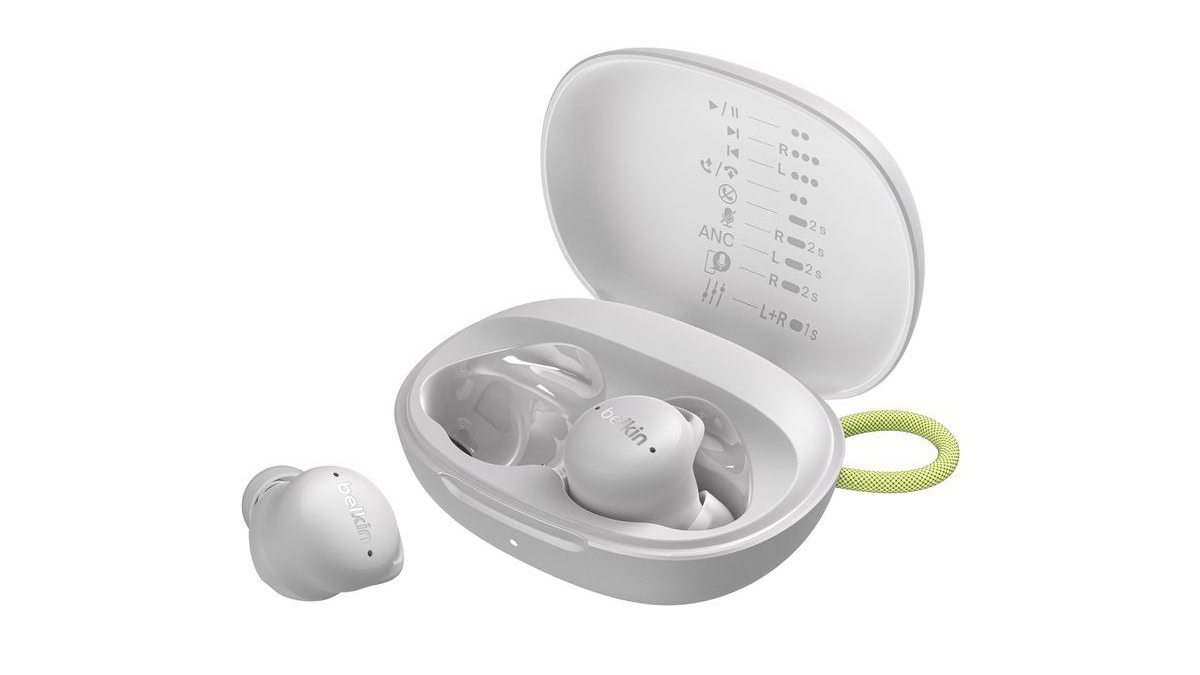
Earbud fit for small ears and sensitive ears
People with small ears may need extra-small tips or shorter earbuds. A large earbud housing can press against the outer ear even when the tip size seems correct.
Look for earbuds with:
• Extra-small silicone tips
• A compact housing
• A short nozzle
• Several tip shapes
• Adjustable wings or stabilizers
Sensitive ears may respond better to soft silicone or memory foam. Take breaks during long listening sessions, especially if your ears feel warm or sore.
Do not share in-ear earbuds. Earwax, bacteria, and skin oils can transfer between users. Cleaning the tips helps, but it does not remove every hygiene concern.
If your ears feel irritated after every use, the problem may not be size alone. Materials, moisture, pressure, allergies, or an ear condition can also play a role. Stop using the product if symptoms continue.
Common mistakes when choosing earbud tips
Many people make the same mistakes when deciding do I need bigger or smaller earbuds.
The first mistake is using the default medium tips without testing the others. Medium is only a starting point. It is not a universal size.
The second mistake is choosing a size based only on sound. A tip may produce powerful bass but still cause pain. Comfort should remain part of the decision.
The third mistake is testing only one ear. Your ear canals may differ, so check both sides.
Other mistakes include:
• Inserting the earbuds too deeply
• Judging comfort after only a few seconds
• Ignoring a loose fit during movement
• Wearing dirty ear tips
• Turning up the volume to hide outside noise
• Assuming foam tips fit everyone
A practical lesson I have learned from comparing earbud fits is that small changes can make a big difference. Rotating an earbud slightly or switching one tip size can improve comfort more than buying a new pair.
How to choose between silicone and foam tips
Silicone tips are the most common choice. They are easy to clean, last a long time, and come in many sizes.
Choose silicone tips if you want:
• Easy cleaning
• A light feel
• A simple fit
• Long-term durability
• Quick insertion and removal
Foam tips compress before insertion and expand inside the ear canal. They can improve the seal, especially for people whose earbuds often loosen.
Choose foam tips if you want:
• Stronger passive noise blocking
• A more secure fit
• Better stability during travel
• Less sound leakage
Foam tips can wear out faster than silicone. They may also collect earwax and moisture. Replace them when they become dirty, damaged, or unable to expand properly.
The best option depends on your ears and routine. Some listeners use silicone tips at home and foam tips while traveling.
When to replace your ear tips or earbuds
Ear tips do not last forever. Silicone can stretch, tear, harden, or become slippery. Foam loses its ability to expand after repeated use.
Replace ear tips when:
• They no longer stay attached
• The silicone looks cracked or cloudy
• Foam does not return to its original shape
• Cleaning no longer removes buildup
• The fit changes without a clear reason
You may also need new earbuds if the housing causes pressure, the nozzle is too long, or the design does not match your ears. Changing tips cannot fix every design problem.
If one earbud becomes quieter, clean the speaker mesh carefully. Do not push wax deeper into the opening. If the problem remains, check the balance settings and contact the manufacturer.
How to protect your hearing while using earbuds
Earbud size can affect how loudly you listen. A poor seal often makes users raise the volume to overcome background noise.
Use these safer listening habits:
• Keep the volume at a moderate level
• Take regular breaks
• Use noise cancellation in safe settings
• Avoid sleeping with in-ear earbuds
• Clean your earbuds and ears gently
• Reduce listening time when your ears feel tired
A common listening rule is the 60/60 approach: use about 60 percent volume for no more than 60 minutes at a time, then take a break. This is a simple guide, not a guarantee of safety. Safe volume also depends on the device, recording, fit, and listening time.
The World Health Organization warns that loud sound over time can damage hearing. If you notice ringing, muffled hearing, or pain, stop listening and seek professional advice.
Frequently Asked Questions About Do I Need Bigger or Smaller Earbuds
Should earbuds feel tight in your ears?
Earbuds should feel secure but not painful. Light pressure is normal, but soreness, throbbing, or a blocked feeling suggests that the tips may be too large or inserted too deeply.
How do I know if my ear tips are too small?
Your tips may be too small if the earbuds fall out, outside noise stays loud, or bass sounds weak. Try the next size up and check whether the seal improves without causing pressure.
Can I use different earbud sizes in each ear?
Yes. Many people have slightly different ear canals, so one ear may need a small tip while the other needs a medium or large tip. Comfort and stability matter more than having matching sizes.
Are bigger ear tips better for noise cancellation?
Bigger tips are not always better for noise cancellation. The best tip is the one that creates a comfortable seal, because an overly large tip can cause pain and may push the earbud out.
Why do my earbuds hurt after an hour?
Pain after an hour may come from tips that are too large, a bulky earbud housing, deep insertion, or long listening sessions. Try a smaller tip, reposition the earbuds, take breaks, and stop using them if pain continues.
Do foam ear tips fit better than silicone tips?
Foam tips can fit better for some people because they expand inside the ear canal. Silicone tips may be more comfortable, cleaner, and easier to maintain for others, so testing both is the best approach.
Should earbuds block all outside sound?
No. Earbuds do not need to block every sound, especially outdoors. You should remain aware of important sounds such as traffic, alarms, and nearby people.
Conclusion
The answer to do I need bigger or smaller earbuds comes down to comfort, seal, sound, and stability. Choose smaller tips when you feel pressure or pain. Choose larger tips when the earbuds leak sound, feel loose, or fall out.
Test each size in both ears for several minutes. Try them while walking, listening, and speaking. The right earbuds should feel secure without demanding your attention.
Make one small change today: test the next tip size, clean your current tips, or try foam alternatives. Then share your experience or explore more practical audio guides to find a setup that truly fits.

Everett Ashford is a tech reviewer at mytechgrid.com specializing in SSDs, cameras, TVs, earbuds, headphones, and other consumer electronics. He provides honest, data-driven reviews based on hands-on testing and real-world performance analysis. Everett simplifies complex tech details to help readers make smart, confident buying decisions.