Do Wireless Earbuds Come In Different Sizes: Find Your Fit
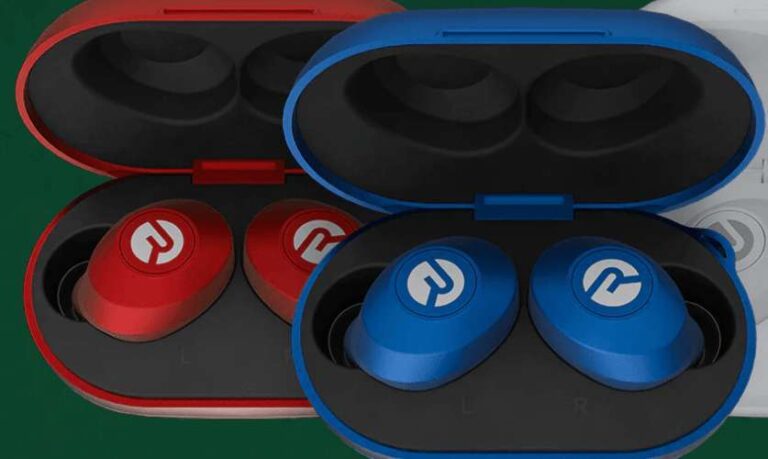
Yes, wireless earbuds come in different sizes, with varied ear tips, shapes, and fits for different ears.
The answer to “do wireless earbuds come in different sizes” is more useful than it first seems. Earbuds may look small and simple, but ear canals differ in width, depth, and shape. The right size can improve comfort, sound quality, noise control, and stability. This guide explains how wireless earbud sizing works, how to choose the right fit, and what to do when earbuds keep slipping out.
Do wireless earbuds come in different sizes?
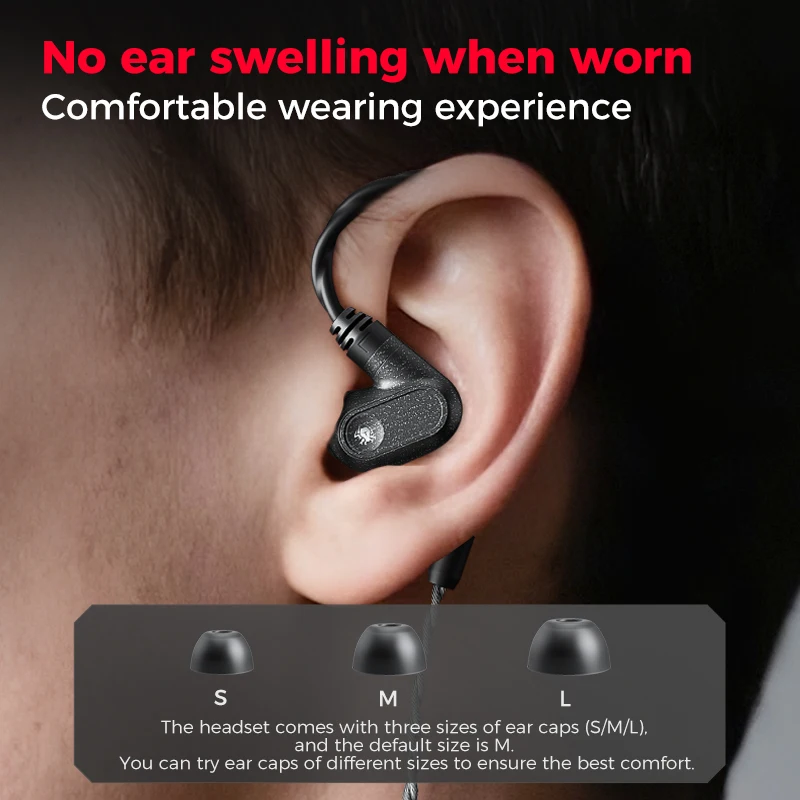
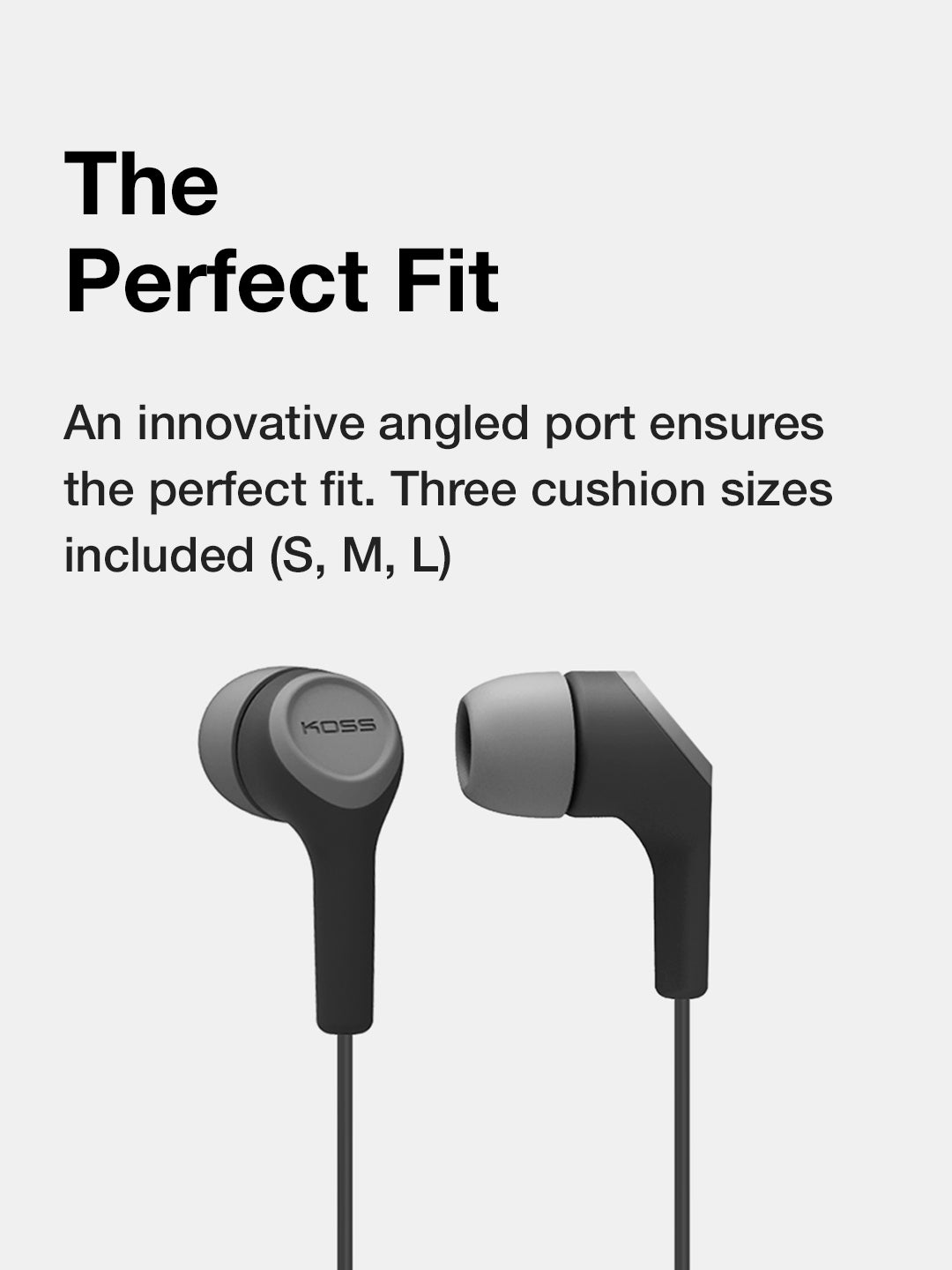
Yes, wireless earbuds come in different sizes and designs. Most models include several silicone ear tips, often in small, medium, and large sizes. Some brands also sell foam tips, wing tips, or replacement tips for a more personal fit.
However, earbud size means more than the size of the ear tip. It can also describe the body of the earbud, the nozzle, the shape, and the overall weight. Two earbuds with “medium” tips may still feel very different because their housings fit the outer ear in different ways.


In many cases, the left and right ears are not the same size. You may need a small tip in one ear and a medium tip in the other. That is normal. Ears are more like fingerprints than matching circles.

Why wireless earbud size matters
The correct size affects much more than comfort. It can change how well the earbuds sound and how securely they stay in place.
A good fit creates a light seal inside the ear canal. This seal helps block outside noise and keeps music from leaking out. It also helps preserve bass, which may sound weak when the earbuds do not fit tightly.
The right size can also help with:
• Comfort during long listening sessions


• Clearer bass and vocals
• Better passive noise isolation
• More accurate active noise cancellation
• Fewer earbud dropouts during movement
• Less need to raise the volume
• Better call quality in windy or noisy places
A poor fit can cause the opposite problems. Large tips may create pressure or soreness. Small tips may feel loose and allow sound to escape. If you keep increasing the volume because music sounds thin, the real issue may be the fit rather than the earbuds.
Health experts commonly recommend keeping personal audio at a moderate level and taking listening breaks. A secure fit can help you hear clearly without turning the volume up too high, but it does not make loud listening safe.

What parts of wireless earbuds come in different sizes?
When people ask, “do wireless earbuds come in different sizes,” they often mean the ear tips. Yet several parts can affect fit.
Ear tips
Ear tips are the soft pieces that sit inside the ear canal. They are usually made from silicone. Many earbuds include three sizes, while some include four or more.
Silicone tips are easy to clean and resist moisture. Foam tips can expand inside the ear canal and offer a snug seal. They may feel more secure, but they often wear out sooner and need regular replacement.
Earbud housing
the housing is the hard body of the earbud. It rests in or near the outer ear. A smaller housing may suit people with small ears, while a larger housing may offer better battery space but create pressure.
The housing shape matters as much as its size. A round earbud may fit one person well but press against another person’s ear ridge.
Nozzle
The nozzle is the short tube that holds the ear tip. A wide nozzle may feel too large for some ear canals. A narrow nozzle may feel more comfortable but may not create a strong seal.


The nozzle angle also matters. A slightly angled nozzle may sit more naturally and reduce pressure.
Stabilizing wings and hooks
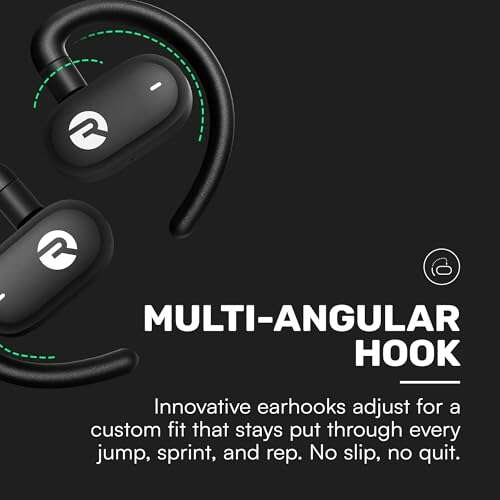
Some sports earbuds include soft wings that tuck into the outer ear. Others use ear hooks that wrap around the ear. These features do not always change the ear tip size, but they can improve stability during running or workouts.
The main types of wireless earbud fits
Wireless earbuds come in several fit styles. Knowing the difference can make shopping much easier.
In-ear wireless earbuds
In-ear models use tips that sit inside the ear canal. They usually provide the best seal, strong bass, and good passive noise blocking.
They are a good choice for commuting, travel, and exercise. Still, some people dislike the plugged feeling or pressure caused by deep-fitting tips.
Semi-in-ear earbuds
Semi-in-ear earbuds rest at the entrance of the ear canal. They often have a smooth plastic shape and do not use silicone tips.
These earbuds can feel airy and comfortable. However, they may not fit every ear securely. Noise isolation and bass can also be lower because they do not form a full seal.
Open-ear wireless earbuds
Open-ear earbuds sit outside the ear canal. They let you hear more of your surroundings, which can be useful when walking outdoors or working in an office.
They usually provide less bass and less noise isolation than in-ear designs. They are also less likely to feel tight, making them useful for people who dislike traditional ear tips.
Sports earbuds
Sports earbuds may use wings, hooks, or a deeper in-ear fit. Their main goal is stability during movement.
A sports model does not need to feel painfully tight. It should stay secure with gentle contact. Too much pressure can lead to soreness during a long workout.
Custom-fit earbuds
Custom-fit earbuds are made from impressions or scans of your ears. They offer a highly personal fit and may be used by musicians, sound professionals, or people who struggle with standard tips.
They cost more than regular earbuds and may not be necessary for most users. Still, they show why wireless earbuds come in different sizes and shapes.


How to choose the right wireless earbud size
Choosing the right size usually takes a few minutes of testing. Do not judge fit only by how an earbud feels in your hand.
Start with the medium tips
Medium tips are a useful starting point because they fit many people. Insert the earbuds gently, then play music with vocals and bass.
Ask yourself:
• Do the earbuds stay in place when you turn your head?
• Does the bass sound full?
• Can you hear outside noise clearly even when the volume is low?
• Do you feel pressure after several minutes?
If the earbuds feel loose or sound thin, try a larger tip. If they feel tight or painful, try a smaller tip.
Test one size at a time
Change only one factor during each test. If you change the tip, position, and equalizer at the same time, it becomes hard to know what improved the fit.
Try each size for at least five minutes. Some pressure becomes obvious only after longer use.
Use the earbud fit test
Many wireless earbuds include a fit test in their companion app. The test plays sounds and checks whether the seal is strong enough.
This tool can help, but it is not perfect. Comfort still matters. A tip may create a strong seal yet feel irritating after an hour.
Try different sizes in each ear
Do not assume both ears need the same tip. Many people have one ear canal that is slightly wider or shaped differently.
A small tip on the left and a medium tip on the right may provide the best result. This is one of the most useful answers to “do wireless earbuds come in different sizes” because fit can vary even within the same person.
Check the position
Insert the earbud without forcing it deep into the canal. Then twist it slightly until it feels stable. The correct position depends on the model, so follow the manufacturer’s guidance when available.


How to tell if your wireless earbuds are too small
Small ear tips may not create a full seal. This can lead to several clear signs.
• The earbuds move when you talk or walk
• Bass sounds weak or hollow
• Outside noise remains easy to hear
• You need to raise the volume
• The earbuds fall out during exercise
• Noise cancellation seems weak
• You can hear sound leaking from the earbuds
A loose fit does not always mean you need larger tips. The earbud may have the wrong shape for your ear. You can try foam tips, a different model, or earbuds with stabilizing wings.
A common fitting mistake is choosing the smallest tips because they feel less noticeable at first. After a few minutes, the earbuds may loosen and lose their seal. Comfort matters, but a stable fit should also be part of the decision.

How to tell if your wireless earbuds are too large
Large ear tips or housings can cause pressure in the ear canal or outer ear. They may also make your ears feel tired.
Look for these signs:
• Pain or tenderness
• A blocked or overly plugged feeling
• Redness after removal
• Pressure against the ear cartilage
• Headaches during long use
• Earbuds that sit at an awkward angle
• Difficulty inserting the earbuds without force
Remove the earbuds if you feel pain. Do not keep wearing them in the hope that your ears will “get used to it.” Mild awareness can be normal, but sharp pain, lasting soreness, or skin irritation is a sign to stop.
If discomfort continues, consider a smaller tip, a different tip material, or a different earbud shape. People with narrow ear canals may prefer short nozzles and small housings.

Do larger ear tips always sound better?
No. Larger tips do not automatically produce better sound. They may create a stronger seal, but only if they fit comfortably and sit correctly.
A tip that is too large can distort the sound by pressing against the ear canal. It may also move the earbud outward, which can weaken the seal instead of improving it.
Sound quality depends on several factors:
• Ear tip size
• Tip material
• Nozzle shape
• Earbud position
• Speaker tuning
• Equalizer settings
• Seal quality
The best size is the one that creates a gentle, stable seal without pain. Think of it like a shoe. A larger shoe is not better if it slides around, and a tighter shoe is not better if it hurts.
Silicone tips versus foam tips
Both materials can work well, but they feel different.
Silicone ear tips
Silicone tips are the standard choice for most wireless earbuds. They are flexible, easy to wash, and available in many shapes.
Benefits include:
• Simple cleaning
• Long service life
• Easy insertion
• Wide model compatibility
• Good comfort for many users
Silicone may not stay secure in very smooth or oily ears. It can also lose its seal during exercise if the earbud moves.
Foam ear tips
Foam tips compress during insertion and expand inside the ear canal. They can improve stability and noise blocking.
Benefits include:
• Stronger passive noise isolation
• A snug, personal fit
• Better grip during movement
Foam tips can feel warmer and may need more care. Earwax, sweat, and repeated compression can shorten their life. Always check that replacement foam tips fit your earbuds and do not block charging contacts.

Can you make wireless earbuds fit better?
Yes. Small changes can make a big difference.
-
Clean the earbuds and ear tips. Oil and earwax can make the surface slippery.
-
Try a different tip size in each ear.
-
Twist the earbuds slightly after insertion.
-
Test foam tips if silicone tips keep slipping.
-
Use wings or hooks for workouts.
-
Replace worn or stretched tips.
-
Check whether the tips are attached fully.
-
Avoid pushing the earbuds too deep.
-
Try a different earbud model if the housing causes pressure.
A clean earbud can also sound better. Build-up on the speaker mesh may reduce volume or make the sound seem dull. Clean the outside with a dry, soft cloth and follow the care instructions for your model. Do not pour water into the speaker opening.
Do wireless earbuds come in different sizes for small ears?
Yes, but not every brand labels its earbuds clearly for small ears. People with small ears should look at the housing dimensions, nozzle length, and included tip sizes.
Small-ear-friendly features often include:
• A compact earbud body
• Short or narrow nozzles
• Small silicone tips
• Rounded edges
• A light overall weight
• Optional foam or extra-small tips
Large housings can press against the outer ear even when the ear tip fits well. This is why product measurements and user reviews can be more useful than a simple “small, medium, or large” label.
If possible, buy from a seller with a clear return policy. Ear shape is personal, and even well-reviewed earbuds may not fit you comfortably.
Do wireless earbuds come in different sizes for children?
Some earbuds are designed with smaller ear tips and lower volume limits, but ordinary adult earbuds may not fit children safely or comfortably.
Children have smaller ears, and a large earbud may create pressure or fall out. More importantly, young listeners may need help controlling volume and listening time.
When choosing earbuds for a child, consider:
• A built-in volume limit
• A comfortable, lightweight design
• Small ear tips
• Strong parental controls
• A secure but gentle fit
• Clear guidance on listening breaks
A volume limit can reduce risk, but it does not replace supervision. Children should also avoid sharing earbuds because shared ear tips can spread bacteria and skin irritation.
How sizing affects active noise cancellation
Active noise cancellation, or ANC, uses microphones and electronic processing to reduce outside sound. However, ANC works best when the ear tips already create a good physical seal.
If the tips are too small, outside noise can enter around the edges. The earbuds may then work harder while still allowing voices, traffic, or engine noise through.
A proper seal can improve:
• Low-frequency noise reduction
• Travel comfort
• Speech clarity
• Perceived sound quality
• Battery efficiency in some situations
ANC is not a safety shield. It may reduce awareness of cars, bicycles, alarms, or announcements. Use awareness mode when you need to hear what is happening around you.
Common mistakes when choosing earbud size
Many fit problems come from simple mistakes.
Choosing tips by comfort alone
A tip may feel comfortable for 30 seconds but become loose later. Test the seal with music and gentle movement.
Assuming both ears match
Your ears may need different sizes. Test each ear separately.
Pushing earbuds in too far
Deep insertion can cause pressure, discomfort, and wax build-up. A secure fit should not require force.
Ignoring the earbud housing
The tip may fit well while the hard body presses against your ear. Check the full design, not just the included tips.
Using the largest size for more bass
A larger tip may improve bass only when it seals correctly. If it causes pressure, the sound may become worse.
Wearing dirty or damaged tips
Dirty tips can become slippery and uncomfortable. Torn tips may also fail to create a proper seal.
A practical wireless earbud fitting test
Use this simple test before keeping a new pair.
-
Try the medium tips first.
-
Play a song with clear vocals and steady bass.
-
Listen at a low or moderate volume.
-
Walk, turn your head, and speak normally.
-
Wear the earbuds for 15 to 20 minutes.
-
Check for pressure, pain, or slipping.
-
Test a smaller or larger tip.
-
Compare the sound and comfort in each ear.
-
Try the manufacturer’s fit test if the app includes one.
-
Keep the size that feels stable without pressure.
This test works because fit is not only about the first impression. Earbuds should remain comfortable during real use, such as commuting, working, exercising, or making phone calls.
When to stop using wireless earbuds
Most fit problems improve after changing tips or adjusting the position. Some symptoms need more care.
Stop using the earbuds and consider medical advice if you notice:
• Ear pain that continues after removal
• Fluid or discharge
• Bleeding
• Sudden hearing changes
• Persistent ringing
• Severe itching or swelling
• Repeated skin reactions
Earbuds can trap moisture and reduce airflow. Clean them often, allow your ears to rest, and avoid inserting them into wet ears. Do not use cotton swabs deep inside the ear canal, as they can push wax farther in or irritate the skin.
Frequently Asked Questions About Do Wireless Earbuds Come in Different Sizes
Do all wireless earbuds include different size tips?
No, but many in-ear wireless earbuds include at least small, medium, and large silicone tips. Semi-in-ear and open-ear models may use a fixed shape instead of removable tips.
How do I know which wireless earbud size I need?
Start with the medium tips and test the seal, comfort, and stability. Move to a smaller tip if you feel pressure, or try a larger tip if the earbuds feel loose and sound lacks bass.
Can I use different size tips in each ear?
Yes. Using different sizes is safe and common because the left and right ear canals may differ. Choose the size that fits each ear securely and comfortably.
Are foam tips better than silicone tips?
Neither material is always better. Foam tips may provide stronger isolation and grip, while silicone tips are easier to clean and often last longer.
Why do my wireless earbuds keep falling out?
They may have the wrong tip size, an unsuitable housing shape, or a slippery surface caused by sweat or oil. Try another tip size, adjust the angle, clean the earbuds, or choose a model with wings or ear hooks.
Do bigger ear tips give you more bass?
They can improve bass when they create a proper seal. However, a tip that is too large may cause pressure and prevent the earbud from sitting correctly.
Can wireless earbuds hurt your ears?
They can cause discomfort when they are too large, inserted too deeply, worn for too long, or used at high volume. Remove them if you feel pain, and seek medical advice for lasting symptoms.
Conclusion
Wireless earbuds do come in different sizes, but the best fit depends on more than the label on the box. Ear tip size, earbud housing, nozzle shape, material, and stabilizing features all affect comfort and sound.
Start with the included tips, test each ear separately, and wear the earbuds long enough to notice pressure or slipping. A secure fit should feel stable, not painful. Use this advice when shopping, and explore models with extra tips or a clear return policy so you can find the right match for your ears.

Everett Ashford is a tech reviewer at mytechgrid.com specializing in SSDs, cameras, TVs, earbuds, headphones, and other consumer electronics. He provides honest, data-driven reviews based on hands-on testing and real-world performance analysis. Everett simplifies complex tech details to help readers make smart, confident buying decisions.