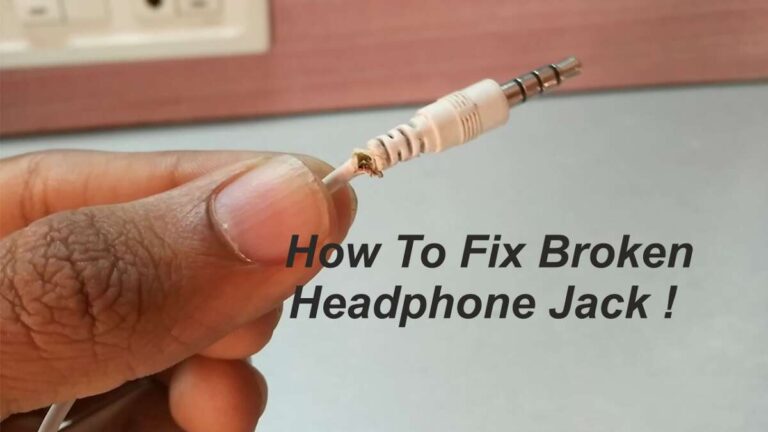
Keep headphones in a hard case, avoid tight pressure, and store flat when not in use.
I’ve spent years testing audio gear and fixing small but common problems like headphone dent. This guide draws on hands-on experience, repair practice, and careful research to show you practical, proven ways to prevent headphone dent. You’ll learn clear causes, everyday habits, storage methods, simple fixes, and when to get professional help—so your headphones stay comfortable, sound great, and last longer. Read on for step-by-step advice and real-world tips that actually work.
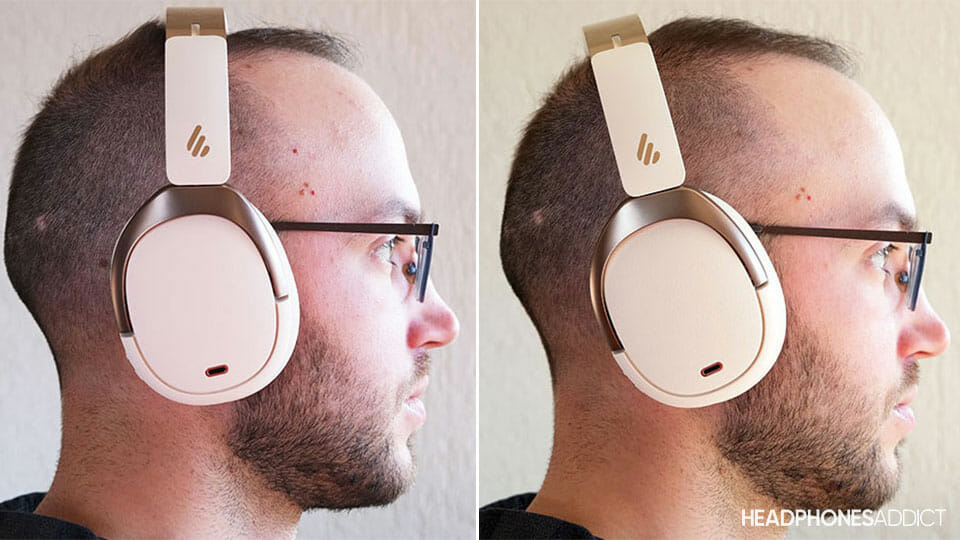
Why headphone dent happens: causes and what a dent means
A headphone dent is a compressed or misshapen ear cup, cushion, or headband padding. It can come from pressure, heat, or long-term storage. Dents can change fit. They can change sound too, by altering seal and driver alignment.
Common causes include:
- Sitting on your headphones or stuffing them in a bag
- Folding them under tight straps or objects
- Heat from leaving them in a car or near radiators
- Long-term compression from hanging or pressing against other items
I’ve seen headband foam shrink after a summer left in a hot car. Drivers can be pushed off-center when cushions deform. Preventing headphone dent protects comfort and keeps audio accurate.

Simple daily habits to prevent headphone dent
Small changes in daily routines stop most dents. These habits are easy to keep and work with any headphone type.
Key habits:
- Always use a case when not wearing headphones. A hard case keeps pressure off cups and headband.
- Avoid stacking heavy items on top of headphones. Never place them under books or jackets.
- Use a dedicated hanger or stand. Keep them upright and supported.
- Remove headphones before sitting or leaning on couches. Quick safe storage beats correcting a dent later.
- Rotate use between pairs. Switching ears and sets reduces constant pressure on one spot.
Personal tip: I keep a compact hard case in my work bag. It takes seconds to pop headphones in. This habit saved a set of studio cans from denting during a commute.

Best storage and handling practices
How you store headphones matters as much as how you use them. Correct handling prevents both immediate and slow-developing dents.
Storage options and rules:
- Hard case storage: Use molded hard cases for travel. They distribute pressure and limit crushing.
- Padded pouch: For short-term home storage, use a soft pouch with padding. It’s better than a loose cable tangle.
- Stand or hook placement: Use a wide, cushioned stand. Avoid thin hooks that press on one headband spot.
- Flat, breathable surfaces: If you must set them down, lay them flat with ear cups up. Keep foam away from sharp edges.
- Temperature control: Store at room temperature. Avoid hot trunks, windowsills, and radiators that warp foam.
I recommend measuring your headphone when buying a case. A snug fit without squeezing is ideal. A too-tight case can cause pressure dents over time.

Protective accessories and upgrades that help
There are accessories that reduce dent risk and improve comfort. Invest in a few durable items to protect valuable sets.
Useful accessories:
- Headphone case: Rigid cases with foam molds are best for travel.
- Headband protector: Thin leather or silicone sleeves spread pressure across the band.
- Ear pad covers: Soft cloth covers prevent direct pressure on foam and absorb sweat.
- Over-ear cushions replacements: Memory foam pads return to shape more easily.
- Cable organizers: Keep cables tidy so they don’t tug and cause awkward storage pressure.
Example upgrade: I replaced old pleather pads with memory foam and a new case. The fit improved and I stopped noticing new dents. Small upgrades can extend life by years.

Maintenance, cleaning, and repair tips for minor dents
Not every dent needs a pro. Some fixes are DIY and safe. Other times, replacement parts are the best route.
- Heat and reshape with care: Use low, indirect heat (hand warmers or a hair dryer on low at distance) to relax foam. Press gently into shape using a rounded object. Do not overheat or touch drivers.
- Rotate cushions: Remove and rotate ear pads periodically so one spot is not always compressed.
- Replace foam: If pads stay deformed, buy replacement pads. Many brands sell OEM or high-quality third-party pads.
- Use small props: Stuff ear cups lightly with soft cloth overnight to help regain shape.
When to avoid DIY:
- If the dent affects driver alignment or creates rattling sounds, stop and consult a technician.
- If the headband frame is bent, do not try to force it back; it may snap.
From my repair bench: gentle heat and time fixed a shallow cushion dent. For deeper, permanent dents, pad replacement was the only lasting fix.
When to seek professional repair or replacement
Some dents are symptoms of larger issues. Get help when a dent causes functional problems.
Signs to get professional help:
- Sound changes like muffling, imbalance, or new distortion
- Rattling or scraping noises inside the cup
- Bent metal headband or cracked plastic frame
- Internal wiring damage after pressure events
Cost considerations:
- Cushion replacement is usually inexpensive and user-friendly.
- Structural repairs or driver replacement can be costly. Assess replacement vs. repair based on value and age.
I once repaired a pair where a dent pushed a driver housing off-center. A professional realigned the driver and replaced pads. The headphones sounded like new afterward.

Preventing dents for specific headphone types
Different designs need different care. Tailor how to prevent headphone dent based on type.
Over-ear headphones:
- Use a large hard case or wide hanger.
- Choose replacement pads with firm memory foam.
On-ear headphones:
- Avoid squeezing them flat in bags. Use a pouch with padding.
- Store ear cups outward, not folded inward under pressure.
In-ear and true wireless:
- Keep charging cases closed and litter-free.
- Avoid tight pockets and sit calmly when storing them.
Wireless headsets and gaming headsets:
- Use a desk stand to avoid cable tangles and pressure.
- Remove headset before placing headset under monitors or equipment.
How to choose the right case and pad replacements
Choosing the right gear reduces dent risk and improves comfort. Focus on fit and quality.
Case selection tips:
- Match case size to headphone model. Too tight creates pressure, too loose allows movement.
- Look for rigid shells and internal foam or molded inserts.
- Check zipper quality and water resistance for travel.
Pad selection tips:
- Prioritize memory foam for slow rebound.
- Choose breathable outer material to avoid heat buildup.
- Read measurements for mounting ring and depth to ensure compatibility.
I once ordered pads that were slightly too small. They compressed faster. Accurate measurements saved my next replacement.
PAA-style questions
What is a headphone dent and why should I care?
A headphone dent is a deformation of the ear cup, cushion, or headband foam. It can change fit and sound quality by altering the seal and driver position.
Can a headphone dent be fixed at home?
Yes, shallow cushion dents often respond to gentle heat and reshaping or by stuffing with soft cloth. Deeper structural dents may need pad replacement or professional help.
How often should I replace ear pads to avoid dents?
Replace pads every 1–3 years depending on use, sweat exposure, and foam quality. Frequent rotation and cleaning can extend their life.
Are hard cases really necessary for preventing denting?
For travel and storage in crowded bags, hard cases are the most effective way to prevent pressure and crushing. For home use, padded stands also work well.
Will warranty cover a dented headphone?
Most warranties cover manufacturing defects, not accidental dents from pressure or heat. Check your warranty details and consider insurance for high-end sets.
Frequently Asked Questions of how to prevent headphone dent
Are folding headphones more likely to dent?
Folding headphones can dent if folded under weight or into a tight bag. Use the original case and avoid pressure on the folded joint to reduce risk.
Can moisture or sweat cause dents?
Moisture weakens foam and leather, making them more prone to compression. Wipe pads dry after use and allow them to air out to prevent long-term denting.
Is it okay to hang headphones on a monitor?
Hanging on a wide, padded monitor mount is fine. Avoid thin hooks or edges that press into the headband or cup rim.
Do memory foam pads prevent dents better?
Memory foam returns to shape slowly and resists permanent compression better than cheap foam. It’s a good upgrade to reduce denting.
How do I store headphones when traveling?
Use a rigid, molded case and secure loose cables. Place the case in an outer compartment to avoid other items pressing on it.
Conclusion
Preventing headphone dent is mostly about smart habits, correct storage, and timely maintenance. Use a hard case for travel, pick memory foam pads, avoid heat, and follow gentle reshaping if needed. Small steps—like a hanger on your desk or a pouch in your bag—prevent most dents and keep sound and comfort intact. Try one change this week: put your headphones in a case after use and watch how quickly wear slows. Share your experience, subscribe for more gear care tips, or leave a comment with questions.

Everett Ashford is a tech reviewer at mytechgrid.com specializing in SSDs, cameras, TVs, earbuds, headphones, and other consumer electronics. He provides honest, data-driven reviews based on hands-on testing and real-world performance analysis. Everett simplifies complex tech details to help readers make smart, confident buying decisions.