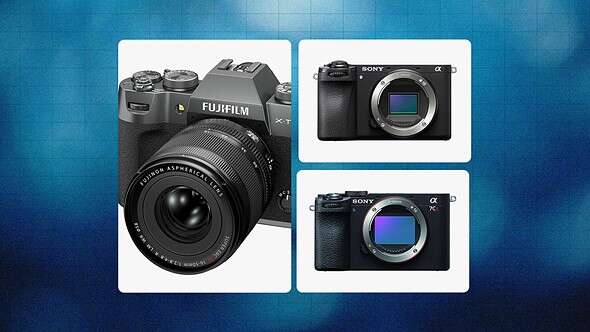

Digital cameras are made from optical glass, silicon sensors, metals, plastics, circuit boards, batteries, and precision electronics.
Understanding what are digital cameras made of helps explain how they capture light, process images, and survive years of use. From the lens elements to the tiny image sensor, each part has a clear job. This guide breaks down the materials, systems, manufacturing choices, and real-world tradeoffs behind modern digital cameras.
What Are Digital Cameras Made Of?
A digital camera is a small computer built around an optical system. It uses a lens to guide light, a sensor to convert that light into electrical signals, and a processor to turn those signals into an image file.
The answer to what are digital cameras made of changes slightly by camera type. A compact camera may use more plastic, while a professional mirrorless camera may use magnesium alloy, weather seals, and high-grade glass.
Most digital cameras contain these main parts:
• Lens elements made from optical glass or engineered plastic
• An image sensor made mainly from silicon
• A camera body made from plastic, aluminum, magnesium alloy, or carbon fiber
• Circuit boards with copper traces and semiconductor chips
• A shutter made from metal, carbon fiber, or specialized composite materials
• A rechargeable lithium-ion battery
• A screen made from glass, plastic layers, and liquid crystal or OLED materials
• Memory cards or internal flash storage
• Rubber, foam, and silicone seals for comfort and protection
Each part must work with great precision. A slight flaw in the lens can reduce sharpness. A poor seal can allow dust or moisture inside. A weak battery can limit the camera even when the sensor and lens are excellent.
The Camera Body and Outer Shell
The outer body protects the delicate parts inside. It also gives the photographer a stable grip and places buttons, dials, ports, and controls within easy reach.
Entry-level cameras often use polycarbonate plastic. This material is light, affordable, and resistant to small impacts. Manufacturers can mold it into complex shapes, which helps keep production costs low.
Midrange and professional models often use metal frames. Common materials include:
• Magnesium alloy for a strong and light internal frame
• Aluminum for panels, mounts, and control parts
• Stainless steel for screws, brackets, and wear-resistant components
• Brass for lens mounts and moving mechanical parts
• Carbon fiber or reinforced plastic in some high-end or specialty designs
Many cameras have a metal chassis under a plastic or rubber outer shell. The chassis adds strength, while the outside improves grip and reduces weight.
Rubberized coatings are common around the grip and thumb rest. They may contain synthetic rubber, silicone, or textured polymers. These materials make the camera less slippery, especially when your hands are cold or damp.
In my experience handling cameras in travel and outdoor settings, the grip material often matters more than people expect. A camera with a slightly heavier body can feel safer and more comfortable if its grip is well shaped.

What Are Digital Camera Lenses Made Of?
Camera lenses are made from multiple optical elements. These elements are usually optical glass, but some modern lenses use high-quality optical plastic for specific parts.
Optical glass must be clear, stable, and carefully shaped. A lens may contain several pieces of glass arranged in groups. Each piece bends light in a controlled way to create a sharp image on the sensor.
Lens makers use different glass formulas to control common optical problems. These problems include color fringing, distortion, and soft corners.
Important lens materials include:
• Crown glass with relatively low light dispersion
• Flint glass with higher light dispersion for optical correction
• Low-dispersion glass to reduce color fringing
• Fluorite or fluorite-like materials in some premium lenses
• Engineered optical plastics for light and affordable lens designs
The glass is polished to a very smooth surface. It then receives thin coatings. These coatings reduce reflections and improve light transmission.
A lens may also include:
• Anti-reflective coatings
• Water and oil-resistant coatings
• Nano coatings to reduce flare
• Black internal surfaces to absorb stray light
• Metal or plastic barrels
• Brass or stainless-steel mounts
• Rubber seals for weather resistance
The front lens is not always the most important element. Internal elements shape focus, zoom range, and image quality. A lens can look simple from the outside while containing a complex optical design inside.
This is a key part of what are digital cameras made of because the lens controls how much useful light reaches the sensor. Even the best sensor cannot fully correct a poor lens.

The Image Sensor: The Camera’s Electronic Eye
The image sensor is one of the most important parts of a digital camera. It replaces the film used in older cameras.
Most modern digital cameras use a CMOS sensor. Some older or specialized cameras use CCD sensors. Both types use light-sensitive areas to measure incoming light, but CMOS technology is now more common because it can use less power and support fast readout.
A sensor is made mainly from silicon. Silicon is a semiconductor material that can respond to light when prepared with microscopic electronic structures.
The sensor contains millions of tiny photosites. Each photosite collects photons during the exposure. The camera then measures the electrical charge and converts it into digital data.
A typical sensor includes:
• A silicon wafer
• Photodiodes that collect light
• Microscopic wiring
• Color filter arrays
• Microlenses