Most photo labs, big-box stores, and online mail-in services will develop disposable camera film.
I’ve developed hundreds of rolls and handled disposable cameras for friends and clients. This guide on where can i get my disposable camera developed walks you through every reliable option. You’ll learn local places to check, trustworthy online labs, what to ask, costs, turnaround times, and tips to get the best scans and prints from your disposable camera shots. Read on to make a smart choice and get your images back looking great.
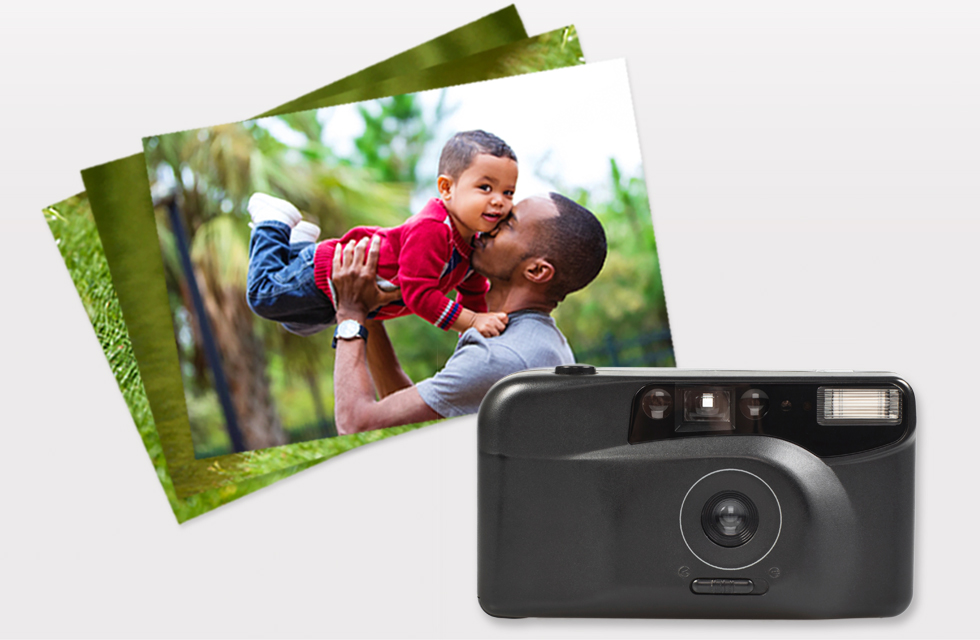
Why knowing where can i get my disposable camera developed matters
Disposable cameras are simple to use. But getting the negatives processed well takes know-how. Where can i get my disposable camera developed affects image quality, cost, speed, and whether you get digital files or prints. Choosing the right lab means better color, fewer surprises, and the best chance to preserve memories. I’ll share practical steps and real-world tips so you don’t waste time or money.

Local options: quick and hands-on places to get film developed
If you want fast service and to talk to someone in person, local options are ideal. Where can i get my disposable camera developed locally depends on what’s available near you. Try these places.
- Independent camera shops
These shops often do in-house processing or work with trusted labs. Staff know film and can explain scan settings and print papers. - Specialty film labs and darkrooms
Small labs focus on quality scans and careful color work. They usually offer higher-resolution scans and negative return. - Big-box stores and supermarkets
Stores may offer photo labs or partner with third-party services. Policies vary by location, so call ahead to confirm they still process film. - Pharmacy photo kiosks and chain drugstores
Many still accept disposable cameras, but availability changes by region. Ask if they develop from the camera or require film removal. - Local university or community darkrooms
These are good if you want oversight or student discounts. Turnaround may be slower but the price can be low.
Where can i get my disposable camera developed locally is a simple search and call away. Ask about processing type, scans, and whether they return negatives.
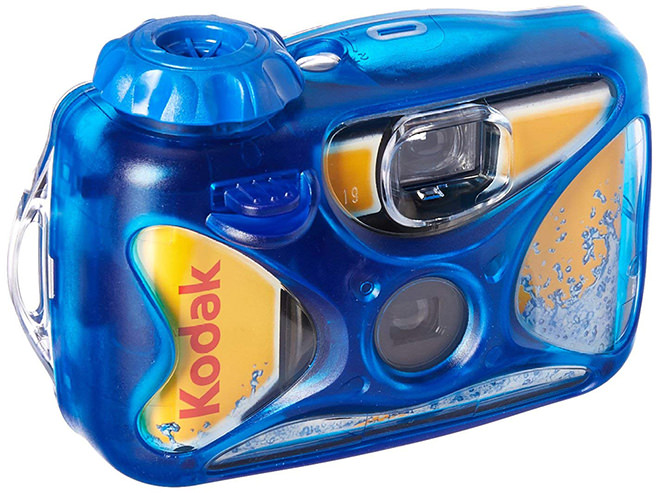
Online and mail-in labs: convenience and quality shipped to you
Mail-in labs are reliable and often offer the best value for quality scans. If you’re wondering where can i get my disposable camera developed without a nearby lab, this is the top choice.
- National mail-in labs
These accept your sealed camera by mail. They develop, scan, and deliver high-res digital files. Many offer TIFF or high-quality JPEG options. - Boutique and indie labs
Boutique labs focus on color accuracy and careful handling. They often give more custom options and personal service. - Hybrid services (local drop-off, national processing)
Some stores take physical drop-offs but send the film to an external lab. This can be slower but convenient.
Mail-in process (typical)
- Place the sealed camera in a padded envelope.
- Fill out the lab’s order form online or include a note with contact details.
- Choose scan resolution and file delivery method.
- Ship with tracking and insurance if desired.
Where can i get my disposable camera developed by mail is often the best way to get high-resolution scans and careful processing for valuable images.

What to expect: film types, processing, costs, and turnaround
Most disposable cameras use 35mm color negative film. That means the typical processing is C-41. Knowing this helps you ask the right questions when you ask where can i get my disposable camera developed.
- Film format
Most disposables are 35mm color negative. Some specialty disposables use black-and-white or slide film, but that’s rare. - Processing type
C-41 for color negatives. Black-and-white uses different chemistry and may cost a bit more. Slide film requires E-6 processing and is less common. - Scan options and resolutions
Labs offer scans from web-quality 1–2 MP to high-res 4000+ DPI TIFFs. Higher resolution costs more but preserves detail. - File delivery
Options include digital download, USB drive, DVD, or physical prints. Ask about file format (JPEG vs TIFF) and color correction. - Prices (approximate ranges)
Developing and basic scans often range from $10 to $25. Higher-res scans and prints add to the price. Boutique labs may charge more for premium service. - Turnaround time
Same-day or one-hour services exist locally, but mail-in and boutique labs typically take 4–10 business days. Rush options are sometimes available for a fee.
When you call or order online, clearly state where can i get my disposable camera developed, what scan resolution you want, and whether you want negatives returned.
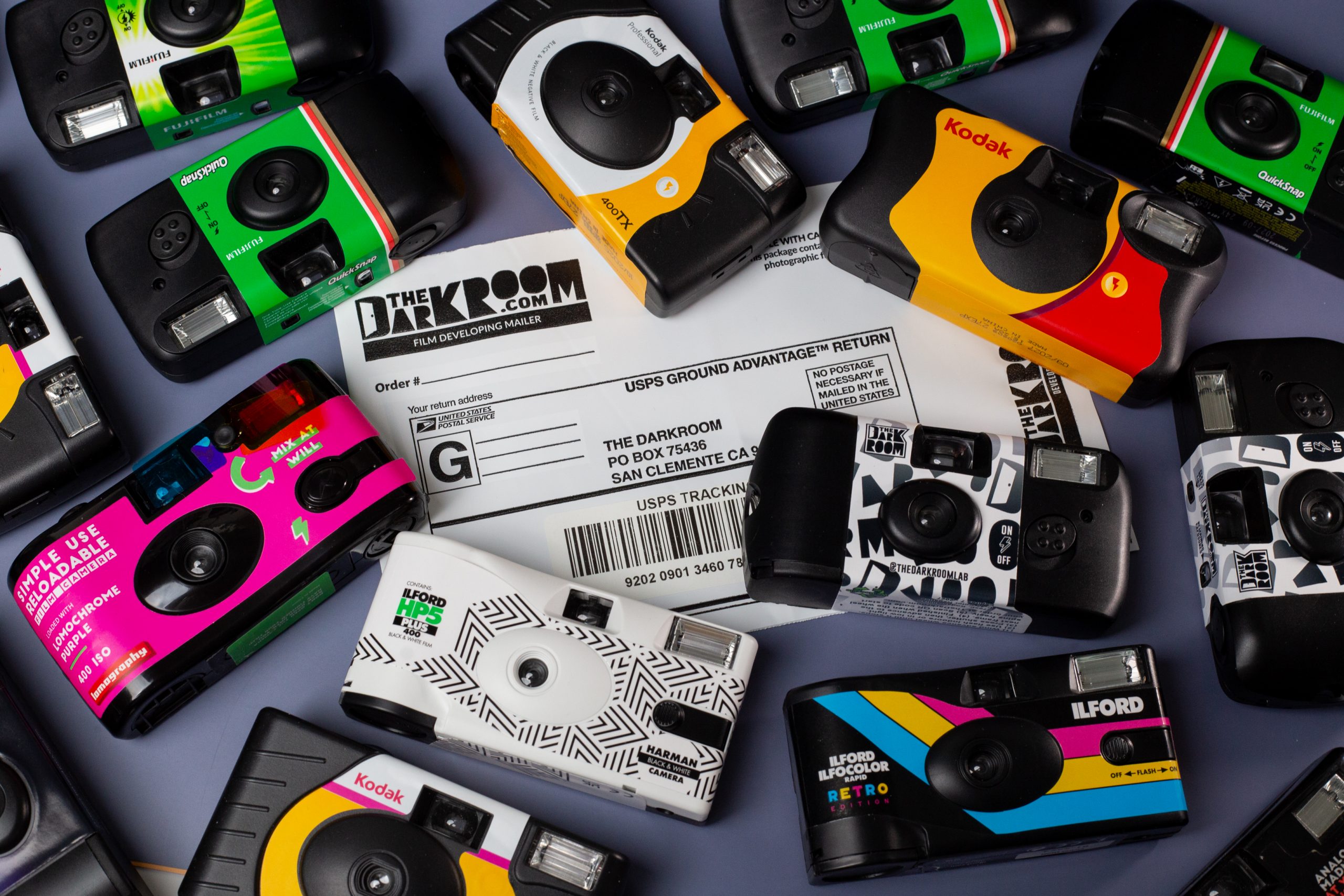
How to prepare your disposable camera for drop-off or mail-in
Preparing your camera properly reduces delays and risk. Follow these steps whether you visit a shop or mail the camera.
- Keep the camera sealed
Don’t open the back. Labs prefer to extract the film to avoid exposure. - Label your package or camera
Write your name and contact info on the bag or envelope. Include order details if mailing. - Protect the camera in transit
Use bubble wrap and a padded envelope. Ship with tracking and insurance if the images matter. - Note special requests
Indicate if you want negatives returned, special color corrections, or higher-res scans. - Ask about battery disposal if flash fails
If the camera has a built-in flash, tell the lab if the battery might need disposal or removal.
These steps make the answer to where can i get my disposable camera developed faster and safer.
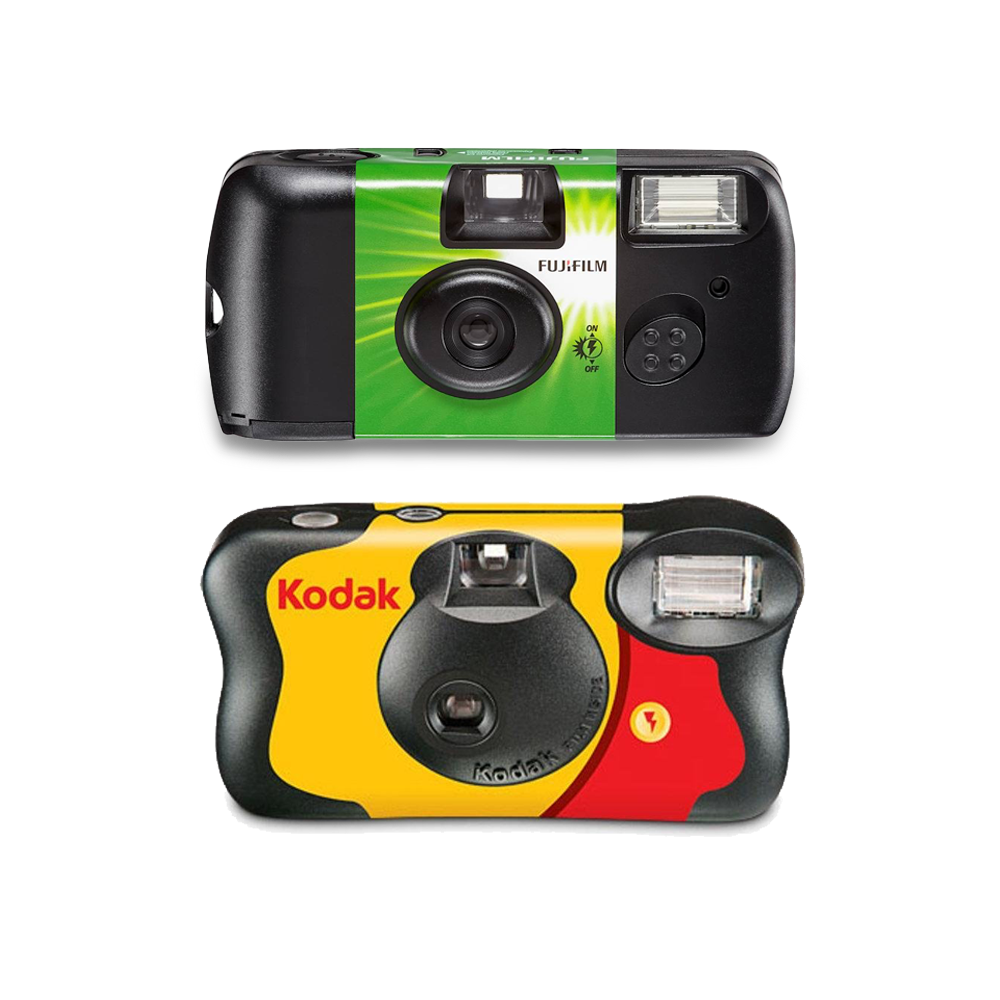
Common issues, troubleshooting, and tips for the best results
I’ve photographed with disposable cameras and learned lessons the hard way. Here’s what to watch for and how to get better results.
- Expect some grain and vignetting
Disposable lenses are simple. Slight softness is normal. Embrace the look or choose a lab that offers gentle sharpening. - Watch for expired film problems
Expired film can produce color shifts or low contrast. Tell the lab if the camera used old film. - Flash use and dark shots
If many photos are dark, the flash may have failed or been used beyond range. Request a contrast-friendly scan to recover details. - Light leaks or fogging
If frames show streaks or fog, the camera may have light seals that failed. A good lab can sometimes minimize the effect during scanning. - Ask for re-scans if needed
If the first scans look off, reputable labs will re-scan or adjust color. Don’t hesitate to ask.
Personal tip: I once had a set of holiday photos developed at a local indie lab. They offered a TIFF archive and gentle color correction. The scans looked better than the big-box prints I had tried before. Lesson learned: choose quality when the photos matter.
PAA-style quick questions
Q: How long does it take to get disposable camera film developed?
A: Local processing can be same-day or a few days, while mail-in labs usually take 4–10 business days depending on options.
Q: Will every lab accept a whole disposable camera?
A: Many labs accept the whole camera. Always call first to confirm they can extract film from your specific camera.
Q: Can I get prints and digital files?
A: Yes. Most labs offer both prints and scanned digital files in various formats and resolutions.
Q: Are scans good enough to enlarge?
A: High-resolution TIFF or 4000+ DPI scans are suitable for enlargements. Low-res scans are best for web sharing only.
Q: What if the scans look bad?
A: Ask for a re-scan or color correction. Reputable labs provide quality checks and will often redo scans if reasonable.
Frequently Asked Questions of where can i get my disposable camera developed
Where can i get my disposable camera developed quickly?
Local camera shops or big-box stores can often provide faster service. Call ahead to confirm same-day or one-hour options.
Will mail-in labs damage my photos or camera?
Reputable mail-in labs handle cameras carefully and extract film without exposure. Use tracked shipping and choose a trusted lab to reduce risk.
How much does it cost to develop a disposable camera?
Basic development with low-res scans typically runs $10–$25. Higher-resolution scans, prints, and special services add to the cost.
Do all labs return negatives?
Many labs offer negative return for an extra fee, but policies vary. Ask before you leave your camera or mail it.
Can I get my disposable camera developed if the flash didn't work?
Yes. Labs can develop the film regardless of flash function. If many images are underexposed, ask for scans optimized for shadow detail.
Conclusion
Finding out where can i get my disposable camera developed is easy once you know the options. Choose local shops for speed and chat, boutique labs for color and care, or mail-in services for convenience and high-res scans. Prepare your camera, pick the right scan resolution, and ask about negatives and returns. If your photos matter, opt for higher-quality scans or a trusted indie lab.
Take action: pick one or two nearby labs or mail-in services, call them with your questions, and send or drop off your camera today. Share your results, ask for advice, or leave a comment about your favorite lab experience.

Everett Ashford is a tech reviewer at mytechgrid.com specializing in SSDs, cameras, TVs, earbuds, headphones, and other consumer electronics. He provides honest, data-driven reviews based on hands-on testing and real-world performance analysis. Everett simplifies complex tech details to help readers make smart, confident buying decisions.