The best rated noise cancelling headphones are Bose, Sony, Apple, and Sennheiser models that balance silence, sound, comfort, and battery life.
Finding the best rated noise cancelling headphones is not just about choosing the pair with the highest star score. Real quality depends on how well a headset blocks voices, planes, traffic, and office noise while still sounding natural and staying comfortable for hours. After comparing leading models, key test results, user feedback, and daily-use features, this guide will help you choose with confidence.
What makes noise cancelling headphones highly rated?
The best rated noise cancelling headphones do more than reduce sound. They create a calm listening space without adding hiss, pressure, or harsh changes to your music. Most top models use active noise cancellation, or ANC, which relies on microphones and electronic processing to reduce outside sound.
Passive isolation also matters. Soft ear cushions form a seal around your ears, while the headphone design blocks some sound before ANC even starts. Think of ANC as a smart filter and the ear cups as a closed door. The strongest results come from both working together.
Professional reviews and long-term users tend to judge headphones by several key areas:
• Noise cancellation strength in planes, trains, offices, and busy streets
• Audio quality across bass, vocals, and high notes
• Comfort during long listening sessions
• Battery life and charging speed
• Call quality in wind and crowded places
• Bluetooth stability and device support
• App quality and equalizer controls
• Build quality, warranty, and repair options
A high rating can still hide a poor fit for your needs. For example, a commuter may value strong low-frequency ANC, while a home listener may care more about rich sound and comfort.

The best rated noise cancelling headphones in 2025
The best rated noise cancelling headphones differ in sound and features, but the models below consistently perform well in expert testing and customer reviews. Prices can change, so treat them as general market positions rather than fixed figures.
Bose QuietComfort Ultra Headphones
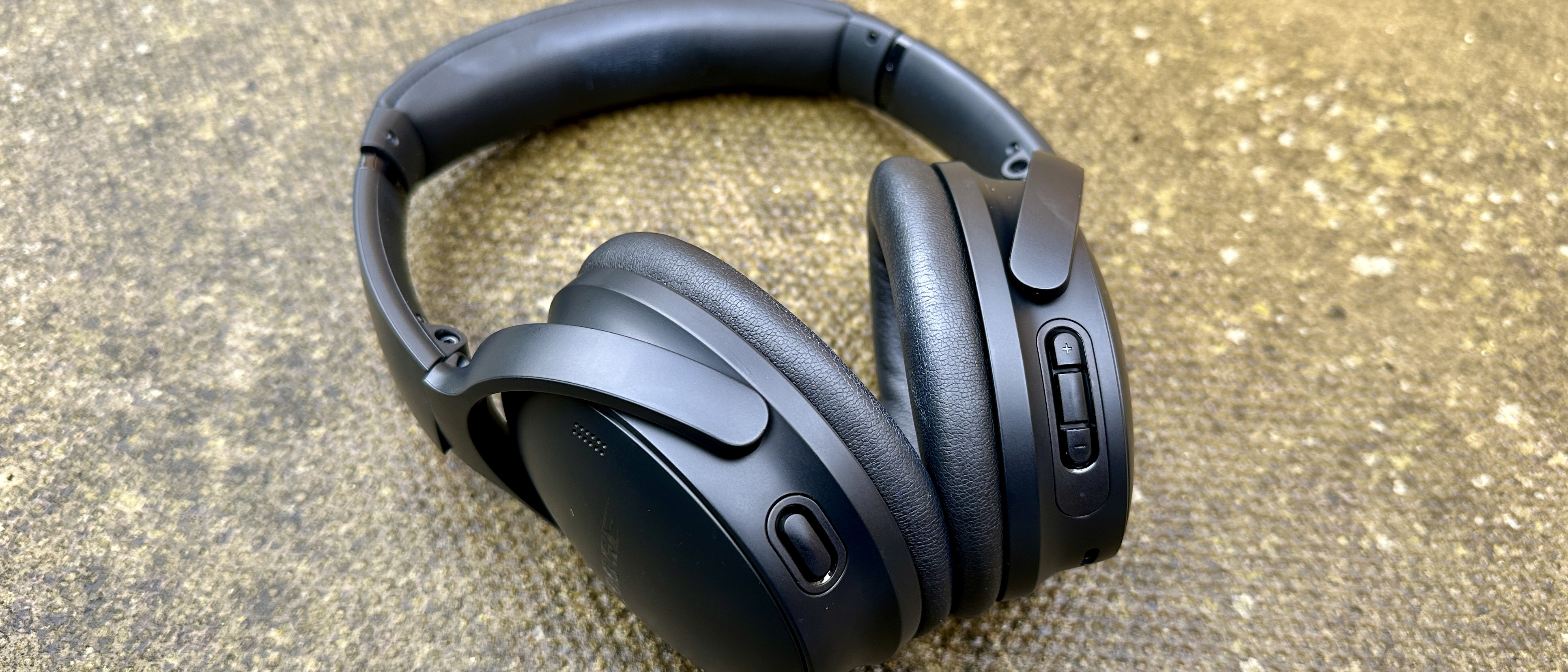
The Bose QuietComfort Ultra Headphones are among the best rated noise cancelling headphones for travelers and people who want powerful, simple ANC. Bose has long focused on comfort and noise reduction, and this model continues that approach with excellent control over airplane rumble, air conditioners, and low city noise.
The sound is full and engaging, with strong bass that does not usually overwhelm vocals. Bose also includes an Immersive Audio mode, which creates a wider presentation. It can make some music feel more spacious, though it may use more battery.
Key strengths include:
• Excellent active noise cancellation
• Very comfortable ear cushions
• Clear app controls and adjustable modes
• Strong awareness mode for hearing surroundings
• Good call performance in many everyday settings
The main drawbacks are the premium price and shorter battery life than some rivals. If your first goal is silence and comfort, this is one of the safest choices.
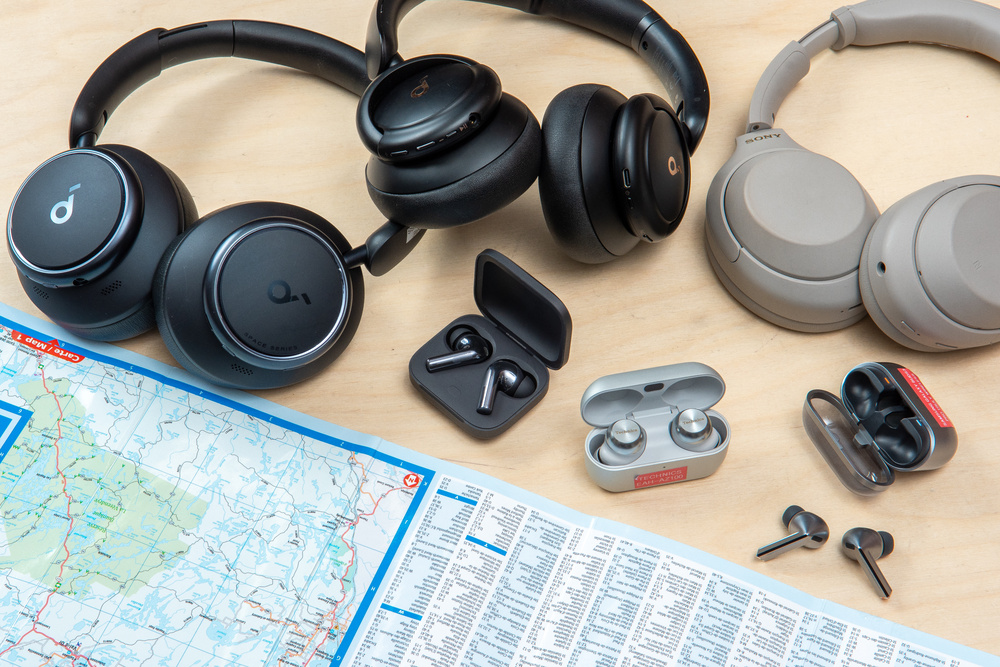
Sony WH-1000XM5
The Sony WH-1000XM5 remains one of the best rated noise cancelling headphones for users who want a balanced feature set. Its ANC handles low engine noise very well and adapts to changing surroundings. The headphones also offer a warm, detailed sound that works well with pop, jazz, podcasts, and films.
Sony’s Headphones Connect app gives you extensive control. You can adjust the equalizer, change ANC behavior, create listening modes, and connect to more than one device at the same time. That last feature is useful when moving between a laptop and phone.
Key strengths include:
• Excellent noise control for travel and work
• Detailed sound with useful equalizer settings
• Reliable multipoint Bluetooth
• Strong voice pickup for calls
• Lightweight design
Some users find the headband less supportive than Bose’s design. The touch controls can also take time to learn. Still, the XM5 is a strong all-around pick for work, travel, and home listening.
Apple AirPods Max
The Apple AirPods Max are among the best rated noise cancelling headphones for people already using Apple devices. Their ANC is impressive, and the transparency mode sounds natural enough to support quick conversations without removing the headphones.
The AirPods Max also provide a polished experience with Apple features. Pairing is fast, switching between Apple devices is smooth, and spatial audio can make supported films and music feel more immersive. Their aluminum build feels premium, but it also makes them heavier than many competitors.
Key strengths include:
• Strong ANC and natural transparency mode
• Excellent integration with iPhone, iPad, and Mac
• Rich, detailed sound
• High-quality microphones
• Premium materials and solid construction
The biggest limitations are weight, price, and the lack of a traditional power button. Android users also lose some of the special Apple features. These headphones make the most sense for Apple owners who value seamless device integration.
Sennheiser Momentum 4 Wireless
The Sennheiser Momentum 4 Wireless is one of the best rated noise cancelling headphones for battery life and music quality. It can last for many more hours than most premium rivals, depending on settings and volume. That makes it useful for long trips and frequent travelers.
Its sound is energetic, with strong bass and clear detail. The Sennheiser app provides equalizer controls, sound zones, and other adjustments. ANC is good, although Bose and Sony usually have an advantage in the loudest environments.
Key strengths include:
• Very long battery life
• Enjoyable sound with strong detail
• Comfortable ear cups
• Useful app and equalizer
• Often priced below other premium models
The design feels less luxurious than the AirPods Max, and wind noise can affect outdoor use. For listeners who care most about battery and music enjoyment, it offers excellent value.
Technics EAH-AZ80 true wireless earbuds
Not everyone wants over-ear headphones. The Technics EAH-AZ80 earbuds are among the best rated noise cancelling headphones in the compact category. They offer impressive sound, effective ANC, and support for connecting with multiple devices.
Their small size makes them easy to carry, but fit is especially important with earbuds. The right ear tip can improve both comfort and noise reduction. If the seal is weak, even excellent ANC will seem disappointing.
Key strengths include:
• Detailed, natural sound
• Compact design
• Strong call quality
• Multipoint connection
• Several ear tip sizes
Earbuds usually cannot match large over-ear models for comfort on long flights or maximum low-frequency isolation. They are best for portability, workouts, and short commutes.

Quick comparison of the top models
The best rated noise cancelling headphones are easier to compare when you focus on your main use. No single model wins every category.
| Model | Best for | Main advantage | Main limitation |
|---|---|---|---|
| Bose QuietComfort Ultra | Travel and comfort | Powerful ANC and soft fit | High price and average battery |
| Sony WH-1000XM5 | Work and travel | Features, sound, and ANC balance | Headband may feel light |
| Apple AirPods Max | Apple users | Seamless Apple integration | Heavy and expensive |
| Sennheiser Momentum 4 | Battery life and music | Very long playback time | ANC is not the strongest |
| Technics EAH-AZ80 | Portable listening | Small size and rich sound | Less isolation than over-ear models |
When I compare headphones, I pay close attention to the first two hours and the sixth hour. A pair may feel perfect in a store but become warm or tight later. That is one of the most common buying mistakes, especially with heavier models.
Also, do not judge ANC by silence alone. Some headphones create a light pressure feeling when ANC is active. This is not dangerous for most people, but it can feel uncomfortable. A return policy gives you time to test a headset in your real routine.

How to choose the best rated noise cancelling headphones
The best rated noise cancelling headphones for you depend on your ears, devices, travel habits, and budget. Use the following steps before you buy.
1. Decide where you will use them
For airplane travel, prioritize strong low-frequency ANC, comfort, and battery life. For an office, call quality and the ability to hear voices in awareness mode may matter more.
For home use, sound quality can take priority because your environment is quieter. Earbuds may be ideal for short trips, while over-ear headphones are usually better for long listening.
2. Check comfort and fit
Look for soft ear cushions, moderate clamping force, and enough room for your ears. Glasses can reduce the seal around the ear cups, which may lower passive isolation.
A good fit should feel secure without causing pain. If you wear headphones for several hours, comfort is not a luxury. It is a core feature.
3. Match battery life to your routine
Most premium wireless headphones offer enough battery for several workdays or multiple flights. However, real battery life changes with ANC, volume, Bluetooth features, and calls.
Consider these questions:
• Do you often forget to charge devices?
• Will you use them on long flights?
• Does the headset support quick charging?
• Can you listen with a cable if the battery dies?
A short charge that gives several hours of playback can be more useful than a huge battery that takes a long time to refill.
4. Review device compatibility
Bluetooth headphones usually work with both iPhone and Android devices, but advanced features may differ. Apple models provide their richest experience inside the Apple ecosystem. Sony, Bose, and Sennheiser generally offer broader cross-platform support.
Check for multipoint Bluetooth if you switch between a phone and computer. This feature can save time because you do not need to disconnect and reconnect each device.
5. Consider repair and warranty support
Hinges, batteries, ear cushions, and charging ports can wear out. A replaceable ear pad is a practical advantage because worn cushions can make a good headset feel old.
Read the warranty terms before buying. Also check whether the brand sells replacement pads or offers battery service. A slightly higher upfront price may be worthwhile if the headphones last longer.
Active noise cancellation versus passive isolation
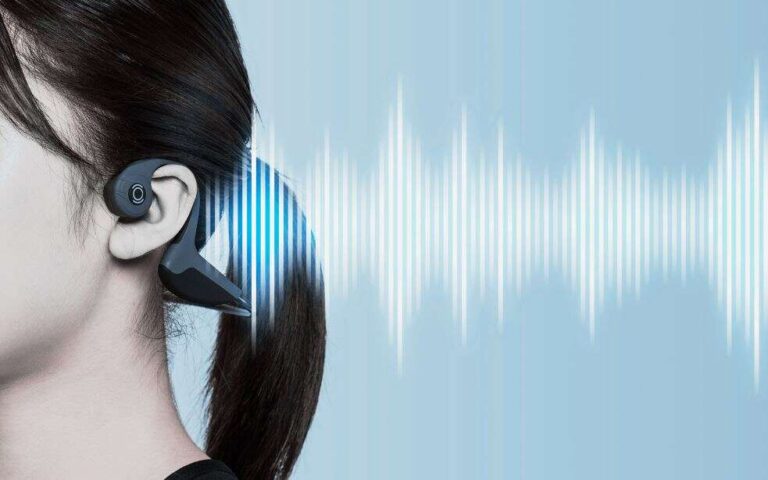
Active noise cancellation uses microphones to detect outside sound. The headphones then create an opposing sound wave to reduce it. ANC is especially effective against steady sounds such as engines, fans, and air conditioning.
Passive isolation comes from the physical design. Over-ear cups cover your ears, while earbuds use silicone or foam tips to seal the ear canal. Passive isolation is often better at blocking sudden high sounds, such as nearby speech or clattering dishes.
Neither method removes every sound. Human voices, alarms, and sharp noises can still pass through. This is why awareness modes are important when walking outdoors or working near other people.
Noise cancellation can also change how music sounds. Some models become warmer or quieter when ANC is switched off. Try both modes before deciding which headphones deliver the most natural sound.
Features that matter more than marketing claims
Many product pages use phrases such as “studio quality,” “smart ANC,” and “immersive sound.” These terms can be useful, but they do not replace careful testing.
Focus on features with a clear daily benefit:
• Adjustable ANC lets you control how much outside sound enters
• Transparency mode helps you hear announcements and conversations
• Multipoint Bluetooth makes work and phone use easier
• A physical button can be more reliable than touch controls
• A foldable design saves space in a travel bag
• Replaceable ear pads may extend the product’s life
• A good microphone improves meetings and phone calls
• A stable app makes updates and sound changes simple
Codec support can affect wireless audio quality, but it should not be your first buying factor. Fit, tuning, ANC performance, and comfort usually have a bigger effect on daily enjoyment.
One practical tip is to test calls in a noisy place. Some headphones sound great for music but send too much wind or traffic noise to the person on the other end.

Limitations and common buying mistakes
Even the best rated noise cancelling headphones have limits. ANC cannot guarantee total silence, and ratings may reflect different testing methods, music tastes, and comfort preferences.
Common mistakes include:
• Choosing the most expensive model without checking fit
• Assuming a higher ANC number means better overall sound
• Ignoring weight and ear cup heat
• Forgetting to check phone and computer compatibility
• Buying without a return option
• Expecting earbuds to isolate like over-ear headphones
• Using high volume to cover outside noise
Safe listening matters too. Long exposure to loud sound can damage hearing, even with excellent ANC. The World Health Organization advises keeping volume at a safe level and taking listening breaks. A quiet headset should help you listen more comfortably, not encourage louder playback.
Ratings can also become outdated when new firmware changes ANC or sound. Look for recent reviews and compare feedback from people who use the headphones in conditions similar to yours.

Frequently Asked Questions
What are the best rated noise cancelling headphones overall?
The Bose QuietComfort Ultra and Sony WH-1000XM5 are two of the strongest overall choices. Bose usually leads in comfort and ANC, while Sony offers excellent sound, app controls, and multipoint features.
Are noise cancelling headphones worth buying?
They are worth buying if you travel, work in a noisy space, or want to listen at lower volume. ANC can reduce background noise, but it cannot block every sound and may not suit people who dislike the pressure sensation.
Is Bose or Sony better for noise cancellation?
Bose often has a small advantage in comfort and low-frequency noise reduction. Sony offers a broader feature set and more detailed customization, so the better choice depends on your fit, sound preference, and devices.
Are over-ear headphones better than noise cancelling earbuds?
Over-ear headphones usually provide stronger isolation, longer comfort for some users, and a larger soundstage. Earbuds are smaller and easier to carry, but their performance depends heavily on getting a proper ear tip seal.
Which noise cancelling headphones have the longest battery life?
The Sennheiser Momentum 4 Wireless is known for exceptionally long battery life among premium over-ear models. Actual results vary with ANC, volume, calls, and wireless settings.
Can noise cancelling headphones protect your hearing?
ANC headphones can reduce the need to raise volume in loud places, but they are not hearing protection unless specifically certified for that purpose. Keep volume moderate and take regular breaks.
Conclusion
The best rated noise cancelling headphones are not always the most expensive pair. Bose stands out for comfort and powerful ANC, Sony offers the best feature balance for many users, Apple is ideal for its ecosystem, and Sennheiser is a strong choice for battery life and sound.
Start by choosing your main setting: travel, work, home, or portable listening. Then compare comfort, noise control, battery life, call quality, and device support. Take time to test the fit, and use a return policy when possible. Explore current models and share your own listening experience so other readers can make a smarter choice.

Everett Ashford is a tech reviewer at mytechgrid.com specializing in SSDs, cameras, TVs, earbuds, headphones, and other consumer electronics. He provides honest, data-driven reviews based on hands-on testing and real-world performance analysis. Everett simplifies complex tech details to help readers make smart, confident buying decisions.