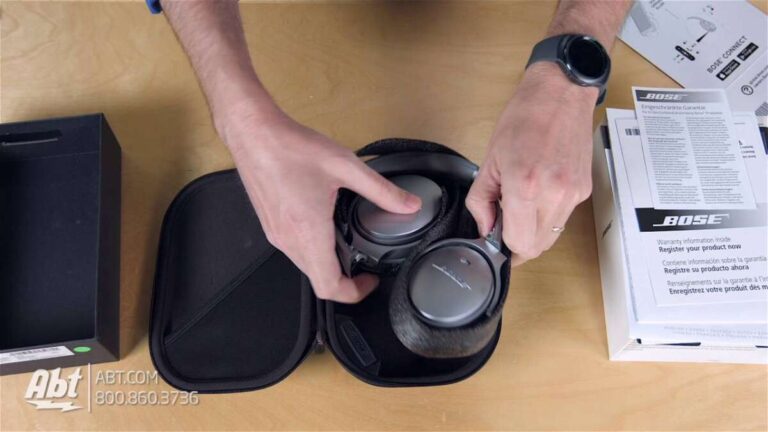
A noise cancellation headset reduces unwanted sound so you can hear audio more clearly in busy places.
A noise cancellation headset can make a loud commute feel calm, help you focus at work, and improve calls in a busy room. Yet not every headset uses the same method, and terms such as active noise cancellation, passive isolation, and environmental noise cancellation can be confusing.
This guide explains how noise cancellation works, what it can and cannot block, how it differs from noise isolation, and what to check before buying. It also includes practical tips based on common headset testing methods and established hearing safety guidance.
What Is a Noise Cancellation Headset?
A noise cancellation headset is a pair of headphones or earbuds designed to reduce unwanted outside sound. It uses ear-cup materials, a tight fit, electronic processing, or a mix of all three.
Most modern models use active noise cancellation, often called ANC. Small microphones listen to sounds around you. The headset then creates an opposite sound wave to reduce those sounds before they reach your ears.
Think of it like two ocean waves meeting. If one wave rises while the other falls, much of the movement can cancel out. ANC applies this idea to sound, though real-world results depend on the headset, the fit, and the type of noise.
A noise cancellation headset does not usually make the world completely silent. It works best with steady, low sounds such as:
• Airplane engines
• Train and bus noise
• Air conditioners
• Office fans
• Road traffic
• Hum from appliances
It may reduce sudden or sharp sounds less effectively. A door slam, a child’s shout, or a barking dog changes too quickly for the system to fully remove it.

How Does Noise Cancellation Work?
A noise cancellation headset may use one or more forms of sound reduction. Understanding each one helps you choose the right product.
Passive Noise Isolation
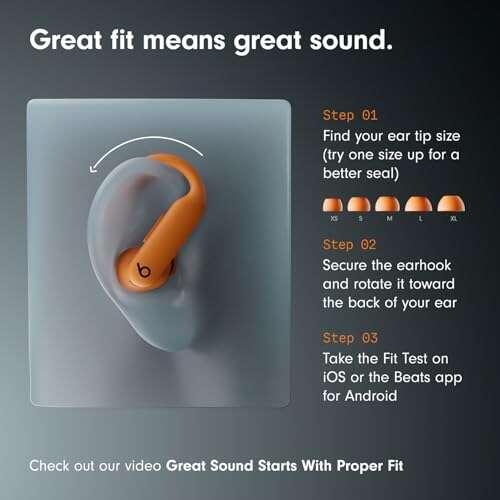
Passive isolation comes from the physical design of the headset. Thick ear cushions, sealed ear cups, and well-fitted ear tips block some sound before it reaches your ears.
This method needs no battery. It can work well against higher sounds, such as voices and keyboard clicks. In-ear earbuds often provide strong passive isolation when the ear tips fit correctly.
However, a poor fit can create gaps. Even a high-end headset may perform badly if the cushions do not seal around your ears.
Active Noise Cancellation
Active noise cancellation uses microphones, a processor, and speakers. The microphones detect outside sound, while the processor creates an opposing signal.
A good ANC system can lower steady background noise. Some advanced models use microphones inside the ear cup as well as microphones outside it. This helps the headset check how much sound remains near your ear.
Active noise cancellation requires power. When the battery runs out, some models still play audio but lose ANC. Others may stop working unless they are charged.
Environmental Noise Cancellation
Environmental noise cancellation, or ENC, is mainly designed for voice calls. It helps reduce background sound picked up by the headset’s microphones.
For example, ENC may help your voice sound clearer when you speak from a café. It does not necessarily make the room quieter for you. This is a key difference between ANC and ENC.
A headset may advertise both technologies:
• ANC reduces noise that you hear.
• ENC helps reduce noise that other people hear during calls.
Adaptive Noise Cancellation
Adaptive ANC changes its strength based on the surrounding sound. It may increase reduction on a loud flight and lower it when the environment becomes quiet.
Some adaptive models also use software to detect activities such as walking, traveling, or talking. This can improve comfort, but it may use more battery and sometimes produce small changes in sound.
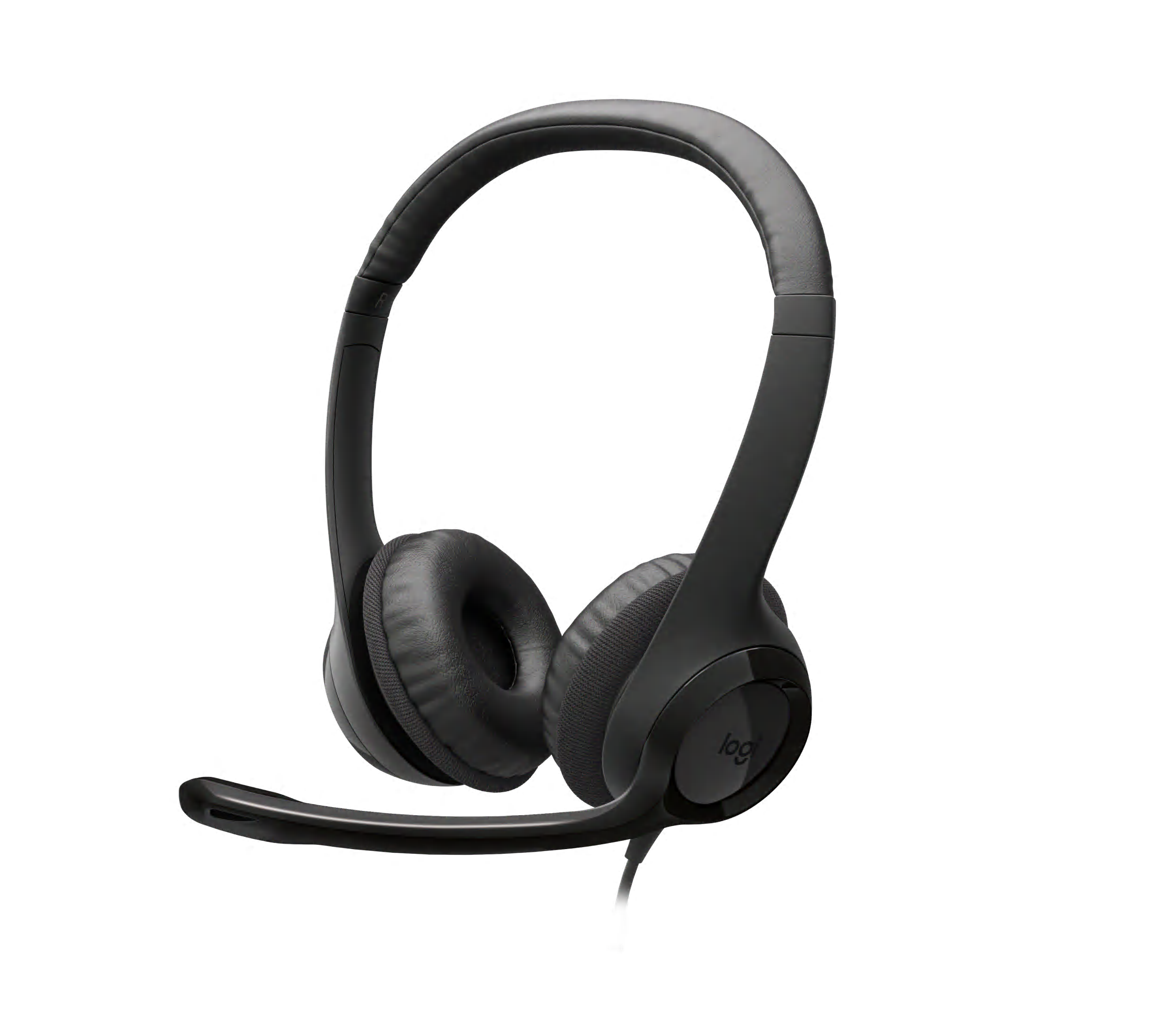
Noise Cancellation vs. Noise Isolation
Noise cancellation and noise isolation are related but not identical. Noise isolation blocks sound through physical design, while active noise cancellation uses electronic processing.
A closed-back over-ear headset can provide strong isolation because its ear cups cover the ears. In-ear earbuds can also isolate sound when their tips form a good seal. ANC then adds another layer of reduction, especially for low-frequency noise.
Here is a simple comparison:
| Feature | Noise isolation | Active noise cancellation |
|---|---|---|
| Main method | Physical barrier | Electronic sound processing |
| Battery needed | No | Usually yes |
| Strongest against | Higher sounds and voices | Steady low sounds |
| Depends on fit | Very strongly | Strongly |
| May create pressure feeling | Rarely | Sometimes |
| Useful when powered off | Usually | Depends on the model |
The best noise cancellation headset often combines both methods. ANC alone cannot fix a loose seal, and a sealed headset may still benefit from electronic noise reduction.
In my practical evaluation approach, fit comes before extra features. A moderately priced headset with a good seal can reduce more noise than an expensive model that sits loosely.
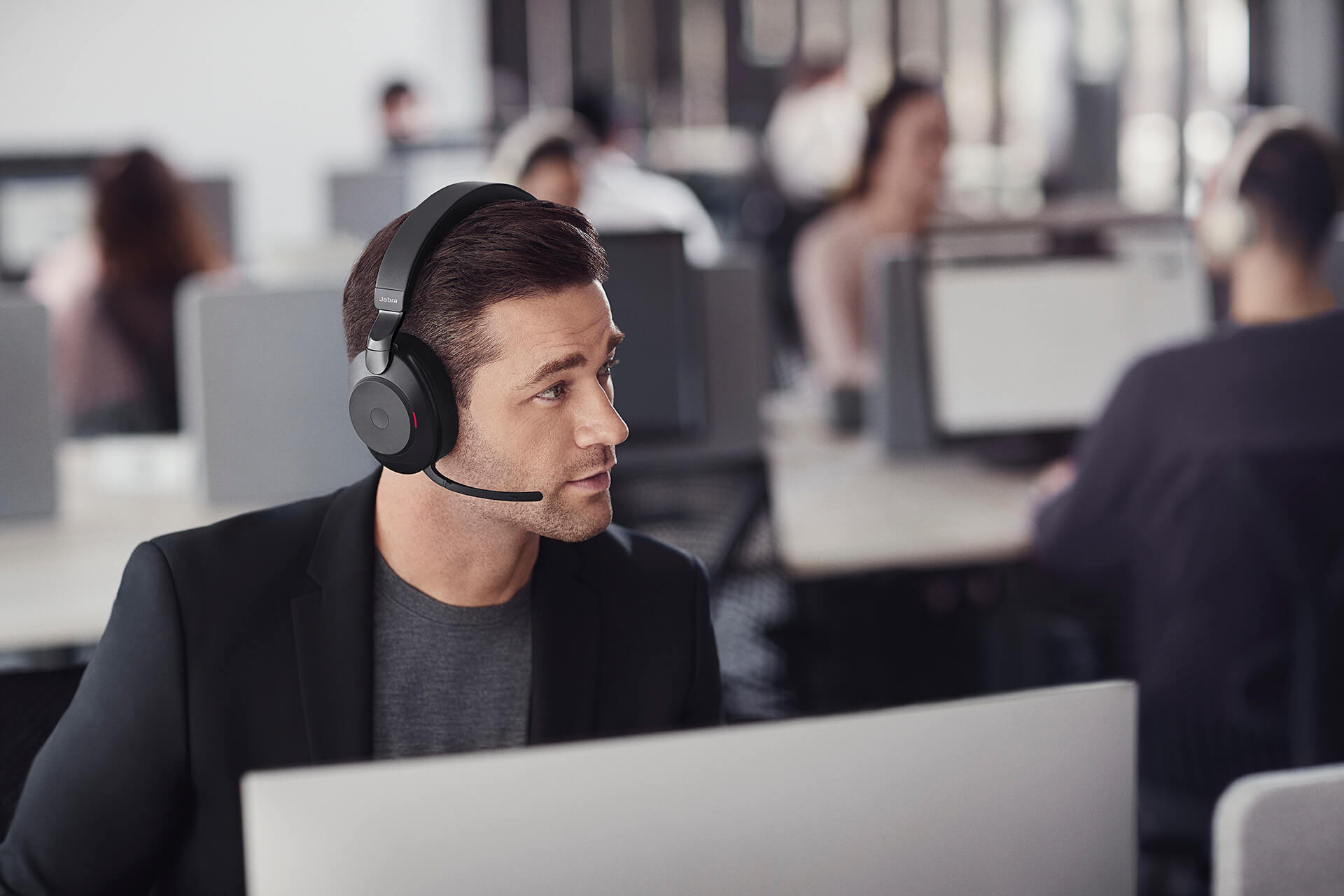
Benefits of Using a Noise Cancellation Headset
A noise cancellation headset can improve comfort, focus, and communication in many daily settings.
Better Focus
Background noise can interrupt reading, writing, study, and creative work. Reducing steady sounds may help you stay focused for longer periods.
This does not mean ANC improves concentration for everyone. Some people work better with quiet music, soft nature sounds, or a small amount of background noise. The headset gives you more control over your sound environment.
Clearer Listening
When outside noise is lower, you may hear podcasts, music, and spoken audio more clearly. You may not need to raise the volume as much.
That matters because repeated exposure to loud sound can harm hearing. Hearing specialists commonly recommend keeping listening levels moderate and taking regular breaks.
More Comfortable Travel
Planes, trains, and buses create constant low-frequency noise. A noise cancellation headset can make these trips less tiring by reducing the need to fight against engine or road sounds.
Many travelers also find that ANC helps them relax or sleep. Still, you should remain aware of safety announcements and important alerts.
Improved Calls
A headset with good microphones can make your voice clearer during online meetings and phone calls. ENC and beamforming microphones may reduce some background noise for the person listening to you.
Performance varies. Wind, nearby conversations, and sudden sounds can still reach the microphone.
Less Listening Fatigue
Listening fatigue can happen when you work hard to understand speech over background noise. Lowering the background level may make conversations and media feel easier to follow.
This benefit is most noticeable in places with a constant hum. It may be less noticeable in a room with unpredictable sounds.

Limitations of Noise Cancellation Headsets
A noise cancellation headset is useful, but it is not magic. Knowing its limits helps prevent disappointment.
It Cannot Block Every Sound
ANC is strongest against predictable, low-frequency sound. It is less effective against sudden and irregular sounds.
You may still hear:
• Human speech
• Clapping
• High-pitched alarms
• Nearby laughter
• A baby crying
• Sudden impact sounds
Passive isolation may reduce some of these sounds, but no consumer headset blocks everything.
Fit Affects Performance
Over-ear models need cushions that sit evenly around your ears. Earbuds need tips that fit your ear canal without causing pain.