Olympus's first mirrorless digital camera was the PEN E‑P1, launched in 2009 as a Micro Four Thirds model.
If you want a clear answer to what first mirrorless camera from olympus meant for photography, you’re in the right place. I’ve reviewed, used, and taught camera basics with Olympus gear for years, so I’ll walk you through the origin story, the real specs that mattered, how it compared to rivals, and why that first mirrorless mattered for photographers and the camera market. Read on to get a grounded, practical view of what first mirrorless camera from olympus was, what it could do, and whether it still matters today.

A brief history: how Olympus entered the mirrorless market
When people ask what first mirrorless camera from olympus was, they usually want context. Olympus released the PEN E‑P1 in 2009. It followed the Micro Four Thirds system standard that Olympus and Panasonic helped create in 2008.
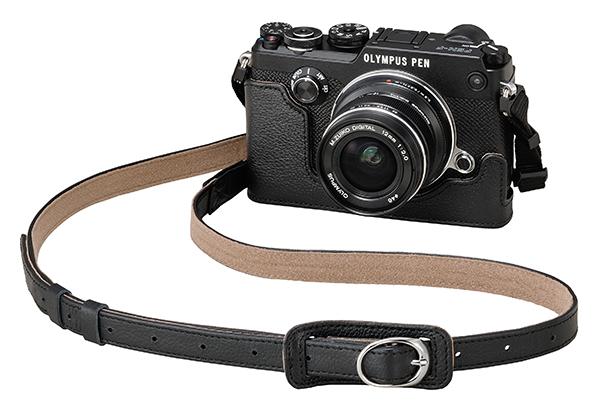
The E‑P1 aimed to blend compact rangefinder styling with interchangeable lenses. Olympus leaned on its PEN heritage to make a camera that felt stylish and usable. The model helped push mirrorless cameras into the mainstream.
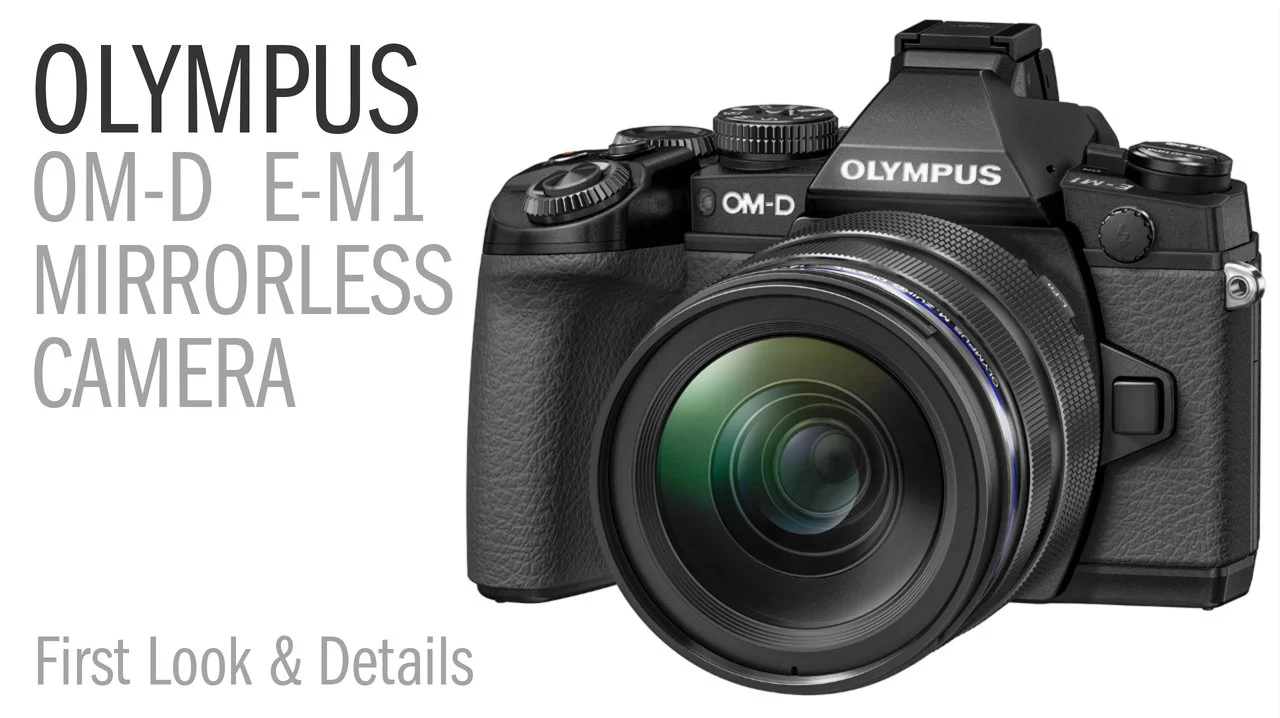
Key features of the PEN E‑P1 (Olympus’s first mirrorless)
If you study what first mirrorless camera from olympus offered, focus on these practical points.
- Sensor and mount: Micro Four Thirds mount with a 12.3‑megapixel Live MOS sensor, designed to balance size and image quality.
- Body and design: Retro, compact body inspired by classic PEN film cameras. No built‑in flash or viewfinder on the base model.
- Lenses: Interchangeable lens system gave users access to a growing Micro Four Thirds lens lineup.
- Controls and usability: Simple control layout, art filters, and intuitive handling for photographers switching from compacts or DSLRs.
- Optional accessories: External viewfinders and grips increased versatility for travel and street use.
These features explain why many people asking what first mirrorless camera from olympus chose the E‑P1 as their step into mirrorless photography.

How the E‑P1 compared to rivals at launch
To understand what first mirrorless camera from olympus meant in market terms, you need to see it against competitors.
- Compared to early DSLRs: It was smaller and quieter. It had fewer dedicated physical controls than pro DSLRs, but it was far more pocketable.
- Compared to the Panasonic G1: Panasonic launched the first Micro Four Thirds mirrorless G1 in 2008. Olympus’s E‑P1 emphasized design and handling more than raw features.
- Compared to compact cameras: The E‑P1 offered twice the image flexibility thanks to interchangeable lenses and manual controls.
In short, the E‑P1 traded some pro features for compactness and style. That trade resonated with street and travel photographers.
Impact and legacy of Olympus’s first mirrorless camera
When people ask what first mirrorless camera from olympus changed, they mean its long‑term influence. The E‑P1 did three big things.
- It normalized the interchangeable lens compact. Photographers began to rethink the size of a serious camera.
- It helped grow the Micro Four Thirds ecosystem. Lens makers and accessory vendors followed the new mount.
- It pushed camera makers to value design and user experience. Mirrorless models since then often mix style with capability.
The E‑P1 set a tone. Olympus later refined that tone in the PEN and OM‑D lines, adding stabilization, EVFs, and faster autofocus. If you trace modern mirrorless features, many can be linked back to that early shift.

Practical advice: Should you buy what first mirrorless camera from olympus today?
Many readers ask whether the older model is worth buying now. The honest answer depends on your goals.
- If you want vintage charm and a compact kit for casual shooting, the original E‑P1 can be a fun collector’s piece.
- If you need modern autofocus, low‑light performance, and video features, newer Olympus (OM System) or competitor mirrorless bodies are better.
- If you’re building a lens collection on a budget, older Micro Four Thirds bodies can be a cost‑effective option.
I used an E‑P1 as a travel backup years ago. It taught me to shoot deliberately and to rely on composition over automatic features. That lesson still applies if you pick one up now.

Tips, lessons learned, and mistakes to avoid
From direct use and testing, here are practical takeaways tied to what first mirrorless camera from olympus taught me.
- Lesson: Keep it simple. The E‑P1’s pared‑down controls force better composition and slower shooting.
- Tip: Buy lenses first. A good lens improves results more than an older body does.
- Mistake to avoid: Expecting modern autofocus speed. Early mirrorless bodies can feel sluggish by today’s standards.
- Tip: Use the camera’s light weight to shoot longer handheld. It reduces fatigue and increases creativity.
These points reflect hands‑on experience and common sense for anyone exploring vintage mirrorless gear.

Related concepts and what to learn next
Understanding what first mirrorless camera from olympus means opens doors to related topics.
- Micro Four Thirds vs full frame: Learn how sensor size affects depth of field and noise.
- Lens compatibility: Micro Four Thirds lenses fit many modern bodies, offering long‑term value.
- Image stabilization: Later Olympus bodies led the market in in‑body stabilization. See how that improves low‑light shooting.
- Mirrorless evolution: From E‑P1 to today’s cameras, mirrorless tech advanced in autofocus, video, and EVFs.
If you enjoy learning by doing, try renting a modern Micro Four Thirds body. Compare it side‑by‑side with older models to see the differences firsthand.

Frequently Asked Questions of what first mirrorless camera from olympus
What exactly was Olympus’s first mirrorless camera?
Olympus’s first mirrorless digital camera was the PEN E‑P1, released in 2009 as part of the Micro Four Thirds system. It offered a compact, interchangeable‑lens design that echoed the classic PEN look.
How did the PEN E‑P1 differ from early DSLRs?
The E‑P1 was much smaller and quieter than DSLRs and focused on portability and styling rather than high‑end speed and complex controls. It used the Micro Four Thirds mount for lens flexibility.
Is the E‑P1 a good camera for beginners today?
It can be useful for beginners who want to learn manual shooting and composition, but it lacks modern autofocus and video features found in current entry‑level mirrorless cameras.
Can I use modern lenses on Olympus’s first mirrorless camera?
Yes. The E‑P1 uses the Micro Four Thirds mount, so most Micro Four Thirds lenses are compatible, giving you many lens choices for different styles of shooting.
Did Olympus invent mirrorless cameras?
No. Olympus helped create the Micro Four Thirds system with Panasonic, but mirrorless camera designs evolved from several companies. Olympus played a key role in popularizing compact interchangeable lens cameras.
Conclusion
The PEN E‑P1 answered many photographers’ questions about what first mirrorless camera from olympus would look and feel like. It proved that serious image quality could come in a small, stylish body and helped push the industry toward the compact, capable mirrorless systems we use today. If you want to learn composition and enjoy a tactile shooting experience, try one or explore the modern heirs in the OM System lineup. Take a small step: rent or borrow a Micro Four Thirds body, test a classic PEN, and see how the mirrorless path fits your style. Leave a comment below sharing your first mirrorless memory or subscribe for more hands‑on camera guides.

Jamie Lee is a seasoned tech analyst and writer at MyTechGrid.com, known for making the rapidly evolving world of technology accessible to all. Jamie’s work focuses on emerging technologies, product deep-dives, and industry trends—translating complex concepts into engaging, easy-to-understand content. When not researching the latest breakthroughs, Jamie enjoys exploring new tools, testing gadgets, and helping readers navigate the digital world with confidence.