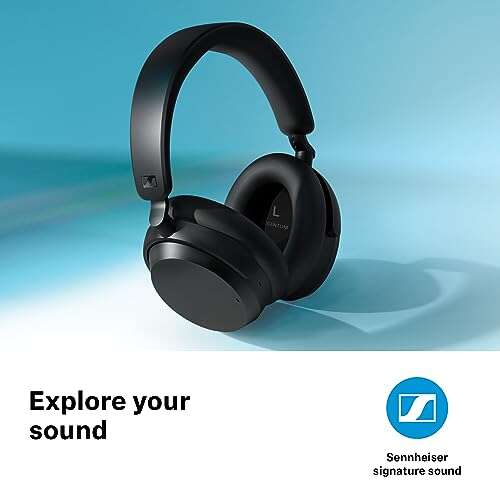
Audiophiles in the United States use many kinds of headphones, but most serious listeners choose wired, over-ear models because they can deliver high sound quality without Bluetooth compression, battery limits, or heavy digital processing. Popular examples include the sennheiser HD 600 and HD 800 S, HIFIMAN Edition XS and Sundara, Audeze LCD-X, Focal Clear MG, Beyerdynamic DT 1990 Pro, and Dan Clark Audio Aeon 2 Noire.
There is no single “audiophile headphone.” The best choice depends on your music, room, comfort needs, amplifier, budget, and taste. Some listeners prefer a neutral sound. Others want deep bass, a wide stage, or a smooth and relaxed tone.
This guide explains what audiophiles look for, which headphone types are common, and how to choose a model without wasting money on features you do not need.


What makes a headphone “audiophile”?
An audiophile headphone is designed to reproduce music with a high level of detail, control, and consistency. The term is informal. It does not describe a legal class, lab grade, or official certification.
Audiophiles often look for:
- A balanced or pleasing frequency response
- Low distortion at normal listening levels
- Clear detail without harsh treble
- Controlled bass rather than loose or muddy bass
- Good channel matching
- Comfortable long-term wear
- Replaceable cables and serviceable parts
- A sound that suits the listener’s music and taste
A high price does not guarantee better sound. A $300 headphone may suit one listener more than a $1,500 model. Comfort and sound preference often matter more than the logo on the ear cup.
Neutral sound is not the same as “best”
A neutral headphone aims to reproduce the recording with limited tonal color. Many audiophiles use neutral headphones for jazz, classical music, acoustic music, and studio work.
Neutral does not always mean exciting. A neutral model may sound light in the bass if you are used to consumer headphones with a strong low end. A warmer headphone may add body to vocals and make long listening easier.
Detail, resolution, and brightness are different
A headphone with more treble may seem more detailed at first. Yet extra treble can also make cymbals, strings, and “s” sounds sharp.


True resolution involves more than bright sound. It includes the ability to separate instruments, reveal small changes in a recording, and keep bass clean when the music becomes busy.
Soundstage depends on more than the headphone
Soundstage describes the perceived width, depth, and placement of sounds. Open-back headphones often create a more spacious presentation than closed-back models, but the recording and headphone design also matter.
A wide soundstage is not always accurate. Some recordings sound better with a focused, intimate presentation.

Which headphones do audiophiles use most often?
Audiophiles commonly use wired open-back and closed-back headphones from brands such as Sennheiser, HIFIMAN, Audeze, Focal, Beyerdynamic, Audio-Technica, Dan Clark Audio, Meze, and Sony.
The following models are well-known examples. They are not a ranked list, and each has clear strengths and limits.
| Headphone | Type | Why audiophiles consider it | Main limitation |
|---|---|---|---|
| Sennheiser HD 600 | Open-back, dynamic | Natural midrange and strong value | Bass is not very deep |
| Sennheiser HD 800 S | Open-back, dynamic | Very spacious and highly detailed | Large design; can sound bright to some listeners |
| HIFIMAN Sundara | Open-back, planar magnetic | Clear sound and strong detail for its class | Quality control and comfort may vary by unit or user |
| HIFIMAN Edition XS | Open-back, planar magnetic | Large stage and extended bass | Large fit; may need an amplifier for best headroom |
| Audeze LCD-X | Open-back, planar magnetic | Powerful bass and high resolution | Heavy compared with many rivals |
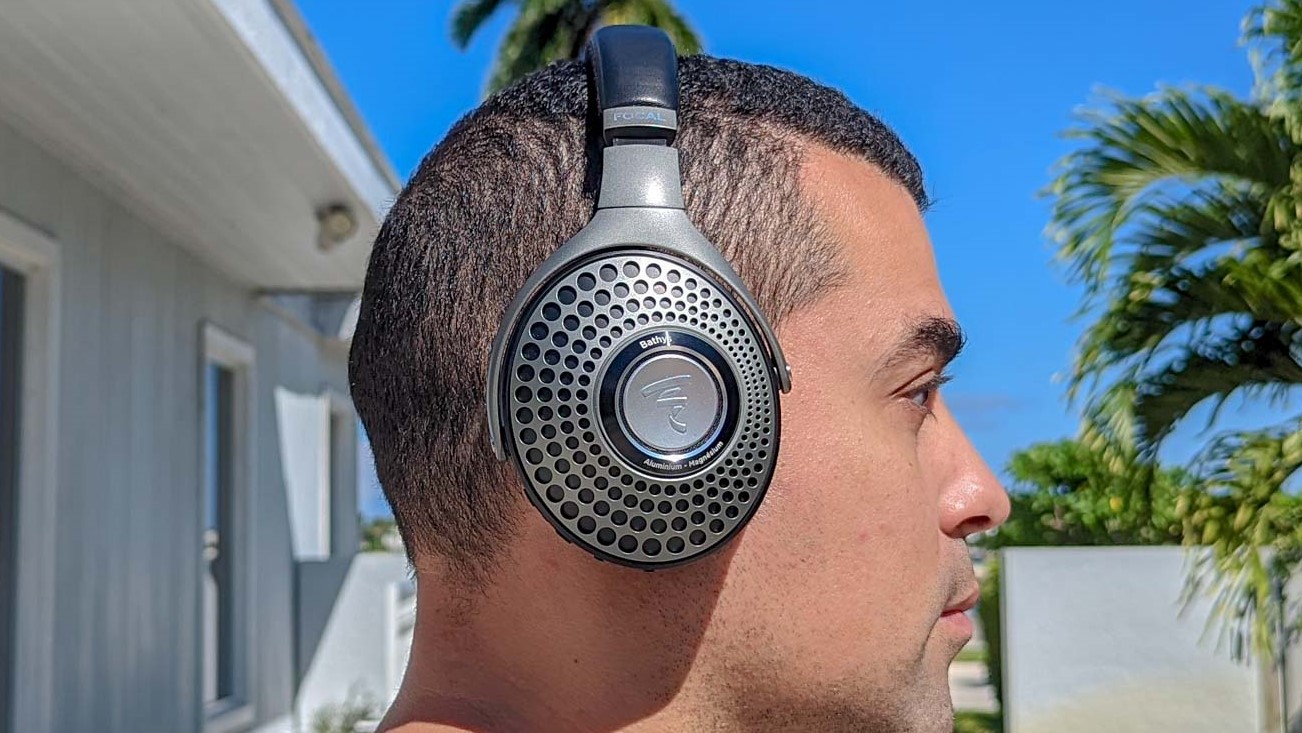
| Focal Clear MG | Open-back, dynamic | Punchy sound and detailed vocals | Premium price and limited isolation |
| Beyerdynamic DT 1990 Pro | Open-back, dynamic | Strong detail and replaceable parts | Treble can be intense for some listeners |
| Dan Clark Audio Aeon 2 Noire | Closed-back, planar magnetic | Good isolation with a refined sound | Less open and airy than open-back designs |
| Meze 109 Pro | Open-back, dynamic | Comfortable fit and lively presentation | Not a neutral choice for every listener |
| Sony MDR-Z1R | Closed-back, dynamic | Large, rich sound with strong comfort | Expensive and not designed for strict neutrality |
Sennheiser HD 600: the classic reference choice
The Sennheiser HD 600 remains popular because it has a clear midrange, moderate weight, and a mature sound. Vocals, guitars, piano, and many acoustic instruments are easy to follow.
It is also easy to maintain. Replacement pads and cables are widely available. Its main limit is the open-back design and modest sub-bass, so it is not ideal for noisy rooms or bass-heavy music.
HIFIMAN planar magnetic models
HIFIMAN offers several planar magnetic headphones that audiophiles use for their detailed sound and strong bass control. The Sundara, Edition XS, Ananda, and higher-end models target different price and comfort needs.
Planar magnetic headphones use a thin diaphragm moved by magnets across a broad surface. They often produce clean bass and a fast response, though the benefits depend on the specific design.
Audeze LCD-X: weight and performance
The Audeze LCD-X is a full-size planar magnetic headphone known for strong bass extension and high detail. It can work well for electronic music, rock, hip-hop, orchestral music, and studio monitoring.
Its weight is a serious factor. Some people can wear it for hours, while others find the fit tiring. A good return policy matters when trying a heavy headphone.
Focal headphones: dynamic impact
Focal’s open-back models are often chosen for their punchy dynamics. “Dynamics” means how strongly the headphone moves from quiet to loud sounds and how sharply it presents attacks such as drum hits or plucked strings.
Focal headphones may suit listeners who want detail without a soft or distant presentation. They are usually less forgiving of a poor fit than simpler designs.
Beyerdynamic DT 1990 Pro: analytical detail
The DT 1990 Pro is a common choice for listeners who value treble detail, separation, and a sturdy build. It comes with different pad options that can change the balance and feel.


Its treble can sound too strong with bright recordings or sensitive listeners. This is a good example of why reviews cannot replace personal listening.

Open-back or closed-back: which do audiophiles prefer?
Audiophiles often prefer open-back headphones at home because they can sound more spacious and natural. Closed-back headphones are better when you need privacy, isolation, or less sound leakage.
Open-back headphones
Open-back ear cups allow some air and sound to pass through the rear of the driver. This can reduce the boxed-in effect found in some closed headphones.
- A more open presentation
- Less pressure from trapped air
- Good awareness of instrument placement
- Often comfortable for home listening
Limits include:
- Almost no sound isolation
- Music leaks into the room
- Outside noise reaches your ears
- Poor choice for offices, airplanes, and shared rooms
Do not use open-back headphones near traffic, machinery, or other hazards. They can block your awareness even though they do not fully seal your ears.
Closed-back headphones
Closed-back headphones seal the rear of the driver. This helps keep outside noise out and music in.
Benefits include:
- Better isolation
- Less sound leakage
- Stronger bass impact in some designs
- More useful for travel and shared spaces
Closed-back models can sound less spacious, but a well-designed pair can still sound clear and natural. Some also create more heat around the ears during long sessions.
Wireless and noise-canceling headphones
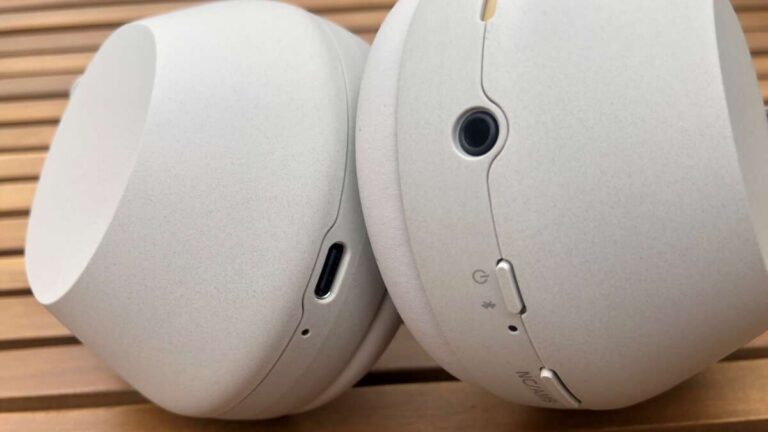
Wireless noise-canceling headphones are useful for travel and daily life. They are not automatically poor for sound quality. However, their sound depends on Bluetooth codecs, internal digital processing, battery power, and app settings.
Many audiophiles own both:
- A wired open-back pair for quiet home listening
- A wireless noise-canceling pair for travel
That is often more practical than asking one headphone to do every job.

Do audiophiles use wired or wireless headphones?
Most dedicated listening setups still use wired headphones. A wired connection avoids battery limits and usually offers a direct signal path from the source to the headphone amplifier.


Wireless headphones can still sound very good. Modern Bluetooth systems may support high-quality codecs, but the final result depends on the phone, computer, codec, firmware, and headphone tuning.
Why wired headphones remain common
Wired headphones offer:
- No battery to charge
- No Bluetooth pairing problems
- Easy use with a desktop amplifier
- Broad compatibility with music players and interfaces
- Simple cable replacement
- No radio connection between the source and headphone
A wired connection does not guarantee better sound. The headphone’s design and tuning still matter most.
When wireless makes more sense
Choose wireless if you:
- Move around often
- Listen in public spaces
- Need active noise cancellation
- Prefer a simple setup
- Do not want a desktop amplifier
For many people, the best answer is not wired versus wireless. It is one pair for focused listening and another for travel.

Do audiophile headphones need an amplifier?
Some headphones benefit from a dedicated amplifier, but not every audiophile headphone needs one. The answer depends mainly on impedance, sensitivity, listening volume, and the source device.
Impedance and sensitivity
Impedance is measured in ohms. It describes how much electrical resistance the headphone presents to the source.
Sensitivity describes how loudly a headphone can play from a given electrical input. Manufacturers may report it in decibels per milliwatt or decibels per volt, so do not compare numbers without checking the unit.
A high-impedance headphone may need more voltage. A low-sensitivity planar magnetic headphone may need more current. A phone can power some headphones well but struggle with others.
Signs that your source may be too weak
Your source may need help if:
- You must set the volume near its maximum
- The sound is still too quiet
- Bass becomes weak or changes at high volume
- You hear distortion
- The source shuts down or behaves irregularly
A headphone amplifier can provide more power and cleaner volume control. It cannot fix poor tuning, a bad recording, or a poor fit.
A simple setup path
Use this order:
- Connect the headphone to your current source.
- Set the source to a safe listening level.
- Check whether it becomes loud enough without distortion.
- Add a headphone amplifier only if you need more level, features, or connection options.
- Avoid buying an amplifier solely because a headphone has a high price.
A digital-to-analog converter, or DAC, changes digital audio into an analog signal. A headphone amplifier increases the signal’s ability to drive the headphone. Many desktop units combine both functions.


What should you look for when choosing audiophile headphones?
Start with your listening situation, not with a product name. The right headphone for a quiet room may be the wrong one for an office or subway.
1. Decide where you will listen
- Quiet home: Open-back headphones are often a strong fit.
- Shared room: Consider closed-back headphones.
- Air travel: Wireless noise-canceling headphones are more practical.
- Office use: Choose isolation and low sound leakage.
- Recording or mixing: A predictable tonal balance matters.
- Gaming: Comfort, imaging, and microphone needs may matter more than extreme detail.
2. Match the sound to your music
| Music or use | Features to consider |
|---|---|
| Classical and acoustic | Clear mids, separation, natural treble |
| Jazz and vocal music | Realistic midrange and smooth upper mids |
| Rock | Strong dynamics and controlled upper mids |
| Hip-hop and electronic | Deep, controlled bass |
| Long work sessions | Comfortable pads and moderate treble |
| Mixing and editing | Consistent, balanced response |
| Movies and games | Imaging, comfort, and clear dialogue |
These are starting points, not rules. A listener who loves bass can enjoy classical music, and a listener who prefers neutral sound can enjoy electronic music.
3. Check fit and weight
A headphone that sounds good but hurts after 20 minutes is a poor choice. Look at:
- Ear cup size
- Clamp force
- Headband pressure
- Pad material
- Total weight
- Heat buildup
- Availability of replacement pads
Planar magnetic headphones are often heavier, but not all heavy headphones feel uncomfortable. Weight distribution matters as much as the number on the specification sheet.
4. Check your source and cable
Before buying, verify:
- The headphone uses a connector your source can accept
- The cable length fits your setup
- The cable is replaceable if that matters to you
- Your amplifier has enough output for the headphone
- You can return the headphone if the fit or sound fails
Balanced cables and balanced amplifier outputs can be useful in some systems, but they do not automatically make a headphone sound better. Do not buy balanced equipment as a substitute for a good headphone match.
How much should you spend on audiophile headphones?
A reasonable budget depends on your priorities, but strong options exist at several price levels.
| Budget range | What you can usually find |
|---|---|
| Under $150 | Entry-level wired headphones and some capable closed-back models |
| $150–$400 | Strong open-back and planar magnetic choices |
| $400–$1,000 | Higher build quality, better refinement, and more specialized designs |
| Over $1,000 | Premium materials and design differences, with smaller gains for many listeners |
These ranges are broad. Regional prices, sales, replacement costs, and discontinued models can change the value.
The biggest improvement often comes from moving away from a poor fit or heavily colored headphone to one that matches your taste. The jump from $200 to $1,000 may be much less obvious than the jump from a basic consumer model to a well-matched $200 headphone.
Budget for accessories only when they solve a real problem. A replacement cable may be useful. An expensive cable marketed as a guaranteed sound upgrade usually deserves skepticism unless it changes a practical issue such as length, connection, or durability.

Do audiophiles use in-ear monitors?
Yes. Many audiophiles use in-ear monitors, or IEMs, instead of full-size headphones. IEMs place small drivers inside or near the ear canal and can offer strong detail, isolation, and portability.
Popular audiophile IEM brands include Moondrop, Etymotic, Sennheiser, Campfire Audio, 64 Audio, Thieaudio, and Sony. Specific models change often, so the same buying rules apply: check fit, tuning, source compatibility, warranty, and return terms.
IEMs may be a better choice if you:
- Need strong passive isolation
- Travel often
- Want a small audio setup
- Prefer a direct, intimate presentation
- Need less heat than over-ear pads create
Fit is critical. If the ear tips do not seal well, bass may disappear and outside noise may become more noticeable. Never force an ear tip into the canal. Stop using an IEM if you feel pain, pressure, or irritation.

Common mistakes audiophile headphone buyers make
Buying from specifications alone
Frequency-response graphs, impedance, and driver type can help narrow a choice. They cannot tell you whether the clamp, pads, treble, or stage will suit you.
Assuming expensive means accurate
Premium headphones may use costly materials and complex drivers. That does not make their sound more natural for every listener.
Ignoring comfort
Comfort affects how often you use a headphone. A less expensive model that you wear daily can be more valuable than a costly model that stays in its box.
Using an open-back headphone in a noisy room
Open-back headphones cannot remove traffic, voices, or appliances. If you raise the volume to cover outside noise, you may increase hearing risk.
Chasing tiny equipment upgrades
A headphone change usually creates a larger audible difference than a premium cable or small amplifier change. Upgrade the part that limits your system.
Listening too loudly
The National Institute on Deafness and Other Communication Disorders warns that loud sound can damage hearing. Keep the volume as low as practical, take breaks, and give your ears time to recover after long sessions.

Frequently asked questions
What is the most common audiophile headphone?
The Sennheiser HD 600 is one of the most widely recognized reference-style headphones among audiophiles. It is popular for its natural midrange, serviceable design, and long record in home and studio listening. It is not the best fit for everyone, especially listeners who want strong sub-bass or isolation.
Are open-back headphones better than closed-back headphones?
Neither type is always better. Open-back headphones often suit quiet home listening and may create a more spacious sound. Closed-back headphones work better when you need isolation, privacy, or less sound leakage.
Can audiophile headphones work with a phone?
Some can. Easy-to-drive models may play at a useful level from a phone, while high-impedance or low-sensitivity models may need a USB DAC and headphone amplifier. Check the headphone’s sensitivity and your phone’s output before buying extra equipment.
Do audiophiles use noise-canceling headphones?
Yes, especially for travel. Noise-canceling headphones are practical because they reduce outside sound and help listeners avoid turning up the volume. Many audiophiles use them outside the home and a wired open-back model for focused listening.
Are planar magnetic headphones better than dynamic headphones?
No driver type is always better. Planar magnetic headphones can offer controlled bass and detailed reproduction. Dynamic headphones can provide natural dynamics, lighter weight, and strong value. The complete design matters more than the driver label.
How long should audiophile headphones last?
A well-made headphone can last for many years when stored safely and kept clean. Replaceable pads and cables can extend its useful life. Avoid moisture, extreme heat, sharp bends in the cable, and high playback levels.

Final recommendation
For a first serious pair, choose based on your room and taste:
- Pick an open-back headphone such as the Sennheiser HD 600, HIFIMAN Sundara, or HIFIMAN Edition XS for quiet home listening.
- Pick a closed-back headphone such as the Dan Clark Audio Aeon 2 Noire for isolation.
- Consider the Audeze LCD-X or a similar planar model if you want deep bass and high resolution and do not mind extra weight.
- Consider the Beyerdynamic DT 1990 Pro if you want clear detail and a sturdy, serviceable design.
- Choose a wireless noise-canceling model for travel rather than forcing a home audiophile headphone to serve every purpose.
The safest buying method is simple: define where you will listen, choose open or closed, check comfort and source power, and buy from a seller with a fair return policy. In headphone listening, the best model is not the most expensive one. It is the one you can wear comfortably, drive properly, and enjoy for hours.

Everett Ashford is a tech reviewer at mytechgrid.com specializing in SSDs, cameras, TVs, earbuds, headphones, and other consumer electronics. He provides honest, data-driven reviews based on hands-on testing and real-world performance analysis. Everett simplifies complex tech details to help readers make smart, confident buying decisions.