
Your ear contains the ear canal, eardrum, tiny bones, fluid-filled organs, nerves, and protective earwax.
When people ask what is in your ear, they may mean its normal anatomy, earwax, or a trapped object. Understanding the parts of the ear helps you spot what is normal, avoid injury, and know when to seek care. This guide explains the ear from the outside in, using clear medical facts and practical safety tips.
What Is in Your Ear? A Simple Overview
Your ear is more than a small opening on the side of your head. It is a complex system that helps you hear sounds and keep your balance.
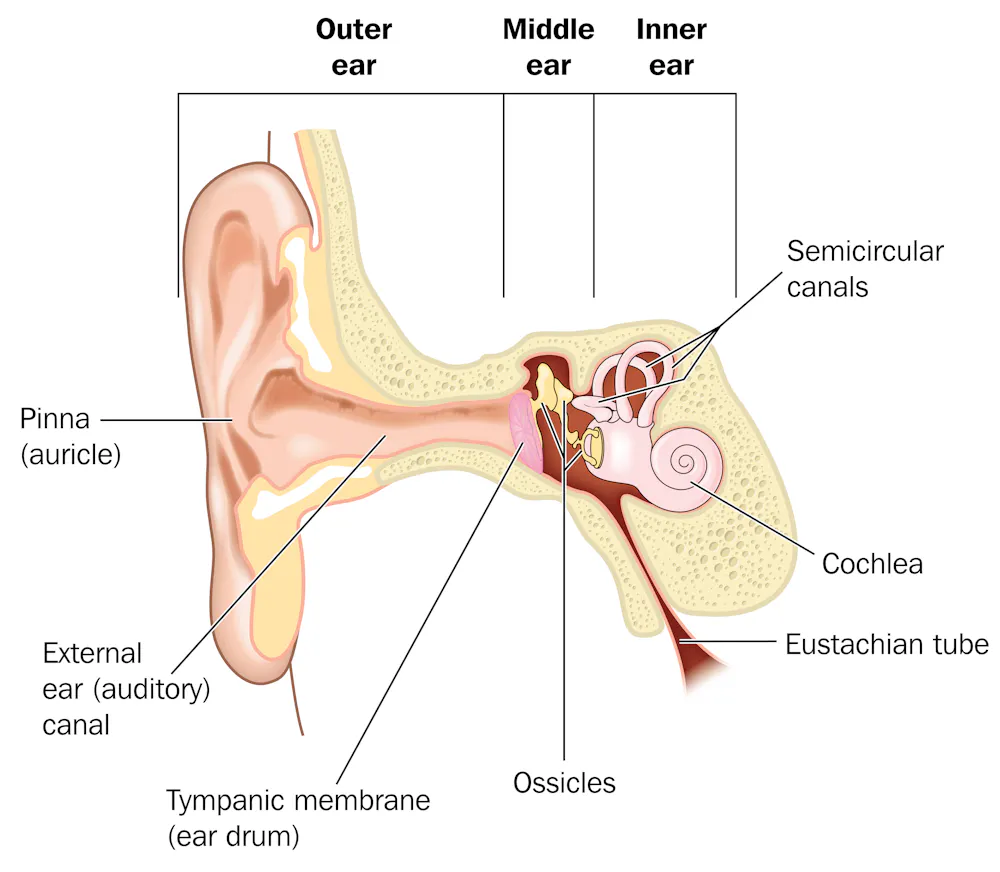
The ear has three main sections:
• The outer ear collects sound.
• The middle ear changes sound into vibrations.
• The inner ear turns vibrations into nerve signals and helps control balance.
So, what is in your ear depends on which section you mean. A healthy ear may contain skin, hair, air, earwax, tiny bones, fluid, nerves, and delicate sensory cells.
The Outer Ear
The outer ear is the part you can see and the short passage that leads inward. It includes the pinna, or auricle, and the ear canal.
The pinna
The pinna is the visible part of your ear. Its curves help collect sound waves and guide them toward the ear canal.
The pinna also helps your brain tell where a sound comes from. For example, the shape of your ear can help you notice whether a voice comes from in front of you, behind you, above you, or below you.
The ear canal
The ear canal is a narrow tube that runs from the outer ear to the eardrum. In adults, it is usually about 1 inch long, though its exact size varies.
Inside the ear canal, you may find:
• Thin skin
• Small hairs
• Sweat glands
• Oil-producing glands
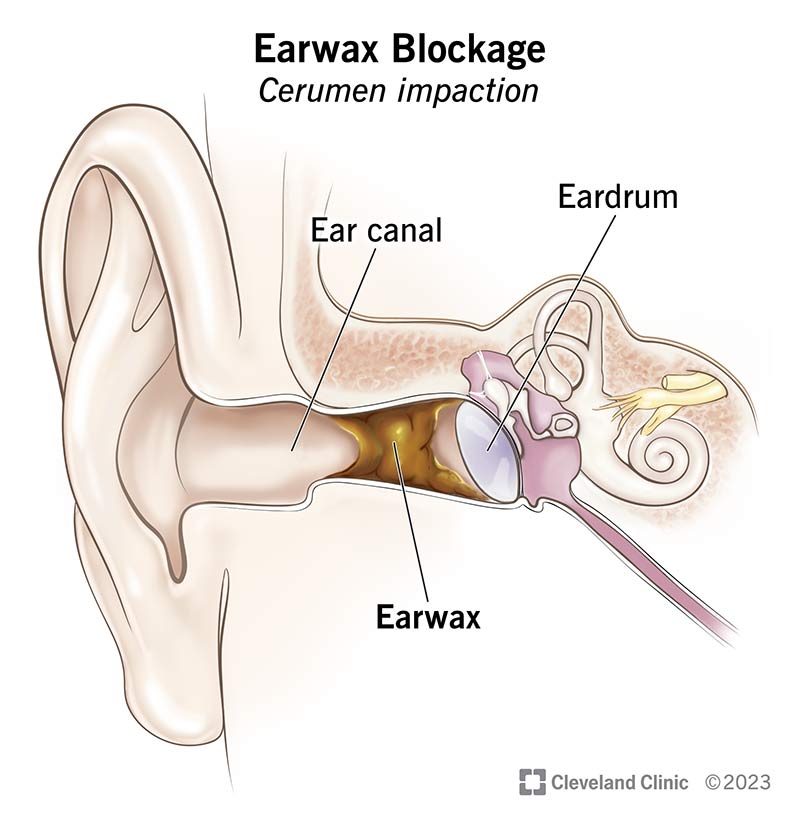
• Earwax
• Air
The ear canal is not an empty tunnel. Its skin and glands create a protective barrier. The canal also bends slightly, which helps keep dust and small objects away from the eardrum.
What Is Earwax?
Earwax, also called cerumen, is a natural substance made in the ear canal. It contains oils, shed skin cells, sweat, and other small particles.
Many people think earwax is dirty. It is not. Earwax helps protect the ear in several ways:
• It traps dust and debris.
• It reduces dryness and itching.
• It helps slow the growth of some bacteria and fungi.
• It moves dead skin toward the ear opening.
The color of earwax can range from pale yellow to orange, brown, or gray. Wet and sticky earwax is common, while dry and flaky earwax is also normal. Genetics often influence the type you produce.
A common mistake is cleaning deep inside the ear with a cotton swab. This can push wax farther in, scratch the canal, or damage the eardrum. The ear usually cleans itself as the jaw moves during talking and chewing.
What is in your ear may be harmless wax, but a blocked feeling does not always mean wax is the cause. Infection, fluid, swelling, allergies, or a foreign object can feel similar.
The Eardrum
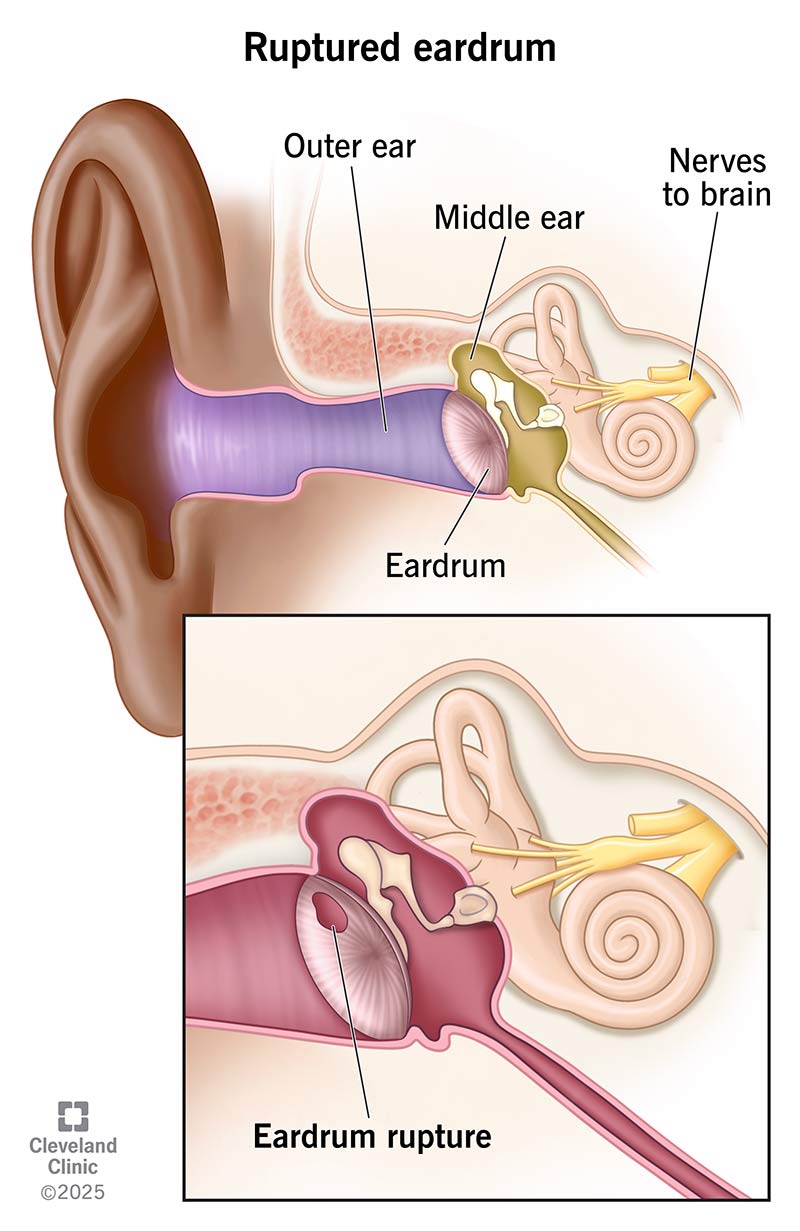
The eardrum, or tympanic membrane, is a thin layer of tissue at the end of the ear canal. It separates the outer ear from the middle ear.
Sound waves make the eardrum vibrate. These movements pass into the tiny bones behind it.
The eardrum also protects the middle ear from water, bacteria, and outside material. Even though it is thin, it is strong and flexible.
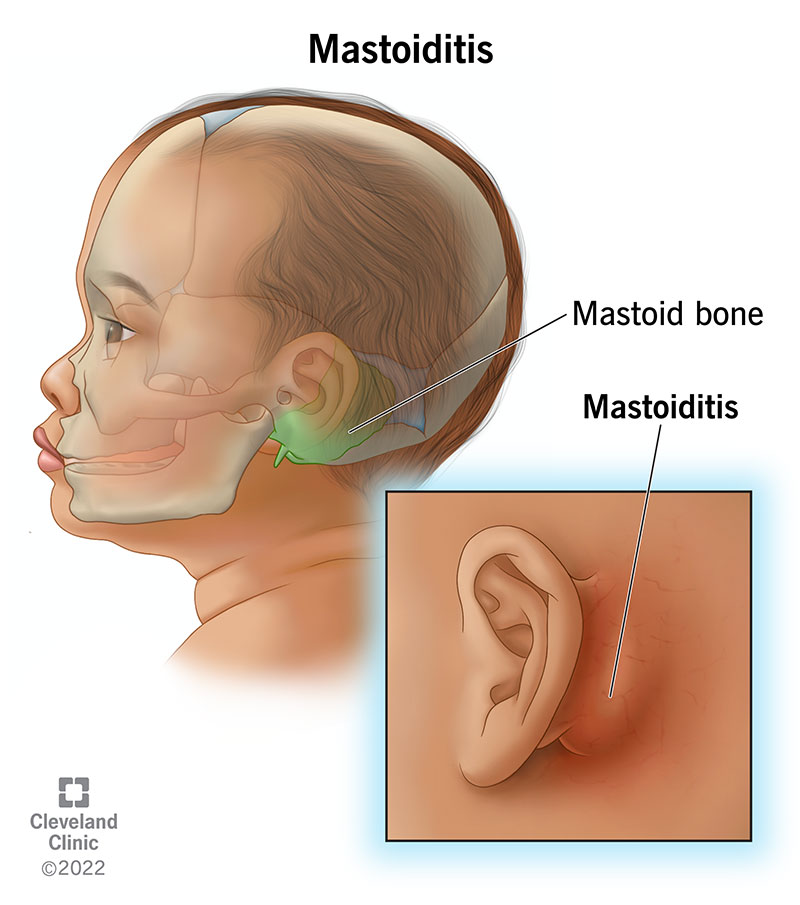
A hole or tear in the eardrum is called a perforation. It can result from infection, loud noise, pressure changes, or inserting an object into the ear.
Possible signs of eardrum damage include:
• Sudden ear pain
• Hearing loss
• Fluid, blood, or pus from the ear
• Ringing in the ear
• Dizziness
If these symptoms appear, avoid putting drops or objects into the ear unless a health professional tells you to do so.
What Is in Your Middle Ear?
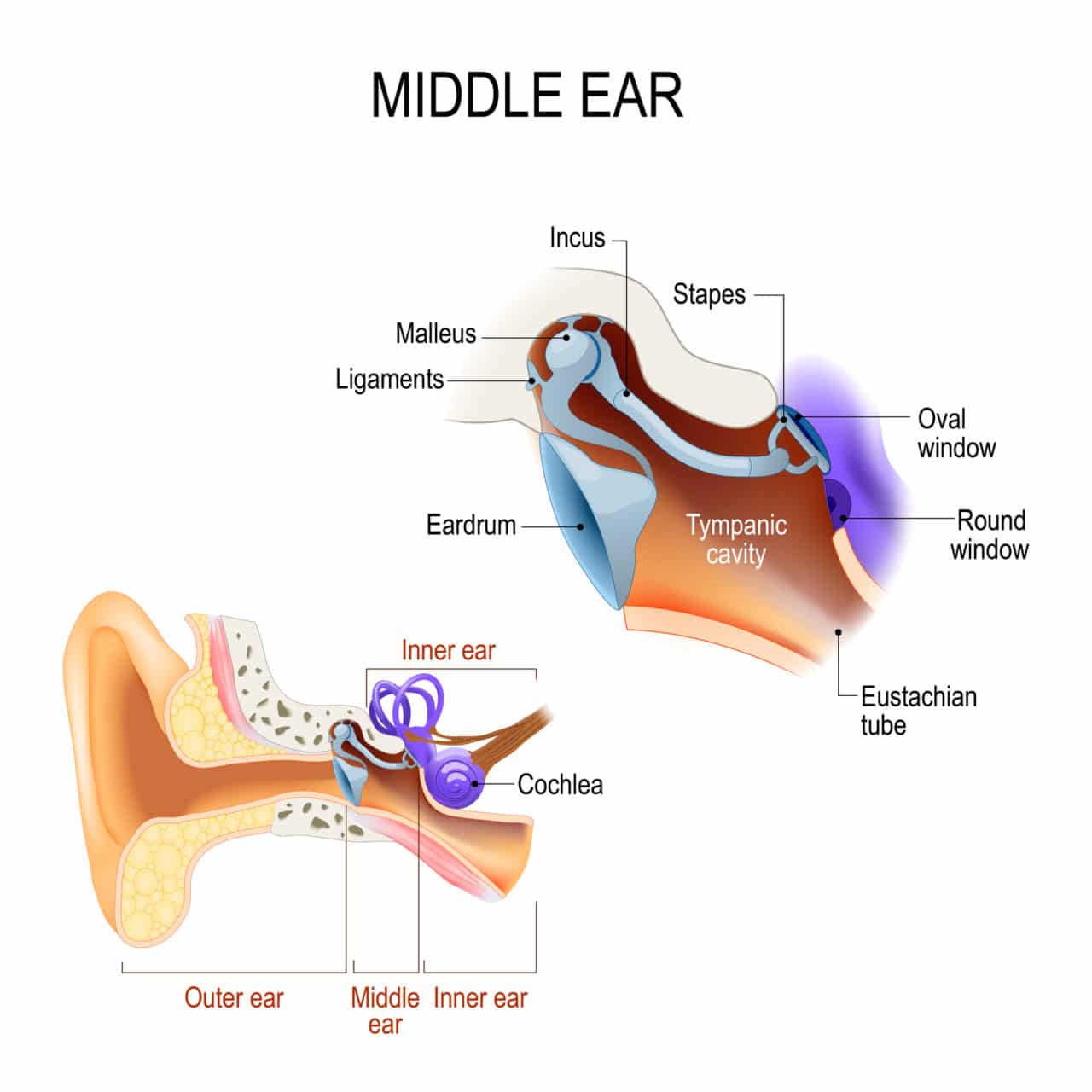
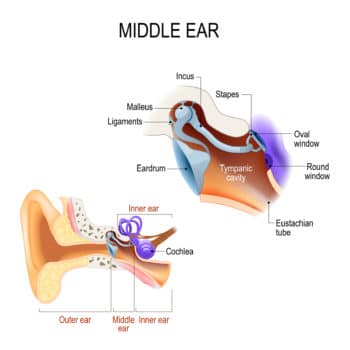
The middle ear is a small, air-filled space behind the eardrum. It contains three tiny bones called the ossicles.
These bones are:
• The malleus, also called the hammer
• The incus, also called the anvil
• The stapes, also called the stirrup
The ossicles form a chain. The malleus connects with the eardrum, and the stapes connects with the oval window of the inner ear.
Their job is to strengthen and pass along sound vibrations. You can think of them as a small mechanical bridge. The bridge carries movement from the eardrum to the fluid-filled inner ear.
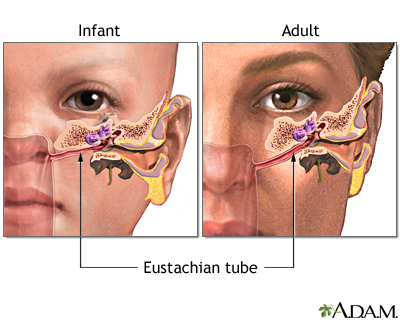
The middle ear also connects to the back of the nose through the Eustachian tube. This tube helps balance air pressure on both sides of the eardrum.
When you swallow, yawn, or chew, the Eustachian tube may open. That is why these actions can help your ears feel better during an airplane flight.
What Is in Your Inner Ear?
The inner ear is deep inside the skull. It contains the cochlea, the vestibular system, and the auditory nerve.
The cochlea
The cochlea is a curled structure that looks like a tiny snail shell. It contains fluid and thousands of sensory hair cells.
When sound vibrations enter the cochlea, they move the fluid. This movement bends the hair cells. The cells then create electrical signals that travel through the auditory nerve to the brain.
Different areas of the cochlea respond best to different pitches. High-pitched sounds activate one region, while low-pitched sounds activate another.
The vestibular system
The vestibular system helps control balance and body position. It includes:
• Three semicircular canals
• The utricle
• The saccule
These structures contain fluid and sensory cells. They detect head movement, turning, gravity, and changes in position.
This is why an inner ear problem can cause dizziness even when your hearing seems normal.
The auditory nerve
The auditory nerve carries hearing and balance signals from the inner ear to the brain. The brain then turns these signals into meaningful sounds, such as speech, music, or a car horn.
What Is in Your Ear When It Feels Blocked?
A blocked ear can have several causes. Earwax is one possibility, but it is not the only one.
Common causes include:
• Impacted earwax
• A cold or sinus infection
• Allergies
• Fluid behind the eardrum
• Eustachian tube blockage
• An ear infection
• A foreign object
• Sudden changes in air pressure
A blocked ear may feel full, muffled, or tight. You may also notice popping, ringing, or reduced hearing.
Try not to guess the cause based only on the feeling. For example, fluid behind the eardrum can feel much like a wax blockage. A clinician can look inside the ear with an otoscope and identify the problem.
What Is in Your Ear if You Hear Ringing?
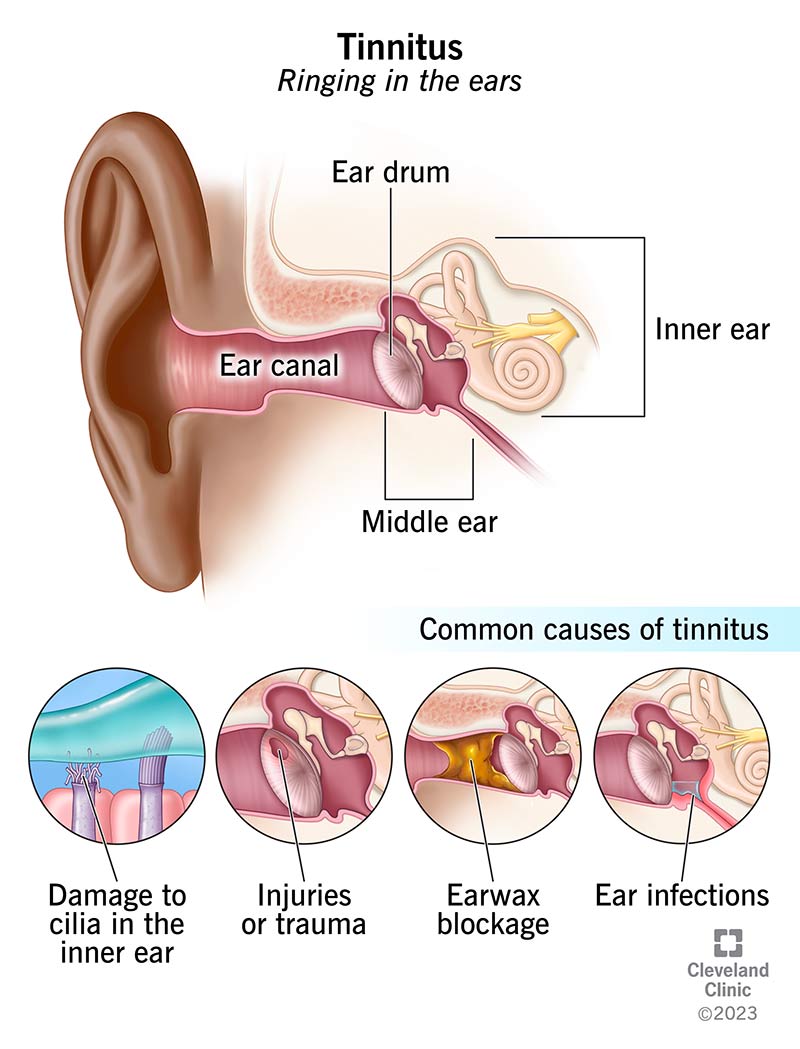
Ringing, buzzing, humming, or hissing in the ear is called tinnitus. Tinnitus is a symptom, not a substance sitting inside the ear.
It can occur after loud noise, earwax buildup, hearing loss, some medicines, or an ear injury. In some cases, the cause is not clear.
Tinnitus may be temporary after a concert or loud work shift. Repeated loud noise, however, can injure the sensory hair cells in the inner ear. These cells do not easily repair themselves.
Seek medical advice if tinnitus:
• Starts suddenly
• Occurs in only one ear
• Beats in time with your pulse
• Comes with dizziness or hearing loss
• Continues or becomes more bothersome
Do not place oil, tools, or unapproved drops in the ear to treat ringing. The correct treatment depends on the cause.
What Is in Your Ear if Something Is Trapped?
Small objects can enter the ear canal, especially in children. Insects, beads, food pieces, bits of cotton, and pieces of hearing devices are examples.
A trapped object may cause pain, pressure, hearing loss, bleeding, or a strange crawling feeling. An insect may also create sudden noise or movement.
Do not use tweezers, cotton swabs, hairpins, or water to remove an object that is deep inside. These tools can push it farther in or damage the eardrum.
Get medical help if:
• The object cannot be seen clearly.
• It is painful to remove.
• The ear is bleeding.
• A battery may be inside the ear.
• The object is sharp.
• The person is a young child.
Button batteries require urgent care because they can cause serious tissue damage.
Safe Ear Care at Home
Healthy ears usually need very little cleaning. Wash the outer ear with a damp cloth, but do not insert anything into the canal.
Helpful habits include:
• Keep sharp objects away from your ears.
• Use earplugs in loud places.
• Lower the volume of headphones.
• Give your ears quiet breaks.
• Dry the outer ear after swimming.
• Follow label instructions for approved ear drops.
• Ask a clinician before using drops if you have ear tubes, a perforated eardrum, severe pain, or drainage.
Hydrogen peroxide drops may soften some earwax, but they are not safe for everyone. They can irritate the ear canal or cause problems if the eardrum is damaged.
A practical lesson from ear care is simple: more cleaning is not always better. The ear has its own cleaning system, and aggressive cleaning can create the very blockage or irritation you want to prevent.
How Doctors Check What Is in Your Ear
A health professional usually starts by asking about your symptoms. They may ask when the problem began, whether you have pain, and whether hearing has changed.
Next, they use an otoscope to examine the ear canal and eardrum. This small lighted tool can show wax, swelling, infection, fluid, a foreign object, or a damaged eardrum.
Further tests may include:
• A hearing test
• Tympanometry to check eardrum movement
• Balance testing
• Imaging for complex problems
Treatment depends on the finding. Earwax may need professional removal. An infection may require medicine. Hearing loss may need a hearing device or specialist care.
Medical testing matters because symptoms can overlap. A blocked ear, for example, may come from wax, fluid, pressure, or hearing damage.
When to Seek Medical Care
Some ear symptoms need prompt attention. Contact a health professional if you have severe pain, sudden hearing loss, or fluid coming from the ear.
Seek urgent care for:
• Sudden hearing loss in one or both ears
• Severe dizziness with trouble walking
• Blood or clear fluid after a head injury
• A chemical or button battery in the ear
• High fever with severe ear pain
• Facial weakness
Children may show ear problems by pulling at the ear, crying during feeding, waking often, or not responding to sounds. These signs deserve medical assessment, especially when they occur with fever or drainage.
Avoid diagnosing yourself from online descriptions alone. Information can guide your next step, but an ear examination gives the most reliable answer about what is in your ear.
Everyday Examples of What May Be in Your Ear
The answer changes with the situation.
If you feel normal, your ear likely contains its usual anatomy: air in the outer and middle ear, earwax in the canal, and fluid in the inner ear.
After swimming, water may remain in the outer ear canal. After a flight, pressure may affect the middle ear. After a loud concert, temporary ringing may come from stress on the inner ear.
If you use earbuds, small amounts of wax may collect around them. Earbuds can also press wax deeper into the canal. Clean the device according to its instructions, and give your ears regular breaks.
These examples show why the phrase what is in your ear has more than one answer. The best answer depends on the location, symptoms, and timing.
Frequently Asked Questions About What Is in Your Ear
What is normally inside your ear?
A normal ear contains skin, hair, air, earwax, the eardrum, three tiny bones, inner-ear fluid, sensory cells, and nerves. Each part supports hearing, balance, or protection.
Is earwax supposed to be in your ear?
Yes. Earwax protects the ear canal, traps debris, and helps prevent dryness. It usually moves outward on its own, so deep cleaning is not needed.
Can water get stuck in your ear?
Yes. Water can remain in the outer ear canal after swimming or bathing. Tilting your head and gently pulling the outer ear may help, but do not insert objects into the canal.
How do you know if something is stuck in your ear?
Pain, pressure, reduced hearing, bleeding, or a crawling feeling may suggest a trapped object. Do not try to remove a deep or sharp object yourself; seek professional care.
What should you do if your ear feels blocked?
Do not use cotton swabs or sharp tools. A clinician can check for wax, infection, fluid, pressure problems, or a foreign object and recommend safe treatment.
Can earwax cause ringing in the ear?
Yes. A large buildup of earwax can block sound and sometimes contribute to ringing. Tinnitus can also have many other causes, so ongoing or sudden ringing should be assessed.
What is the deepest part of your ear?
The inner ear is the deepest section. It contains the cochlea, balance organs, fluid, sensory cells, and the auditory nerve.
Conclusion
Your ear contains a carefully designed mix of protective tissue, earwax, air, tiny bones, fluid, sensory cells, and nerves. The outer ear collects sound, the middle ear moves it, and the inner ear sends sound and balance signals to the brain.
Most ear problems are easier to manage when you avoid cotton swabs, loud noise, and home tools. If you have sudden hearing loss, severe pain, drainage, dizziness, or a trapped object, arrange medical care promptly. Share this guide with someone who has wondered what is in your ear, and explore trusted health resources to learn more about protecting your hearing.

Everett Ashford is a tech reviewer at mytechgrid.com specializing in SSDs, cameras, TVs, earbuds, headphones, and other consumer electronics. He provides honest, data-driven reviews based on hands-on testing and real-world performance analysis. Everett simplifies complex tech details to help readers make smart, confident buying decisions.