A camera lead room shot places space ahead of a moving or facing subject to imply direction.
I’ve worked in film and video for over a decade, framing hundreds of shots. In this guide I’ll explain exactly what’s a camera lead room shot, why it matters, and how to use it to make your footage read better. You’ll get clear definitions, easy framing steps, real examples, and practical tips you can use on any shoot.

Definition: What a camera lead room shot is and why it works
A lead room shot is a composition choice. It gives extra space in front of a subject who is looking or moving. This space suggests direction, balance, and context. Filmmakers call that space lead room, nose room, or lead space.
When you ask what's a camera lead room shot you’re asking about intentional empty space that points where a subject is headed or looking. It helps the viewer understand motion, gaze, and narrative flow. Use it to make scenes feel natural and balanced.
Why lead room matters: benefits for storytelling and perception
Lead room improves clarity. It tells the viewer where a subject is going or what they’re focusing on. This reduces visual tension and makes motion feel smoother.
Lead room also:
- Guides the eye toward action or off-screen space.
- Balances a composition by avoiding cramped frames.
- Enhances emotional tone by creating openness or isolation.
Understanding what's a camera lead room shot helps you craft better visual stories. It affects pacing, emotion, and meaning.

How to frame a lead room shot: step-by-step practical guide
Follow simple steps to add correct lead room every time.
- Choose the subject and direction.
- Identify where the subject looks or moves.
- Place the subject off-center toward the opposite side.
- Leave more space in front of the subject than behind.
- Check the eyes or nose for portrait shots.
- For tight shots, align the subject’s eyes or nose about one-third from the edge.
- Adjust for motion.
- If the subject moves into the frame, give more lead room than for a static pose.
- Test with playback.
- Watch a short take to confirm the lead room reads naturally.
When you practice these steps you’ll answer what's a camera lead room shot through action, not theory. Keep frames simple and always review movement.

Common mistakes and limitations to avoid
People often place subjects dead center. This removes lead room and makes motion look awkward. Another mistake is giving too much space, which dilutes focus.
Limitations include:
- Tight sets or limited lenses can restrict lead room.
- Crowd scenes may make lead room less obvious.
- Editorial cuts can break the intended lead space.
Know these limits when you plan coverage. If you can’t get ideal lead room, use camera movement or cutaways to suggest direction.

Examples and use cases: film, interviews, sports, and news
Film: A running character is framed with space ahead to build tension. The lead room shows pursuit or escape.
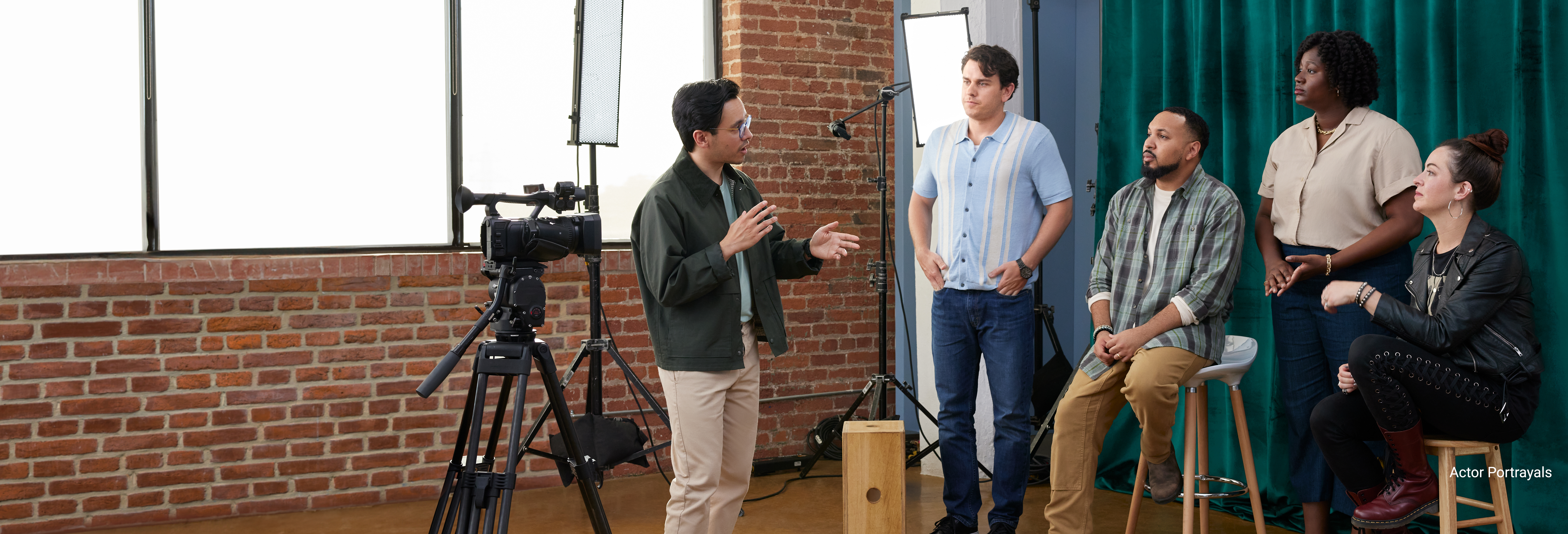
Interviews: Frame the subject with lead room toward an interviewer or the camera’s off-screen action to feel natural and polite.
Sports: For athletes in motion, lead room gives a sense of speed and intention.
News and documentaries: Lead room helps viewers follow where the subject is looking or pointing, adding clarity to on-screen facts.
Each example answers what's a camera lead room shot in context. Try the approach in your next shoot and compare before-and-after frames.
Related concepts: headroom, nose room, and composition rules
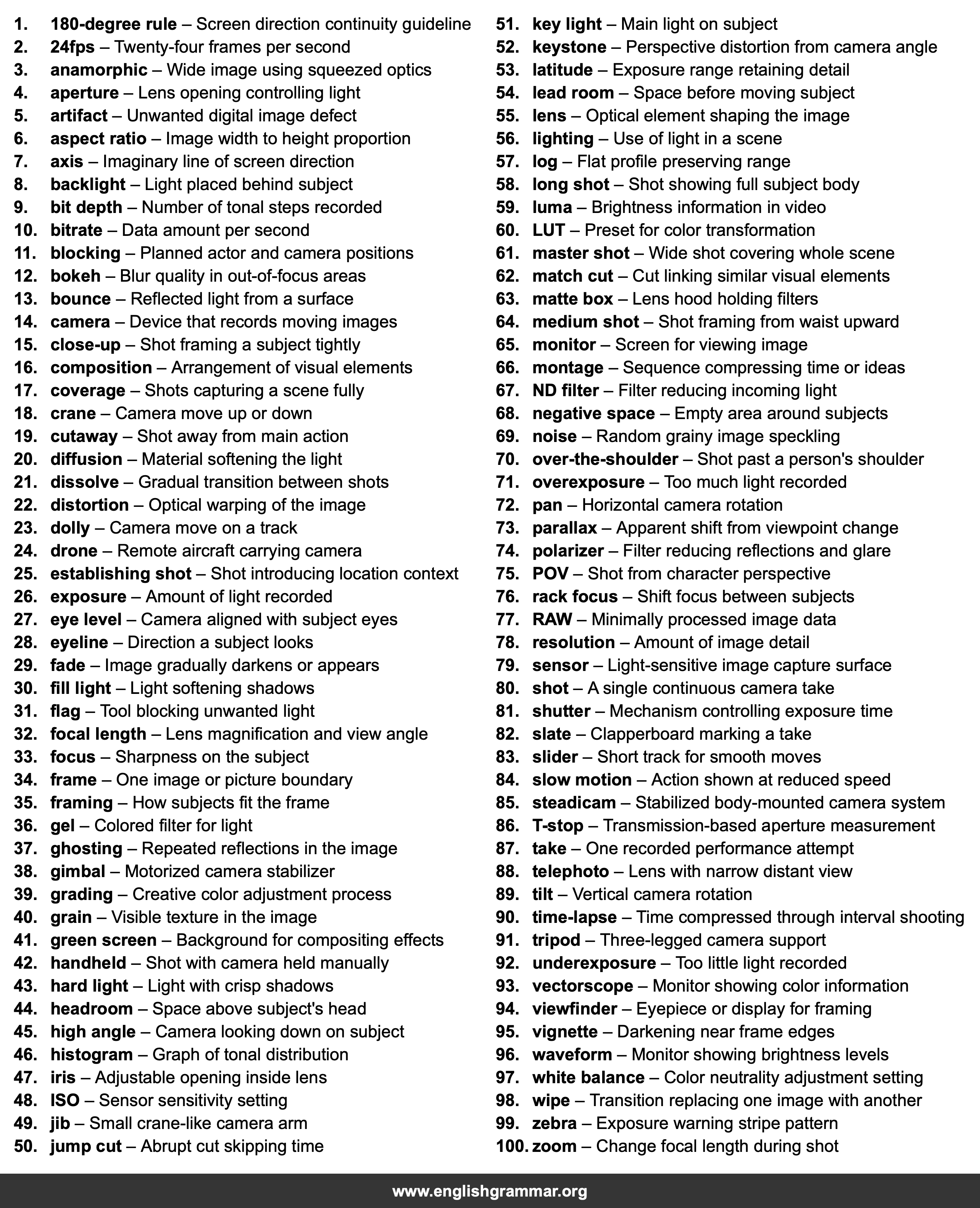
Lead room connects to other framing ideas. Headroom is the vertical space above a subject’s head. Nose room is a specific form of lead room for profile shots. The rule of thirds often guides where to place lead room.
Use these together:
- Keep headroom modest to avoid floating heads.
- Use nose room for side profiles so faces have breathing space.
- Apply rule of thirds to balance the subject with lead space.
These terms help answer what's a camera lead room shot by giving you a vocabulary for composition.
Personal experience, tips, and lessons learned
I’ve framed interviews, short films, and event coverage. Early on I underused lead room and made faces look cramped. After testing, I started leaving more space in front of subjects. The change made shots read cleaner and cut fewer takes.
Practical tips from my work:
- Mark positions on the floor to keep consistent lead room during long shoots.
- Use zoom to fine-tune lead room without moving the camera.
- When uncertain, shoot a wider angle and crop later.
These small habits answer what's a camera lead room shot through practice. They save time and give editors options.
Frequently Asked Questions of what's a camera lead room shot
What exactly is lead room in cinematography?
Lead room is the space left in front of a subject who faces or moves toward that side. It gives visual direction and balance.
How much lead room should I give a subject?
A common rule is one-third of the frame in front of the subject for eyes or nose. Adjust for motion and scene intent.
Is lead room the same as headroom?
No. Headroom is vertical space above the head. Lead room is horizontal space in the direction of gaze or motion.
Can I use lead room in tight indoor shoots?
Yes. Use wider lenses or step back to create lead room. If space is limited, shoot wider and crop in post.
Does lead room change for different shot sizes?
Yes. Close-ups need precise nose/eye placement. Wide shots allow more environmental lead room to show context.
How does lead room affect viewer emotion?
Lead room can make a scene feel open and hopeful or tense and anticipatory. The amount and context shape emotional tone.
Conclusion
A lead room shot is a simple tool that makes your visuals clearer and more compelling. Mastering what's a camera lead room shot helps you guide the viewer’s eye, tell better stories, and avoid jarring compositions. Try the step-by-step framing tips on your next shoot, review takes, and tweak until the lead space feels natural.
Ready to improve your framing? Practice one scene using intentional lead room and compare results. Leave a comment or subscribe for more practical framing advice and examples.

Everett Ashford is a tech reviewer at mytechgrid.com specializing in SSDs, cameras, TVs, earbuds, headphones, and other consumer electronics. He provides honest, data-driven reviews based on hands-on testing and real-world performance analysis. Everett simplifies complex tech details to help readers make smart, confident buying decisions.