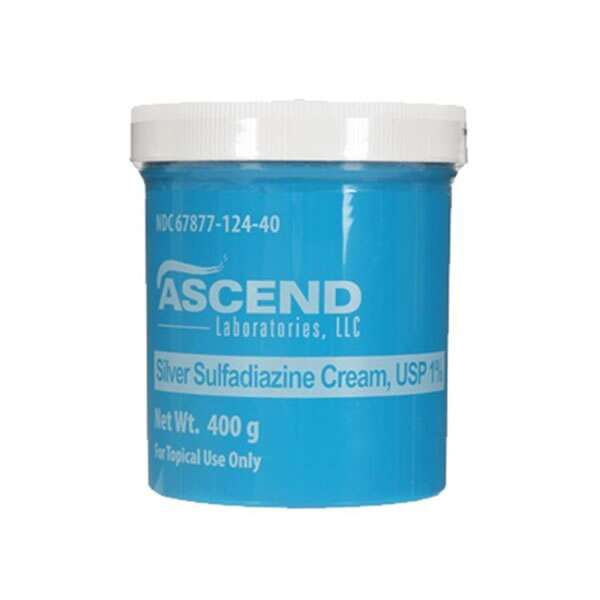
SSD cream is used mainly to prevent and treat infection in burn wounds and damaged skin.
I’ve worked with many wound-care patients and studied burn management closely. If you want a clear, expert guide on what is ssd cream used for, this article explains uses, how it works, how to apply it, benefits, risks, and real-world tips. Read on to get practical steps and trustworthy insight into when and why clinicians choose SSD cream.

What is SSD cream?
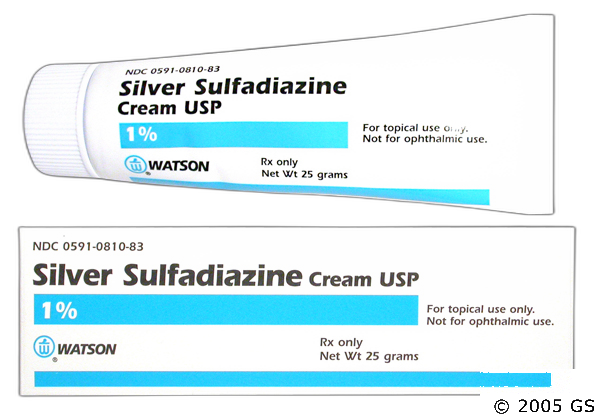
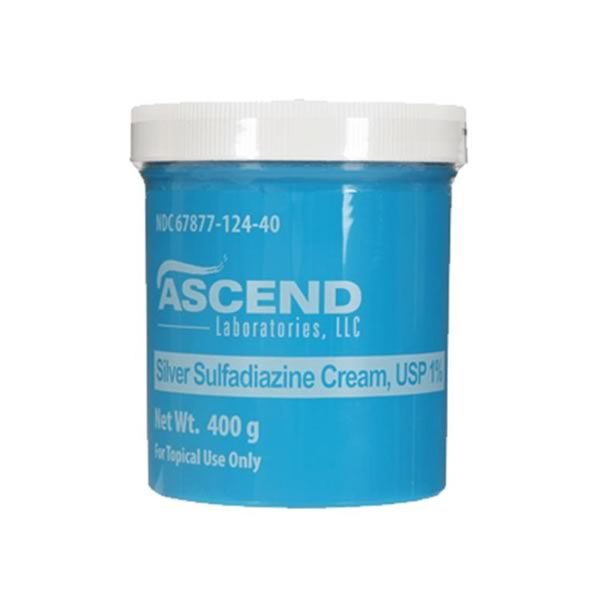
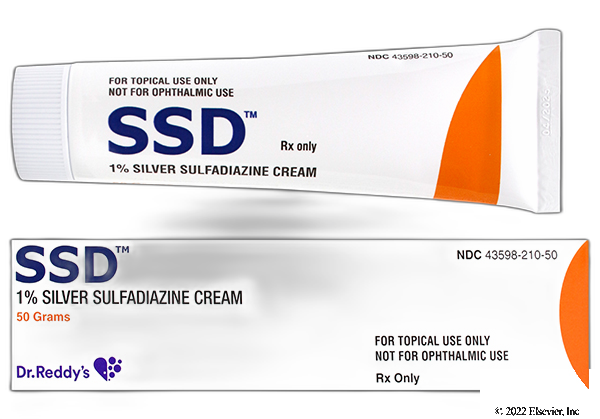
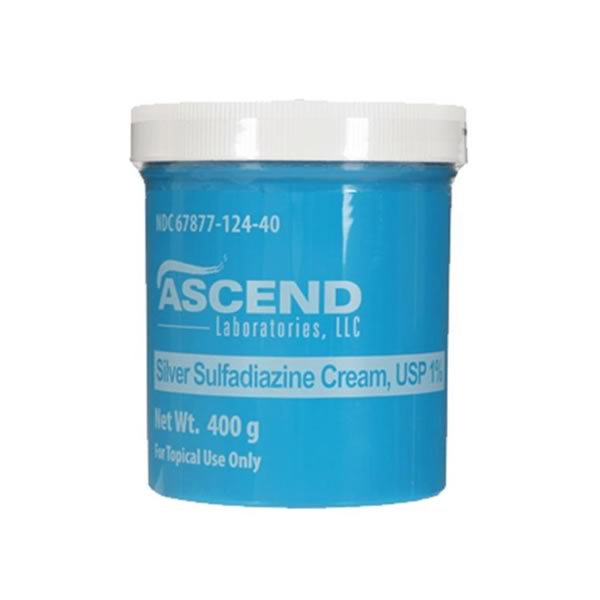
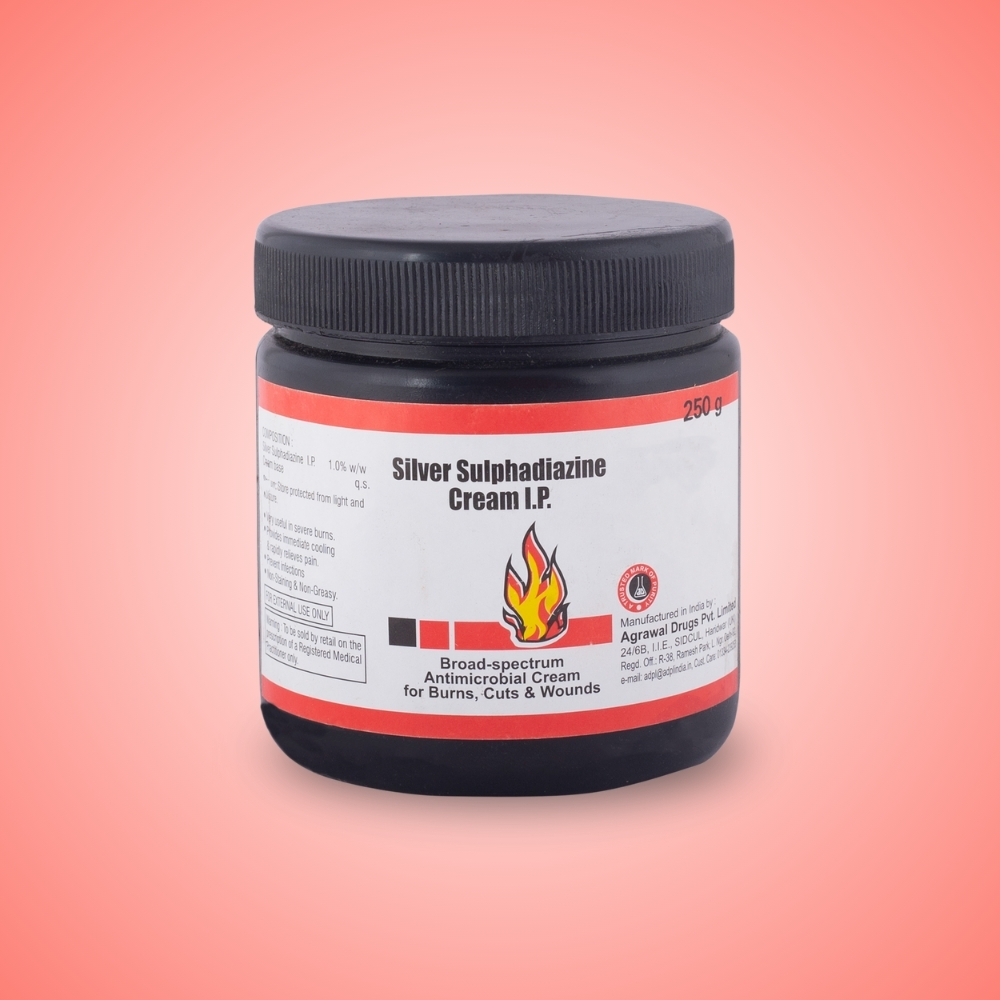
SSD cream stands for silver sulfadiazine 1% topical cream. When people ask "what is ssd cream used for" they usually mean how it helps with burns and infected wounds. The formula combines silver and a sulfonamide drug to fight many bacteria on the skin. This cream is a standard tool in burn units and in many first-aid kits in clinical settings.
Primary medical uses
Clinicians use SSD cream for specific wound care needs. Common uses include:
- Partial-thickness burns and second-degree burns to reduce infection risk.
- Thermal burns when the skin barrier is broken and infection is likely.
- Donor sites after skin graft harvest to lower bacterial growth.
- Sometimes for chronic ulcers or other wounds with heavy bacterial load when topical silver is appropriate.
- Short-term prophylaxis on deep abrasions in certain settings.
If you are searching "what is ssd cream used for" for home first aid, note that it is mainly for serious wounds, not routine minor cuts.
How SSD cream works
SSD cream works two ways. Silver in the cream damages bacterial cell walls and DNA. Sulfadiazine blocks bacterial folate metabolism. Together they give broad antibacterial coverage. This helps prevent gram-positive and gram-negative infections, including Pseudomonas species often seen in burns.
How to apply SSD cream safely
Use a clean technique when applying SSD cream. Basic steps:
- Clean the wound gently with saline.
- Apply a thin layer of SSD cream to cover the wound evenly.
- Cover with a sterile dressing as advised by a clinician.
- Reapply once or twice daily or per local protocol.
Avoid use on mucous membranes, the eyes, or deep puncture wounds unless directed by a provider. If you wonder "what is ssd cream used for" in kids or pregnant people, consult a clinician first because special risks apply.
Benefits and limitations
SSD cream has clear benefits and some limits.
Benefits:
- Broad antibacterial action that helps prevent infections.
- Easy to apply and widely available.
- Useful in emergency and hospital settings for burns.
Limitations:
- Can delay wound healing in some partial-thickness burns compared with modern dressings.
- Not suitable for patients with sulfa allergies.
- Can cause local skin reactions or systemic effects with long use.
When weighing "what is ssd cream used for," think about both pros and cons before use.
Alternatives to SSD cream
There are many wound care options. Consider these if SSD cream is not ideal:
- Silver-impregnated dressings that release silver more slowly.
- Moist modern dressings that support faster re-epithelialization.
- Antibacterial ointments without sulfonamides for sulfa-allergic patients.
- Honey-based or enzymatic dressings for certain chronic wounds.
Ask your clinician which choice fits your wound and medical history when you question "what is ssd cream used for."
My experience and practical tips
I have cared for patients with burns and treated donor sites. I’ve seen SSD cream prevent infections when applied early. I’ve also seen it slow visible healing when left on small partial-thickness burns longer than needed. My practical tips:
- Use SSD cream when infection risk is high.
- Reassess wounds often; change plan if healing is slow.
- Stop SSD cream and seek care if rash, fever, or worsening pain develops.
These real examples show why asking "what is ssd cream used for" deserves a tailored answer for each patient.

Frequently Asked Questions of what is ssd cream used for
What is SSD cream used for in burn care?
SSD cream is used to prevent and treat bacterial infection in burns, especially when skin is broken. It lowers the chance of serious infections while the wound is being managed.
Can SSD cream be used for minor cuts?
SSD cream is not usually needed for minor cuts. For small, clean cuts, simple cleaning and basic dressings are often better.
Is SSD cream safe for children and pregnant women?
SSD cream can have risks for newborns and pregnant people and is used with caution. Always check with a healthcare provider before use in these groups.
How often should SSD cream be applied?
Most protocols call for once or twice daily application after cleaning the wound. Follow your clinician’s instructions and local wound-care guidelines.
What are common side effects of SSD cream?
Common effects include local redness, itching, or a temporary discoloration of the skin. If you notice worsening signs or systemic symptoms, stop use and seek medical advice.
Can SSD cream delay healing?
In some cases, SSD cream may delay visible healing compared to modern moist dressings. Clinicians weigh infection risk versus healing speed when choosing treatment.
What should you do if you have a sulfa allergy?
If you have a sulfa allergy, do not use SSD cream. Ask your provider for non-sulfonamide topical options.
Conclusion
SSD cream is a reliable topical agent for preventing and treating infections in burns and certain wounds. It works well against many bacteria but has limits and risks, especially for those with sulfa allergies or in specific populations. Use SSD cream under clinical guidance, monitor healing, and switch to alternative dressings if needed. If this article helped you, try the tips on your next wound care decision, leave a comment with your experience, or subscribe for more practical health guides.

Jamie Lee is a seasoned tech analyst and writer at MyTechGrid.com, known for making the rapidly evolving world of technology accessible to all. Jamie’s work focuses on emerging technologies, product deep-dives, and industry trends—translating complex concepts into engaging, easy-to-understand content. When not researching the latest breakthroughs, Jamie enjoys exploring new tools, testing gadgets, and helping readers navigate the digital world with confidence.