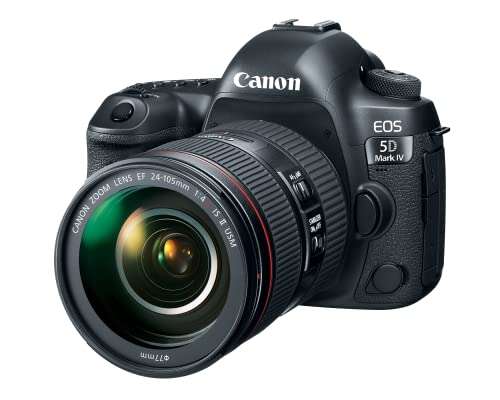
Load film by aligning the leader on the take-up spool, close the back, then advance to frame one.
I’ve taught and worked with film cameras for years, and I’ll walk you through exactly how to load a film camera step by step. This guide covers everything from tools and film types to specific instructions for 35mm SLRs, rangefinders, point-and-shoots, and medium format cameras, plus troubleshooting and real-life tips to help you shoot confidently.
Why proper film loading matters
Loading film correctly keeps your photos sharp and unspoiled. A bad load can cause blank frames, overlapping exposures, or light leaks that ruin a roll. Knowing how to load a film camera gives you control over your workflow, saves film, and reduces anxiety when shooting on location. Accurate loading also helps meter readings and exposure planning work as intended. By learning the right method, you spend more time composing and less time fixing avoidable mistakes.

What you need before you load a film camera
Prepare a clean, dry workspace with good light and minimal wind. Gather these items:
- Film roll, usually 35mm or 120 depending on camera type
- A spare roll or two, if you plan to test
- A light-tight bag or darkroom changing bag for film changes in bright light, if required
- Your camera manual or a quick reference image of the take-up spool
- Gloves or clean hands to avoid fingerprints on film edges
Check the film’s ISO rating and expiration date. Keep batteries fresh for cameras with electronic metering. Read the camera’s loading diagram if you have it. With basics ready, you will make fewer mistakes and load film faster.
Step-by-step: How to load a film camera (35mm SLR)
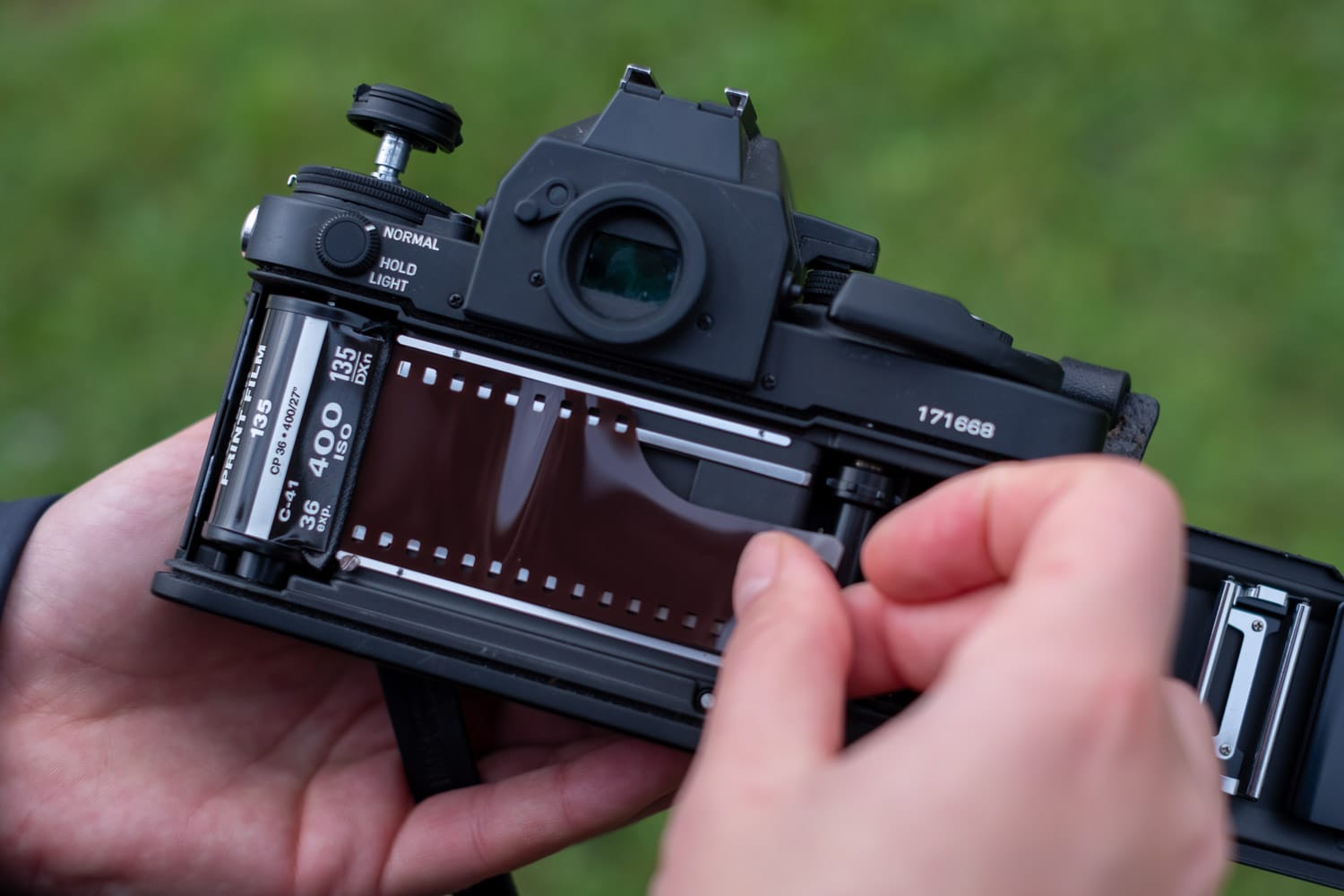
The 35mm SLR is the most common film camera for beginners. Follow these steps to learn how to load a film camera correctly:
- Open the back
- Pull up the rewind knob to unlock the film chamber and open the back. Some cameras have a latch or release button.
- Insert the film canister
- Place the film canister in the film chamber with the flat side down and the leader facing the take-up spool.
- Pull the leader across
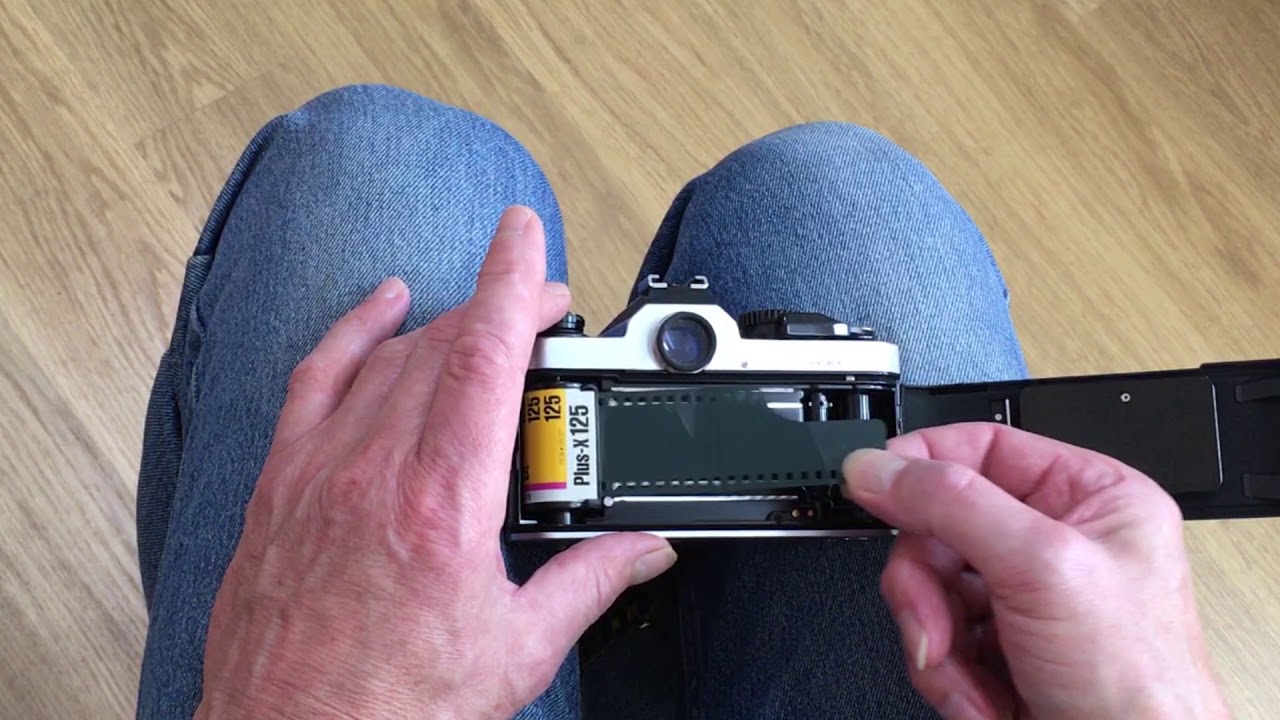
- Gently draw the film leader across the back and align it to the take-up spool slot or head. Keep tension but don’t overstretch.
- Attach the leader
- Insert the leader into the take-up spool slot or lay it over the teeth. Make sure the perforations mesh with the sprockets.
- Advance and check
- Close the back, then wind the advance lever or press the advance button. Watch the rewind knob—if it rotates when you advance, the film is catching and moving.
- Set frame counter and ISO
- Set the film ISO on the camera, if needed, and confirm the frame counter reset to 1 or the first frame position.
- Rewind after shooting
- When the roll is finished, press the rewind release, then rewind the film fully into the canister before opening the back.
Quick checks:
- If the rewind knob doesn’t move when advancing, reopen and reseat the film leader.
- If you see slack, re-tension the film by advancing and rewinding a bit before shooting.

Loading other camera types
Different camera types need slight changes to how to load a film camera. Below are common types and tips.
Rangefinders
Rangefinder cameras often have a fixed take-up spool. Insert the film canister, pull the leader across, and thread into the take-up slot or lay across the spindle. Close the back and advance two frames to align to frame one. Watch the rewind knob for movement.
Point-and-shoot compact cameras
Most compacts are simple: open the back, insert the canister with the leader tucked into the take-up slot, close the back, and let the camera automatically advance to frame one. If the camera has automatic loading, confirm that the film counter moves.
Medium format (120) cameras
Medium format uses sheet-like rolls. Open the back and remove the empty spool. Place the new roll on the supply side and thread the paper leader across to the take-up spool. Wind until the start arrows align with the camera’s mark. Close the back and advance to the first frame number on the paper backing.
Half-frame and specialty cameras
Half-frame cameras load like 35mm but pay attention to frame counters and spacing. Specialty cameras may require specific leader positions—consult the manual when possible.

Common mistakes and troubleshooting when you load a film camera
Even experienced shooters run into problems. Here are common issues and how to fix them:
- Film not advancing
- Cause: leader not engaged with the take-up spool or teeth. Fix: reopen, reseat the leader, and ensure sprockets catch perforations.
- Rewind knob doesn’t move
- Cause: film is not loaded or the camera’s advance is locked. Fix: check leader placement or release any rewind lock.
- Light leaks and fogging
- Cause: damaged back seal, opening the back mid-roll, or cracked film canister. Fix: inspect seals and avoid opening the back until the roll is fully rewound.
- Blank frames at start
- Cause: not advancing to frame one. Fix: advance 1–2 frames after loading and check the counter.
- Tight or loose winding
- Cause: too much tension or slack. Fix: keep light tension while loading and advance slightly to remove slack.
These simple checks often save a roll of film. If problems persist, try a fresh roll and test in a controlled environment.

Practical tips and lessons from experience
I’ve loaded hundreds of rolls during shoots and workshops. These are the habits that helped me most:
- Practice with expired film or a test roll to learn how your camera behaves when you load a film camera. It removes stress during real shoots.
- Always wind one or two frames after loading to confirm movement. This small step prevents wasted frames.
- Keep a small notebook of camera quirks. Some cameras need the leader seated higher or require a specific winding force.
- Carry spare seals and a camera-cleaning brush. A loose foam seal caused light leaks in an old camera until I replaced it.
- Use consistent technique. Treat film like a fragile, single-use medium. Calm, steady hands reduce errors.
These habits help whether you’re shooting portraits, landscapes, or street scenes.

Maintenance and storage after loading
Good care keeps film and camera in top shape. Follow these guidelines:
- Store unused film at cool temperatures to extend life and reduce base fog.
- After loading, avoid leaving film in hot cars. Heat can damage film emulsion and cause color shifts.
- Rewind promptly when the roll is finished and label the canister if not developing immediately.
- Inspect camera seals and hinges regularly. Replace foam seals if you see deterioration to prevent light leaks.
- Clean film paths and sprockets to remove dust and grit that can scratch film.
Proper storage and maintenance extend the life of both your film and your camera gear.

Frequently Asked Questions of how to load a film camera
How do I know if film is loaded correctly?
Check that the rewind knob turns when you advance the film and that the frame counter moves. If both happen, the film is engaging properly and is ready to shoot.
Can I load film in bright daylight?
You can load film in daylight for many cameras, but be cautious with older bodies or damaged seals; use a changing bag if you are unsure. For medium format or specialty loads, a darker environment reduces risk.
What do I do if the leader tears while loading?
Open the back, pull out a bit more film, and try again with a clean cut on the leader edge. If the leader is too short, you may need to rewind and splice or use a new roll.
How many frames do I advance after loading?
Advance until the frame counter shows 1 or the camera’s indicator reaches the first frame; typically 1–2 advances. Confirm by watching the rewind knob or the camera’s automatic loading indicator.
Will expired film still work when I load it?
Expired film can still work but may show color shifts, reduced contrast, or grain. Test a roll first to see how the film behaves and adjust exposure if needed.
How tight should the film be on the take-up spool?
Keep a gentle, even tension without stretching the film. If it’s too loose you may get overlapping frames; if too tight you risk tearing the leader.
Conclusion
Learning how to load a film camera is a small skill that yields big rewards. Master the basic steps, practice with different camera types, and adopt simple checks—like watching the rewind knob and advancing to frame one—to avoid wasted frames. Try a test roll the next time you pick up a camera, and you’ll build the confidence to shoot more creatively. If this guide helped, try a roll today, share your results, or subscribe for more hands-on film tips.

Everett Ashford is a tech reviewer at mytechgrid.com specializing in SSDs, cameras, TVs, earbuds, headphones, and other consumer electronics. He provides honest, data-driven reviews based on hands-on testing and real-world performance analysis. Everett simplifies complex tech details to help readers make smart, confident buying decisions.