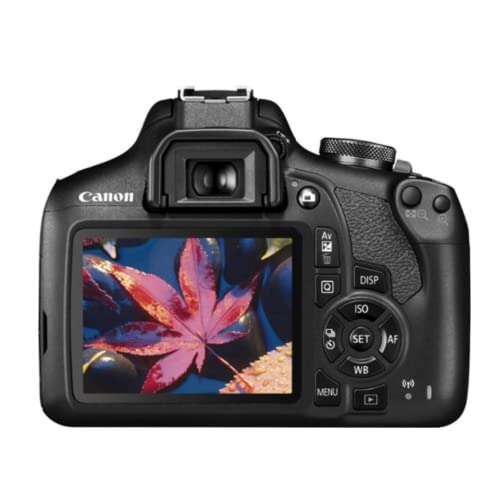
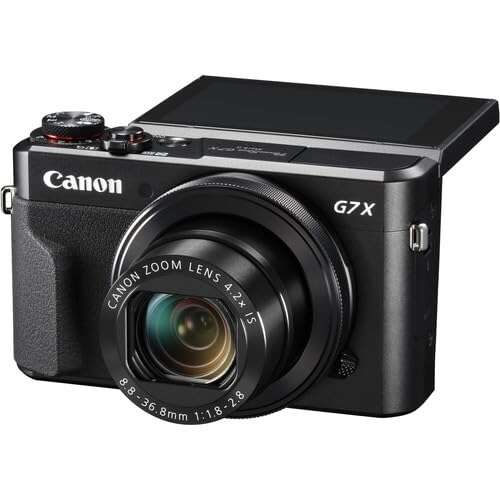
A digital camera captures and stores photos electronically using a light sensor and memory.
I’ve spent years testing cameras and teaching people how to pick gear. If you want a clear, practical answer to what is a digital camera and how it affects your photos, you’re in the right place. This guide breaks down the tech, the types, the pros and cons, and real-world tips from my own shoots so you can choose and use a digital camera with confidence.

How digital cameras work
A digital camera converts light into an electronic image. Light passes through the lens and hits an image sensor. The sensor records brightness and color as tiny units called pixels. An onboard processor converts sensor data into image files like RAW or JPEG. Files are stored on memory cards for editing or sharing.
Key internal parts:
- Image sensor: Captures light and converts it to electrical signals.
- Lens: Focuses light and controls field of view.
- Shutter and aperture: Control how much light reaches the sensor and for how long.
- Processor: Handles image conversion, noise reduction, and compression.
- Storage and battery: Save files and power the camera.
Understanding what is a digital camera means knowing the sensor and lens do most of the work. The rest supports image quality and usability.
Types of digital cameras
There are many kinds of digital cameras for different needs. Each type changes how you shoot and what you can do with photos.
Common types:
- Smartphones: Always with you. Good for casual shots and instant sharing.
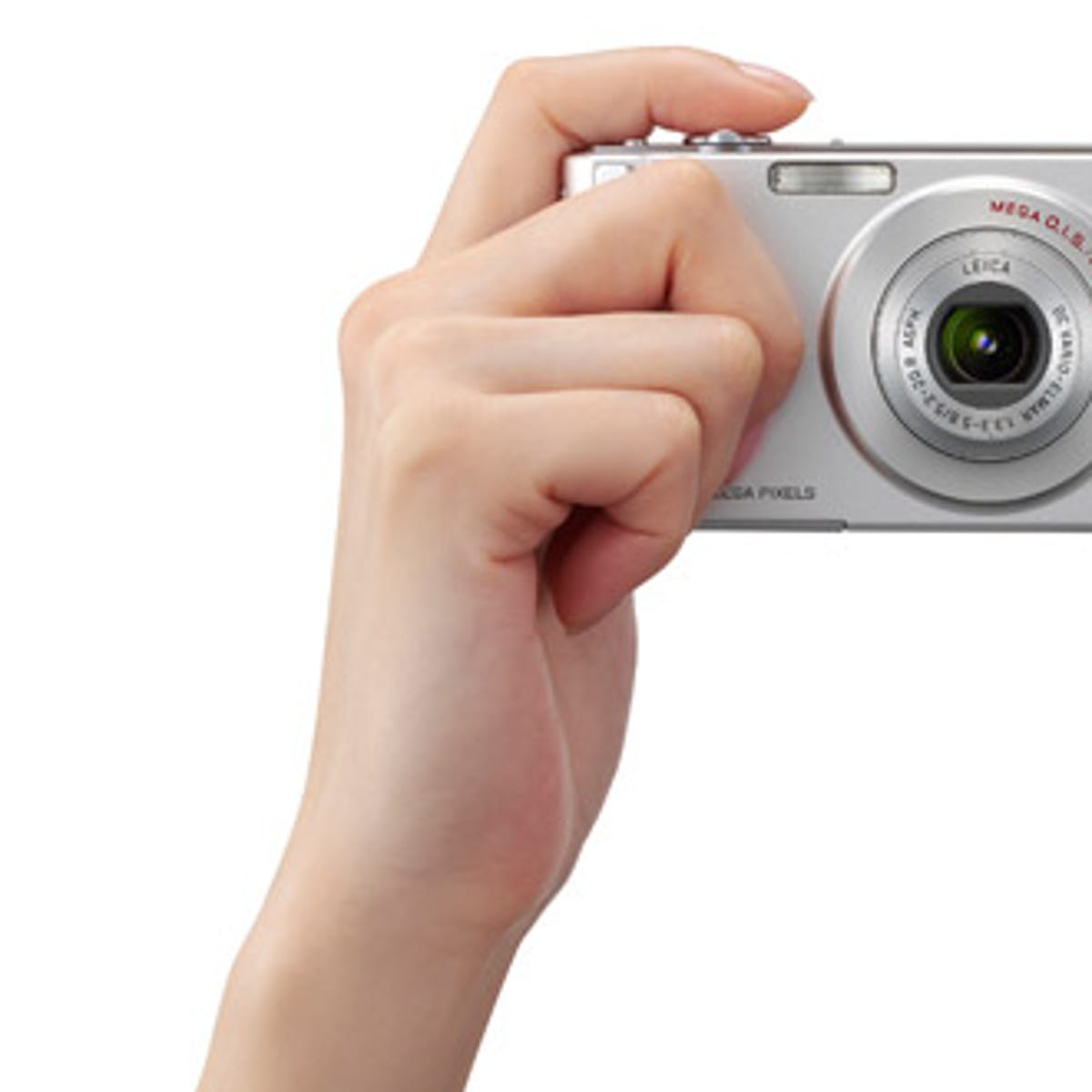
- Point-and-shoot (compact): Small and simple. Fine for travel and quick photos.
- Bridge cameras: Bigger zoom range and manual controls, no interchangeable lenses.
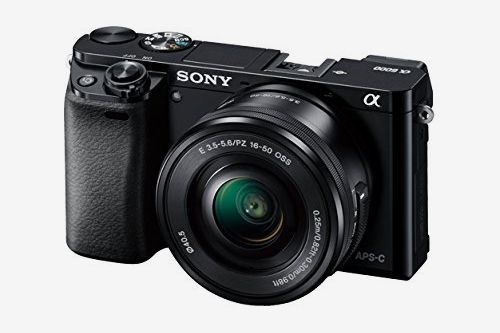
- Mirrorless cameras: Compact bodies, interchangeable lenses, and fast autofocus.
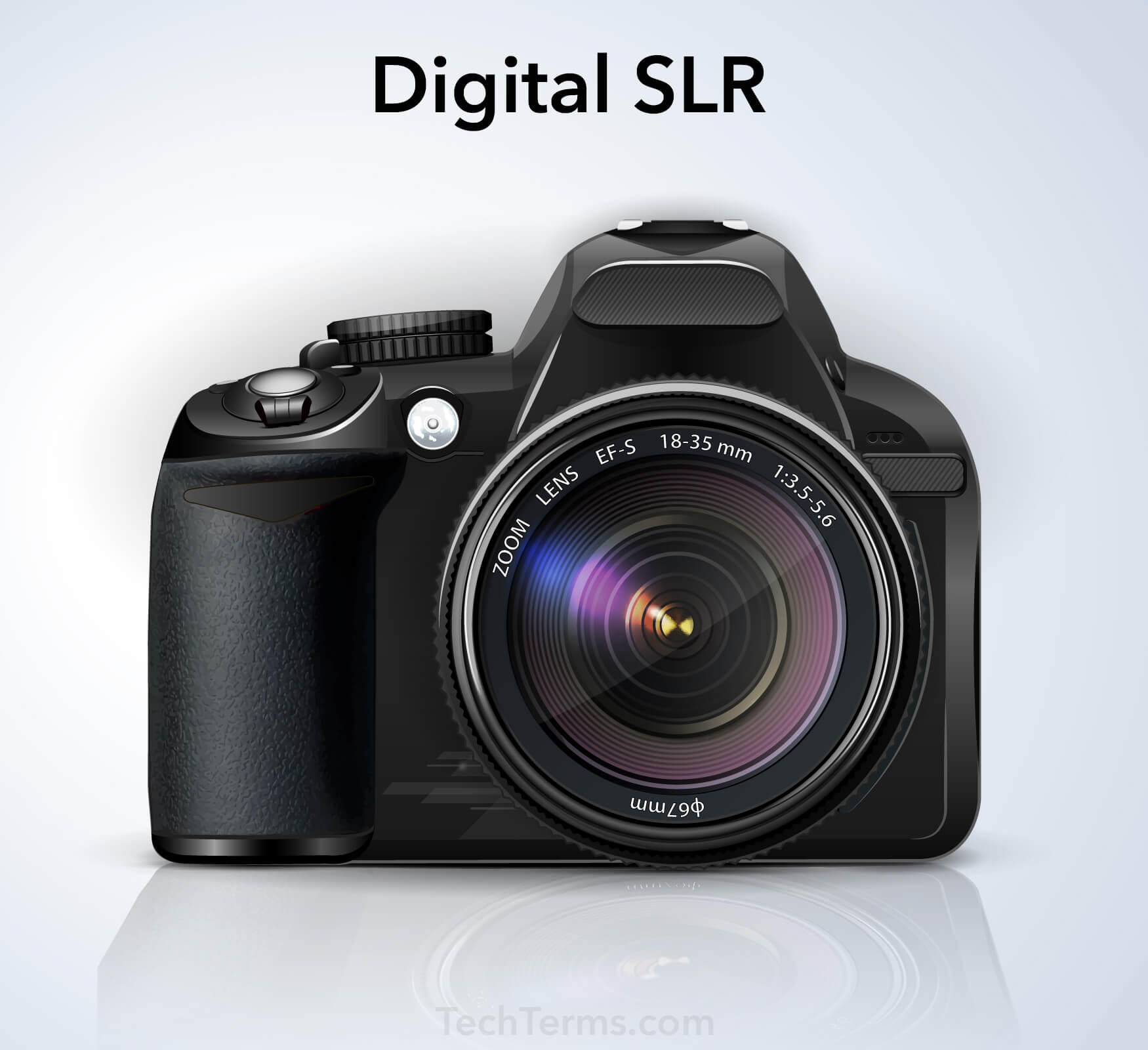
- DSLR cameras: Larger bodies, optical viewfinders, and a wide lens ecosystem.
- Action cameras: Small, rugged, and great for video and movement.
- Instant digital hybrids: Capture digitally and print on the spot.
As you learn what is a digital camera, think about size, lens flexibility, and how much control you want. My mirrorless systems now get the most use because they balance quality and portability.

Key features and specs to know
Not all specs are equally important. Focus on the ones that affect image quality and usability.
Important specs:
- Sensor size: Larger sensors produce cleaner images and better low-light performance.
- Megapixels: More is good up to a point; sensor size matters more than pixel count.
- Lens aperture: Wider apertures (lower f-numbers) give shallow depth of field and more light.
- ISO range: Shows how well the camera performs in low light.
- Autofocus system: More points and better tracking help with moving subjects.
- Image stabilization: Reduces blur from camera shake for sharper shots.
- Video specs: Look for resolution, frame rate, and recording formats.
- Connectivity: Wi-Fi and Bluetooth make transfer and remote control easier.
When exploring what is a digital camera, prioritize sensor size, lens quality, and autofocus over marketing numbers. These three shape your everyday results.
Benefits and limitations of digital cameras
Digital cameras changed photography. They let you see results instantly and take thousands of shots without added cost. Editing is easier with RAW files. Connectivity helps you share fast.
Benefits:
- Immediate review of photos on the screen.
- Low cost per shot and flexible storage.
- Easy editing with modern software.
- Advanced autofocus and high-speed shooting for action.
Limitations:
- Batteries drain faster than film equivalents.
- Rolling shutter can distort fast motion in some sensors.
- Some models become obsolete as tech advances.
- Image quality still depends on lens and sensor; cheaper bodies may limit results.
Knowing what is a digital camera helps you set realistic expectations. Choose gear that fits your needs, not just the newest features.
How to choose a digital camera
Pick a camera that fits your goals and budget. Ask practical questions before you buy.
Checklist:
- What will you photograph most often? Landscapes, portraits, sports, or travel.
- How portable must it be? Carrying weight matters for travel.
- Do you need interchangeable lenses? That adds flexibility and cost.
- What’s your budget for body and lenses combined?
- How long do you plan to keep it? Consider upgrade paths and lens ecosystems.
Shopping tips:
- Rent or borrow a camera before buying.
- Handle the camera to check ergonomics and menu flow.
- Factor in lenses and accessories into the total cost.
When you’re clear about what is a digital camera in relation to your goals, the right model will feel obvious.
Practical tips and personal experience
I remember my first serious digital camera. I focused on megapixels and ignored lenses. I learned the hard way that glass matters more than raw pixels. Here are practical tips I still use.
Tips from the field:
- Shoot in RAW when possible. It gives more editing latitude.
- Back up images immediately to two locations.
- Learn a few manual settings: aperture, shutter speed, and ISO.
- Use a prime lens to learn composition and improve sharpness.
- Clean sensors and lenses carefully to avoid damage.
Mistakes to avoid:
- Buying a camera for one feature alone.
- Neglecting lenses and support gear in the budget.
- Keeping default JPEG settings for important shoots.
These habits come from hands-on shoots in studio and outdoors. They make the technology of what is a digital camera work for you, not against you.

Common terms explained
A short glossary helps make sense of specs and reviews. These terms appear when discussing what is a digital camera.
Key terms:
- RAW: Unprocessed image data from the sensor for editing flexibility.
- JPEG: Compressed image ready for sharing but less flexible to edit.
- Full-frame: Sensor roughly the same size as 35mm film.
- APS-C: A smaller sensor size common in many consumer cameras.
- Crop factor: How a smaller sensor affects focal length field of view.
- Prime lens: A lens with a fixed focal length.
- Zoom lens: A lens with variable focal length.
- IBIS: In-body image stabilization to reduce blur.
- Focal length: Determines how wide or narrow a lens views the scene.
Understanding these terms clears up product pages and reviews when you research what is a digital camera.
People also ask
What is the main difference between DSLR and mirrorless cameras?
- Mirrorless cameras lack the mirror box and optical viewfinder of DSLRs. This makes them lighter and often faster for live-view autofocus.
Can a smartphone replace a digital camera?
- Smartphones can replace many casual needs but usually cannot match larger-sensor cameras for low light, dynamic range, or interchangeable-lens flexibility.
Is more megapixels always better?
- Not always. Image quality depends more on sensor size, lens quality, and processing than megapixel count alone.
Frequently Asked Questions of what is a digital camera
What is a digital camera best used for?
A digital camera is best for capturing photos and videos with instant review and easy editing. It serves casual shooters through professional photographers.
How does a digital camera differ from film cameras?
Digital cameras use electronic sensors and store files digitally. Film cameras record images chemically on film and require development.
Do I need a big sensor to take great pictures?
A bigger sensor helps in low light and produces smoother images, but skill, lens choice, and lighting also matter a lot.
Should I shoot RAW or JPEG?
Shoot RAW when you want more control in editing. Use JPEG for quick sharing and smaller file sizes.
How long do digital cameras last?
With care, digital cameras can last many years. Electronic parts age and models may become outdated faster than their mechanical durability suggests.
Conclusion
A digital camera is a tool that turns light into images you can edit, share, and cherish. Knowing what is a digital camera, how it works, and which features matter will save you time and money. Start small, practice manual settings, and invest first in good lenses rather than chasing megapixels. If this guide helped, try a hands-on test or rent a camera before buying. Share your questions or experiences in the comments, or subscribe for more practical gear guides.

Jamie Lee is a seasoned tech analyst and writer at MyTechGrid.com, known for making the rapidly evolving world of technology accessible to all. Jamie’s work focuses on emerging technologies, product deep-dives, and industry trends—translating complex concepts into engaging, easy-to-understand content. When not researching the latest breakthroughs, Jamie enjoys exploring new tools, testing gadgets, and helping readers navigate the digital world with confidence.