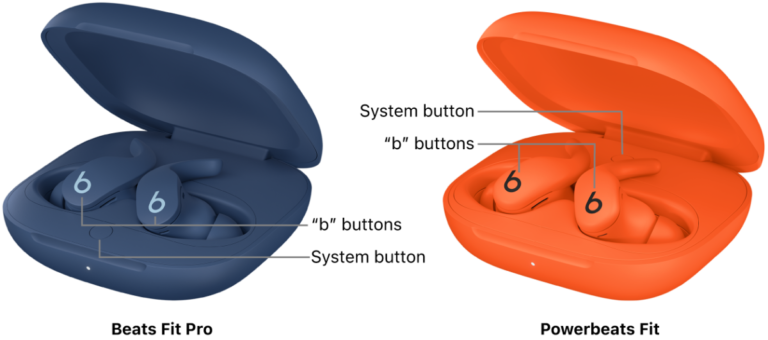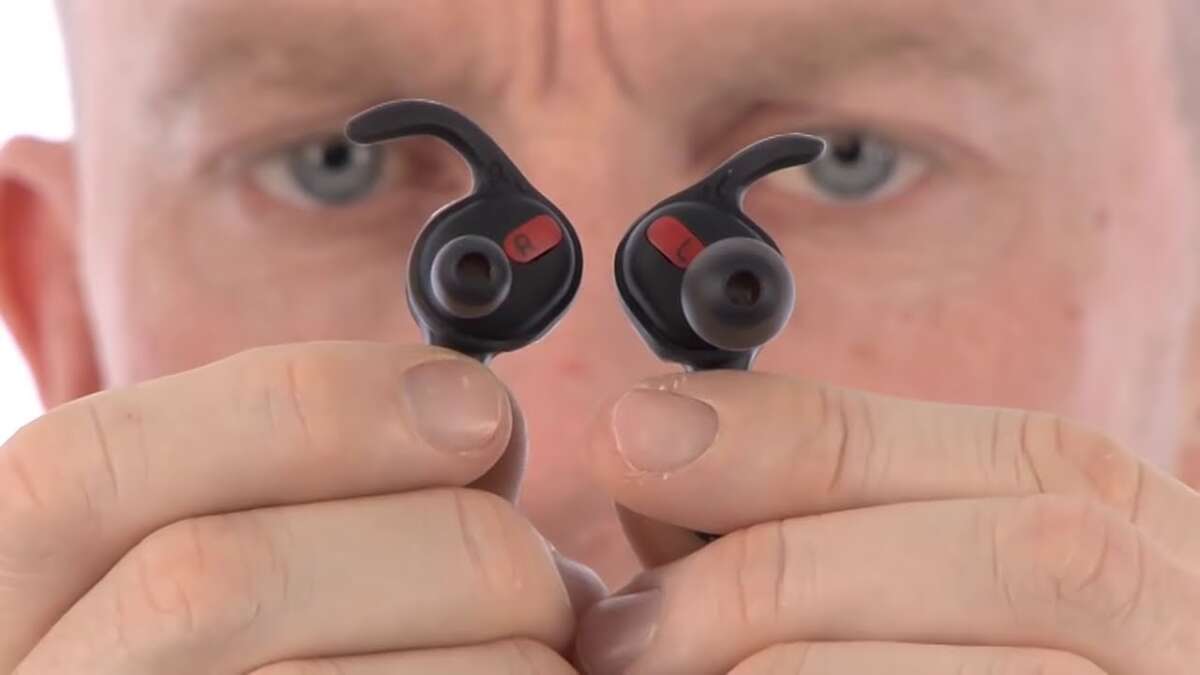
To wear earbuds with ear hooks, loop each hook over your ear, then gently seal the earbuds in your ear canals.
Learning how to wear earbuds with ear hooks is simple, but small details matter. The right angle, fit, and pressure can improve comfort, sound quality, and stability during workouts. This guide explains the correct method, common mistakes, safety tips, and practical lessons from testing different ear hook designs.
What Are Earbuds With Ear Hooks?
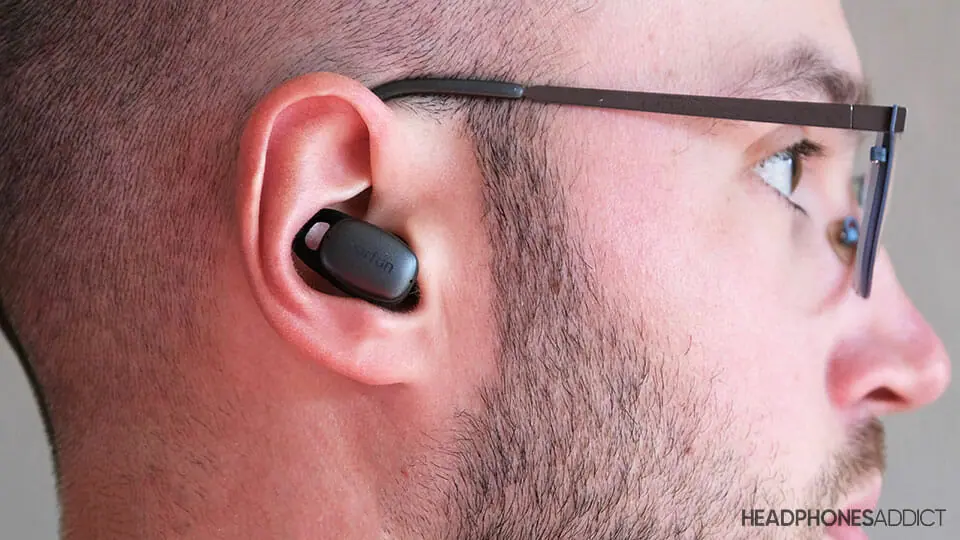
Earbuds with ear hooks have a small flexible loop that rests around the outer ear. The hook helps hold the earbud in place, so the ear tip does not carry all the weight. This design is common in sports earbuds, running earbuds, wireless workout earbuds, and some hearing protection models.
Unlike standard earbuds, ear hook earbuds use two support points:
• The ear tip sits inside or at the opening of the ear canal.
• The hook rests around the upper part of the outer ear.
This combination works like a seat belt. The ear tip provides the sound seal, while the hook helps stop the earbud from falling out. Learning how to wear earbuds with ear hooks correctly allows both parts to work together.
Ear hooks may be made from soft silicone, rubber, plastic, or memory wire. Soft silicone hooks often feel better for long use. Memory wire hooks can provide a tighter fit, but they may need more careful adjustment.

How to Wear Earbuds With Ear Hooks Step by Step
The best way to wear earbuds with ear hooks is to put the hook in place first and then adjust the ear tip. Do not force the earbud deep into your ear. A secure fit should feel stable, not painful.
1. Check the left and right sides
Look for the small “L” and “R” marks on the earbuds. The left earbud belongs in your left ear, and the right earbud belongs in your right ear.
This may sound obvious, but using the wrong side can make the ear hook sit at a strange angle. It can also twist the cable or place pressure on the wrong part of your ear.
2. Open the ear hook slightly
Hold the earbud by its main body. Use your other hand to gently move the ear hook away from the earbud if the design allows it.
Do not bend a rigid plastic hook too far. Some hooks are flexible, while others are shaped to keep a fixed curve. Follow the product instructions if the hook has a special hinge or adjustable wire.
3. Place the hook over your ear
Guide the hook behind the top of your ear. It should rest over the outer ear, not press hard against the skin behind it.
The hook should follow the natural curve of your ear. If it sits too far forward, the earbud may pull out. If it sits too far back, it may rub against your skin or feel loose.
4. Insert the ear tip gently
With the hook resting over your ear, angle the earbud toward the ear canal. Push the ear tip in only until it feels comfortably sealed.
For silicone tips, a slight twist can help create a better seal. Pulling the outer ear gently upward and backward may also make insertion easier, especially for adults with narrow or curved ear canals.
5. Adjust the angle
Rotate the earbud slightly until it feels stable. The earbud should point into the ear canal rather than straight down.
If the sound is weak or the bass seems thin, the ear tip may not be sealed. If the earbud feels painful, it may be too large, too deep, or angled incorrectly.
6. Test the fit
Move your jaw, turn your head, and walk around. The earbud should stay in place without constant adjustment.
When learning how to wear earbuds with ear hooks, this movement test is important. A fit that feels fine while sitting may loosen during running, cycling, or gym workouts.

How Should Ear Hook Earbuds Fit?
A good fit feels secure but does not create sharp pressure. You should notice the earbuds, but they should not cause pain, throbbing, or numbness.
Use these signs to judge the fit:
• The hooks stay in place when you shake your head gently.
• The ear tips create a light seal without feeling forced.
• Both earbuds produce similar sound levels.
• Your voice does not sound extremely loud or blocked.
• The hooks do not pinch the top or back of your ears.
• You can wear the earbuds for at least 30 to 60 minutes without discomfort.
Earbuds with ear hooks should not need to be pushed deep into the ear canal. Deep insertion does not always improve sound. It can increase pressure, reduce comfort, and push earwax farther into the canal.
If the earbuds feel loose, try a larger ear tip or adjust the hook. If they feel tight, try a smaller tip or loosen the hook if the design allows it. Many people focus only on the ear tip, but the hook position can be just as important.

Choosing the Right Ear Tips
Most earbuds with ear hooks include several ear tip sizes. This is useful because ear canals vary widely in shape and size.
Start with the medium tips. If the earbuds move or outside noise remains loud, try the larger tips. If you feel pressure or pain, switch to smaller tips.
Foam tips can improve passive noise reduction, but they need careful use. Compress the foam, place it gently, and allow it to expand. Foam tips may also wear out faster than silicone tips and need regular replacement.
A proper seal can improve bass and reduce the need to raise the volume. This matters because listening at high volume for long periods can increase the risk of hearing damage. General hearing safety guidance recommends keeping sound levels moderate and taking regular breaks.
Clean ear tips also matter. Dirt, skin oil, and earwax can affect the seal and sound. Remove silicone tips before cleaning them, and use a slightly damp cloth or the method recommended by the manufacturer.

How to Wear Earbuds With Ear Hooks During Exercise
Ear hook earbuds are popular for exercise because the hook adds support during movement. Still, the fit should be tested before a long workout.
Before running or training:
-
Dry your ears and the ear hooks.
-
Insert each earbud and adjust the hook.
-
Walk, jump, and turn your head.
-
Check whether the sound stays balanced.
-
Secure any loose cable behind your neck or clothing.
Sweat can make silicone surfaces slippery. Some sports earbuds use textured hooks or water resistance to improve stability. However, water resistance does not mean the earbuds are safe for swimming unless the product clearly supports that use.
For cycling or outdoor exercise, keep enough awareness of traffic and other sounds. Noise cancellation can reduce environmental awareness. In busy areas, transparency mode or a lower volume may be safer.
From practical testing, one common mistake is tightening the hook too much before a workout. It may feel secure for five minutes, then become painful as the ear warms and swells slightly. A light, even fit usually works better than a tight fit.
Common Mistakes to Avoid
Even when you know how to wear earbuds with ear hooks, a few habits can cause discomfort or poor sound.
Forcing the earbud inward
The ear canal is sensitive. Push the earbud only as far as needed to create a seal. If you feel pain, remove it and try a different tip size or angle.
Wearing the hook upside down
Some ear hook earbuds can look similar on both sides. Check the shape before inserting them. The hook should curve naturally over the ear, not press against the lower ear.
Ignoring the cable position
For wired earbuds, cable placement can pull on the earbud. Route the cable behind your neck or use the included clothing clip when available.
Using the wrong ear tip size
A small tip may not seal well. A large tip may create pressure. Test each size for several minutes instead of choosing based only on appearance.
Cleaning too aggressively
Do not soak electronic earbuds or insert sharp objects into the speaker mesh. Moisture and sharp tools can damage the driver or protective screen.
Wearing them for too long
Comfort does not remove the need for breaks. Take the earbuds out from time to time, especially during long calls, travel, or work sessions.

How to Improve Comfort for Long-Term Wear
If you plan to wear earbuds with ear hooks for hours, comfort should be your main goal. Start with short sessions and increase use slowly.
Try these adjustments:
• Rotate the earbud slightly forward or backward.
• Use a softer or smaller ear tip.
• Move the hook to a different part of the outer ear.
• Reduce pressure from glasses, helmets, hats, or masks.
• Wipe away sweat before adjusting the earbuds.
• Take a five-minute break every hour.
Glasses can create pressure where the hook rests. If this happens, place the ear hook slightly above or below the glasses arm. A helmet may also push the earbud inward, so test the full setup before riding.
Some people have different-sized ear canals. It is perfectly normal to use a medium tip on one side and a small tip on the other. The goal is a good fit, not a matching appearance.
Stop using the earbuds if you develop lasting pain, skin irritation, discharge, ringing, or a noticeable change in hearing. These symptoms may have several causes, and a health professional can provide proper advice.

Cleaning and Maintaining Ear Hook Earbuds
Clean earbuds help maintain sound quality and comfort. Earwax can block the speaker opening and make one side sound quieter.
Use this simple routine:
-
Remove the ear tips if they are detachable.
-
Wipe the ear tips with a clean, slightly damp cloth.
-
Clean the earbud body with a dry or lightly damp microfiber cloth.
-
Use a soft brush to remove debris from the speaker mesh.
-
Let every part dry fully before reassembly.
Avoid alcohol on materials that may crack or fade unless the manufacturer approves it. Never place charging case components under running water.
Inspect the ear hooks often. Replace damaged silicone, cracked plastic, or loose parts. A broken hook may not support the earbud properly and could cause it to fall during movement.
For wireless models, keep the charging contacts clean and dry. Store the earbuds in their case instead of loose in a pocket or gym bag. This protects the hooks and reduces contact with dust.

Ear Hook Earbuds vs. Standard Earbuds
Ear hook earbuds offer extra stability, but they are not ideal for every person or activity.
Ear hook designs may be better when:
• You run, lift weights, or move often.
• Standard earbuds fall out of your ears.
• You want less pressure inside the ear canal.
• You need a more secure fit for calls or outdoor use.
Standard earbuds may be better when:
• You wear glasses or helmets often.
• You prefer a small and discreet design.
• You sleep with earbuds.
• Ear hooks irritate your outer ears.
Ear hooks can also add weight and warmth. Some people find them less comfortable in hot weather. Others dislike the extra step of placing the hook over the ear.
The best choice depends on ear shape, activity, comfort, and sound needs. No single earbud style fits everyone. Reviews can help, but your own fit test is more useful than a star rating.

Safety Tips for Wearing Earbuds
Safe use involves more than keeping the earbuds in place. Loud sound over time can harm hearing, even when the earbuds feel comfortable.
Keep volume at a level that lets you hear someone speaking nearby when appropriate. Take regular listening breaks, and avoid increasing the volume to cover traffic, gym noise, or airplane sound.
Keep these safety points in mind:
• Do not share uncleaned earbuds.
• Remove earbuds before crossing busy streets.
• Avoid wearing them during situations that require full attention.
• Keep moisture away from charging ports.
• Stop if you feel pain, pressure, dizziness, or ringing.
Earbuds can also reduce awareness of alarms, vehicles, and people around you. Transparency mode can help, but it should not replace careful attention.
If one earbud sounds much quieter than the other, clean it first and check the balance settings on your device. If the problem continues, the earbud may need repair or replacement.
Frequently Asked Questions About How to Wear Earbuds With Ear Hooks
Do ear hook earbuds go inside your ear?
Yes, the ear tip usually rests inside the opening of the ear canal to create a light seal. The hook sits around the outer ear and provides extra support.
Should the ear hooks go over or behind the ear?
The hook should loop over the top of the outer ear and rest behind its upper curve. It should follow your ear shape without pressing hard on the skin.
Why do my ear hook earbuds keep falling out?
The ear tip may be too small, or the hook may not be positioned correctly. Try another tip size, rotate the earbud slightly, and check that the left and right earbuds are correctly placed.
Can I wear earbuds with ear hooks all day?
You can wear them for long periods if they remain comfortable and the volume stays moderate. Take regular breaks and stop using them if you notice pain, irritation, ringing, or reduced hearing.
How tight should ear hooks be?
Ear hooks should feel secure without pinching. If you feel pressure, numbness, or soreness, loosen the hook or try a different model.
Are ear hook earbuds better for running?
They can be better for running because the hooks reduce movement and help prevent the earbuds from falling out. You should still test the fit with walking and running before using them for a long workout.
How do I clean earbuds with ear hooks?
Remove detachable tips and clean them with a soft, slightly damp cloth. Wipe the earbud body and use a soft brush for the speaker mesh, while keeping water away from electronic parts.
Conclusion
Knowing how to wear earbuds with ear hooks comes down to three things: place the hook over the ear, insert the tip gently, and adjust the angle until the fit feels secure. The right ear tip, clean surfaces, moderate volume, and regular breaks can make a major difference.
Test your earbuds while walking, talking, and moving before using them during a hard workout. If the fit causes pain or keeps slipping, change the tip size or consider another design. Try these steps today, and share your own comfort tips or questions in the comments.

Everett Ashford is a tech reviewer at mytechgrid.com specializing in SSDs, cameras, TVs, earbuds, headphones, and other consumer electronics. He provides honest, data-driven reviews based on hands-on testing and real-world performance analysis. Everett simplifies complex tech details to help readers make smart, confident buying decisions.