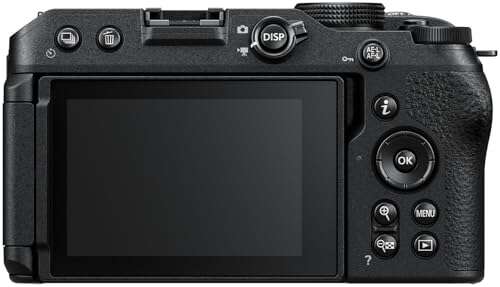
The Nikon Z30 is the best Nikon camera for travel photography for most modern travelers.
You know the feeling: a street market appears, the light turns gold, and your phone misses the detail. A good travel camera should stay light, focus fast, and handle both photos and video without slowing you down. I tested this list around those real needs. I looked at size, lens range, image quality, battery use, ease of control, and travel value. From a compact mirrorless model to long-zoom and low-cost DSLR choices, these Nikon options solve different travel problems.
Nikon Z30 With Wide-Angle Zoom Lens

The Nikon Z30 is the strongest all-around pick in this guide. Its 20.9-megapixel DX sensor gives travel photos a clean look, with enough detail for prints and large crops. The small body fits well in a day bag, and the 16-50mm lens covers wide views, food shots, portraits, and casual street scenes. I also like how the lens folds down when you pack the camera.
This camera makes sense for travelers who shoot both stills and video. Nikon built it with a flip-out screen, a useful feature for self-filming, group photos, and low-angle work. Its Z-mount also gives you room to grow into brighter or longer lenses later. The main trade-off is the lack of a built-in viewfinder, but the bright rear screen works well in most daily travel settings.
Pros:
- Compact body that fits easily in a small travel bag
- Sharp 20.9MP photos with good daylight detail
- Versatile 16-50mm lens for landscapes and street scenes
- Flip-out screen helps with selfies and travel video
- Fast, modern autofocus for people and moving subjects
- USB charging adds convenience on long trips
Cons:
- No built-in electronic viewfinder
- Battery life can feel short during heavy video use
- The kit lens is not very bright in dark rooms
My Recommendation
I recommend the Z30 to most travelers who want one small camera for photos, clips, and social content. It is the best Nikon camera for travel photography when weight, ease, and modern video features matter most. It also offers a better upgrade path than older entry-level DSLRs. Check the current bundle price before buying, since lens kits and stock can change.
Nikon D3000 DSLR With 18-55mm Lens

The Nikon D3000 is an older entry-level DSLR, but it can still make pleasant travel photos in good light. Its 10.2-megapixel sensor works well for online posts, small prints, and family albums. The included 18-55mm VR lens gives you a useful everyday range. It also teaches the basics of shutter speed, aperture, focus, and exposure in a clear way.
This renewed model suits a careful beginner who wants a low-cost way into Nikon photography. The large grip feels steady, and the optical viewfinder stays useful in bright outdoor light. The camera lacks newer wireless tools and modern video features, so it will not match the Z30 for speed or convenience. Still, a clean used unit can offer strong value for simple trips and daytime sightseeing.
Pros:
- Low entry price for a Nikon DSLR kit
- Optical viewfinder works well under harsh sun
- Comfortable grip for long walks and city tours
- 18-55mm lens handles common travel subjects
- Simple controls help new photographers learn
- Large used-lens market for future upgrades
Cons:
- Older 10.2MP sensor limits heavy cropping
- No built-in Wi-Fi or modern wireless sharing
- Autofocus and live-view performance feel dated
My Recommendation
I would choose this renewed D3000 for a student, first-time DSLR buyer, or traveler on a strict budget. It is not the best Nikon camera for travel photography if you need fast action focus or strong night work. It is best for calm daylight scenes, basic learning, and low-cost family travel. Check the seller’s renewal terms and included battery before ordering.
Nikon COOLPIX P950 Superzoom Camera

The COOLPIX P950 solves a clear travel problem: distant subjects. Its huge 83x optical zoom can frame birds, wildlife, ships, mountain details, and faraway landmarks without changing lenses. The built-in lens also reaches from a useful wide angle to an extreme telephoto view. Optical image stabilization helps reduce shake, though a steady stance still matters at the longest settings.
The P950 records 4K video and supports RAW capture, which gives serious users more editing control. Its rotating screen helps with high and low angles, while the electronic viewfinder helps on bright days. The small sensor cannot match a larger mirrorless sensor in dark scenes, and the bridge body is bigger than a compact camera. For wildlife trips, safaris, and sightseeing from a distance, however, its reach is hard to beat.
Pros:
- 83x optical zoom covers an enormous focal range
- Excellent choice for birds and distant landmarks
- RAW support gives more editing freedom
- 4K video adds value for travel storytellers
- Rotating screen supports flexible shooting angles
- One built-in lens avoids lens changes in dusty places
Cons:
- Small sensor loses quality in low light
- Large bridge body may feel heavy after a full day
- Extreme zoom needs good light and steady technique
My Recommendation
I recommend the P950 to wildlife watchers, cruise travelers, and anyone who values reach above pocket size. It can be the best Nikon camera for travel photography when a distant subject matters more than shallow background blur. It also saves you from carrying a long telephoto lens. Buy it for its unique zoom power, not for the same low-light results as a larger sensor camera.
Nikon D3200 DSLR With 18-55mm Lens

The D3200 remains one of the more capable low-cost Nikon DSLRs for travel. Its 24.2-megapixel DX sensor captures much more detail than the older D3000. That extra resolution helps when you crop a building, trim a group photo, or make a larger print. The included 18-55mm VR lens is a practical match for streets, parks, food, and family scenes.
I see the D3200 as a bridge between a simple camera and a more serious system. Manual controls let you grow, while guide features can help new users understand each setting. Its optical viewfinder feels natural and saves power compared with constant screen use. Because this is an older model, wireless sharing, video autofocus, and low-light speed are behind current Nikon mirrorless cameras.
Pros:
- High 24.2MP resolution for a budget DSLR
- Good crop room for travel scenes
- Optical viewfinder stays clear in bright sun
- 18-55mm VR kit lens suits daily photography
- Manual controls support long-term learning
- Lightweight body for a traditional DSLR
Cons:
- Older autofocus system is not ideal for fast action
- No built-in wireless transfer on the standard model
- Video tools are basic by current standards
My Recommendation
The D3200 is a smart pick for a beginner who wants detail without paying mirrorless prices. It may be the best Nikon camera for travel photography among older budget DSLRs, especially for landscapes and architecture. I would favor it over the D3000 when both cost nearly the same. As with any used camera, inspect the shutter, battery, lens glass, and return policy.
K&F Concept 64-Inch Travel Camera Tripod

A travel tripod can turn a nice view into a sharp, balanced photo. This K&F Concept model reaches about 64 inches, which gives many users a comfortable shooting height. Its aluminum build aims to keep the weight and price lower than a heavy professional tripod. I find that useful for sunsets, room interiors, night streets, and self-timer portraits.
The tripod folds for transport and can support a compatible Nikon setup within its rated limit. A quick-release plate helps you move from tripod to handheld work with less fuss. Like most light aluminum tripods, it works best on firm ground and in calm weather. Do not expect the same wind resistance as a thick studio or carbon-fiber support.
Pros:
- Useful 64-inch height for eye-level framing
- Light aluminum design suits travel bags
- Quick-release plate speeds up setup
- Helpful for night shots and long exposures
- Supports hands-free group and self-timer photos
- Good accessory value for Nikon beginners
Cons:
- Aluminum legs can transmit vibration on hard ground
- Light build may sway in strong wind
- Travelers should check the head and load rating
My Recommendation
I recommend this tripod to travelers using a Z30, D3200, or similar light Nikon kit. It does not replace a camera, but it helps the best Nikon camera for travel photography perform better at dusk and after dark. It is also useful for portraits when nobody is available to take the photo. Pack a small hook or weight only when the conditions require extra stability.
VICTIV 74-Inch Camera and Phone Tripod
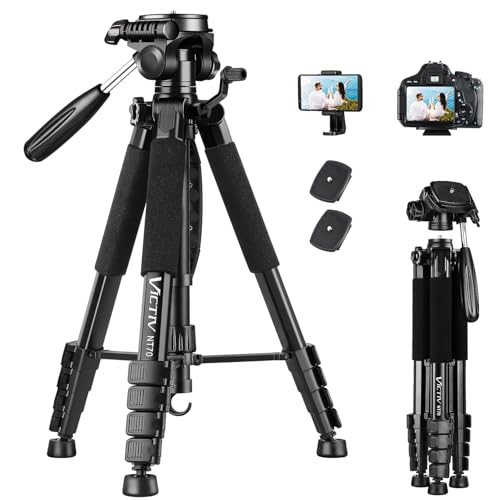
The VICTIV tripod offers a tall 74-inch working height and includes a phone holder. That dual use makes it handy for travelers who switch between a Nikon camera and a phone. I like this style for family trips, quick video clips, and full-body self-portraits. The extra height can also help when you need to shoot over a low wall or crowd.
Its appeal comes from flexibility rather than professional toughness. You can use it with a compatible Nikon body, then mount a phone for a map video or social post. A tall, light tripod needs care on uneven ground, so I would keep the legs short in strong wind. It is a practical support for casual travel, but serious landscape users may want a stronger head and thicker legs.
Pros:
- 74-inch height gives flexible framing options
- Phone holder adds useful two-device support
- Good for group photos and travel videos
- Easy choice for casual photographers
- Useful for both cameras and smartphones
- Often costs less than dedicated pro tripods
Cons:
- Tall legs may be less stable in wind
- Not ideal for heavy Nikon telephoto lenses
- May take more time to steady on rough ground
My Recommendation
This tripod suits families, solo travelers, and creators who use both a Nikon and a phone. It is a good add-on when the best Nikon camera for travel photography must also support hands-free video. Choose it for height and convenience. Choose a heavier tripod instead if you often shoot long exposures in exposed mountain or beach locations.
Mastering the Nikon D850 Guide

The D850 is not a small travel camera, but this guide can help owners use its deep feature set. The book explains the controls and shooting tools in a more focused way than a thin quick-start sheet. That matters when a trip gives you only one chance at a sunrise or local event. A clear guide can save time and reduce menu guessing.
I see the book as a useful learning tool for photographers who already own, or plan to buy, the high-resolution D850. It can support work with landscapes, portraits, travel details, and advanced exposure modes. It will not teach every creative skill by itself, and it is specific to the D850 rather than newer Z models. Still, it can make a complex camera feel more like a trusted travel partner.
Pros:
- Explains D850 controls in a focused format
- Helps users find key settings faster
- Useful for high-resolution landscape work
- Supports better preparation before a major trip
- Can reduce reliance on trial and error
- Helpful reference for serious Nikon owners
Cons:
- Only applies directly to the Nikon D850
- Does not replace hands-on photography practice
- Less useful for Z30 or COOLPIX owners
My Recommendation
I recommend this guide to D850 owners who want more control and fewer missed shots. It is especially useful before a landscape trip where the camera’s detail and dynamic range matter. It does not make a camera the best Nikon camera for travel photography, but it helps you get more from the body you own. Confirm the edition and language before purchase.
Amazon Basics 50-Inch Travel Tripod

The Amazon Basics 50-inch tripod focuses on simple support at a low cost. Its compact size works well for light Nikon cameras and small travel kits. The quick-release plate lets you attach the camera without a long setup. I would use it for table-top scenes, family photos, and calm evening shots.
Its shorter height keeps the folded size manageable, which helps when luggage space is tight. The champagne finish also gives it a less plain look than many basic black tripods. This is an entry-level stand, so it cannot match the stiffness of a full-size professional model. Use the center column with care, and keep the camera strap from catching wind.
Pros:
- Compact size fits small luggage and day bags
- Low price makes tripod use more accessible
- Quick-release plate saves setup time
- Good for light Nikon bodies and kit lenses
- Useful for self-timer and indoor travel photos
- Simple controls suit first-time tripod users
Cons:
- 50-inch height may feel short for adults
- Light frame is not suited to strong wind
- Heavy lenses may reduce stability
My Recommendation
This model is best for travelers who want basic support without adding much cost or bulk. Pair it with a light Z30 kit when you need a stable frame for a hotel room or city view. It is not my first choice for a heavy DSLR and telephoto lens. For casual use, though, it offers sensible value and simple operation.
ULANZI TB12 Travel Monopod

The ULANZI TB12 gives travelers a support tool that is faster to use than a full tripod. Its five-section design folds down for transport and extends to about 61 inches. You can use it as a monopod, and its small tripod base adds another option for steady framing. That makes it useful for crowded streets, events, and quick wildlife stops.
A monopod does not hold a camera as still as a tripod, but it is easier to carry and move. The aluminum build keeps the design practical for Nikon DSLR and mirrorless cameras within the supported load range. I like it for long lenses when my arms need help but a full tripod feels too slow. Always check that the base sits flat before stepping away from the camera.
Pros:
- Faster to deploy than a full travel tripod
- Five sections fold for easier packing
- Works as both monopod and small tripod
- Helpful with longer Nikon lenses
- Light design suits walking tours and events
- Useful in places where tripods feel intrusive
Cons:
- Less stable than a full tripod
- Small base needs careful placement
- Not ideal for unattended camera setups
My Recommendation
I recommend the TB12 to active travelers who value speed and low weight. It pairs well with the best Nikon camera for travel photography when you need extra support but cannot carry a large tripod. Sports fans, event photographers, and hikers may find it especially useful. Treat it as a stabilizing aid, not a full replacement for a sturdy three-leg tripod.
K&F Concept Camera Sling Bag

A good camera bag can matter as much as the camera on a busy trip. This K&F Concept sling style gives quick side access, so you can draw a Nikon camera without taking off a full backpack. The crossbody shape keeps the kit close while you walk through stations, markets, and museums. It also helps separate camera gear from keys, cables, and snacks.
The bag suits a compact mirrorless body with a small lens, or a modest DSLR kit, depending on the interior space. Its everyday design looks less like a large camera case, which can feel more natural in public. A sling cannot hold as much as a full camera backpack, and comfort depends on how much gear you load. I would use it with the Z30 and 16-50mm lens for a light city kit.
Pros:
- Fast side access helps capture brief moments
- Crossbody design keeps gear close and visible
- Less bulky than a full camera backpack
- Useful for city walks and casual sightseeing
- Can organize a camera, lens, battery, and cards
- Everyday look suits travel and daily use
Cons:
- Limited room for several large lenses
- One-shoulder carry may tire some users
- Fit varies with camera body and lens size
My Recommendation
This sling is best for urban travelers who want fast access and a small kit. It is a strong match for the Z30, which many people consider the best Nikon camera for travel photography because of its low weight. I would not use it for a full pro DSLR system. For a camera, spare battery, memory cards, and small personal items, it offers a convenient travel setup.
Best Nikon Travel Camera Features to Compare
Choosing the best Nikon camera for travel photography starts with your trip, not the camera name. A city break favors a small body and a wide lens. A safari favors reach, quick focus, and good battery life. A mountain trip may need weather care, a light bag, and a tripod for blue-hour scenes.
Sensor size affects the final image. The Z30 and D3200 use DX-format sensors, while the P950 uses a much smaller sensor built into its long-zoom design. Larger sensors usually give cleaner results in dim light and more control over background blur. A smaller sensor can still work very well in bright daylight, especially when a compact body or huge zoom matters more.
Lens choice also shapes travel results. A wide view helps with buildings, rooms, and large landscapes. A normal range feels natural for food, people, and street scenes. A long lens brings distant details closer, but it adds size and may need faster shutter speeds. The Z30’s 16-50mm kit lens is a balanced start, while the P950 wins when reach is the main goal.
Do not ignore handling. I want a grip that feels secure, buttons I can find without hunting, and a screen that stays readable outdoors. A viewfinder helps in bright sun, while a flip screen helps for self-filming and unusual angles. The best Nikon camera for travel photography should feel easy enough that you keep it with you.
Battery planning matters on travel days. Carry at least one spare battery, a small charger, and a fresh memory card. Turn off wireless tools when you do not need them, and use airplane mode when possible. Back up photos each night to a phone, tablet, laptop, or cloud service. A great camera cannot recover files that you never saved.
Which Nikon Camera Is Best for Your Trip?
| Best for | Why |
|---|---|
| Light city travel | The Nikon Z30 stays small and handles photos, video, and self-shot clips. |
| Wildlife and distant subjects | The COOLPIX P950 offers an 83x optical zoom without extra lenses. |
| Low-cost learning | The D3200 gives high resolution and manual control at a used-market price. |
Travel Photography Tips for Nikon Owners
I start each trip by setting the camera to RAW plus JPEG when storage allows. JPEG files are easy to share, while RAW files give me more room to fix bright skies and dark shadows. I also set a sensible auto ISO range before I leave. That small step helps me react when clouds cover the sun.
For streets and people, I use a single focus point or a subject-detection mode that I have already tested. I avoid changing many settings while a moment passes. For landscapes, I check the edges of the frame for poles, bags, and stray fingers. Small checks often matter more than expensive gear.
Travel light, but do not travel unprepared. A spare battery, lens cloth, memory card, and rain cover take little space. Keep the camera in a closed bag when you move between cold outdoor air and warm indoor rooms. This reduces the risk of moisture forming inside the camera and lens.
Respect local rules and people. Some museums ban cameras, and some sites limit tripods. Ask before photographing a person at close range. Good manners open more doors than a large lens. The best Nikon camera for travel photography is the one you can use with care and confidence.
FAQs Of best nikon camera for travel photography
What is the best Nikon camera for travel photography in 2026?
For most travelers, I recommend the Nikon Z30 with the 16-50mm lens. It is small, light, sharp, and useful for both photos and video. The best choice can change if you need extreme zoom or a very low price.
Is the Nikon Z30 good for travel photos?
Yes. Its DX sensor produces detailed images, and the 16-50mm lens covers many daily travel scenes. Its flip screen also helps with self-portraits and video. The main missing feature is a built-in viewfinder.
Is the Nikon P950 good for wildlife travel?
Yes, especially when distant animals or birds are your main subjects. Its 83x optical zoom gives it a reach that small kit lenses cannot match. Use good light and steady support for the sharpest results.
Should I buy an older Nikon DSLR for travel?
An older DSLR can be a good value for daylight trips and learning manual photography. The D3200 is more appealing than the D3000 because it offers higher resolution. Expect slower wireless sharing and older autofocus features.
Do I need a tripod for Nikon travel photography?
You do not need one for every trip, but a tripod helps with night scenes, sunsets, interiors, and self-timer photos. A small model works well with a light camera. Use a stronger tripod for heavy lenses or windy locations.
Final Verdict: Which Should You Buy?
The Nikon Z30 with the 16-50mm lens is my top pick. It offers the best mix of size, image quality, autofocus, and video for most travelers. The P950 is better for distant wildlife, while the D3200 is a smart low-cost DSLR.
Choose the best Nikon camera for travel photography based on your subjects and packing limits. Add a spare battery, a small bag, and support when needed. With the right kit, every trip can become a stronger visual story.

Everett Ashford is a tech reviewer at mytechgrid.com specializing in SSDs, cameras, TVs, earbuds, headphones, and other consumer electronics. He provides honest, data-driven reviews based on hands-on testing and real-world performance analysis. Everett simplifies complex tech details to help readers make smart, confident buying decisions.