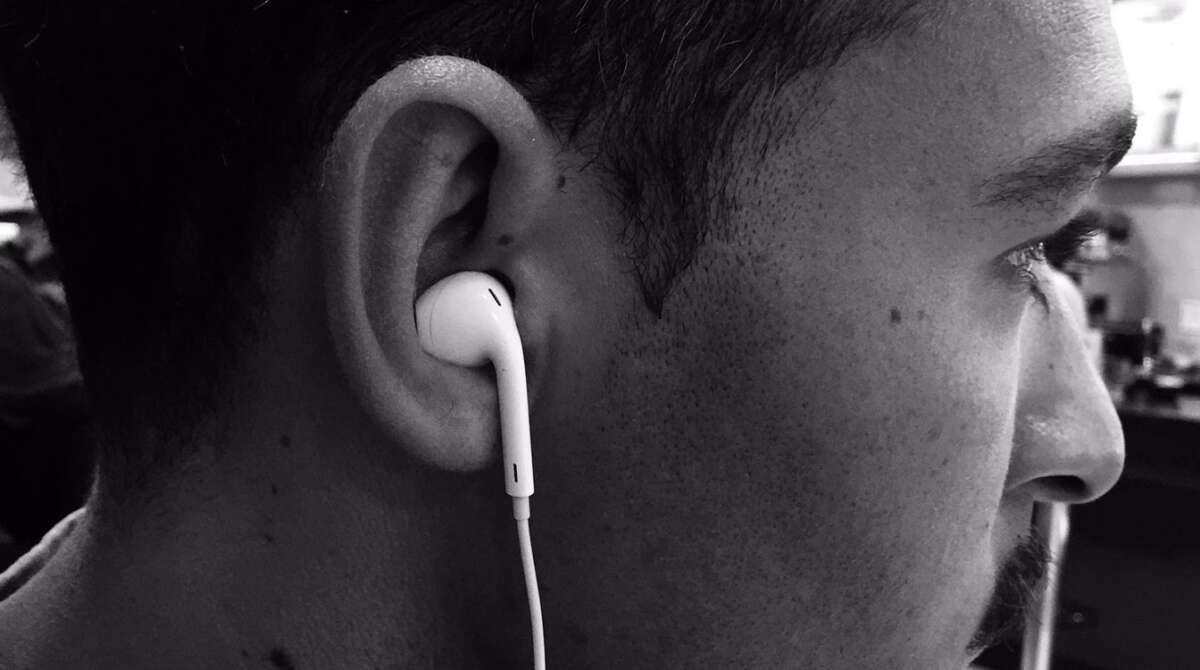
Wear wired earbuds with the tips seated gently, the cable relaxed, and the volume low enough to hear your surroundings.
Knowing how to wear wired earbuds can make a big difference in sound quality, comfort, and safety. The right fit keeps earbuds from falling out, reduces cable noise, and helps you enjoy clear audio without turning the volume too high. This guide explains the best methods for different ear shapes, activities, and earbud designs.
Why Proper Earbud Fit Matters
Wearing wired earbuds correctly is about more than appearance. A good fit creates a light seal in the ear canal, which can improve bass and reduce outside noise. It also keeps the earbuds stable when you walk, work, or exercise.
A poor fit can cause several problems:
• Earbuds may fall out often.
• Sound may seem weak or uneven.
• You may hear rubbing and tapping from the cable.
• Your ears may feel sore after a short time.
• You may raise the volume to block outside noise.
The goal is simple: the earbud should stay in place without feeling tight or painful. Think of it like placing a small cushion in the right spot. It should support the ear, not press against it.

How to Wear Wired Earbuds Step by Step
Follow these steps to get a secure and comfortable fit.
1. Check the Left and Right Markings
Most wired earbuds have a small “L” for the left ear and “R” for the right ear. Match each earbud to the correct side before putting them in.
This may seem basic, but reversed earbuds can make music sound less natural. Stereo recordings use separate left and right channels, so wearing the sides correctly helps preserve the intended sound.
2. Choose the Right Ear Tips
If your wired earbuds include silicone tips, try each size. Many models come with small, medium, and large tips.
The correct tip should:
• Sit securely without deep pressure.
• Create a gentle seal.
• Stay in place when you move your head.
• Feel comfortable after 20 to 30 minutes.
A tip that is too small may slip out and let in too much outside sound. A tip that is too large may create pressure or soreness.
3. Insert the Earbuds Gently
Hold the earbud by its main body. Do not pull on the cable. Place the tip at the opening of your ear canal and insert it with a small, gentle twist.
Do not push wired earbuds deep into your ears. They should rest securely, but they should never cause sharp pain or pressure. If you feel discomfort, remove the earbud and try another tip size or angle.
4. Route the Cable Correctly
Let the cable hang naturally in front of your chest, or route it over and behind your ears if the design allows it.
The over-ear method often gives better stability. It also reduces the amount of cable that swings during movement. Keep the cable loose enough that it does not pull on the earbuds.
5. Use the Cable Clip
Some wired earbuds include a small clip. Attach it to your shirt near your chest.
The clip takes weight off the cable and reduces movement. It can also reduce cable noise, sometimes called microphonics. This noise happens when the wire rubs against clothing and sends vibrations into the earbuds.

Two Main Ways to Wear Wired Earbuds
The best wearing style depends on your earbud design and daily activity. Most people use either the standard method or the over-ear method.
Standard Downward Fit
In the standard method, the earbuds sit in your ears while the cable hangs straight down.
This method is quick and works well for:
• Office work.
• Studying.
• Traveling.
• Casual listening.
• Phone calls while sitting still.
Make sure the cable does not pull downward. If it does, use a shirt clip or place the cable under your jacket or shirt.
Over-Ear Fit
For the over-ear method, guide each cable over the top of your ear before it drops down. Some earbuds have angled housings or memory wire that make this easier.
This style can offer:
• Better stability.
• Less cable movement.
• Reduced pulling on the earbud.
• More comfort during walking or exercise.
When learning how to wear wired earbuds over the ear, place the cable behind the ear first. Then insert the earbud. This helps the cable support the earbud instead of dragging it down.
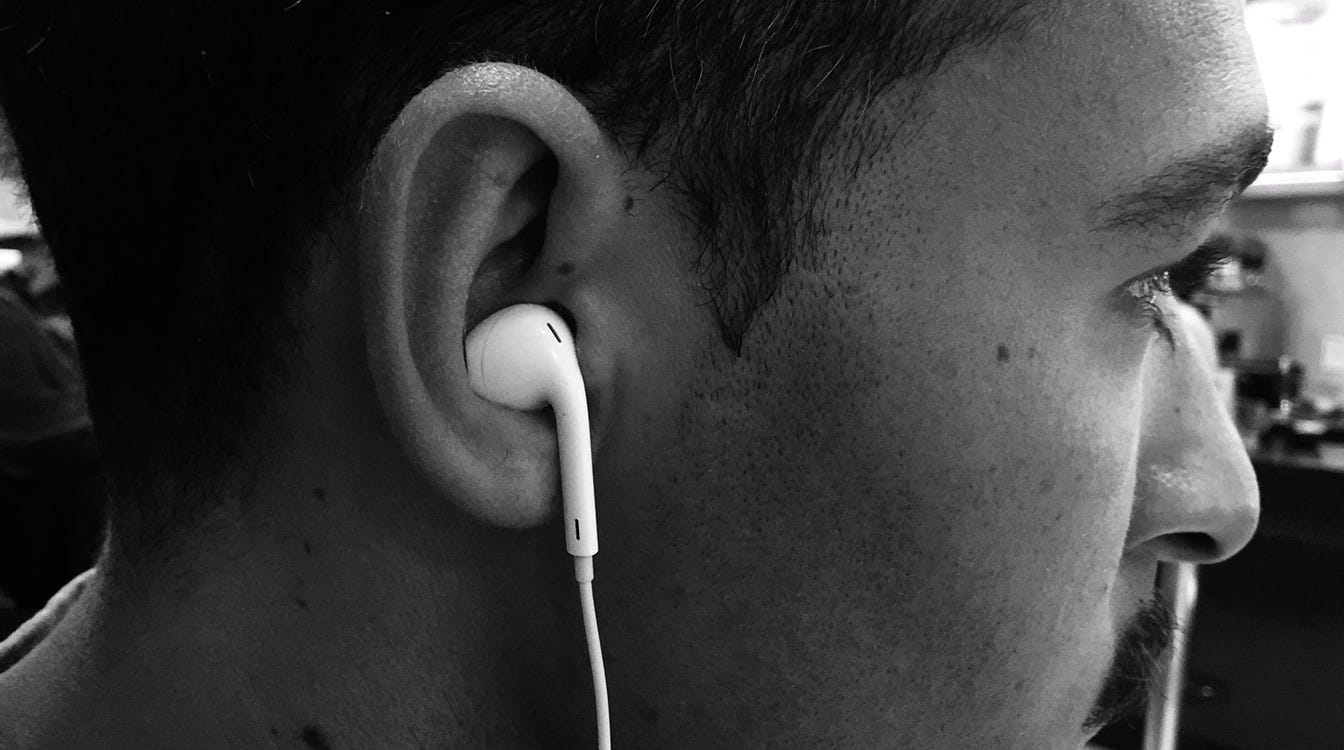
How to Wear Wired Earbuds for Exercise
Wired earbuds can work well for walking, light gym sessions, and other low-impact activities. The key is to control the cable before you start moving.
Try these steps:
-
Insert the earbuds and check that both sides feel secure.
-
Route the cable over your ears if possible.
-
Attach the clip to your shirt.
-
Leave a small loop of cable near your jaw or neck.
-
Keep extra cable tucked under your shirt.
That small loop gives you room to move without pulling the earbuds. Avoid wrapping the cable tightly around your neck. A loose route is more comfortable and safer.
For running, choose earbuds with secure ear hooks or wings. Standard earbuds may not stay in place during fast movement. Also, be aware of traffic, cyclists, and other hazards. Listening at a low volume helps you hear what is happening around you.

How to Improve Comfort and Sound Quality
Correct placement can improve both comfort and audio. Start by cleaning the earbuds and your ears gently. Dirt or earwax can block the speaker opening and change the sound.
Use these practical tips:
• Keep the earbud nozzle pointed toward the ear canal.
• Try a different angle if the bass sounds weak.
• Use matching ear tips on both sides.
• Take short breaks during long listening sessions.
• Replace damaged or hardened silicone tips.
In my own testing of wired earbuds, the biggest improvement often came from changing the tip size rather than changing the earbud. A medium tip may feel normal at first, but a small tip can work better for narrow ear canals. Fit is personal, so it may take a few tries.
If one side sounds louder, remove both earbuds and reseat them. The issue may be a loose seal, blocked mesh, or an incorrect balance setting on your phone.

Hearing Safety and Volume Control
Wearing wired earbuds properly does not remove the risk of hearing damage. High sound levels can harm hearing over time, especially when listening for many hours.
A useful safety rule is to keep the volume around half of the device’s maximum level and take regular breaks. If someone standing nearby can clearly hear your music, the volume may be too high.
Health and workplace safety guidance often uses 85 decibels over eight hours as a point where exposure should be limited. Louder sound requires less exposure time. Exact risk depends on volume, listening time, ear health, and the quality of the device.
Watch for warning signs:
• Ringing in your ears.
• Muffled hearing after listening.
• Ear pain or pressure.
• Needing higher volume over time.
If these signs continue, stop listening and speak with a hearing professional. Never use cotton swabs deep inside the ear canal, as they can push wax farther in or irritate the ear.

How to Wear Wired Earbuds During Phone Calls
For calls, place the microphone a few inches below your mouth. Do not cover it with clothing or hold it directly against your lips.
The cable should have enough slack to avoid pulling. If the microphone rubs against your shirt, attach the clip higher on your chest. This can make your voice clearer and reduce background noise caused by cable movement.
Before an important call, test the microphone with a voice recording. Check that the phone is using the wired headset instead of its built-in microphone. Some phones may need a compatible connector or adapter.
A wired headset with an in-line microphone can produce reliable call quality, but performance depends on the microphone, connector, phone, and surrounding noise.

Common Mistakes to Avoid
Even simple earbuds can feel uncomfortable when used the wrong way. These mistakes are easy to fix.
Pushing Earbuds Too Deep
Deep insertion does not always create better sound. It can cause pain, irritation, or pressure. Insert the earbuds only until they feel secure.
Using the Same Tip Size for Every Ear
Your left and right ears may not be the same size. It is fine to use a small tip on one side and a medium tip on the other.
Letting the Cable Pull
A heavy cable can slowly loosen the earbuds. Use a shirt clip, an over-ear route, or a small cable loop to reduce tension.
Listening Too Loud
A loose seal often causes people to increase the volume. Try a better-fitting ear tip before turning up the sound.
Sharing Earbuds Without Cleaning Them
Earbuds collect oil, sweat, and debris. Clean the outer surfaces with a dry or slightly damp cloth, and follow the manufacturer’s cleaning instructions. Do not soak wired earbuds or allow liquid to enter the speaker openings.
Sleeping With Wired Earbuds
Sleeping with wired earbuds may cause pressure, tangled cables, or damage to the earbud and connector. If you need audio at night, a speaker or purpose-built sleep headset may be a better choice.

Wired Earbuds, Earbuds With Hooks, and Earbuds With Wings
Not all wired earbuds fit the same way. Knowing the design helps you wear them correctly.
Standard Earbuds
These rest in the outer ear and often have a hard plastic shape. They do not always seal the ear canal, so outside noise may remain noticeable.
They are easy to insert and may feel comfortable for people who dislike silicone tips. However, they can slip out more easily during exercise.
In-Ear Wired Earbuds
These use silicone or foam tips that enter the ear canal slightly. They often provide better sound isolation and stronger bass.
Choose the smallest tip that creates a secure seal. Foam tips may improve comfort for some users, but they must be replaced when they become worn or dirty.
Earbuds With Ear Hooks
Ear hooks wrap around the outer ear. They are useful for running, gym workouts, and other movement.
Place the hook over the ear first, then adjust the earbud tip. The hook should support the earbud without pressing hard on the skin.
Earbuds With Stabilizing Wings
Wings fit into the outer folds of the ear. They add support without wrapping around the ear.
Match the wing to the shape of your ear. If it causes soreness, try a smaller size or a different position.
How to Care for Wired Earbuds
Good care helps wired earbuds last longer and keeps them more hygienic.
• Store them in a case instead of wrapping them tightly around your phone.
• Use the loose over-under method to coil the cable.
• Keep the connector dry and free of dust.
• Hold the plug when removing it from a device.
• Do not yank the cable to disconnect the earbuds.
• Inspect the wire for cracks, exposed metal, or loose parts.
• Clean the speaker mesh with a soft, dry brush.
One mistake I learned to avoid is wrapping the cord tightly around a phone or music player. That puts repeated stress near the connector, which is one of the most common failure points. A loose coil takes a few extra seconds and can greatly reduce strain.
When to Replace Wired Earbuds
Replace wired earbuds when the cable, connector, or housing becomes damaged. Exposed wires can cause poor sound, shorts, or a sudden loss of audio.
You should also consider replacement when:
• One side cuts out when the cable moves.
• The ear tips no longer stay attached.
• The cable has deep cracks.
• The microphone stops working.
• Cleaning does not improve muffled sound.
Do not repair exposed wires while wearing the earbuds. Disconnect them first, and use a qualified repair service if the model is valuable. In many cases, replacement is safer and more practical.
Frequently Asked Questions About How to Wear Wired Earbuds
Should wired earbuds go over or under the ear?
You can wear them either way. The standard downward method is simple, while the over-ear method usually gives better stability and less cable movement.
How tight should wired earbuds feel?
Wired earbuds should feel secure but not painful. If you notice pressure, soreness, or a blocked feeling, try a smaller tip or adjust the angle.
Why do my wired earbuds keep falling out?
The ear tips may be too small, the cable may be pulling, or the earbuds may not match your ear shape. Try another tip size, use the over-ear method, and attach the cable clip to your clothing.
Can you wear wired earbuds while running?
Yes, but choose a secure design with ear hooks or stabilizing wings when possible. Keep the volume low enough to hear traffic, people, and other sounds around you.
How do I stop wired earbuds from making noise when the cable moves?
Use a shirt clip, route the cable over your ears, or place part of the cable under your shirt. These methods reduce rubbing and vibrations that reach the earbuds.
Is it safe to wear wired earbuds all day?
Long listening sessions at high volume may increase the risk of hearing damage. Keep the volume moderate, take breaks, and stop listening if you notice ringing, pain, or muffled hearing.
Can I wear different ear tip sizes on each ear?
Yes. Many people have slightly different ear shapes or sizes. Use the tip that gives each ear a comfortable seal.
Conclusion
Learning how to wear wired earbuds is mostly about fit, cable control, and safe volume. Choose the right ear tips, insert them gently, route the cable with care, and use a clip or over-ear method when you need extra stability.
A comfortable pair should stay in place without pressure, sound clear without excessive volume, and remain easy to remove. Try these steps during your next listening session, and share your favorite wired earbud tips or experiences in the comments.

Everett Ashford is a tech reviewer at mytechgrid.com specializing in SSDs, cameras, TVs, earbuds, headphones, and other consumer electronics. He provides honest, data-driven reviews based on hands-on testing and real-world performance analysis. Everett simplifies complex tech details to help readers make smart, confident buying decisions.