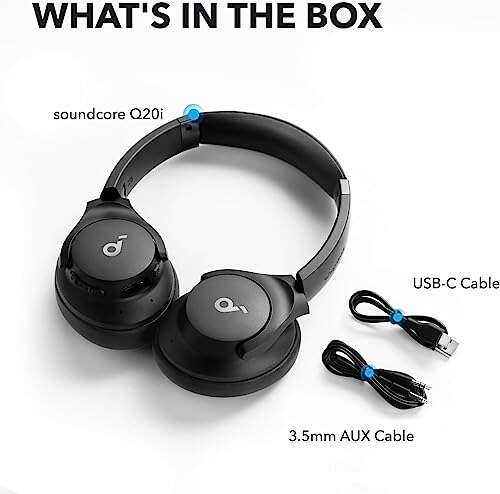
Place headphones over your ears first, then gently arrange your hair around the headband and ear cups.
Learning how to wear headphones with hair down is mostly about fit, hair placement, and avoiding pressure points. After testing several headphone styles with straight, curly, thick, and fine hair, I have found that a few small adjustments can prevent dents, frizz, tangles, and sore ears. This guide explains the best method, common mistakes, styling tips, and ways to protect both your comfort and your hair.
Why Wearing Headphones With Hair Down Can Be Difficult
Headphones can press your hair against your scalp and create flat spots. Over-ear models may also trap hair between the ear cup and your head. This can lead to frizz, static, tangles, or an unwanted headphone dent.
The problem is often worse when the headband is tight or the ear cups sit too low. Thick hair may get caught under the cushions, while fine hair can show every small change in shape.
Knowing how to wear headphones with hair down helps you solve these issues before they become uncomfortable. The goal is not to keep every strand perfect. The goal is to create a secure fit without crushing your hairstyle.
Common challenges include:
- Flattened hair at the crown of your head
- Hair caught between the ear cup and your ear
- Static caused by synthetic cushions or dry hair
- Frizz from repeated rubbing
- Ear pain from tight clamping force
- Headphone dents that remain after removing the device
Most of these problems come from fit and placement rather than from your hair type. A well-adjusted pair of headphones should feel stable without squeezing your head.
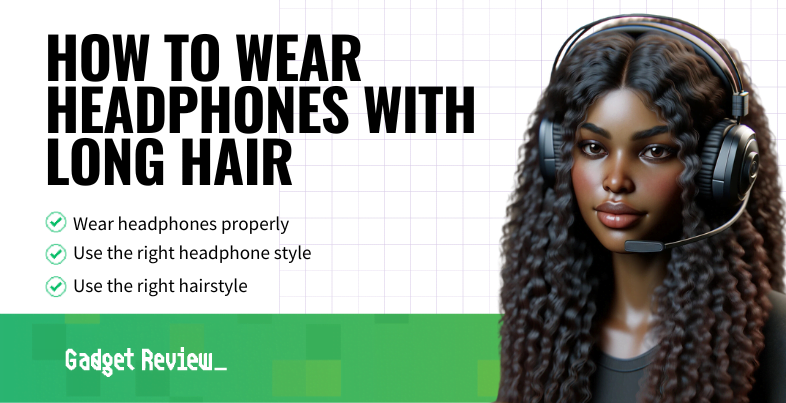
Choose the Right Headphones for Loose Hair
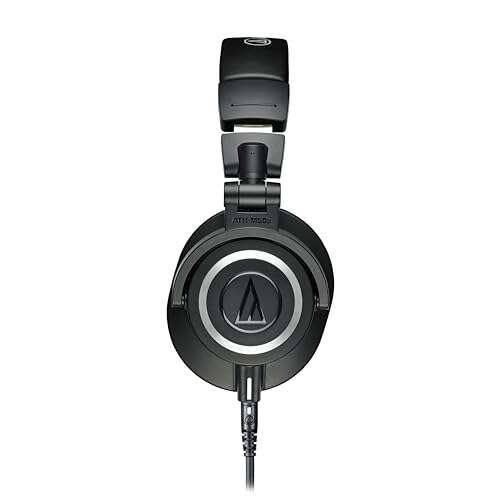
The headphone design makes a major difference. Over-ear headphones usually protect your ears from direct pressure, but their larger cups can press against the sides of your hair. On-ear headphones are lighter, yet they may push hair directly against your ears.
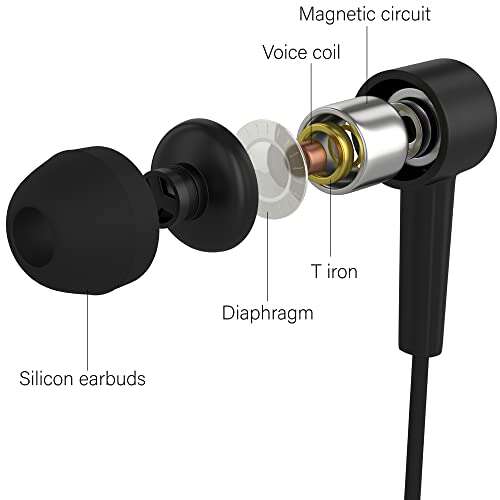
Wireless earbuds avoid most headband problems. However, they can disturb hair near the ears when you insert or remove them. They may also feel less secure during exercise or long walks.
When choosing headphones, look for:
- Soft, breathable ear cushions
- A flexible headband with gentle pressure
- Smooth edges that do not catch strands
- Ear cups large enough to surround your ears
- Adjustable sliders that stay in place
- A light design for long listening sessions
If you have curly or textured hair, wider ear cups can help reduce compression. If you have fine hair, smooth surfaces and a light headband may reduce static and visible dents.
The best headphones for wearing with hair down are not always the most expensive. Comfort, cushion shape, and clamp force matter more than brand labels. If possible, try them for at least 10 minutes before buying.

How to Wear Headphones With Hair Down Step by Step
Use this method when you want a stable fit without flattening your style.
1. Prepare your hair
Start with dry, gently brushed hair. Remove small tangles near your ears and the crown of your head. Avoid putting headphones on wet hair because moisture can make strands more fragile and easier to stretch.
If your hair is prone to frizz, use a small amount of lightweight leave-in conditioner or anti-frizz cream. Keep heavy oils away from the ear cushions because they can stain or weaken the material.
2. Adjust the headphones first
Before placing the headphones on your head, extend the headband slightly. Set both sides to the same length. This gives you a balanced fit and reduces the need to move the headphones around after they touch your hair.
The ear cups should line up with your ears. Do not use the headband to force the cups into place. If the ear cups sit too high or too low, adjust the sliders instead.
3. Place the headband on the crown
Lower the headphones gently from above. Place the headband on the top of your head, close to the natural center of your crown. Avoid dragging it across your hair.
A useful technique is to lift a small section of hair at the crown with your fingers. Set the headband down, then let the hair fall naturally over it. This creates a softer transition and can reduce a visible dent.
4. Position the ear cups
Guide each ear cup over the ear. Use your fingers to move hair away from the cushion before sealing it around your ear.
For over-ear headphones, make sure the entire ear sits inside the cushion. For on-ear headphones, place the cushion over the middle of the ear without pressing the outer edge into nearby hair.
5. Arrange the hair around the cups
Pull the front and side sections of your hair forward. Let them fall over the outer edge of the headphones if you want the device to look less visible.
For a cleaner look, tuck only the hair directly behind the ear cups. Do not force large sections behind the headphones. Too much tension can pull on your roots and create an uneven shape.
6. Check the fit
Move your head from side to side. The headphones should remain steady without squeezing. If you feel pressure near your temples, jaw, or ears, loosen the headband or adjust the cups.
This step is central to learning how to wear headphones with hair down. A secure fit should feel like a gentle hold, not a clamp.

Best Hair Placement for Different Hair Types
Hair texture changes how headphones behave. The same placement may work well for straight hair but create too much pressure on curls.
Straight hair
Straight hair can slide beneath the headband. Place the headband close to the crown and keep the hair loose around the ear cups. A small amount of dry texture spray can add grip, but avoid spraying directly on the headphones.
Wavy hair
Wavy hair often looks best when you preserve its natural shape. Place the headphones carefully instead of brushing the waves flat. After removing the headphones, shake the roots gently with your fingers.
Curly hair
Curly hair needs extra room. Use large over-ear cups and avoid pulling curls through tight spaces. Place the headband on top of the curls with minimal movement.
If the headphones flatten the top, lift the roots with your fingertips afterward. A light mist of water can help restore curl shape, but too much moisture may increase friction.
Thick hair
Thick hair may make the headphones feel too tight. Start with a wider headband and extend the sliders before putting the headphones on. You can also part your hair slightly at the crown so the headband rests more naturally.
Fine or thin hair
Fine hair may show a headphone dent quickly. Place a thin, smooth layer of hair beneath the headband and avoid repeated repositioning. Lightweight headphones usually work best.
Long hair
Long hair can become trapped under the ear cups or headband. Keep the hair in front of your shoulders while putting on the headphones. Once the fit is secure, let the hair fall back into place.

How to Prevent Headphone Hair and Dents
A headphone dent is temporary in most cases. It forms because the headband compresses the hair for a period of time. It does not usually mean your hair has been permanently damaged.
Try these simple methods:
- Move the headband slightly forward or backward every 30 to 60 minutes.
- Choose a wider headband that spreads pressure over more hair.
- Avoid wearing very tight headphones for several hours without a break.
- Lift the roots with your fingers after removing the headphones.
- Use a small amount of water or a fine mist to refresh the shape.
- Change your part slightly before placing on the headphones.
I have found that the biggest mistake is wearing headphones in the exact same position all day. Even a comfortable pair can create a sharp dent when the pressure stays in one place.
Do not tighten the headphones just to make the fit feel secure. If they slide, adjust the ear cups or choose a better-fitting model. Extra pressure often creates more hair problems without improving stability.

How to Avoid Frizz, Static, and Tangles
Friction is the main reason headphones can make hair look rough. Plastic headbands, synthetic cushions, and dry air can increase static. Hair that is already dry or chemically treated may be more sensitive.
Use these habits to protect your hair:
- Keep the headphone cushions clean and dry.
- Wipe the cushions with a soft cloth after regular use.
- Avoid putting headphones on immediately after applying oily products.
- Use a smooth hairbrush before and after listening.
- Apply a light anti-static or leave-in product when needed.
- Do not pull tangled hair out from under the ear cup.
- Remove the headphones slowly by lifting them upward.
If hair becomes caught, hold the hair near the root and slide the cushion away from the strand. Pulling hard can cause breakage and scalp discomfort.
A silk or satin scarf under the headband may reduce friction for some people. However, it can also make the headphones slide. Test a small, thin layer first and make sure the headphones remain stable.
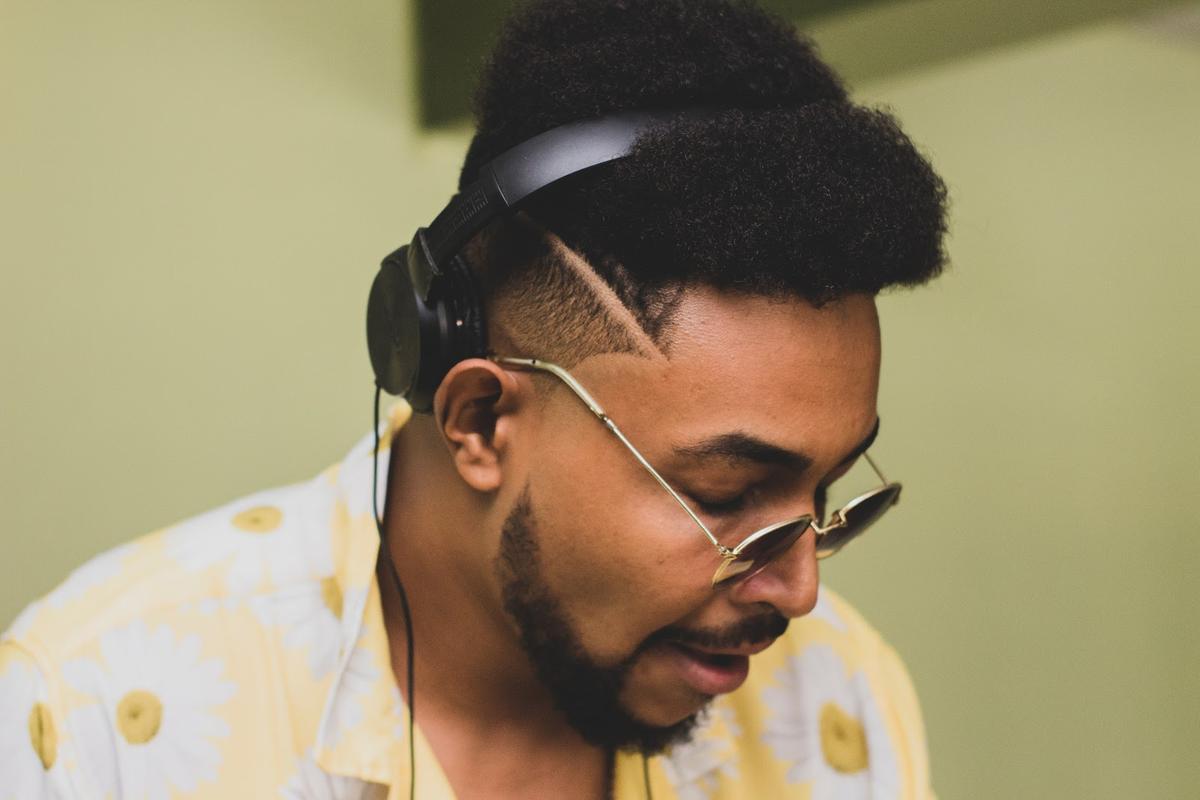
How to Wear Headphones With Hair Down at Work or School
Many people want good sound without making their headphones the main part of their appearance. A simple hairstyle can help.
Try a natural middle part with the hair left loose over the sides of the headphones. You can also place the headband slightly behind your part and let the front sections frame your face.
For a more polished look:
- Use low-profile over-ear headphones.
- Match the headphone color to your hair or outfit.
- Keep the headband straight instead of tilted.
- Smooth only the hair near the ears.
- Avoid repeatedly taking the headphones on and off.
- Store the headphones in a case to prevent dirty cushions.
If you need to switch between listening and conversation, choose headphones with an easy transparency mode. This reduces the need to remove the device and disturb your hair each time someone speaks to you.
At work, remember that headphones can block important sounds. Keep the volume at a safe level and remove them when you need full awareness of your surroundings.

How to Wear Headphones With Hair Down During Exercise
Loose hair and exercise require a more secure setup. Sweat can increase friction, while movement can make the headphones shift.
For walking or light exercise, over-ear headphones with a stable headband may work well. For running, sports earbuds or a model with ear hooks may stay in place better.
Before exercising:
- Brush long hair away from the ear cups.
- Use a soft, loose headband if your hair moves a lot.
- Avoid tight hairstyles that pull on your scalp.
- Check that the ear cups do not press painfully.
- Wipe away sweat from the headphones after use.
Do not wear noise-canceling headphones in places where you must hear traffic, cyclists, alarms, or other people. Noise reduction is useful, but awareness should come first.
Comfort, Hearing Safety, and Hair Health
Comfort matters as much as appearance. Pain around the ears, temples, or scalp usually means the headphones need adjustment. Persistent pressure is a sign to stop and reassess the fit.
Listening volume also affects your health. A practical rule is to keep the volume low enough that you can still hear some outside sound when appropriate. Take regular breaks during long listening sessions. Hearing experts commonly advise limiting both loudness and exposure time because the risk rises as either one increases.
Headphones should not cause:
- Numbness around the ears
- Headaches from tight clamping
- Scalp pain
- Ringing in the ears
- Persistent discomfort after removal
If you notice ringing, muffled hearing, or pain, stop listening and give your ears time to recover. Seek medical advice if symptoms continue.
Clean headphones also support skin and hair comfort. Sweat, oil, and product residue can collect on ear cushions. Follow the manufacturer’s cleaning instructions, and never soak electronic parts.
Common Mistakes to Avoid
Small habits can undo an otherwise good fit. Avoid these common errors when learning how to wear headphones with hair down:
- Dragging the headband across the hair
- Placing the ear cups over only part of the ear
- Tightening the band to compensate for poor sizing
- Wearing headphones on wet hair
- Pulling hair sharply from under the cushions
- Ignoring pain or numbness
- Using heavy styling products before listening
- Leaving sweat on the cushions
- Wearing the same tight hairstyle under the headphones
- Repositioning the headphones again and again
One mistake I often see is choosing a hairstyle first and forcing the headphones to fit afterward. It works better to adjust the headphones, place them gently, and then shape the hair around them.
Think of the headphones as a frame around your hairstyle. When the frame fits well, the hair needs far less correction.
A Simple Routine for Wearing Headphones With Hair Down
Use this short routine before a long listening session:
- Brush away tangles near the ears and crown.
- Adjust both sides of the headband evenly.
- Place the headband gently on the crown.
- Center the ear cups over the ears.
- Pull loose hair forward around the cups.
- Check for pressure, pinching, or trapped strands.
- Reposition the band after about an hour.
- Remove the headphones by lifting them away from the hair.
- Refresh the roots with your fingers.
This routine takes less than a minute. It also prevents most problems before they start.
If your hair still becomes flat, the headphones may be too heavy or too tight for your needs. Testing another shape can help more than changing your hairstyle.
Frequently Asked Questions About How to Wear Headphones With Hair Down
Can I wear over-ear headphones with my hair down?
Yes. Place the headband gently on the crown, center the ear cups over your ears, and move loose hair around the cushions. Over-ear headphones often work well because they surround the ears instead of pressing directly on them.
How do I stop headphones from flattening my hair?
Use a wider, lighter headband and change its position slightly during long listening sessions. After removing the headphones, lift your roots with your fingers or use a small amount of water to restore volume.
Is it better to put headphones over or under my hair?
For most hairstyles, place the headphones over the hair and arrange the strands around the ear cups. Pulling large sections of hair under the cups can create tension, tangles, and a flatter shape.
How do I wear headphones with curly hair down?
Choose spacious over-ear cushions and place the headphones with as little movement as possible. Do not pull curls tightly behind the ear cups, and gently reshape the curls after removing the headphones.
Can headphones damage my hair?
Headphones do not usually damage hair when they fit correctly and are used gently. Repeated friction, tight pressure, rough removal, and trapped tangles may contribute to breakage, especially if the hair is dry or fragile.
Why do my headphones hurt when my hair is down?
Pain may come from excessive clamp force, poorly aligned ear cups, or hair being trapped beneath the cushions. Adjust the sliders, center the cups, and stop using the headphones if discomfort continues.
Should I wear headphones on wet hair?
It is better to wait until your hair is dry. Wet hair is more fragile, and headphones can increase friction, flatten the style, and trap moisture against the scalp.
Conclusion
The best way to wear headphones with hair down is to adjust the device first, place it gently, and arrange your hair around the ear cups. Choose a comfortable design, avoid tight pressure, protect your hair from friction, and take breaks during long listening sessions.
A few seconds of careful placement can prevent dents, frizz, tangles, and ear pain. Try the routine today with your current headphones, then consider a lighter or wider model if the fit still feels uncomfortable. Share your favorite hairstyle and headphone tip in the comments, or explore more practical guides for comfortable everyday listening.

Everett Ashford is a tech reviewer at mytechgrid.com specializing in SSDs, cameras, TVs, earbuds, headphones, and other consumer electronics. He provides honest, data-driven reviews based on hands-on testing and real-world performance analysis. Everett simplifies complex tech details to help readers make smart, confident buying decisions.