Leica cameras cost so much because of German craftsmanship, low production volume, brand heritage, and strong resale value.
Why are Leica cameras so expensive? The short answer involves much more than a red dot on the front. Leica combines careful hand assembly, premium materials, advanced optics, low-volume production, strict quality checks, and a powerful history in photography.
That mix creates cameras that feel less like mass-market electronics and more like precision tools. Still, the high price does not mean every Leica is the best choice for every photographer. This guide explains where the money goes, what you truly gain, and when a Leica camera may or may not make sense.
Why are Leica cameras so expensive?
Leica cameras are expensive because Leica produces fewer cameras than large brands such as Canon, Sony, and Nikon. Lower production volume raises the cost of design, parts, labor, testing, and distribution.
The company also invests heavily in optical engineering. A Leica lens often requires complex glass elements, careful alignment, and strict inspection. Even a small error in lens assembly can affect sharpness, contrast, color, or focus accuracy.
Several major factors answer why are Leica cameras so expensive:
- Precision manufacturing in Germany and other Leica facilities
- High-quality aluminum, brass, steel, glass, and leather
- Advanced lens design and optical performance
- Small production runs
- Extensive quality control
- Long product support
- Strong brand heritage
- Limited editions and collector demand
- Better-than-average resale value for some models
A Leica is not priced like a basic electronic device. It is priced more like a precision instrument. The same idea applies to mechanical watches, musical instruments, and handmade bicycles. The buyer pays for materials, skill, consistency, and the experience of ownership.
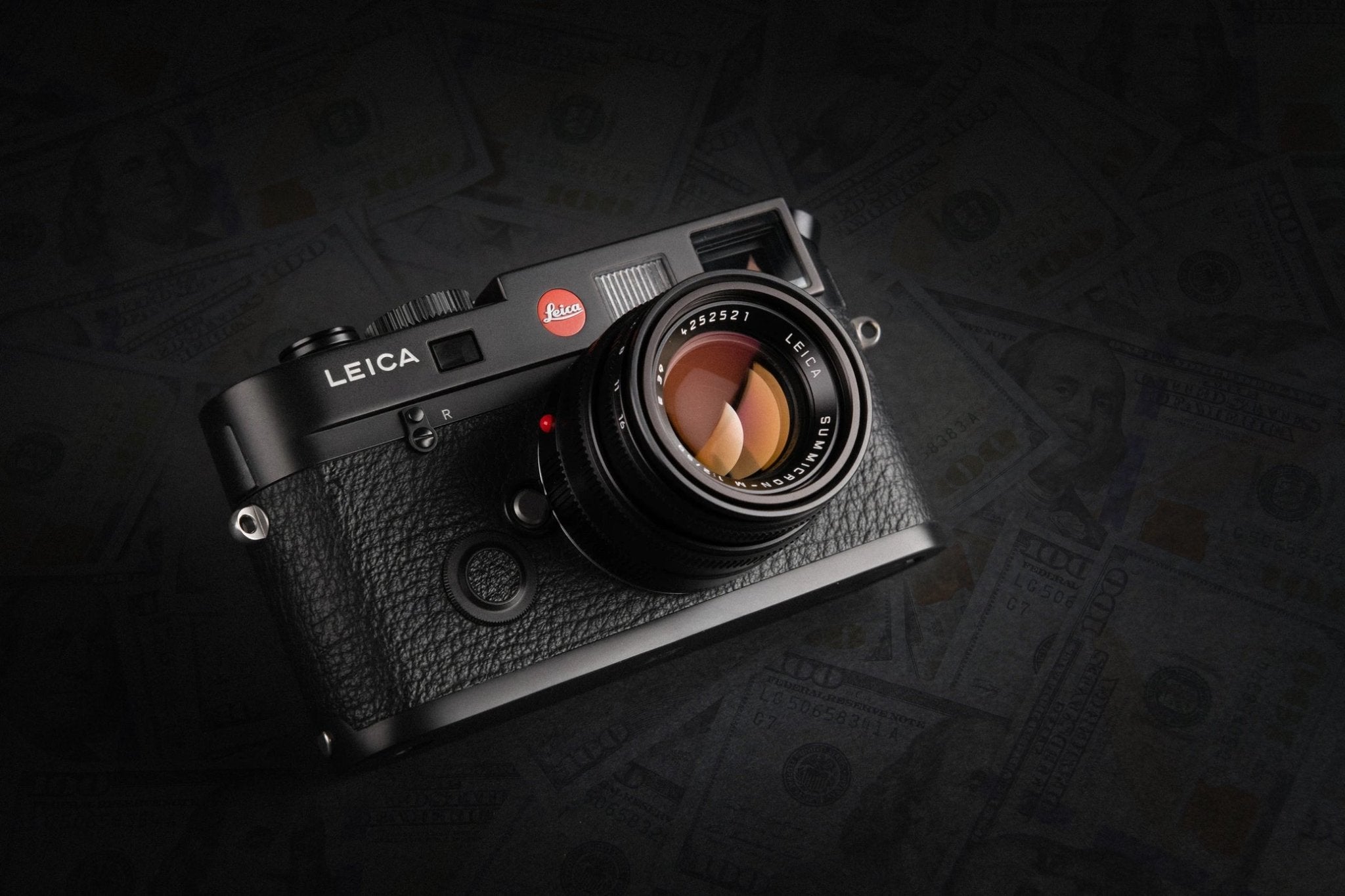
German craftsmanship and low-volume production
Leica has built its reputation around careful manufacturing. Some Leica cameras and lenses are assembled and tested in Germany, while other products are made through international manufacturing partnerships. The exact production location depends on the model.
German assembly does not automatically make a camera better. However, it often reflects a slower and more controlled production process. Leica can spend more time on inspection, adjustment, and finish than a company making millions of units.
Mass-market camera makers benefit from huge economies of scale. They may purchase parts in very large quantities and use highly automated factories. Leica produces far fewer units, so the cost of each body and lens must carry more of the company’s research, labor, tooling, and service expenses.
This is one of the clearest answers to why are Leica cameras so expensive. A high-volume camera can spread development costs across hundreds of thousands of units. A low-volume Leica must recover those costs across a much smaller number.
The difference is similar to buying a handmade wooden desk instead of a flat-pack table. Both can hold your computer, but the cost structure is not the same.

Leica lenses are a major part of the price
Many photographers focus on the camera body when asking why are Leica cameras so expensive. In practice, the lens often explains an even larger share of the cost.
Leica has a long history of designing compact lenses with strong sharpness, contrast, and control of distortion. Its M lenses, for example, must work within the special limits of the M mount and rangefinder system. Designers must balance image quality with a small size and short flange distance.
Premium Leica lenses may include:
- Special optical formulas
- Carefully selected glass
- Precise lens coatings
- Manual focus systems with smooth movement
- Brass or aluminum parts
- Tight manufacturing tolerances
- Individual calibration
A lens can look simple on the outside while requiring difficult work inside. The focus ring must move with the right amount of resistance. The optical elements must stay aligned. The aperture must operate smoothly and accurately.
This is why comparing Leica only by megapixels can be misleading. A lower-priced camera may have more features, while a Leica lens may offer a different mix of size, rendering, build, and handling.
However, expensive does not mean flawless. Leica lenses can still show flare, focus errors, sample variation, or limits at wide apertures. Independent testing and real-world use matter more than reputation alone.

Leica’s rangefinder design adds cost
Leica’s M cameras use a rangefinder focusing system rather than the electronic viewfinder or optical system found on most interchangeable-lens cameras.
A rangefinder uses a separate viewing and focusing mechanism. Two images are brought together in the viewfinder. When the images align, the subject is in focus.
This design has several benefits:
- The camera can be smaller than many professional mirrorless bodies
- The viewfinder stays bright in low light
- The photographer sees outside the frame lines
- The camera encourages a quiet, deliberate shooting style
- Many M lenses remain compact
It also creates challenges. Rangefinder cameras require careful mechanical calibration. The focusing system must match the lens mount with great accuracy. If the body or lens is slightly out of adjustment, focus can be wrong.
That precision helps explain why are Leica cameras so expensive. Leica is not simply placing a sensor and processor inside a shell. It is maintaining a complex system that links the body, rangefinder, lens, and photographer.
The rangefinder design also requires learning. It is not always the fastest option for sports, birds, or rapidly changing subjects. For some people, the slower process is part of the joy. For others, it is an unnecessary barrier.

Materials, durability, and repairability
Leica cameras often use materials that feel more substantial than those in many consumer models. Depending on the product, you may find magnesium alloy, aluminum, brass, steel, glass, and leather.
A metal body does not guarantee better images. It can, however, improve the camera’s feel, durability, and resistance to daily wear. A well-maintained Leica can remain usable for many years.
Older Leica M cameras are also known for their serviceability. Mechanical models can often be cleaned, adjusted, and repaired by trained technicians. That does not mean every repair is easy or affordable. Parts may be scarce, and specialist labor can be costly.
This long service life is an important part of why are Leica cameras so expensive. Leica aims to sell a camera that can become a long-term tool rather than a device that users replace every few years.
Still, owners should avoid treating a Leica as indestructible. Water, dust, impact, poor storage, and careless lens changes can cause serious damage. Regular maintenance and safe handling remain essential.
Research, design, and quality control
A modern camera is a small computer, but image quality still depends on optics, sensors, firmware, mechanics, and testing. Leica must coordinate all of these elements while preserving its design goals.
Quality control can include checks for:
- Sensor performance
- Autofocus accuracy
- Rangefinder alignment
- Shutter timing
- Aperture operation
- Dust and sealing performance
- Lens centering
- Button and dial function
- Firmware stability
The more precise the product, the more expensive it can be to inspect. A camera that passes through several stages of testing takes more labor than one that receives only automated checks.
Leica also develops products for a smaller audience. That audience often expects a specific experience, such as a quiet shutter, simple controls, compact lenses, or a classic design. Meeting those expectations can require custom parts and specialized engineering.
This does not mean every Leica has better technical results than every competing camera. Sony may offer faster autofocus. Canon may provide a more complete professional system. Fujifilm may offer a stronger value proposition for many enthusiasts.
The reason why are Leica cameras so expensive is not that Leica wins every comparison. It is that Leica builds a particular combination of features, materials, optics, and feel.

Brand heritage and the Leica name
Leica’s history has a major effect on its prices. The company helped popularize the use of compact 35mm cameras for serious photography. Leica cameras became closely linked with photojournalism, street photography, documentary work, and influential photographers.
That history creates emotional value. Buyers are not only paying for a tool. They may also be paying for a connection to a tradition.
Brand value is common in many industries. A luxury watch tells time, but its price also reflects design, history, finishing, and status. A Leica camera works in much the same way.
This helps explain why are Leica cameras so expensive even when another camera may offer more technical features for less money. Leica sells a defined experience and identity.
Brand reputation can be useful when it reflects real quality. It can also lead to unrealistic expectations. A Leica will not automatically improve composition, timing, storytelling, or creativity. The photographer still makes the picture.
In my experience of comparing camera systems and reviewing how photographers use them, the biggest benefit often comes from the way a Leica slows the process. When a camera removes distractions, some users become more observant and intentional. That benefit is personal, not universal.

Limited editions and collector demand
Some Leica cameras and lenses are produced in limited editions. These models may feature special finishes, colors, engravings, packaging, or links to artists and cultural events.
Limited editions can cost far more than standard models because of:
- Small production numbers
- Special materials and finishing
- Collector interest
- Exclusive packaging
- Brand partnerships
- Scarcity in the used market
A limited edition is not always a better photographic tool. Its value may come mainly from rarity and condition.
Collectors may pay high prices for older Leica cameras, especially rare models with documented history. The value can rise when the camera is complete, clean, and supported by original packaging or proof of ownership.
This is another part of why are Leica cameras so expensive. Some Leica products function as luxury goods as well as photographic equipment.
Buyers should be careful here. A rare camera is not automatically a good investment. Prices can fall, and collectibles may take time to sell. Anyone buying for financial gain should research auction results, dealer prices, service history, and market demand.

Strong resale value can reduce the long-term cost
Leica cameras often hold value better than many mainstream digital cameras, particularly popular M models and high-quality lenses. This happens because of brand loyalty, limited supply, durable construction, and steady demand in the used market.
A camera that costs $6,000 and later sells for $4,500 may be cheaper to own than a $2,500 camera that falls to $900. The original purchase price is only one part of the calculation.
Consider total cost of ownership:
- Purchase price
- Expected resale value
- Lens cost
- Batteries and accessories
- Insurance
- Maintenance
- Repair costs
- The time you expect to use the camera
This does not make Leica automatically affordable. Repairs and accessories can be expensive. Some newer digital models also lose value as technology changes.
A common mistake is buying a Leica because someone claims it will always appreciate. That is not guaranteed. Condition, model, production year, market trends, and service records all matter.
The safest approach is to buy a Leica because you want to use it. Treat resale value as a possible benefit, not a promise.
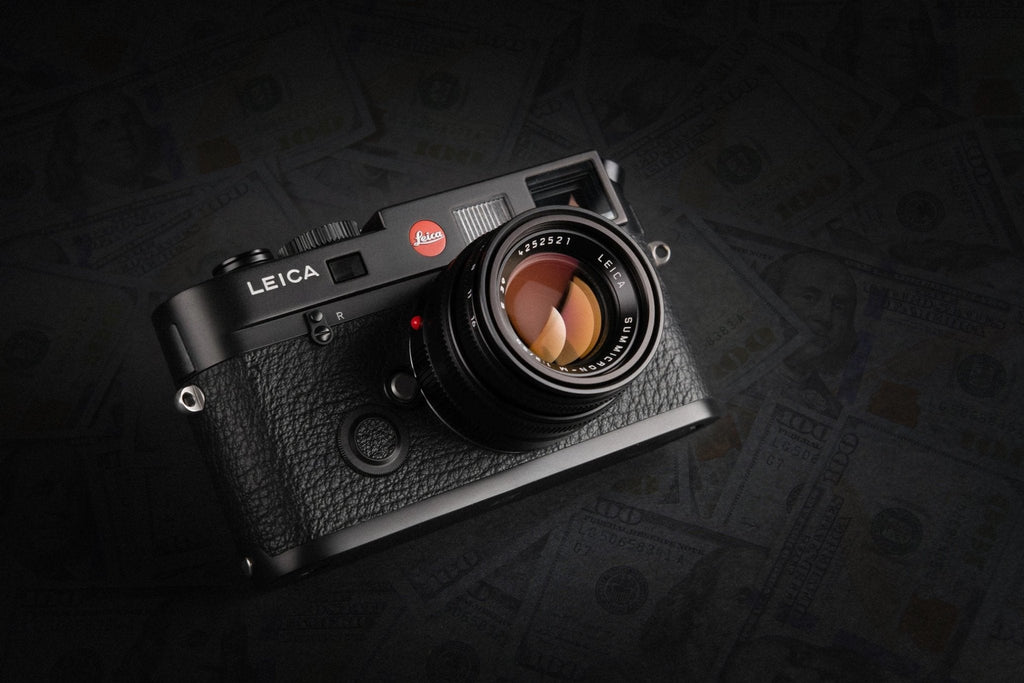
What do you get for the higher price?
The answer depends on the Leica model. A Leica M rangefinder offers a very different experience from a Leica SL mirrorless camera or a Leica Q compact camera.
Possible benefits include:
- Excellent lens design
- Compact M-system lenses
- Strong build quality
- Distinctive manual controls
- Quiet and discreet operation
- Long product life
- High resale demand
- A focused shooting experience
- Access to Leica’s optical system
The value is strongest for photographers who enjoy the process of making an image. If you want a camera that feels calm, direct, and durable, the premium may feel worthwhile.
The value is weaker for users who mainly want the most features per dollar. A less expensive mirrorless camera may provide better autofocus, more video tools, faster bursts, stronger stabilization, and a wider lens range.
Before buying, ask yourself:
- Do I enjoy manual focusing?
- Do I need fast autofocus?
- Will I use the camera often?
- Can I afford Leica lenses?
- Do I value compact design?
- Am I drawn to the experience or only the status?
- Would a used model meet my needs?
These questions are more useful than simply asking why are Leica cameras so expensive. They help you decide whether the price makes sense for your work.
Leica cameras compared with cheaper alternatives
A less expensive camera can produce excellent images. In many situations, the photographer, light, lens choice, and timing matter more than the logo on the body.
A Sony Alpha camera may be a better choice for fast autofocus and video. A Canon EOS system may offer a broad range of lenses and strong professional support. Nikon’s Z system can be excellent for still photography and low-light work. Fujifilm provides attractive controls, film simulations, and competitive prices.
Used Leica equipment can offer a middle path. Older M lenses may deliver excellent optical results at lower prices. Used digital bodies can also reduce the entry cost, although battery health, sensor condition, firmware, and repair history require careful checking.
My practical advice is simple: rent before buying. Spend a weekend with the camera. Photograph in bright light, low light, close focus, and moving scenes. If the camera feels frustrating, its prestige will not solve the problem.
The biggest mistake is buying a Leica body without budgeting for the lens. Leica lenses are often the heart of the system, and a cheap adapter or poor lens choice can defeat the reason for buying the camera.
Common disadvantages of Leica cameras
A balanced answer to why are Leica cameras so expensive must include the limitations.
Leica cameras may not suit you if you need:
- Advanced subject tracking
- High-speed continuous shooting
- Long telephoto lenses
- Extensive video features
- Built-in image stabilization on every model
- A large grip and many controls
- Low-cost repairs
- A complete kit at a modest price
M rangefinders can also be difficult for close subjects and fast action. The frame lines show an approximation of the final image, and parallax becomes more important at short distances.
Digital Leica cameras may have fewer features than similarly priced competitors. Some users love that simplicity. Others see it as poor value.
The camera’s learning curve is another limitation. Manual focus takes practice, and a rangefinder rewards patience. A photographer expecting instant results may feel disappointed.
These limits do not make Leica cameras bad. They show that Leica prioritizes a specific style of photography rather than trying to satisfy every user.
How to buy a Leica without overspending
You do not need to start with the newest body and a full set of lenses. A careful buying plan can reduce risk.
-
Define your main type of photography. Street, travel, portraits, landscapes, and professional events may require different systems.
-
Try the camera in person. Check the grip, viewfinder, focus action, menus, and shutter sound.
-
Consider used equipment from a trusted dealer. Ask about return policies, service records, sensor condition, and warranty coverage.
-
Budget for the lens first. One excellent lens is usually more useful than several cheap accessories.
-
Check the rangefinder alignment on a used M camera. Test focus at wide apertures and short distances.
-
Compare total ownership cost. Include insurance, batteries, straps, filters, repairs, and storage.
-
Avoid impulse purchases based only on limited-edition appeal. Scarcity can create excitement, but it does not guarantee usefulness.
-
Rent competing cameras. A side-by-side test often reveals whether you value Leica’s handling enough to justify the premium.
A good purchase should make you want to take more photographs. If the price creates constant worry, a different camera may give you greater freedom.
Why are Leica cameras so expensive for professionals?
Professional photographers may choose Leica for its compact lenses, discreet operation, optical quality, and dependable handling. A documentary photographer working in crowded streets may value a small M camera more than a large professional body.
Some professionals also choose Leica because they already understand the system and trust it. Familiar tools can improve speed and confidence, even when they do not offer the most advanced specifications.
However, Leica is not the standard choice for every professional field. Sports, wildlife, commercial studios, weddings, and high-end video often favor systems with stronger autofocus, larger lens ranges, and more specialized accessories.
The professional answer to why are Leica cameras so expensive is therefore practical and personal. A working photographer may earn value from reliability, lens quality, client expectations, or a preferred shooting process. Another professional may find the same camera too slow or limited.
The best camera is the one that supports the job. Prestige alone does not pay the bills.
Frequently Asked Questions
Why are Leica cameras so expensive compared with Canon or Sony?
Leica produces fewer cameras and lenses, uses premium materials, invests in specialized optics, and maintains a luxury brand position. Canon and Sony benefit from much higher production volumes and broader consumer markets, which helps lower prices.
Are Leica cameras really better?
Leica cameras can offer excellent lenses, strong construction, precise controls, and a distinctive shooting experience. They are not automatically better for every task, since competing brands may provide faster autofocus, better video features, or more equipment for less money.
Why are Leica lenses so expensive?
Leica lenses often require complex optical designs, tight alignment, high-quality glass, careful coatings, and detailed manual inspection. Their compact size, strong performance, durable construction, and resale demand also contribute to the price.
Do Leica cameras hold their value?
Many popular Leica M cameras and lenses hold value well, but resale prices are not guaranteed. Condition, model, age, service history, rarity, and market demand all affect the final price.
Is a used Leica camera worth buying?
A used Leica can be a smart choice when purchased from a reputable seller with a return policy and clear condition details. Check the sensor, shutter, rangefinder alignment, lens condition, battery, and repair history before paying.
Are Leica cameras good for beginners?
Leica cameras can suit beginners who enjoy learning manual focus and taking a slower approach to photography. They may not suit beginners who need easy autofocus, extensive guidance, or a low-cost way to explore different types of photography.
Does a Leica camera make better photos?
A Leica does not guarantee better photos. Its design may encourage careful framing and deliberate shooting, but image quality still depends on light, composition, subject choice, timing, and the photographer’s skill.
Conclusion
Why are Leica cameras so expensive? The price comes from a blend of precision optics, low-volume production, premium materials, careful quality control, brand history, specialized design, and resale demand.
That price can make sense if you value Leica’s lenses, compact rangefinder system, tactile controls, and long-term ownership experience. It may not make sense if you need the fastest autofocus, the widest feature set, or the best value per dollar.
Try before you buy, compare total ownership costs, and choose the camera that makes you excited to take pictures. Explore trusted used dealers, rent competing systems, and share your own Leica experience in the comments.

Everett Ashford is a tech reviewer at mytechgrid.com specializing in SSDs, cameras, TVs, earbuds, headphones, and other consumer electronics. He provides honest, data-driven reviews based on hands-on testing and real-world performance analysis. Everett simplifies complex tech details to help readers make smart, confident buying decisions.