A rangefinder camera measures subject distance using a separate optical system to achieve precise manual focus.
I’ve worked with rangefinder cameras for years, tested classic film models and modern digital versions, and I’ll walk you through exactly what a rangefinder camera is, how it works, and why it still matters today. This guide covers clear definitions, real-world examples, practical tips from my experience, and the trade-offs you should know before choosing one. If you want a deep but easy-to-follow look at what is a rangefinder camera, you’ll find actionable advice here to help you decide and shoot better.
How a rangefinder camera works
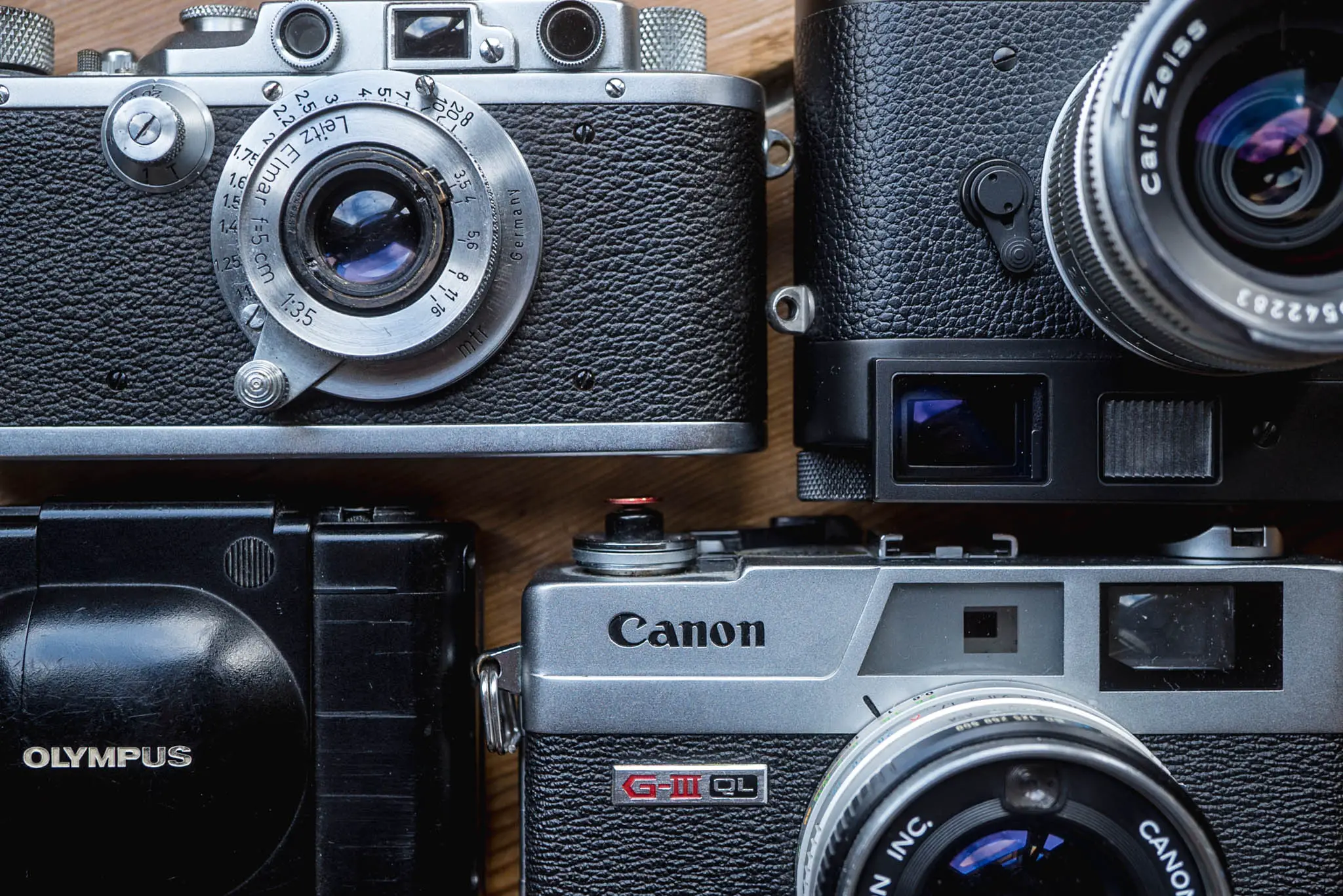
A rangefinder camera uses a coupled optical system to let the photographer gauge distance. The viewfinder shows two images. When those images align, the subject is in focus.
In practical terms, the photographer turns the focus ring until the split or superimposed image lines up. That alignment corresponds to the lens focus distance. This method is mechanical and optical. It does not rely on through-the-lens viewing for focus, in most models.
Rangefinder mechanisms can be simple and robust. They are fast for manual focus once you learn them. This system explains why many street and documentary photographers prefer rangefinder cameras for quick, quiet shooting.

Key components of a rangefinder camera
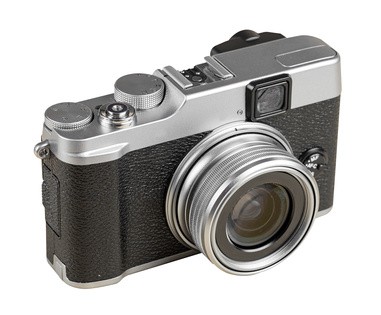
A typical rangefinder camera includes a few main parts. Each part plays a clear role in focusing and composing.
- Viewfinder window The eyepiece you look through. It shows framing and the rangefinder patch.
- Rangefinder patch A small area in the viewfinder that doubles images for focusing.
- Coupling mechanism Links lens movement to the rangefinder optics so focus aligns correctly.
- Lens mount Many rangefinders use fixed- or interchangeable-lens mounts that are often optimized for manual lenses.
- Focusing ring The control you use to align the rangefinder images and set focus.
Understanding these parts helps when you service a camera or evaluate a used model. It also makes it easier to troubleshoot misalignment or focus errors.
Types and brief history of rangefinder cameras
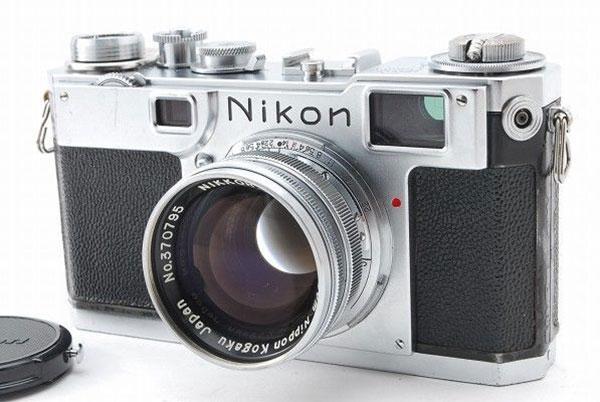
Rangefinder designs date back to early 20th century. They grew popular before single-lens reflex (SLR) cameras became dominant.
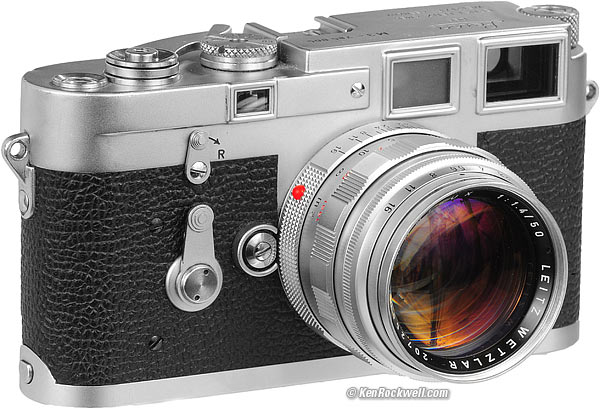
- Classic film rangefinders These include compact steel bodies and manual lenses. Many are prized for build quality and image character.
- Modern digital rangefinders Newer models keep rangefinder-style viewfinders or hybrid systems and pair them with digital sensors.
- Twin-lens and coupled rangefinders Older variants used multiple optics to estimate distance; coupled types communicate directly with the lens.
Knowing the lineage helps you understand why certain design choices remain. The charm, speed, and compactness of many rangefinder cameras trace back to their photographic roots.

Advantages and limitations
Rangefinder cameras have strengths and trade-offs. I’ll outline the common benefits and the practical limits you’ll meet.
Advantages
- Quiet operation Rangefinders are often much quieter than SLRs, ideal for unobtrusive shooting.
- Compact size Without the mirror box, cameras are smaller and lighter.
- Accurate wide-angle focusing Many photographers find wide lenses easier to focus with a rangefinder.
- Clear viewfinder You can see outside the frame, which helps anticipate action.
Limitations
- Limited lens compatibility Long telephoto lenses and some zooms can be awkward or incompatible.
- Parallax error At close distances, framing differs from what the lens captures; rangefinders require compensation.
- Manual focus learning curve Beginners may need practice to focus quickly and accurately.
- No through-the-lens focusing You don’t see depth of field or exact framing for every lens and aperture.
These factors explain why rangefinder cameras suit specific styles like street, travel, and documentary work, and why they may not fit action sports or wildlife needs as well.
Rangefinder vs SLR and mirrorless cameras
Comparing systems clarifies where a rangefinder camera fits in today’s market.
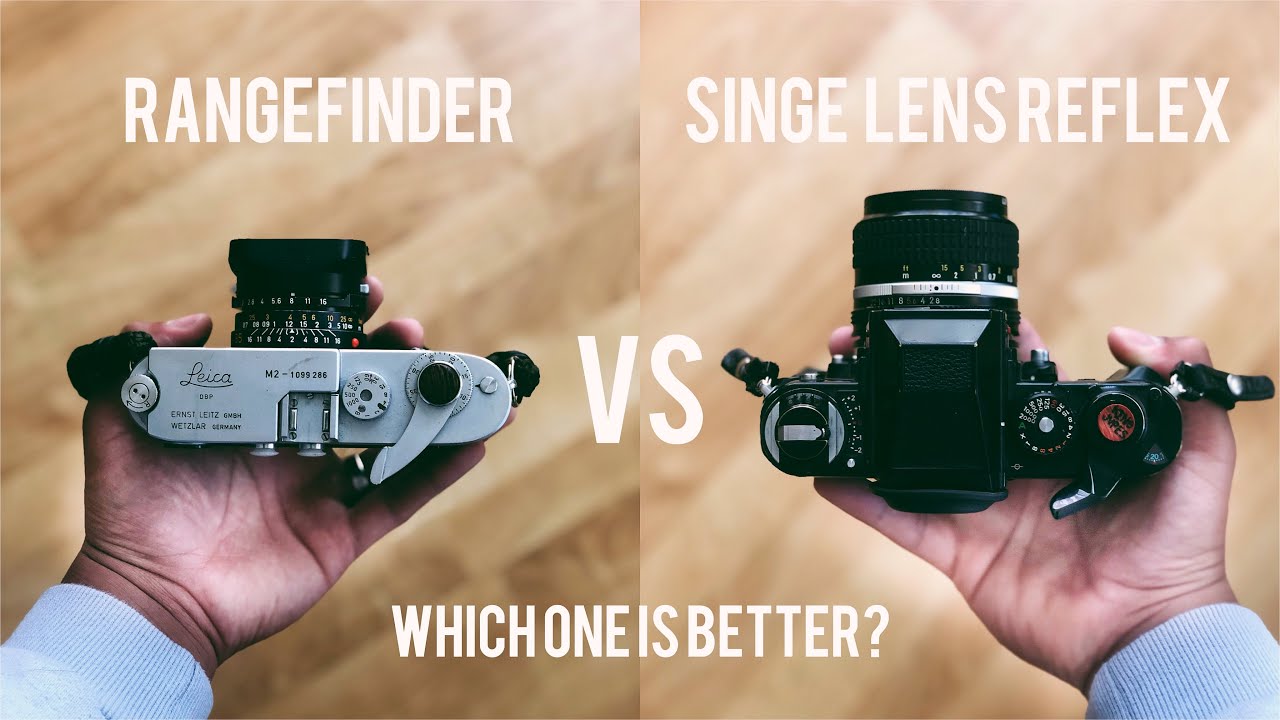
- SLR and mirrorless systems These let you focus through the lens and often offer fast autofocus. They excel for long lenses and action.
- Rangefinder camera systems Rangefinders win for compactness, silence, and certain wide-angle imaging styles.
Choose a rangefinder camera if you value small size, quiet shooting, and a tactile manual-focus workflow. Choose SLR or mirrorless if you need autofocus, long telephotos, or precise TTL metering for complex lighting.
When to choose a rangefinder camera
A rangefinder camera is a strong choice in specific situations. Think about what you shoot and how you work.
- Street photography Quietness and quick, discreet focusing are valuable.
- Travel and city work Lightweight gear and fast handling reduce fatigue.
- Portraits at moderate distances Wide-aperture lenses on rangefinders create pleasing results if you can manage focus.
- Film enthusiasts and collectors Many enjoy the tactile, mechanical feel of classic rangefinders.
If you often need long lenses, fast autofocus, or precise through-the-lens metering, a rangefinder camera may not be the best fit. Consider your priorities before committing.
Practical tips and personal experience
I began with an old film rangefinder and moved to modern digital models while keeping classic lenses. That journey taught me a few simple, practical lessons.
- Practice focusing on moving targets Learn to anticipate and pre-focus to capture decisive moments.
- Use zone focusing For street work, set a focus distance and aperture so subjects in a certain range are sharp.
- Check alignment regularly On older cameras, small knocks can misalign the rangefinder; service is often inexpensive.
- Choose the right lenses Fast wide primes and compact 35mm or 28mm lenses are natural partners for rangefinders.
One mistake I made early on was trying long telephotos on a compact rangefinder body. The balance and focusing speed were poor. I learned to match the lens to the camera’s strengths. These habits will help you get better results faster.

Frequently Asked Questions of what is a rangefinder camera
What is a rangefinder camera good for?
A rangefinder camera is great for quiet, candid shots and travel photography. It excels with wide primes and situations where a compact setup helps.
How do you focus a rangefinder camera?
You turn the lens focus ring until the split or double image in the rangefinder patch aligns into one. When the images match, the subject is in focus.
Can a rangefinder camera use autofocus lenses?
Most classic rangefinder cameras do not support autofocus. Some modern hybrid models add autofocus, but manual focus is still the norm for true rangefinders.
Does a rangefinder camera show the exact frame through the lens?
No, a rangefinder camera typically does not show through-the-lens framing, so you must account for parallax at close distances. Many rangefinders include framelines or offset indicators to help.
Are rangefinder cameras still relevant today?
Yes, rangefinder cameras remain relevant for their handling, quiet operation, and image character. They suit certain shooting styles better than others.
How does a rangefinder camera differ from mirrorless cameras?
A rangefinder camera uses optical comparison for focus, while mirrorless cameras usually use sensor-based autofocus and live view. The handling and lens choices differ as a result.
Conclusion
A rangefinder camera offers a distinct way to make photos. It blends compactness, silence, and an optical focusing method that rewards practice. If you value quick manual focus, unobtrusive shooting, and a tactile experience, exploring what is a rangefinder camera can change how you approach photography.
Try one for a weekend, borrow a lens, or rent a kit to test the workflow. If you like it, invest in a reliable model and practice zone focusing and lens matching. Leave a comment with your experiences, subscribe for more guides, or ask a question below — I’ll help you pick the right rangefinder setup.

Everett Ashford is a tech reviewer at mytechgrid.com specializing in SSDs, cameras, TVs, earbuds, headphones, and other consumer electronics. He provides honest, data-driven reviews based on hands-on testing and real-world performance analysis. Everett simplifies complex tech details to help readers make smart, confident buying decisions.