
The best camera for bike helmet is lightweight, stable, weather-ready, and clear enough to capture traffic details.
A sudden close pass, a fall on a trail, or a scenic ride can make you wish you had a camera rolling. Helmet cameras solve that problem without tying up your hands or blocking your view. I looked at video quality, mounting, battery life, weather protection, controls, and daily comfort to find useful options for road riders, commuters, mountain bikers, and electric scooter users. The products below range from smart helmets with built-in cameras to compact action cams and simple helmet mounts.
DC Smart Bike Helmet With Dual Cameras
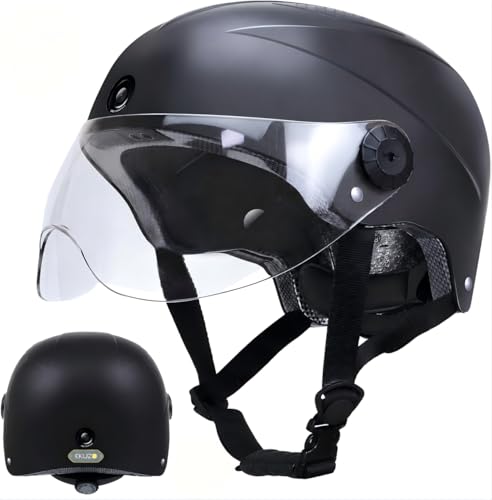
The DC Smart Bike Helmet takes a different path from a normal action camera. It combines a certified cycling helmet with front and rear HD cameras, so you can record what happens ahead and behind you. That dual-view setup is useful in city traffic, where a threat may come from either direction. Bluetooth and app control also make it easier to manage the system without reaching for a tiny camera button.
I see this model as a practical choice for riders who want an all-in-one setup. You do not need to find a helmet that fits a camera mount, and you do not need to balance a camera on top of the shell. The CPSC certification claim is important, but you should still confirm the fit and safety label before riding. As a best camera for bike helmet option, it offers strong coverage for commuting and electric scooter trips.
Pros:
- Front and rear cameras record both traffic directions
- Built into a helmet for a clean, simple setup
- Bluetooth app control adds convenience
- Useful for commuters and electric scooter riders
- CPSC certification claim supports safer helmet shopping
- Reduces the need for extra mounts and brackets
Cons:
- Built-in camera systems may be harder to replace or upgrade
- The helmet must fit your head shape and size well
- Dual-camera recording can use more battery and storage
My Recommendation
I recommend this helmet for daily commuters, e-bike riders, and scooter users who value front-and-rear coverage more than extreme video resolution. It is also a good fit for people who dislike loose straps and external mounts. The main benefit is simplicity: put on the helmet, connect the app, and ride. If you want the best camera for bike helmet protection in busy traffic, this integrated design deserves close attention.
TIROL SUPPLIES Ultra Light 1080p Action Camera

The TIROL SUPPLIES action camera focuses on low weight and easy mounting. Its listed 170-degree lens gives a broad view, while Full HD 1080p video keeps files smaller than 4K footage. That can help riders who want longer recording time or use modest memory cards. The camera is designed for handlebar, helmet, bicycle, and outdoor sports use.
A light camera can make a real difference on a helmet. Heavy gear may pull at the mount, create extra wind noise, or become annoying halfway through a long ride. This model looks appealing for casual riders who want basic ride clips, trip records, or proof after a road incident. It may be the best camera for bike helmet use for beginners who want a simple entry point without paying for advanced features.
Pros:
- Light design helps reduce helmet strain
- 170-degree view captures more of the road
- 1080p video balances clarity and file size
- Works with helmet and bicycle mounting positions
- Rechargeable design suits repeated rides
- Portable size is easy to pack for travel
Cons:
- 1080p lacks the fine detail of higher-resolution cameras
- Wide lenses can bend lines near the image edges
- Small action cameras may have limited onboard controls
My Recommendation
This camera suits new riders, casual vloggers, and commuters who want an affordable helmet camera with a wide view. I would choose it for daylight rides, family cycling, and short trips where simple operation matters most. It is less suited to riders who need strong night detail or highly stabilized 4K footage. Still, its light body and broad lens make it a sensible best camera for bike helmet candidate for everyday use.
LKT 2K Dual Helmet Camera With Night Vision

The LKT system is built for riders who want more than a single forward view. It lists a 2K front camera and a 1080p rear camera, along with a Sony Starvis sensor and Wi-Fi access. The included 64GB card gives you a useful starting point for recording. A 1,920mAh battery is listed with up to five hours of use, although real runtime will change with screen, Wi-Fi, temperature, and recording settings.
This design resembles a bike dash cam more than a small travel camera. The front view can capture road signs and vehicles, while the rear unit adds context when a car approaches from behind. Night vision may help in dim conditions, but no compact camera can make unsafe night riding safe. For riders who want the best camera for bike helmet evidence and broad coverage, this is one of the more feature-rich choices in this group.
Pros:
- 2K front recording provides useful road detail
- 1080p rear camera adds coverage behind the rider
- Included 64GB card helps you start recording quickly
- Wi-Fi can simplify file transfer to a phone
- Starvis sensor design may improve low-light capture
- Large battery rating supports longer rides
Cons:
- Dual recording may require careful cable and mount placement
- Five-hour battery claims depend on actual settings and conditions
- More parts mean more setup than a single action camera
My Recommendation
I would pick the LKT for road cyclists, delivery riders, and commuters who want front-and-rear records. It makes the most sense when traffic awareness and incident documentation matter more than a tiny, minimalist setup. Wi-Fi and the included card add useful value for riders who save clips often. If you ride at dawn or dusk, test the night footage before trusting it for important details.
Jadfezy FHD 1080p Waterproof Action Camera

The Jadfezy action camera is a budget-friendly sports camera with Full HD 1080p recording, a listed 12MP still-photo mode, and a waterproof rating of up to 98 feet or 30 meters when used as directed. It comes with two batteries and an accessories kit. That package can be helpful because helmet mounting often needs a buckle, adhesive base, or extension arm. The camera can also serve other roles, such as a handlebar camera or travel camera.
Two batteries are one of this model’s strongest practical features. I would rather carry a spare than stop a ride early to search for a charger. The 1080p output should work well for daylight memories and basic road footage, but riders should keep expectations realistic in poor light. As a best camera for bike helmet on a tight budget, it offers useful extras without forcing you to buy every mount separately.
Pros:
- Two batteries support longer recording sessions
- Waterproof housing suits rain and water sports when sealed correctly
- 1080p video is easy to store and share
- 12MP photo mode adds still-image flexibility
- Accessory kit helps with first-time installation
- Useful for helmets, bikes, travel, and outdoor activities
Cons:
- Housing may reduce access to buttons or microphone quality
- Budget video can lose detail in shadows and fast motion
- Waterproof protection depends on correct case use and sealing
My Recommendation
The Jadfezy is best for occasional riders, students, families, and buyers who want a low-cost action camera package. It is a good first step if you are still learning how to mount and manage a helmet camera. I would use it mainly in daylight and check the mount before every ride. It offers strong basic value, especially when the two-battery kit matters more than premium stabilization.
Yobadam Smart Helmet With Built-In Camera

The Yobadam combines a cycling helmet with a built-in 1080p camera, turn signal lights, Bluetooth, and an ergonomic vented design. The listed 14 vents may help airflow during warm rides, though comfort depends on head shape and adjustment. Built-in turn signals can add visibility when used correctly and supported by safe hand signals. This is more than a camera purchase; it is a smart helmet system.
I like the clean setup for riders who do not want a camera perched on top of their helmet. The camera stays part of the helmet, while Bluetooth features can reduce the need to handle a phone. Before buying, measure your head and review the size range carefully. For a rider seeking the best camera for bike helmet with extra visibility features, the Yobadam is an interesting all-in-one choice.
Pros:
- Built-in 1080p camera keeps the profile neat
- Turn signal lights can improve rider visibility
- Bluetooth adds smart helmet functions
- 14 listed vents may improve airflow
- Designed for road and mountain bike use
- Eliminates the need for a separate camera bracket
Cons:
- One helmet size may not suit every rider
- Built-in electronics can make replacement more complex
- Turn signals do not replace hand signals or careful riding
My Recommendation
I recommend the Yobadam for riders who want a tidy helmet with camera and visibility features in one package. It suits commuters and urban cyclists who value convenience and a clean look. It may not satisfy serious video creators who need 4K quality or interchangeable lenses. For everyday riding, though, the built-in design can be easier to live with than a separate camera and mount.
Bosoar Adult Mountain Bike Helmet

The Bosoar is a standard adult mountain bike helmet listed for a 55–61 cm head size. Unlike the other smart helmet products here, it does not include a camera in the listed product title. That makes it useful as a helmet base for riders who already own an action camera. A proper helmet fit remains the first concern, since a camera cannot make a loose or poorly adjusted helmet safe.
This helmet may appeal to shoppers who want to build a custom camera setup. You can select the action camera, strap, or adhesive mount that best suits your riding style. I would confirm that any mount does not damage the shell or interfere with the retention system. It is not the best camera for bike helmet by itself, but it can support a camera setup when comfort and fit come first.
Pros:
- Fits a broad listed adult size range of 55–61 cm
- Provides a dedicated helmet base for a separate camera
- Useful for mountain and recreational cycling
- Lets the buyer choose a preferred action camera
- May cost less than a smart helmet system
- Custom setup can be changed over time
Cons:
- Camera and mount must be purchased separately
- Product details do not list built-in video recording
- Fit must be checked carefully before adding accessories
My Recommendation
I recommend the Bosoar for riders who already own a compatible action camera or want a flexible custom build. It is also a sensible choice when helmet fit matters more than built-in electronics. I would pair it with a light camera and a secure, approved-style strap mount. Buyers searching for the best camera for bike helmet should treat this as the helmet component, not as a complete camera solution.
AKASO Brave 4 4K Action Camera

The AKASO Brave 4 is a well-known action-camera style option that lists 4K recording at 30 frames per second and waterproof underwater use. Higher resolution can preserve more detail when you crop a clip or view it on a large screen. The camera also suits riders who want one device for cycling, hiking, swimming, and travel. Its action-camera shape makes it compatible with many common mounts.
4K sounds impressive, but I always remind riders that resolution is only one part of the picture. Stabilization, light, lens quality, battery life, and mount security also affect the final clip. A helmet can move sharply, so a loose mount can ruin even a high-resolution recording. Still, the Brave 4 is a strong best camera for bike helmet pick for buyers who want versatile video and a wide accessory ecosystem.
Pros:
- 4K30 recording can preserve fine image detail
- Waterproof design supports many outdoor activities
- Versatile action-camera format works with helmet mounts
- Useful beyond cycling for travel and water sports
- Higher resolution gives more room for cropping
- Large camera accessory market improves mounting choices
Cons:
- 4K files need more storage and battery power
- Waterproof housing can affect sound and handling
- High resolution cannot fix a shaky or poorly aimed mount
My Recommendation
The AKASO Brave 4 is best for active riders who want a camera that can travel across many sports. I would choose it for trail rides, scenic routes, and users who may later add different mounts. It is a better fit for people who understand memory cards and battery planning. If you want a flexible best camera for bike helmet rather than a camera made only for cycling, this model is worth considering.
Helmet Mount for GoPro and Action Cameras

This product is a helmet mount rather than a camera. It is designed as a chin strap attachment with an extension J hook for several GoPro, Insta360, and DJI action camera models. A chin-style position can create a natural point-of-view angle and may keep the camera lower than a top mount. That angle often feels more connected to the rider’s view.
Mount choice matters more than many new users expect. A camera that sits too high can catch wind, feel heavy, or show too much sky. A lower mount can give a more immersive road view, but riders must ensure it does not interfere with the helmet, strap, or safety fit. This accessory can help turn an existing action camera into the best camera for bike helmet setup for your particular riding style.
Pros:
- Chin position can provide a natural POV angle
- Works with several popular action-camera families
- J-hook extension helps adjust camera position
- Useful for dirt bike, cycling, and outdoor sports
- Lets owners reuse an existing camera
- May reduce the high wind exposure of top mounts
Cons:
- Compatibility must be checked with the exact camera model
- Strap fit may vary between helmet designs
- A poorly adjusted mount can affect comfort or safety
My Recommendation
I recommend this mount for GoPro, Insta360, and DJI owners who want a lower hands-free camera angle. It is a good upgrade when your current top mount feels unstable or catches too much wind. Test it at low speed first, and confirm that the helmet remains snug and properly secured. The mount does not include a camera, but it can improve the performance of the camera you already own.
REFLEX Camera Bike Helmet Strap Mount

The REFLEX strap mount is made for riders who want a hands-free camera position without using a permanent adhesive base. It lists compatibility with GoPro Hero 9 through 13, DJI Osmo, and Insta360 cameras. The adjustable strap and buckle aim to provide a secure fit across different helmet styles. This type of mount can be useful for cycling, skiing, snowboarding, and other sports.
I like strap mounts for riders who change helmets or move between activities. You can remove the camera mount without leaving adhesive on the shell. The tradeoff is that setup quality depends on correct tension and camera balance. For buyers who already own a capable action camera, this may be a low-cost route to the best camera for bike helmet experience.
Pros:
- Adjustable strap fits a range of helmet styles
- Removable design avoids permanent adhesive
- Supports several GoPro, DJI, and Insta360 cameras
- Buckle design can speed up installation
- Useful across cycling and winter sports
- Allows riders to move one camera between helmets
Cons:
- Straps may shift if they are not tightened correctly
- Compatibility claims should be checked before purchase
- Large cameras can add noticeable weight to the helmet
My Recommendation
The REFLEX mount is best for multi-sport users and riders who do not want to glue a base to their helmet. I would pair it with a light action camera and inspect the buckle before every ride. It is especially useful for people who rent gear, switch helmets, or record only on selected trips. Remember that the mount improves camera placement, but it does not replace a properly fitted cycling helmet.
VSYSTO 1080p Helmet Dash Camera

The VSYSTO helmet camera is designed more like a riding dash camera than a traditional action cam. It lists 1080p video, a 150-degree lens, Wi-Fi, vibration detection, automatic power functions, starlight night vision, waterproof construction, and a G-sensor. These features focus on recording rides with less manual control. Vibration detection and a G-sensor may help manage footage after bumps or sudden events, depending on the camera’s actual settings.
This type of camera is attractive to motorcycle and bicycle riders who want a record of the road rather than cinematic travel footage. The 150-degree view should cover a useful portion of the lane without being as extreme as some ultra-wide lenses. Night vision may help in low light, but riders should test license plate clarity under their own road conditions. I consider this a practical best camera for bike helmet option for commuters who value automatic recording and Wi-Fi access.
Pros:
- 150-degree lens offers broad road coverage
- Wi-Fi can make clip transfer more convenient
- G-sensor may help identify sudden events
- Vibration detection supports riding-focused operation
- Starlight night vision targets low-light use
- Waterproof design suits changing weather when sealed properly
Cons:
- 1080p footage has less detail than 2K or 4K video
- Automatic features can require setup and testing
- Night footage may vary with road lights and weather
My Recommendation
I recommend the VSYSTO for commuters, motorcycle riders, and cyclists who want dash-cam behavior. It is a stronger match for daily road records than for polished social media videos. Set the camera to record before moving, and check the memory and battery routine often. If your priority is automatic incident capture in a compact package, this is a serious option in the best camera for bike helmet category.
How I Choose the Best Camera for Bike Helmet
I do not judge a helmet camera by resolution alone. A sharp 4K clip is not useful if the camera shakes, points at the sky, or stops after a short ride. I first look at weight, mounting security, field of view, weather protection, battery access, and ease of use. These details shape the real ride experience.
I also consider the rider’s goal. A commuter may need a forward record and quick file transfer. A mountain biker may care more about stabilization, low weight, and waterproofing. A delivery rider may prefer front-and-rear coverage and automatic recording. The best camera for bike helmet changes with the job, just like the best tire changes with the road.
Video Resolution and Frame Rate
Full HD 1080p remains useful for basic ride records. It creates smaller files and often uses less battery than higher modes. A 2K camera can show more detail, while 4K gives you more room to crop a clip. However, high resolution does not guarantee a clear image in shade, rain, or night traffic.
Frame rate matters during fast movement. A higher frame rate can make motion look smoother, but it may reduce low-light performance or increase storage use. I suggest 1080p for long commutes and 2K or 4K when you want detail for editing. Test the mode you plan to use instead of relying only on the number printed on the box.
Stabilization and Mount Security
Helmet movement creates small shakes that become very noticeable in video. Electronic stabilization can reduce that effect, but the camera still needs a firm mount. Check for loose screws, soft straps, cracked buckles, and worn adhesive. I inspect the camera mount before each ride, especially after a fall or rough trail.
Do not drill, cut, or weaken a certified helmet to install a camera. Follow the helmet maker’s instructions and use a mount made for the helmet and camera. A secure setup should not block vents, loosen the retention dial, or interfere with the chin strap. Safety comes before footage.
Field of View
A wide lens helps capture cars, signs, and the edge of the lane. It also gives more context when something happens beside you. Very wide lenses may bend straight lines and make distant objects look smaller. A 150-degree view can be a useful middle ground for road riding.
Before you ride, record a short test. Place a known object at the edge of the frame and check whether it looks stretched. Aim the camera slightly down so the road fills the lower half of the image. This simple step can improve the value of almost any best camera for bike helmet setup.
Battery Life and Storage
Manufacturers often list battery time under ideal conditions. Wi-Fi, stabilization, high resolution, cold weather, and screen use can reduce that number. A spare battery or power bank helps on long rides, but do not let a cable create a snag hazard.
Use a quality memory card that matches the camera’s speed needs. Format the card in the camera when possible, and replace it if clips become corrupted. Loop recording can help a dash camera keep recording, but important clips should be copied soon after the ride.
Weather Protection
Rain protection varies by camera, housing, and port cover. A product described as waterproof may require a case or a fully closed door. Check every seal before riding in wet weather. Never assume that a camera is safe underwater just because it can handle rain.
Temperature can affect both batteries and screens. Cold conditions often shorten runtime. After a wet ride, dry the camera and mount before storing them. These small habits help protect your investment and keep the best camera for bike helmet ready for the next trip.
Fit, Weight, and Comfort
A camera adds weight above your head or near your chin. That weight can cause neck strain if the ride lasts for hours. It can also change how the helmet feels when you turn your head. I prefer the lightest camera that meets the rider’s recording needs.
Smart helmets need extra care because the electronics are built into the shell. Measure your head, adjust the retention system, and check for pressure points. A helmet should sit level and remain stable when you shake your head gently. If it moves, fix the fit before adding any camera settings.
Privacy and Local Rules
A camera can protect a rider, but it can also record people, homes, and vehicle plates. Use footage with care. Avoid posting clips that reveal private details, and learn the rules for recording audio in your area. Laws can differ by state and situation.
Always keep both hands available for control. Do not interact with an app while moving. Set the camera before you start, and pull over when you need to change a setting. Good camera habits should support safe riding, not compete with it.
Best For Comparison
| Best for | Why |
|---|---|
| Daily traffic protection | Choose a dual-camera smart helmet such as the DC or LKT for front-and-rear coverage. |
| Lightweight budget recording | The TIROL SUPPLIES or Jadfezy models offer simple 1080p recording and easy portability. |
| Existing action-camera owners | The GoPro chin mount, REFLEX strap, or Bosoar helmet supports a flexible custom setup. |
FAQs Of best camera for bike helmet
What is the best camera for bike helmet use?
The best choice depends on your ride. The DC and LKT models suit riders who want front-and-rear coverage. The AKASO Brave 4 is better for flexible action footage, while the TIROL SUPPLIES and Jadfezy cameras fit basic budget recording.
Should I choose 1080p, 2K, or 4K?
Choose 1080p for smaller files and longer recording. Choose 2K for a useful balance of detail and storage. Choose 4K when you want to crop footage or make high-detail videos, but expect greater battery and memory use.
Is a helmet-mounted camera safe?
A camera should never weaken the helmet or interfere with its fit. Use a suitable mount, follow the helmet maker’s guidance, and check the strap and retention system. A loose helmet or unsafe mount creates more risk than benefit.
How long should a bike helmet camera record?
Look for enough battery time to cover your normal ride, then carry a spare battery for longer trips. Actual runtime changes with resolution, Wi-Fi, stabilization, temperature, and screen use. Test your camera before relying on it.
Can a bike helmet camera record at night?
Some models list night vision or low-light features, but results vary. Street lights, glare, rain, and lens quality all matter. Test nighttime footage on your usual route before assuming it will capture every detail.
Final Verdict: Which Should You Buy?
The DC Smart Bike Helmet is my top all-in-one pick for riders who want front-and-rear coverage. For a separate action camera, the AKASO Brave 4 offers the most flexible video platform.
The best camera for bike helmet is the one that fits securely, records clearly, and stays simple to use. Choose based on your ride, mount it with care, and keep safety first.

Everett Ashford is a tech reviewer at mytechgrid.com specializing in SSDs, cameras, TVs, earbuds, headphones, and other consumer electronics. He provides honest, data-driven reviews based on hands-on testing and real-world performance analysis. Everett simplifies complex tech details to help readers make smart, confident buying decisions.