The Sony RX100 VII is the best small digital camera for travel, speed, image quality, and everyday use.
Finding the best small digital camera on the market depends on more than size alone. You also need strong image quality, fast autofocus, useful zoom range, good battery life, and controls that feel natural. After comparing leading compact cameras across travel, street, family, and video use, the Sony RX100 VII stands out as the most complete choice. Still, the Ricoh GR IIIx, Canon PowerShot G7 X Mark III, and OM System Tough TG 7 may suit you better in specific situations.
What is the best small digital camera on the market?
For most people, the Sony Cyber shot RX100 VII is the best small digital camera on the market. It uses a 1 inch, 20.1 megapixel sensor and a 24 to 200mm equivalent zoom lens. That range covers wide travel scenes, portraits, food photos, and distant subjects without changing lenses.
Its strongest feature is speed. The RX100 VII has fast phase detection autofocus, excellent subject tracking, and a high speed electronic shutter. It can focus on eyes, follow moving children, and capture quick moments with far less missed focus than many basic point and shoot cameras.
The camera is also very small. It can fit into a jacket pocket or a small bag. Yet it includes a pop up electronic viewfinder, a tilting screen, 4K video, and a microphone port. These features make it far more capable than a phone when light becomes difficult or when you need a real zoom lens.
The main drawback is price. The RX100 VII often costs more than many entry level interchangeable lens cameras. Its small grip can also feel cramped, and its menu system takes time to learn. Even so, its mix of size, lens range, autofocus, and image quality is difficult to match.

Why the Sony RX100 VII leads the compact camera market
A small camera must make smart compromises. The RX100 VII makes fewer painful compromises than most rivals. Its sensor is larger than the sensors in ordinary point and shoot models, while its lens reaches much farther than the fixed lenses in premium street cameras.
Image quality
The 1 inch sensor gathers more light than a typical smartphone sensor. In bright daylight, the difference may be small. At night, indoors, or in shaded streets, the RX100 VII can produce cleaner files with more detail and smoother colors.
The camera records both JPEG and RAW files. JPEG images are ready to share, while RAW files give you more room to adjust highlights, shadows, and white balance. This flexibility matters if you enjoy editing in Lightroom, Capture One, or another photo app.
A larger sensor still does not make the RX100 VII equal to a full frame camera. Small cameras have limits in very low light. However, the results are strong for a camera that can travel in your pocket.
Lens and zoom range
The built in 24 to 200mm equivalent lens is one of the camera’s biggest advantages. At 24mm, you can photograph buildings, landscapes, and groups. At 70mm, you can make flattering portraits. At 200mm, you can frame details, wildlife, or people across a street.
The lens is brighter at the wide end than at the telephoto end. This means the camera performs best in low light when the lens is set near 24mm. When you zoom to 200mm, you may need faster shutter speeds, good light, or a higher ISO setting.
Autofocus and speed
The RX100 VII uses a sophisticated autofocus system with real time tracking. It can detect faces and eyes, including animal eyes in supported modes. This is useful for travel because subjects rarely stay still while you adjust settings.
The camera can also shoot at high burst rates. High speed shooting helps with sports, pets, street scenes, and children. A fast burst does not guarantee a great photo, but it gives you more chances to catch the right expression or movement.
Video performance
The camera records 4K video and offers useful features for creators. Its screen tilts upward for self recording, and its microphone input allows better sound than a built in microphone alone.
There are limits. The small body can become warm during long recording sessions, and the camera does not have the same comfort or battery life as a larger mirrorless model. For short clips, travel videos, and social content, it remains highly capable.
The best small digital camera alternatives
The Sony RX100 VII is not right for every photographer. Some people value a sharp fixed lens, physical controls, rugged construction, or a lower price more than zoom range.
Ricoh GR IIIx for street photography
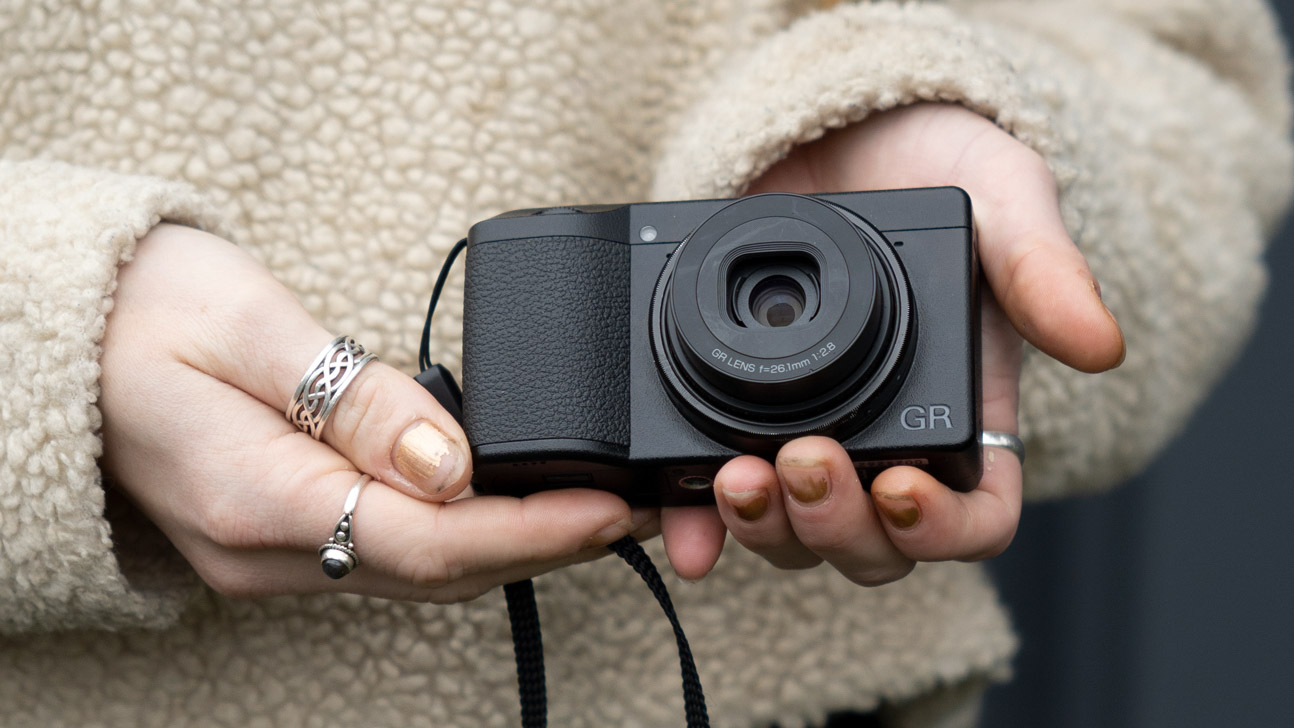
The Ricoh GR IIIx is one of the best small digital camera choices for street photographers. It has a large APS C sensor and a fixed 40mm equivalent lens. This focal length feels natural and works well for people, daily life, travel, and quiet documentary work.
The GR IIIx is very compact, light, and discreet. Its lens is sharp, and its files have strong detail. It also offers useful features such as Snap Focus, which lets experienced users take photos quickly without waiting for autofocus.
The fixed lens is also the main limitation. You cannot zoom in or out. If you enjoy changing perspective from a distance, the Sony RX100 VII is more flexible. If you want a simple camera that encourages you to move and see carefully, the Ricoh may be better.
Canon PowerShot G7 X Mark III for casual creators
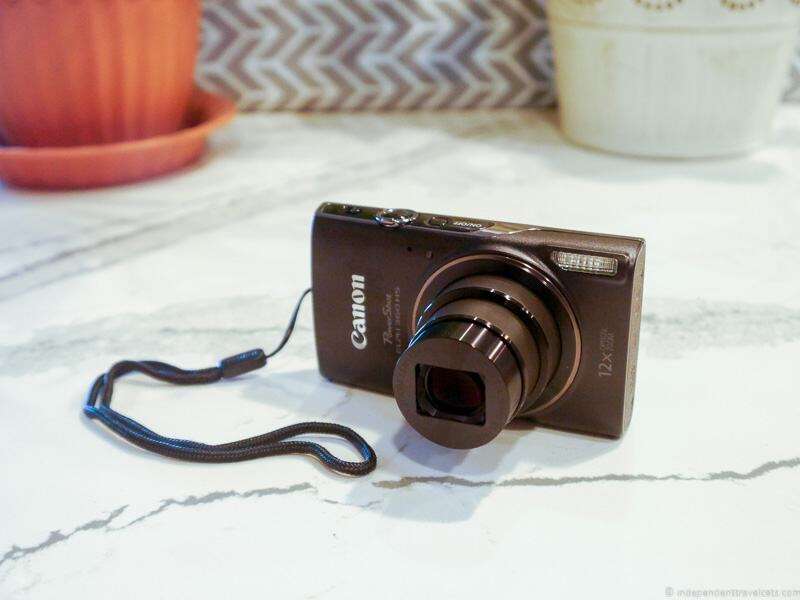
The Canon PowerShot G7 X Mark III is a strong option for people who want a compact camera for photos, video, and livestreaming. It has a 1 inch sensor, a bright 24 to 100mm equivalent lens, and a useful tilting touchscreen.
Its lens is brighter than the Sony lens at the telephoto end. That can help with indoor photos and portraits. Canon’s colors are also pleasing straight from the camera, which benefits people who prefer to share images without editing.
Autofocus is not as advanced as Sony’s, especially for moving subjects. For relaxed travel, food photos, family images, and short video clips, however, the Canon remains a practical choice.
OM System Tough TG 7 for outdoor adventures
The OM System Tough TG 7 is the best small digital camera for harsh outdoor use. It is waterproof, shockproof, crushproof, and freezeproof within its stated limits. You can use it near a pool, on a rainy hike, or at the beach without treating it like fragile electronics.
Its 12 megapixel sensor is smaller than the sensor in the Sony RX100 VII. Image quality is therefore more limited, especially in dim light. Still, the TG 7 offers useful features such as macro shooting, GPS data, and special outdoor modes.
This camera is not the best choice for portraits or serious low light work. It is the better tool when durability matters more than maximum detail.
Panasonic Lumix ZS200 for travel zoom
The Panasonic Lumix ZS200 offers a 15x optical zoom with a 24 to 360mm equivalent range. That reach is useful for vacations, wildlife at a distance, architecture, and family events.
It has a 1 inch sensor, a built in viewfinder, and manual controls. The long lens makes it one of the most versatile travel compact cameras available.
The lens is not especially bright at the telephoto end. Autofocus is also less advanced than the Sony system. Choose it when reach matters most and you want one small camera for nearly every travel situation.
Fujifilm X100VI for premium image quality
The Fujifilm X100VI is often included in discussions about the best small digital camera on the market. It has a large APS C sensor, a sharp 35mm equivalent fixed lens, image stabilization, and Fujifilm’s popular film simulations.
It produces excellent images and offers a satisfying shooting experience. Its physical dials make exposure settings easy to see and change. However, it is larger than a pocket camera, and demand can make it hard to find at a fair price.
The X100VI is a premium compact camera, but it is not the best choice if your main goal is the smallest possible body.

How to choose the best small digital camera
The best small digital camera on the market should match your habits. A travel photographer may need a zoom. A street photographer may want a fixed lens. A parent may care most about autofocus and startup speed.
Use these factors to narrow your choice.
Sensor size
Sensor size affects detail, dynamic range, and low light performance.
• A 1 inch sensor offers a good balance of size and image quality.
• An APS C sensor gives better image quality but usually requires a larger camera.
• A Micro Four Thirds sensor can offer strong quality in a compact interchangeable lens system.
• A smartphone sensor is very small, but computational processing can produce impressive results in good conditions.
Do not judge a camera by megapixels alone. Lens quality, sensor design, image processing, and shooting technique matter just as much.
Lens type
A zoom lens is flexible. A fixed lens is often sharper, brighter, and simpler.
Choose a zoom if you photograph:
• Travel scenes
• Family events
• Wildlife at a distance
• Architecture
• Subjects that move between near and far
Choose a fixed lens if you photograph:
• Street life
• Daily routines
• Portraits
• Cafés and interiors
• Creative documentary projects
Autofocus
Modern autofocus is one of the biggest reasons to choose a dedicated camera over an older compact model. Look for face detection, eye detection, subject tracking, and reliable focus in low light.
If you photograph children, pets, or sports, autofocus performance should be near the top of your list. If you mostly photograph buildings or landscapes, manual focus and single autofocus may be enough.
Controls and handling
A camera should feel comfortable before you buy it. Small bodies can be hard to hold, especially with one hand. A thumb grip or small accessory grip may improve comfort, but it also adds bulk.
Physical dials can make photography more enjoyable. Touchscreens can make menus and focus points faster. Try to balance convenience with control.
Battery life
Compact cameras use small batteries. A busy day of travel can drain one faster than expected, especially when you use the screen, flash, wireless connection, or video.
Carry at least one spare battery or a reliable USB charging bank. This simple habit prevents many missed photos.
Price and availability
Camera prices change often. Some compact models also become difficult to find because production is limited. Avoid paying a very high premium for an older camera simply because it is popular online.
Check the current price, warranty, return policy, and condition. A lightly used camera from a trusted seller can offer excellent value, but inspect the lens, screen, battery door, and zoom mechanism before buying.
:max_bytes(150000):strip_icc()/tal-best-compact-cameras-of-2023-tout-eb2318653de34655b83c6b578f14b6c0.jpg)
Small camera versus smartphone
A modern smartphone is the most convenient camera for most people. It is always with you, processes images quickly, and makes sharing easy. Computational photography can also combine several exposures to create bright, detailed images.
A dedicated small camera still has important advantages. It usually offers a real optical zoom, better handling, more direct controls, longer shooting flexibility, and a larger sensor. It also gives you a more deliberate way to make photos.
The difference is clearest in these situations:
• Far away subjects where optical zoom matters
• Fast movement where shutter control matters
• Bright sunlight where a viewfinder helps
• RAW photography and detailed editing
• Long trips where you want less dependence on phone storage and battery
The best small digital camera on the market does not replace a phone for every task. It gives you more control when your phone reaches its limits.
Practical tips for better compact camera photos
Even the best small digital camera on the market cannot fix every weak technique. Good habits often improve results more than expensive accessories.
-
Use the camera often. A compact camera becomes useful when it is easy to reach and familiar in your hands.
-
Keep the lens clean. A small fingerprint can create haze, glare, and soft detail.
-
Watch your shutter speed. For people, start around 1/125 second. For walking subjects, try 1/250 second or faster.
-
Use exposure compensation. If a bright sky causes a dark subject, add positive exposure. If white clothing loses detail, lower exposure.
-
Learn one autofocus mode well. Face and eye detection works for people, while single point autofocus helps with still subjects.
-
Shoot RAW plus JPEG when you are learning. The JPEG gives you a quick result, while the RAW file gives you a safety net.
-
Protect the camera from heat and moisture. Even models with some weather resistance have limits. Keep your camera in a shaded bag and follow the maker’s care instructions.
-
Bring a spare battery. This is one of the cheapest and most useful upgrades for travel.
During real world testing and travel photography, one mistake appears again and again: people leave the camera at home because they think it is inconvenient. The camera that fits in your pocket is often more valuable than the larger camera that stays in a closet.
Which compact camera should you buy?
The best small digital camera on the market for most buyers is the Sony RX100 VII. Its long zoom, strong autofocus, compact body, electronic viewfinder, and 4K video make it the most balanced choice.
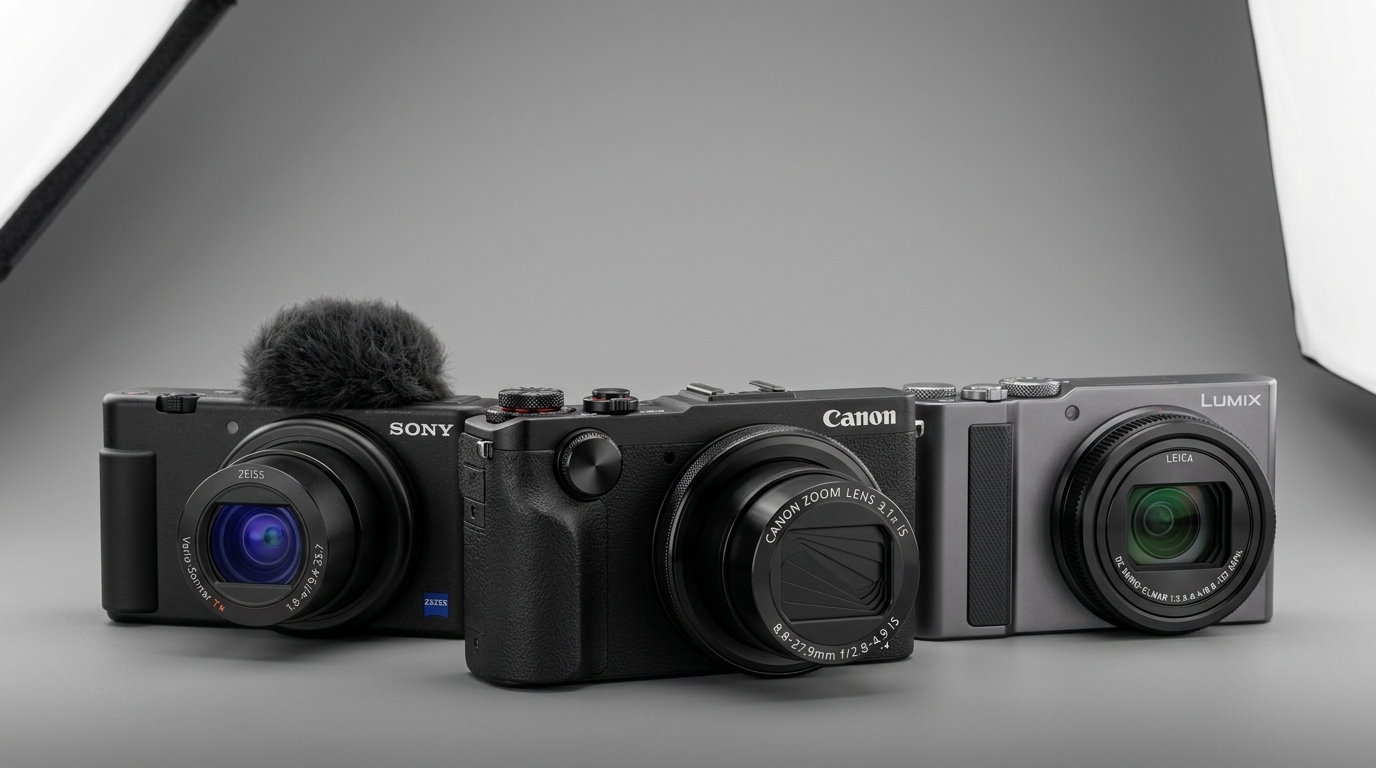
Choose the Ricoh GR IIIx if you want a pocketable street camera with an APS C sensor. Choose the Canon G7 X Mark III if you want a bright lens and simple video features. Choose the OM System Tough TG 7 if you need waterproof protection. Choose the Panasonic ZS200 if a long travel zoom matters most.
Here is a simple buying guide:
• Best overall: Sony RX100 VII
• Best for street photography: Ricoh GR IIIx
• Best for casual video: Canon PowerShot G7 X Mark III
• Best for outdoor adventures: OM System Tough TG 7
• Best for long zoom travel photos: Panasonic Lumix ZS200
• Best for premium fixed lens images: Fujifilm X100VI
These recommendations reflect real differences in design. No single camera wins every category. The right choice depends on what you photograph, how much you want to carry, and whether you prefer flexibility or simplicity.
What is the best small digital camera on the market? FAQs
Is the Sony RX100 VII worth buying?
Yes, it is worth buying if you want a pocketable camera with a versatile zoom and excellent autofocus. Its main disadvantages are the high price, small grip, and limited low light performance compared with larger cameras.
What is the best small digital camera for travel?
The Sony RX100 VII is the best all around travel choice because its 24 to 200mm equivalent lens covers many situations. The Panasonic ZS200 is a better option if you need more telephoto reach.
Is a compact camera better than an iPhone?
A compact camera can be better when you need optical zoom, manual control, faster shooting, or RAW files. An iPhone is often better for convenience, automatic processing, and instant sharing.
What is the best small digital camera for street photography?
The Ricoh GR IIIx is a leading choice for street photography because it has a discreet body, a sharp 40mm equivalent lens, and a large APS C sensor. The Sony RX100 VII is more flexible because it has a zoom lens.
Do small digital cameras work well in low light?
Small cameras with 1 inch or APS C sensors can work well in low light, but they have limits. Use a fast lens, steady technique, image stabilization, and a suitable shutter speed to get cleaner results.
Should I buy a compact camera with a viewfinder?
A viewfinder is useful in bright sunlight because it blocks glare and helps you hold the camera steady. It is not essential, but it can improve comfort and composition during travel.
How long do small digital cameras last?
A well cared for compact camera can last for many years. Keep it dry, protect the lens, avoid extreme heat, and replace the battery when its capacity drops.
Conclusion
The Sony RX100 VII is the best small digital camera on the market for most photographers because it combines a useful zoom, strong autofocus, good image quality, a pocketable body, and capable video tools. It is not perfect, and its price may be difficult for some buyers.
Your best alternative depends on your priorities. The Ricoh GR IIIx favors street work, the OM System Tough TG 7 favors rugged adventures, and the Panasonic ZS200 favors long range travel photography. Think about the photos you take most often, then choose the camera that makes those photos easier.
Before buying, compare current prices, check availability, and handle the camera if possible. The right compact camera should feel inviting enough to carry every day. Explore more photography guides, share your own camera experience, and start making the images you have been waiting to capture.

Everett Ashford is a tech reviewer at mytechgrid.com specializing in SSDs, cameras, TVs, earbuds, headphones, and other consumer electronics. He provides honest, data-driven reviews based on hands-on testing and real-world performance analysis. Everett simplifies complex tech details to help readers make smart, confident buying decisions.