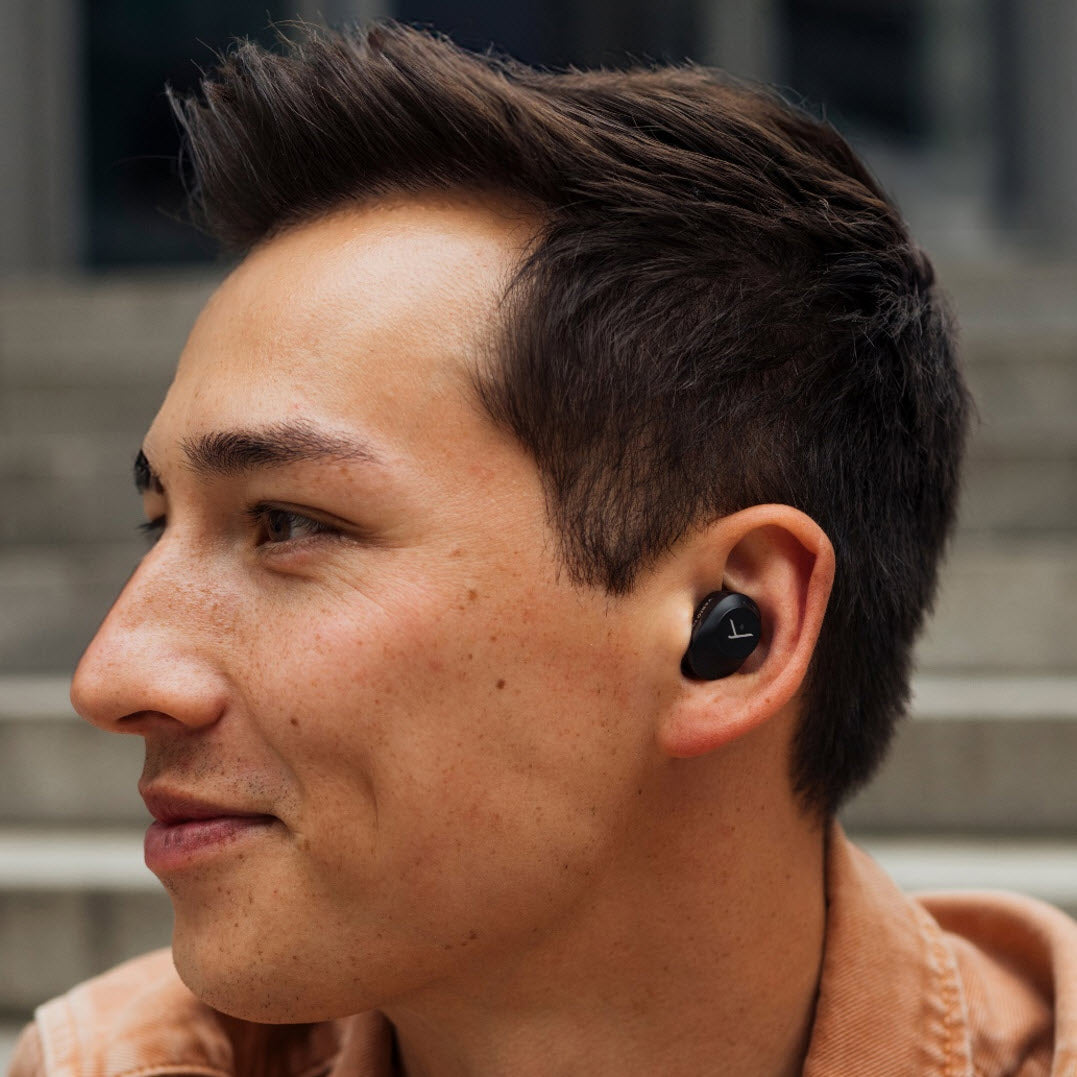
Choose the ear tip that seals your ear canal gently without pain, pressure, slipping, or muffled sound.
Knowing how do I know what size earbuds to use is less about earbud size charts and more about finding a secure, comfortable seal. Most earbuds include small, medium, and large silicone tips, but every ear is different. This guide explains how to test each size, spot a poor fit, improve comfort, and protect sound quality during daily use.
Why Earbud Tip Size Matters
Earbud tips do more than hold your earbuds in place. They form a seal between the earbud and your ear canal. This seal helps block outside noise and sends sound toward your eardrum more clearly.
If the seal is poor, music may sound thin or quiet. You may also turn up the volume to unsafe levels. The right fit can improve bass, call quality, noise cancellation, and comfort.
When people ask, “How do I know what size earbuds to use?” they often focus only on comfort. Comfort matters, but sound and stability are just as important.
A good ear tip should:
• Stay in place when you walk or move your head
• Feel snug without causing pain
• Block some outside noise
• Produce clear bass and balanced sound
• Avoid creating strong pressure in your ear
• Let you wear the earbuds for at least 30 to 60 minutes comfortably
The correct size should feel like a gentle plug, not a cork forced into a bottle. If the tip feels loose, it is likely too small. If it creates soreness or pressure, it may be too large.

How to Tell If Earbuds Fit Correctly
The best way to know what size earbuds to use is to test the fit while listening to familiar audio. Choose a song with vocals, bass, and soft details. This makes changes easier to notice.
Start with the medium tips if your earbuds include them. Insert both earbuds gently, then rotate them slightly if the manufacturer recommends it. Do not push them deep into your ear canal.
Check these signs:
• The earbuds stay in place when you shake your head gently
• Voices sound clear and centered
• Bass sounds full but not boomy
• You hear less room noise
• The earbuds do not create pain or sharp pressure
• You do not need to adjust them every few minutes
Next, try the small tips. They may feel more comfortable, but they can allow sound to leak out. If bass disappears or the earbuds move while walking, the small size may not seal well.
Then test the large tips. They may improve bass and stability, but they can feel tight. If your ears become sore after a short time, switch back to medium or try a different tip shape.
A useful test is to gently cover one earbud with your hand while music plays. If the sound changes greatly when you press the earbud inward, the seal may be weak. This does not always mean you need a larger tip. You may need to adjust the angle or try another shape.
A Simple Earbud Size test
follow this step-by-step process to find your best fit:
- Clean the earbuds and your ears. Oil and moisture can make tips slip.
- Attach the medium tips.
- Insert the earbuds gently without forcing them.
- Listen to a familiar song at a low or moderate volume.
- Walk, talk, and move your jaw.
- Check for sound leakage and movement.
- Repeat the test with small and large tips.
- Compare comfort after 20 to 30 minutes.
Your ears may not be the same size. It is perfectly normal to use a small tip in one ear and a medium tip in the other. Some earbud brands sell replacement tips in mixed sizes for this reason.
You can also test the seal by turning on noise cancellation, if your earbuds have it. A strong fit often makes noise cancellation feel more even in both ears. However, noise cancellation performance also depends on the microphones and software, so this test is not perfect.
Do not choose a size based only on the first few seconds. Some tips feel comfortable at first but cause pressure later. Long-term comfort is a better guide than a quick fitting.
 test”
style=”max-width: 100%; height: auto; border: 2px solid black; border-radius: 10px; display: block; margin: 0 auto;”
loading=”lazy”
/>
Signs Your Earbud Tips Are Too Small
Small ear tips often fail to fill the space around the earbud nozzle. This creates gaps that let sound escape and outside noise enter.
You may notice:
• Weak or missing bass
• Thin music with little depth
• Earbuds that fall out during exercise
• Frequent adjustments
• Uneven sound between your left and right ear
• More background noise during phone calls
• A need to raise the volume
If these signs appear, try the next larger size. Insert it gently and give your ears a few minutes to adjust.
A small tip may still be right if large tips cause pain. In that case, the issue may not be size. The earbud shape, nozzle angle, or housing may not match your ear.
Some people also get a good seal by using foam tips. Foam expands inside the ear and can improve stability. However, foam tips may wear out faster and can feel warmer than silicone.
When considering how do I know what size earbuds to use, remember that a loose fit can be a safety issue. Outside noise may tempt you to increase the volume. Keeping volume moderate is better for long listening sessions.

Signs Your Earbud Tips Are Too Large
Large ear tips can create too much pressure in the ear canal. They may feel secure at first but become uncomfortable after several minutes.
Common signs include:
• Ear soreness or tenderness
• A blocked or plugged feeling
• Pressure when chewing or talking
• Earbuds that slowly work their way out
• Pain when removing the earbuds
• Itching or irritation
• Different sound levels caused by uneven pressure
A large tip may also press against sensitive skin. Stop using it if you feel pain, burning, or sharp discomfort.
Try a smaller tip or a softer material. You can also try a different shape. Round tips, oval tips, and foam tips can fit the same ear very differently.
Never force an earbud into your ear. The ear canal is sensitive, and pushing too hard can irritate the skin or compact earwax. If discomfort continues after changing sizes, stop using the earbuds and consider speaking with a health professional.

How Earbud Fit Changes Sound Quality
Earbud fit has a direct effect on sound. A proper seal usually makes low notes stronger and helps voices sound more focused.
Bass depends heavily on the seal. When air escapes around the tip, low frequencies lose energy. This is why the same earbuds can sound rich in one person’s ears and weak in another person’s ears.
A poor fit can also affect active noise cancellation. Noise-canceling earbuds use microphones and software to reduce outside sound, but the ear tip still needs to block some noise. A gap makes the system work less effectively.
The right size can improve:
• Bass response
• Speech clarity
• Noise isolation
• Noise cancellation
• Battery efficiency in some models
• Listening comfort at lower volumes
Still, ear tip size cannot fix every sound problem. If music sounds harsh or unbalanced with every tip, the issue may involve the earbud design, equalizer settings, or damaged hardware.
This is one reason the answer to how do I know what size earbuds to use should include both physical comfort and sound testing.

How to Choose Earbud Size for Exercise
Exercise creates extra challenges. Sweat can make silicone tips slippery, while movement can loosen an already weak seal.
For workouts, choose the smallest size that stays secure without pressure. A very large tip may feel stable at first but become uncomfortable as your ears warm up.
Try these tips:
• Test the earbuds while walking, not only while sitting
• Move your jaw and turn your head
• Use ear hooks or wing tips if the design supports them
• Wipe away sweat during longer sessions
• Avoid inserting earbuds too deeply
• Consider sport-focused replacement tips
If earbuds fall out during running, the tip may be too small. But the cause may also be the earbud housing. Some ears need a wing or hook for reliable exercise use.
Water and sweat resistance ratings also matter. A well-fitting earbud is not automatically safe for heavy sweat or water exposure. Follow the manufacturer’s rating and cleaning instructions.

Ear Tip Materials and Shapes
Most earbuds use silicone tips. Silicone is easy to clean, durable, and available in many shapes. It can feel smooth and cool, but it may slip if your ears are oily or sweaty.
Foam tips compress during insertion and expand to fill the ear canal. They often provide strong isolation and a secure fit. They may also need more care and replacement.
You may see these common designs:
• Single-flange tips: These are simple and common on wireless earbuds.
• Double-flange tips: These reach deeper and may create stronger isolation.
• Oval tips: These can match the shape of some ear canals better.
• Foam tips: These conform to the ear and can reduce movement.
• Wide-bore tips: These may create a more open sound.
• Narrow-bore tips: These may increase the feeling of a sealed, bass-heavy sound.
No material is best for everyone. If silicone feels irritating, foam may help. If foam feels warm or difficult to insert, soft silicone may work better.
Replace tips that are torn, stiff, discolored, or difficult to clean. Damaged tips can affect the seal and may separate from the earbud during removal.
Common Mistakes When Choosing Earbud Size
Many people make the same fitting mistakes. Avoiding them can save time and improve your listening experience.
• Choosing large tips because they seem more secure
• Choosing small tips because they feel less noticeable
• Testing only while sitting still
• Judging the fit after only five seconds
• Ignoring differences between the left and right ear
• Pushing earbuds too far into the ear
• Using dirty or worn ear tips
• Increasing volume to compensate for poor isolation
• Assuming the middle size must be correct
• Wearing earbuds through pain or irritation
One mistake I often notice during earbud testing is changing several things at once. For example, someone may switch the tip size, equalizer, and noise control at the same time. This makes it hard to know what improved the sound.
Change one factor at a time. Test the same song, volume, and earbud settings. This creates a more reliable comparison.
Another lesson is that comfort can change during the day. Ear canals may feel different after exercise, long phone calls, or extended listening. Test your preferred tips during the activities you normally do.
Earbud Hygiene and Ear Health
Clean ear tips help maintain a stable fit. Earwax, skin oil, and dust can make the tips slippery and may block the speaker opening.
For regular cleaning:
- Remove the tips from the earbuds.
- Wash silicone tips with mild soap and warm water.
- Rinse them well.
- Let them dry fully before replacing them.
- Wipe the earbuds with a slightly damp cloth.
- Keep moisture away from charging contacts.
Do not use sharp objects to clean deep inside the earbud nozzle. Do not share earbuds without cleaning them first.
The outer ear is self-cleaning for most people. Cotton swabs can push wax deeper and irritate the ear canal. If you have heavy wax buildup, pain, drainage, ringing, or reduced hearing, seek medical advice.
The World Health Organization advises keeping personal audio devices at a safe volume and taking listening breaks. Fit helps, but it does not make loud listening harmless. A comfortable seal should help you listen at a lower level, not encourage longer exposure at high volume.
When Earbuds Never Seem to Fit
Sometimes the problem is not your choice of tip size. The earbud itself may have a shape that does not match your ear.
Consider another model if:
• Every tip causes pressure
• The earbuds fall out with all sizes
• The left and right earbuds fit very differently
• You experience pain after short use
• The housing presses against the outer ear
• You cannot create a seal without pushing deeply
Some brands offer several tip shapes, while others offer only basic round silicone tips. Replacement tips can help, but they cannot change the shape of the earbud housing.
If your ears are very different in size, look for earbuds with independent left and right fit options. Ear hooks, stabilizing wings, and adjustable nozzles may also help.
People with hearing aids, ear tubes, past ear surgery, or ongoing ear problems may need personalized advice. In those cases, an audiologist can provide more useful guidance than a general size chart.
How Do I Know What Size Earbuds to Use With Glasses or Hearing Aids?
Glasses usually do not affect in-ear earbud tips, but ear hooks may press against eyeglass frames. Try the earbuds with your glasses on and move your head to check for rubbing.
Hearing aids and earbuds may compete for space in or behind the ear. Do not force both devices together. Ask an audiologist whether a specific earbud style is suitable for you.
How Do I Know What Size Earbuds to Use for Small Ears?
Start with the small tips, but do not assume they will always be correct. A medium tip with a softer shape may fit better than a small, stiff tip.
Focus on gentle contact, clear sound, and stable movement. If the earbud housing itself feels too large, changing the tip may not solve the problem.
How Do I Know What Size Earbuds to Use for Big Ears?
Larger outer ears do not always mean you need large ear tips. Ear tip size depends mainly on the width and shape of your ear canal.
Test medium and large tips, then choose the one that creates a seal without pressure. Your outer ear can be large while your ear canal remains narrow.
How Do I Know What Size Earbuds to Use If One Keeps Falling Out?
Try a larger tip on that side, but also adjust the angle and depth. Your left and right ear canals may have different shapes.
If size changes do not help, try foam tips, wing tips, or ear hooks. A loose earbud may also have a housing design that does not match your ear.
How Do I Know What Size Earbuds to Use for Noise Cancellation?
Use the tip that creates an even seal without pain. A poor seal can reduce noise cancellation and make one ear sound louder than the other.
Test each size in a quiet place, then in normal background noise. The best choice should reduce outside sound while staying comfortable for extended use.
Can the Wrong Earbud Size Damage Your Ears?
A wrong size does not usually cause damage by itself, but excessive pressure, deep insertion, poor hygiene, and loud volume can cause irritation or discomfort.
Stop using earbuds if you notice pain, discharge, persistent ringing, or reduced hearing. Get medical advice if symptoms continue.
Conclusion
Finding the right earbud size is a personal fit test, not a guess based on a package label. Start with medium tips, compare small and large options, and judge each one by comfort, sound quality, stability, and seal.
The best answer to how do I know what size earbuds to use is simple: choose the smallest tip that seals your ear gently and stays secure during normal movement. Test both ears, try different materials when needed, and keep your earbuds clean.
Take a few minutes to test your current tips today. You may discover better sound, stronger stability, and less need to raise the volume. If you have a useful fitting trick, share it in the comments or explore more guides on safe, comfortable listening.

Everett Ashford is a tech reviewer at mytechgrid.com specializing in SSDs, cameras, TVs, earbuds, headphones, and other consumer electronics. He provides honest, data-driven reviews based on hands-on testing and real-world performance analysis. Everett simplifies complex tech details to help readers make smart, confident buying decisions.