Choose the tip that seals your ear gently, feels stable, and stays comfortable without pressure.
Learning how to choose the right earbud tip size can improve sound, comfort, and noise isolation at the same time. After testing many earbud designs, I have found that fit matters more than brand, material, or price. This guide explains how earbud tips work, how to test different sizes, and how to avoid the most common fitting mistakes.
Why earbud tip size matters
Earbud tips do more than keep your earbuds in place. They create a seal inside the ear canal. That seal helps block outside noise and keeps music from leaking out.
The right fit can also improve bass. Low sounds need a closed space to sound full and deep. If the seal is weak, music may sound thin, quiet, or unbalanced.
A poor fit can cause other problems:
• Earbuds may slip out during walking or exercise.
• You may keep raising the volume to hear your music.
• One ear may sound louder than the other.
• Your ears may feel sore or blocked.
• Active noise cancellation may seem weak.
Hearing experts commonly advise keeping personal audio at a safe level. A good seal may help you hear clearly without turning the volume up too high, but it does not make loud listening safe. The World Health Organization recommends limiting both volume and listening time to reduce the risk of noise-related hearing damage.
How to choose the right earbud tip size
The best way to choose the right earbud tip size is to test each size in both ears. Your left and right ear canals may not be the same shape or width, so using different sizes is perfectly normal.
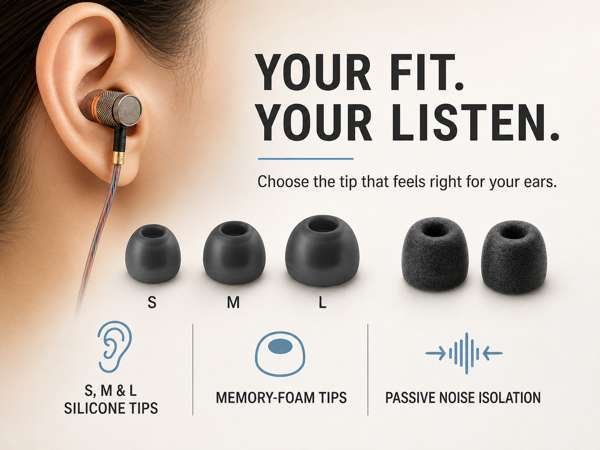
Most earbuds include small, medium, and large tips. Some brands also offer extra-small, extra-large, or half sizes. Start with the medium tips if you are unsure, then compare them with the smaller and larger options.
Follow these steps:
-
Clean the earbuds and your ears before testing.
-
Attach the medium tips securely.
-
Insert the earbuds with a gentle twisting motion.
-
Play music with a steady bass line and clear vocals.
-
Walk, talk, and move your head for several minutes.
-
Try the smaller size, then the larger size.
-
Compare comfort, sound, stability, and noise isolation.
A properly fitted earbud should feel secure but not tight. It should stay in place when you move, yet it should not create sharp pressure or pain. Think of the tip as a soft cork: it should close the opening without forcing itself deep into the canal.
When learning how to choose the right earbud tip size, avoid judging the fit after only 10 seconds. Some tips feel fine at first but become uncomfortable after 30 minutes. Comfort during longer use is one of the best tests.

Signs your earbud tips are too small
Small earbud tips often fail to create a full seal. They may feel comfortable at first, but they can move when you walk or speak.
Look for these signs:
• Bass sounds weak or disappears when you move.
• Outside noise remains easy to hear.
• The earbuds feel loose.
• You must push the earbuds back in often.
• Music sounds louder in one ear.
• The earbuds fall out during exercise.
A tip that is too small may also cause a strange pressure effect. Each time the earbud shifts, the seal breaks. This can make the sound change from full to thin in a matter of seconds.
Try moving up one size. Insert the earbud again and give the tip a few seconds to expand against the ear canal. Do not push it in forcefully. A larger tip should create a seal near the entrance of the canal, not press painfully against deeper skin.
One mistake I often see is choosing the smallest tip because it feels easy to insert. Easy insertion does not always mean a good fit. The goal is gentle contact, not the least possible contact.

Signs your earbud tips are too large
Large earbud tips can create a strong seal, but they may cause pressure and soreness. Some people describe the feeling as fullness, plugging, or a mild ache.
Your tips may be too large if:
• Your ears hurt after a short listening session.
• You feel pressure when inserting the earbuds.
• The earbuds seem difficult to remove.
• Your ear canal feels tender later in the day.
• The tips slowly push themselves outward.
• Sound becomes muffled instead of clear.
A large tip can also make the earbud sit at the wrong angle. This may reduce comfort even when the seal is strong. Try a smaller size and insert it less deeply.
If the medium tip feels tight but the small tip feels loose, look for a different shape or material. Tip size is only one part of fit. The nozzle length, earbud body, and silicone flexibility also matter.
When I compare earbud tips, I pay close attention to pressure after a full hour. A tip that sounds excellent for five minutes may not be the right choice for a long flight, workday, or study session.

How to test earbud fit at home
A simple home test can help you choose the right earbud tip size without special tools. You need only a quiet room, a few minutes, and music you know well.
Use this test:
-
Choose a familiar song with bass, vocals, and high notes.
-
Insert both earbuds in the same way.
-
Listen at a moderate volume.
-
Cover one ear gently with your hand.
-
Compare the sound from each ear.
-
Turn your head, smile, speak, and walk around.
-
Keep the earbuds in for at least 20 to 30 minutes.
During the test, listen for a balanced sound. The bass should feel present but not bloated. Vocals should sound centered and natural. You should not need to press the earbuds inward to maintain good sound.
You can also test the seal by gently tugging each earbud. It should resist light movement but should not feel stuck. Never pull hard, as this may irritate your ear or damage the earbud.
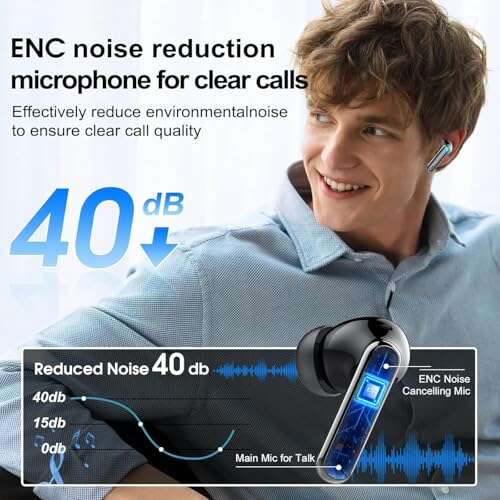
For active noise cancellation, compare the earbuds with the feature turned on and off. A good tip seal can help ANC work better, but the earbud’s microphones and software also affect performance. Tip fit cannot correct every weakness in an ANC system.
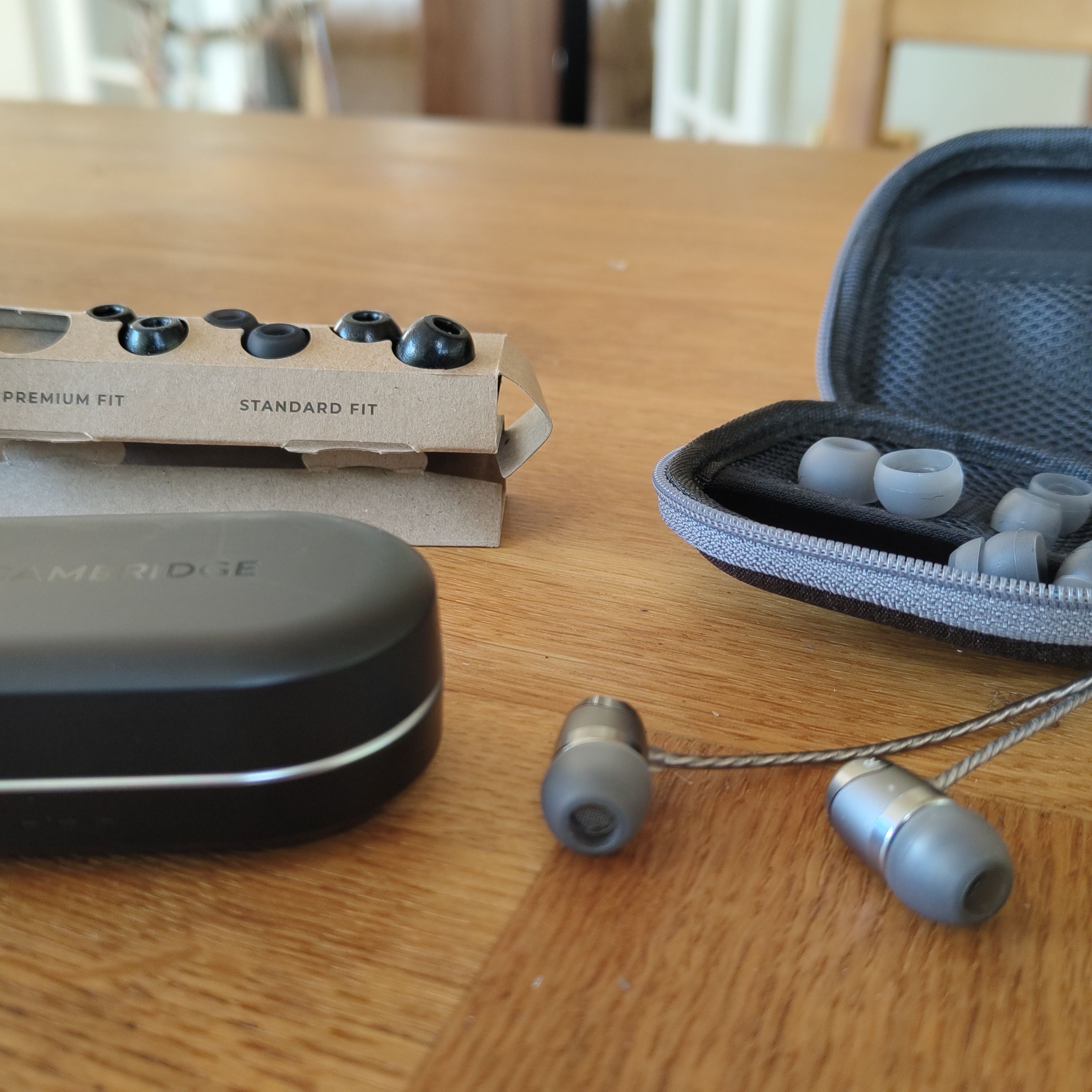
Choosing between silicone and foam earbud tips
Silicone tips are the most common option. They are easy to clean, durable, and available in many sizes and shapes. They also make it easy to insert and remove earbuds.
Foam tips compress during insertion and expand inside the ear canal. They can offer strong noise isolation and a secure fit, especially for people who struggle with silicone tips.
Here is a simple comparison:
• Silicone tips: Easy to clean, long-lasting, and simple to insert.
• Foam tips: Strong isolation and a customized feel, but they wear out faster.
• Double-flange tips: Deep seal and high isolation, but they may feel intrusive.
• Wide-bore tips: More open sound and less blocked feeling.
• Narrow-bore tips: Often stronger bass and a tighter seal.
Foam tips are not automatically better. They may feel warm, collect earwax, or require more careful cleaning. Some users also dislike the slower insertion process.
If you use foam tips, compress them gently, insert the earbud, and hold it in place while the foam expands. Replace foam tips when they become dirty, lose their shape, or no longer stay secure.
The material should support the fit, not force it. If silicone gives you a comfortable seal, there is no need to switch to foam.

Earbud tip shapes and designs
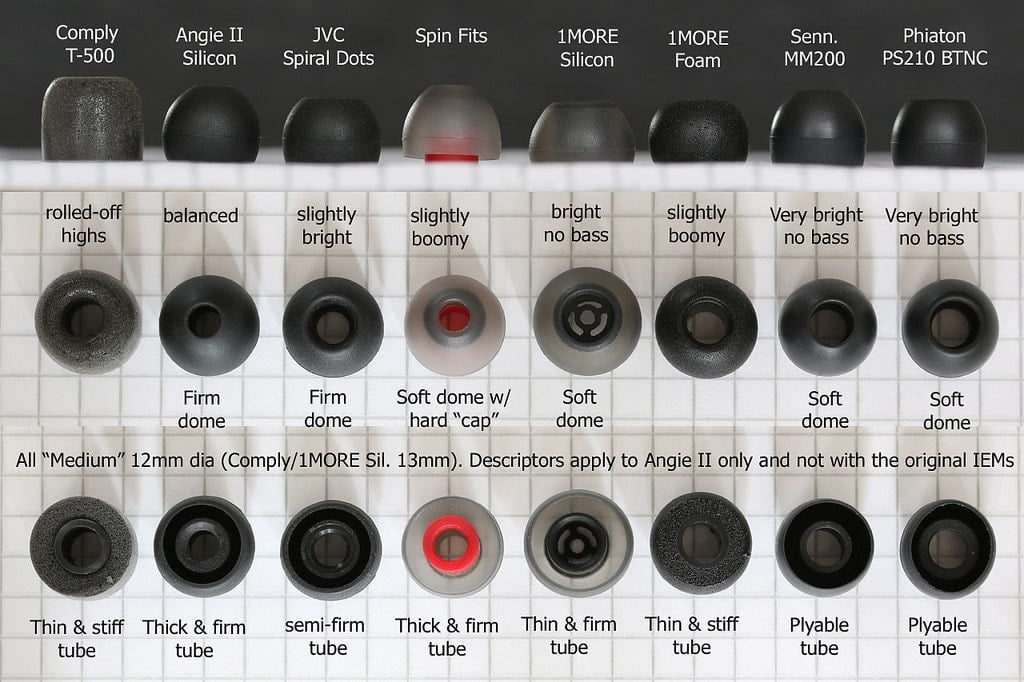
Earbud tip shape can matter as much as size. Two medium tips from different brands may fit very differently because their height, width, stem, and softness are not the same.
Common designs include:
• Round tips: A balanced choice for many ears.
• Oval tips: May fit better in wider or oval-shaped canals.
• Short tips: Sit closer to the ear opening and feel less deep.
• Long tips: May create a deeper seal but can feel intrusive.
• Wide-bore tips: Let more sound pass through and may reduce bass emphasis.
• Narrow-bore tips: Can increase the feeling of isolation and bass.
Some earbuds have short nozzles, while others extend farther into the ear. A large tip on a short nozzle may not seal well. A small tip on a long nozzle may go too deep.
If no size feels right, search for replacement tips made for your earbud’s nozzle diameter. Check that the replacement tip attaches firmly. A loose tip can remain in your ear when you remove the earbud, which is both inconvenient and potentially unsafe.

Common mistakes when choosing earbud tips
Many fit problems come from using the wrong testing method rather than the wrong earbud. Avoid these common mistakes:
• Choosing the same size for both ears without testing.
• Judging fit only by how easily the earbud goes in.
• Testing while music is too loud.
• Ignoring pain because the sound is good.
• Pushing tips too deeply into the ear canal.
• Testing for only a few seconds.
• Wearing dirty or damaged tips.
• Assuming a bigger tip always creates better noise isolation.
A strong seal is useful, but more pressure is not always better. Your ear canal has sensitive skin. Repeated pressure can cause irritation, especially during long listening sessions.
Clean silicone tips with a slightly damp cloth or mild soap and water when the manufacturer allows it. Let them dry fully before attaching them. Do not soak electronic parts, and avoid harsh cleaners that may weaken the material.
If you feel pain, ringing, dizziness, drainage, or lasting muffled hearing, stop using the earbuds and seek medical advice. Earbud fit should never cause ongoing symptoms.

How to choose earbud tips for exercise
Exercise creates extra challenges. Sweat, movement, and jaw motion can break the seal or loosen the earbuds.
For workouts, choose a tip that feels stable when you:
• Jog or walk quickly.
• Turn your head.
• Talk or sing along.
• Open and close your mouth.
• Bend forward.
• Wipe away sweat.
A slightly firmer silicone tip may work well for exercise. Wing tips or ear hooks can add stability, but they do not replace the need for the correct tip size.
Do not choose an extremely tight tip just to prevent movement. Pressure may become painful as your ears warm up. A secure earbud body, proper insertion angle, and a good tip shape often matter more than size alone.
For outdoor exercise, remember that strong isolation can reduce awareness of traffic, cyclists, and other hazards. Transparency mode may be safer in busy areas, but stay alert and follow local safety rules.

How to choose earbud tips for sleep and long listening
Sleep and long listening require comfort more than maximum isolation. A tip that seals tightly may be excellent for travel but uncomfortable when you lie on your side.
For long sessions, consider:
• Soft silicone with a flexible edge.
• Shorter tips that do not sit deeply.
• Small earbuds with a low-profile body.
• Moderate isolation instead of complete blockage.
• A smaller size if the larger tip causes pressure.
Never sleep with earbuds at a high volume. Long exposure can contribute to hearing damage, and earbuds may cause discomfort or skin irritation overnight. Wireless earbuds can also fall into bedding or become difficult to find.
I have learned that the best long-session fit is often slightly less aggressive than the best short-session fit. A gentle seal that remains comfortable for two hours is more useful than a perfect seal that hurts after 20 minutes.
When custom ear tips may help
Custom-molded ear tips can help people who cannot find a comfortable fit with standard sizes. They are shaped from impressions of your ears and may provide a more consistent seal.
They can be useful for:
• Very small or large ear canals.
• Major size differences between ears.
• Frequent earbud use.
• Musicians and performers.
• People who lose standard tips during movement.
Custom tips cost more and may not work with every earbud. They can also change the sound because the fit and acoustic path are different.
Before ordering custom tips, confirm compatibility with your earbuds. If you have ear pain, repeated infections, or unusual ear anatomy, speak with an audiologist. A professional can help determine whether custom fitting is suitable.
Frequently Asked Questions About How to Choose the Right Earbud Tip Size
How do I know if my earbud tips are the right size?
The right tips create a gentle seal, stay in place, and remain comfortable during movement. Music should sound balanced, with clear vocals and full bass, without painful pressure.
Should both ears use the same earbud tip size?
Not always. Many people have slightly different ear canal sizes, so one ear may need a small tip while the other needs a medium or large tip.
Are bigger earbud tips better for noise cancellation?
Not necessarily. A larger tip may improve the seal if your current tip is too small, but it can reduce comfort if it creates too much pressure. The best noise isolation comes from a secure, comfortable seal.
Why do my earbuds keep falling out?
Your tips may be too small, the shape may not match your ear, or the earbuds may be inserted at the wrong angle. Try another size, rotate the earbud gently into place, and test the fit while walking.
Can the wrong earbud tip size affect sound quality?
Yes. A poor seal often reduces bass and makes sound seem thin or uneven. A tip that is too large can also make audio feel muffled or uncomfortable.
How often should I replace earbud tips?
Replace silicone tips when they become cracked, loose, hardened, stained, or difficult to clean. Foam tips usually need more frequent replacement because they lose shape and collect debris.
Can earbud tips damage my ears?
Earbuds can irritate the ear canal when they fit too tightly, sit too deeply, or remain dirty. Stop use if you notice pain, discharge, ringing, dizziness, or lasting hearing changes.
Conclusion
Knowing how to choose the right earbud tip size comes down to four checks: seal, sound, stability, and comfort. Test every available size, compare both ears, and wear the earbuds long enough to notice pressure or soreness.
The ideal tip does not feel forceful. It quietly disappears into your routine while keeping music clear and secure. Try the small, medium, and large options today, and replace them if the fit still feels wrong. Share your experience or explore compatible replacement tips to find a better match.

Everett Ashford is a tech reviewer at mytechgrid.com specializing in SSDs, cameras, TVs, earbuds, headphones, and other consumer electronics. He provides honest, data-driven reviews based on hands-on testing and real-world performance analysis. Everett simplifies complex tech details to help readers make smart, confident buying decisions.