Open-ear earbuds are often safest for ear comfort, but low volume and limited listening time matter most.
Choosing which type of earbuds are good for ears is not just about sound quality or brand name. Ear canal shape, listening volume, fit, moisture, and daily use all affect your ear health. As an audio writer, I have seen people blame the earbuds when the real problem was loud sound, poor fit, or wearing them for hours without a break.
This guide explains the main earbud types, their benefits and limits, and the simple habits that help prevent ear pain, wax buildup, irritation, and noise-related hearing damage.
What Makes Earbuds Good for Your Ears?
The best earbuds for your ears should feel comfortable, stay secure without pressure, and let you hear music clearly at a low volume. They should not cause pain, ringing, itching, blocked ears, or skin irritation.
For most people, the key features are:
• A comfortable fit that does not press deeply into the ear canal
• Good sound isolation, so you do not need to turn up the volume
• Breathable materials that do not trap too much heat or moisture
• A secure shape that does not need constant pushing or adjustment
• Easy cleaning and removable ear tips
• Volume controls and listening reminders
Which type of earbuds are good for ears depends on your ears and your surroundings. Open-ear models may feel better for people who dislike ear canal pressure. Well-fitted in-ear earbuds may work better for people who need sound isolation in a quiet setting.
The World Health Organization recommends keeping personal listening devices at a safe volume and taking regular breaks. A simple rule is to keep the volume near 60% or lower and avoid long, nonstop listening sessions.

Which Type of Earbuds Are Good for Ears?
Open-ear earbuds are usually the most comfortable option for people who want less contact with the ear canal. They sit near the ear rather than sealing it, so they allow more airflow and keep you aware of traffic, voices, and other sounds.
In-ear earbuds can also be safe when they fit well and play at a moderate volume. Their seal may block outside noise, which can help you avoid turning the music up. However, a tight or deep fit can cause pressure, soreness, trapped moisture, and wax movement.
Here is a simple comparison:
| Earbud type | Main benefit | Main concern |
|---|---|---|
| Open-ear earbuds | Less ear canal pressure and better awareness | More outside noise may encourage higher volume |
| Bone-conduction headphones | Do not block the ear canal | Sound quality may be less rich |
| In-ear earbuds | Strong sound quality and noise isolation | Can trap heat, wax, and moisture |
| Semi-in-ear earbuds | Less pressure than deep in-ear designs | May feel loose and leak sound |
| Wired earbuds | No battery or wireless signal concerns | Cables can pull or snag |
| Wireless earbuds | Convenient and easy to use | Small tips can collect dirt and wax |
Which type of earbuds are good for ears is therefore a balance between comfort, sound control, fit, and your daily environment.
For example, open-ear earbuds may be ideal for walking outdoors. In-ear earbuds may be better on an airplane, where moderate noise isolation can reduce the urge to increase volume. Neither option is automatically safe if used too loudly.
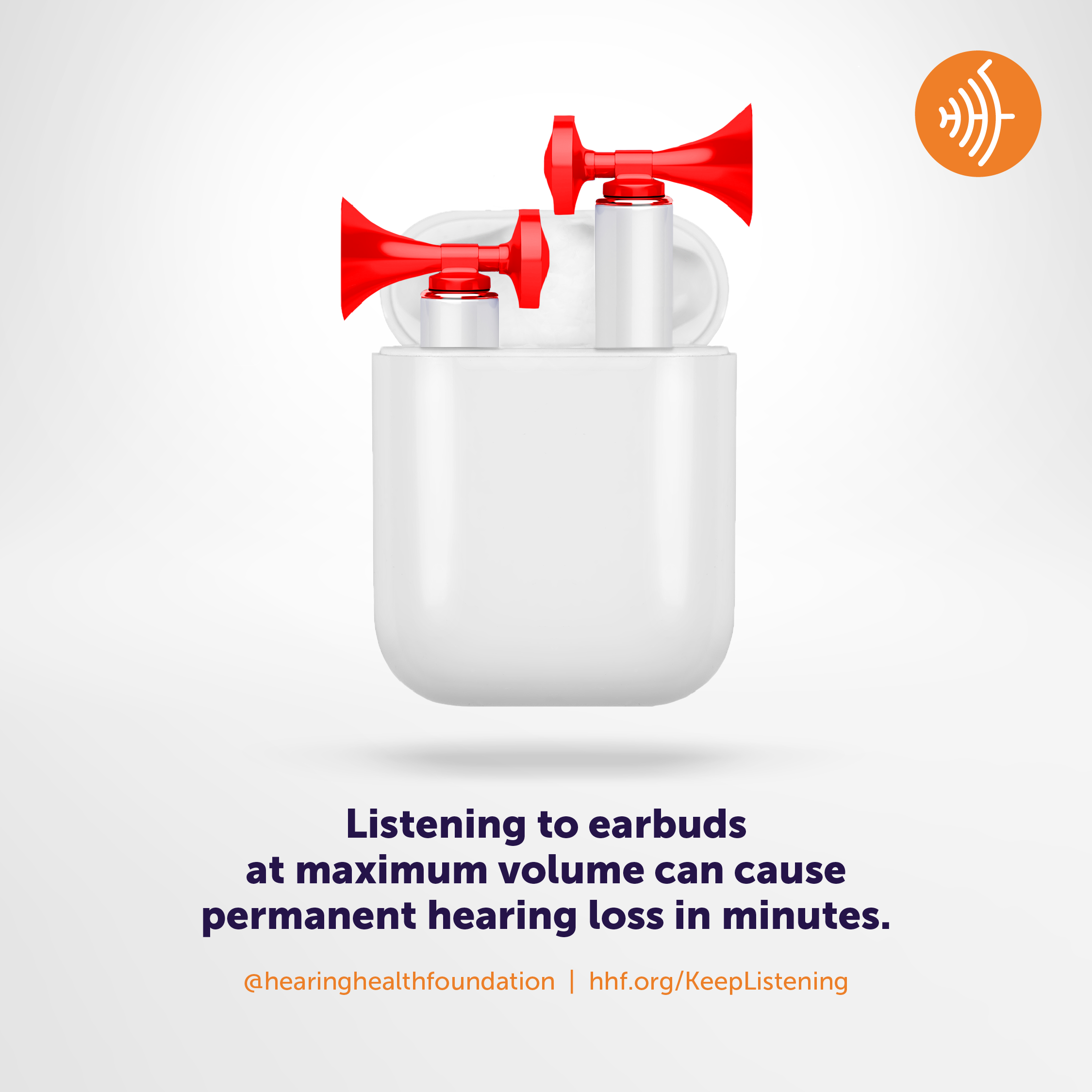
Open-Ear Earbuds: Best for Comfort and Awareness
Open-ear earbuds rest outside the ear canal. Some use small speakers near the ear, while others use directional sound that sends audio toward the ear without fully sealing it.
They can be a good choice for:
• Walking, jogging, and cycling
• Office work when you need to hear people
• People who dislike silicone ear tips
• People who experience ear pressure from sealed earbuds
• Long listening sessions at moderate volume
The biggest advantage is comfort. Since open-ear earbuds do not plug the canal, they usually create less pressure and allow more airflow. They also make it easier to notice alarms, traffic, and conversation.
Their main weakness is background noise. In a busy street, gym, or airplane, you may be tempted to raise the volume. That can cancel out the comfort benefit. If you cannot hear your surroundings, open-ear earbuds may not be the best choice for that location.
Which type of earbuds are good for ears in this category? Open-ear models are often a strong choice for comfort, but they are not hearing protection. They do not protect your ears from loud traffic, concerts, construction, or machinery.
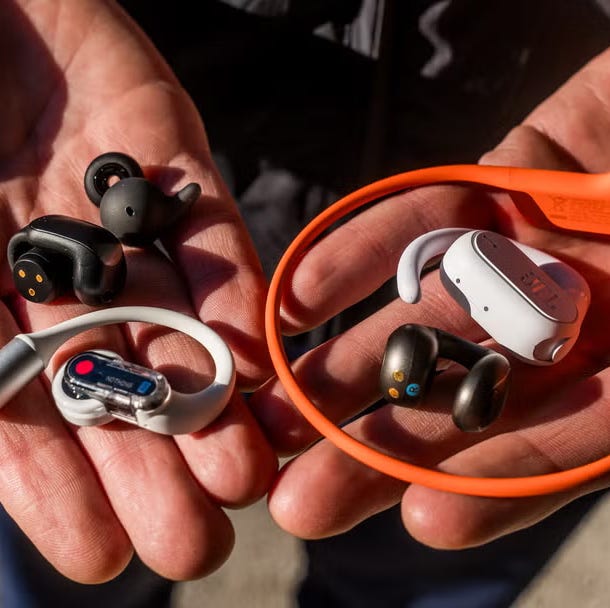
Bone-Conduction Headphones and Ear Health
Bone-conduction headphones sit near the cheekbones instead of inside the ear canal. They send vibrations through the bones of the skull to the inner ear.
This design can help people who do not like anything inside their ears. It may also work well for runners, cyclists, and people who need strong awareness of their surroundings.
Benefits include:
• No ear canal blockage
• Less contact with earwax
• Better awareness of nearby sounds
• Useful comfort for some people with narrow or sensitive ear canals
However, bone-conduction models still send sound to the inner ear. They are not immune to volume-related hearing damage. Some users also notice vibration, weaker bass, or sound leakage.
People with hearing loss, ear disease, or implanted medical devices should ask an audiologist or doctor before choosing this style. A hearing professional can explain whether bone conduction suits their condition.
Which type of earbuds are good for ears may include bone-conduction headphones when ear canal comfort is the main concern. Still, safe volume and limited listening time remain essential.

In-Ear Earbuds: Safe When the Fit Is Right
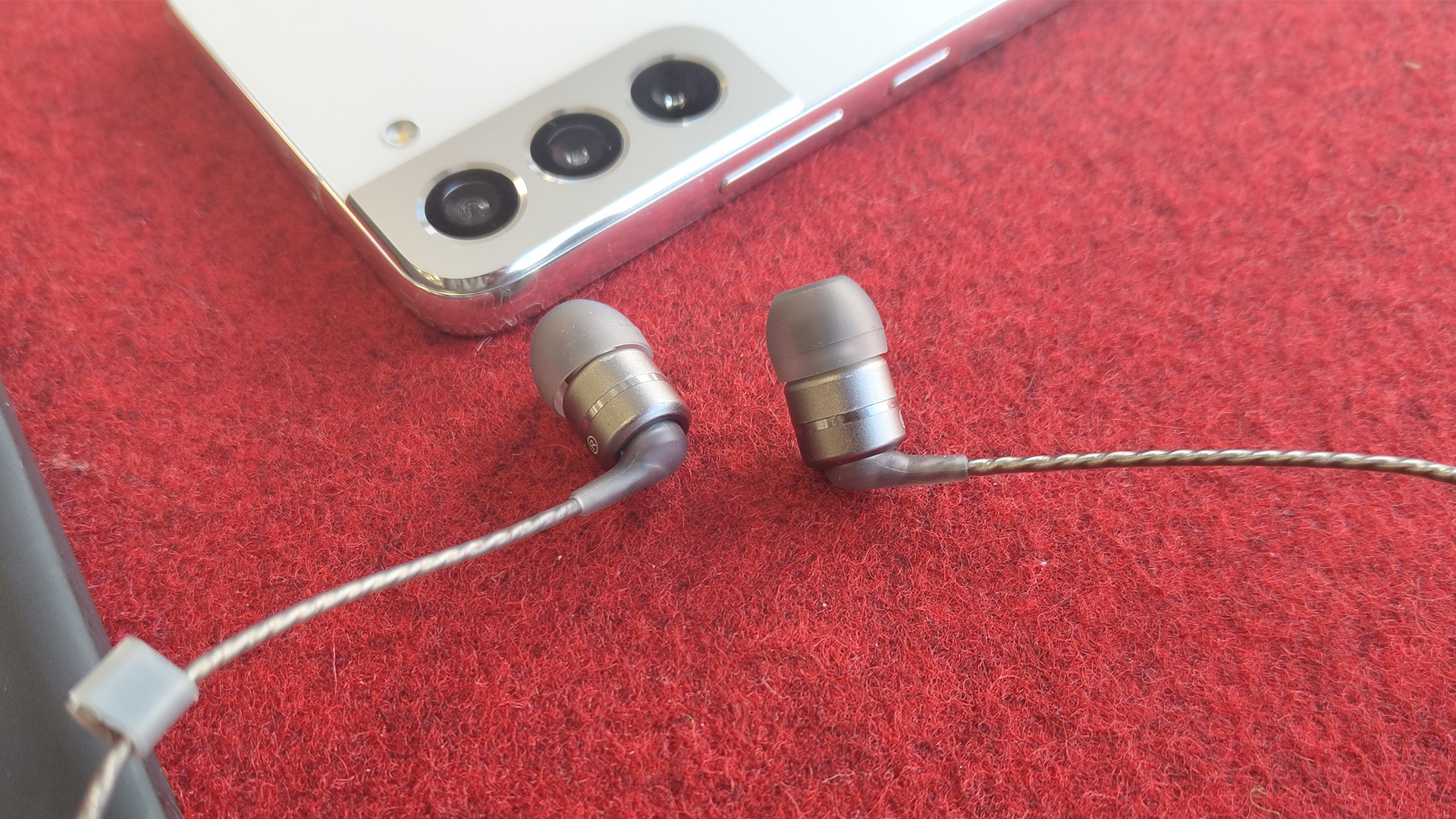
In-ear earbuds sit inside the ear canal and often use silicone or foam tips. They are popular because they offer clear sound, strong bass, and useful noise isolation.
A good in-ear fit should feel secure but not painful. You should not need to push the earbuds deeply into the canal. If your ears feel sore after a short session, try smaller tips, a different shape, or a non-sealing design.
In-ear earbuds may help protect hearing in one important way. Their seal can reduce background noise, which may help you listen at a lower volume. This is useful on buses, trains, and airplanes.
They also have possible drawbacks:
• Tight tips may cause pressure or soreness
• Sweat can remain trapped in the ear canal
• Dirty tips can transfer bacteria
• Frequent use may move wax deeper into the canal
• Sharing earbuds can spread germs
Clean the tips often with a slightly damp cloth or an approved cleaning method. Do not push cotton swabs into your ear canal. Remove the tips if the manufacturer allows it, and let them dry fully before use.
Which type of earbuds are good for ears if you need noise isolation? In-ear earbuds can be a good answer when they fit gently and allow you to keep the volume low.

Noise-Canceling Earbuds: Helpful but Not Risk-Free
Active noise-canceling earbuds use microphones and electronic processing to reduce outside noise. They can make music easier to hear in loud places.
Noise cancellation itself does not damage hearing. The risk comes from playing audio too loudly or wearing earbuds for too long. Some people also feel pressure or discomfort from the noise-canceling effect, although this feeling is not the same as physical pressure on the eardrum.
Noise-canceling earbuds may be helpful when:
• You work in a noisy office
• You want to hear podcasts clearly
• You are trying to avoid turning up the volume
They may be less suitable when you need to hear alarms, vehicles, or announcements. Always use awareness mode or transparency mode in places where outside sounds matter.
Which type of earbuds are good for ears in a noisy environment? A well-fitted noise-canceling model may be safer than a poor-fitting earbud because it can reduce the need for loud playback. Use the lowest volume that lets you understand the audio.

How Volume and Listening Time Affect Your Ears
Volume is often more important than earbud style. Even the most comfortable earbuds can harm hearing when they deliver loud sound for a long time.
Loud sound can damage sensitive hair cells in the inner ear. These cells do not grow back after serious damage. The result may be temporary muffled hearing, ringing, or permanent hearing loss.
Use these practical habits:
-
Keep the volume near 60% or lower when possible.
-
Take a five- to ten-minute break every hour.
-
Turn down the sound if someone nearby can hear your music.
-
Use noise cancellation or a better fit instead of increasing volume.
-
Avoid sleeping with earbuds playing all night.
-
Give your ears quiet time after concerts, flights, or loud work.
A useful test is the conversation check. If you cannot hear someone speaking near you, your audio is probably too loud for that setting.
Which type of earbuds are good for ears will always be a secondary question if the volume is unsafe. A gentle earbud at high volume is still a hearing risk.

Earbud Fit, Cleaning, and Moisture
Fit affects both comfort and hearing safety. An earbud that slips out may force you to increase the volume. One that feels too tight may irritate the skin or create pressure.
Try these fit tips:
• Test different ear tip sizes
• Place earbuds gently rather than forcing them inward
• Stop using any tip that causes pain or itching
• Replace cracked, stiff, or dirty tips
• Keep earbuds dry after exercise
• Clean the charging case as well as the earbuds
Sweat and moisture can irritate the ear canal. This matters even more if you have eczema, allergies, or a history of ear infections. Avoid wearing earbuds while your ears are wet after swimming or showering.
A common mistake is cleaning the ears too deeply before using earbuds. Earwax protects the ear canal. Removing too much can cause dryness and irritation. Clean only the outer ear unless a medical professional tells you otherwise.
Which type of earbuds are good for ears can change if you have sensitive skin. In that case, open-ear or hypoallergenic options may be more comfortable than silicone in-ear tips.
Earbuds for Exercise, Work, and Travel
Your best choice depends on where you use earbuds. A model that works well at home may be unsafe or uncomfortable outdoors.
For exercise, choose earbuds that stay secure without deep pressure. Open-ear designs are useful for outdoor workouts because they help you hear traffic. In-ear sports earbuds can also work if they are clean, sweat-resistant, and not too tight.
For work, consider how much awareness you need. Open-ear earbuds or transparency mode can help you hear coworkers and alarms. If you work in a loud area, do not treat regular earbuds as hearing protection.
For travel, noise-canceling in-ear earbuds may reduce background noise. Keep the volume modest, take breaks, and avoid using them continuously during a long flight.
For sleep, earbuds are usually not the best choice. Pressure from a pillow can irritate the ear, and long playback can expose you to sound for many hours. A bedside speaker or sleep headband may be a better option.
Which type of earbuds are good for ears changes with the task. Choose the design that lets you hear comfortably without blocking important sounds or increasing volume.

Warning Signs That You Should Stop Using Earbuds
Ear discomfort is a signal, not something to ignore. Stop using earbuds and give your ears time to recover if you notice:
• Persistent ear pain
• Ringing or buzzing
• Muffled hearing
• A feeling of fullness or blockage
• Itching, swelling, or drainage
• Dizziness
• Increased sensitivity to normal sounds
Short-term muffled hearing after loud audio may improve with quiet rest, but repeated symptoms deserve attention. See a doctor or audiologist if symptoms continue, become painful, or affect one ear more than the other.
Do not insert cotton swabs, hairpins, or other objects into the ear. Do not use ear drops unless a qualified professional recommends them, especially if you may have a damaged eardrum.
Which type of earbuds are good for ears if you already have symptoms? No earbud type should replace medical care. Stop using the device until you understand the cause.
Common Mistakes to Avoid
Many earbud problems come from simple habits. These mistakes are easy to fix:
• Wearing earbuds for many hours without breaks
• Turning up the volume in noisy places
• Sharing earbuds with friends
• Using wet earbuds after exercise
• Pushing earbuds deeply into the canal
• Sleeping with hard earbuds
• Ignoring ringing or muffled hearing
• Cleaning the ear canal with cotton swabs
In my experience reviewing audio advice, the biggest lesson is that comfort often beats brand loyalty. People may spend more on premium earbuds but keep using a tip that hurts. Changing the fit can make a bigger difference than buying a more expensive model.
Another lesson is to judge earbuds after a full hour, not just during a five-minute store test. Pressure, heat, and irritation may appear later. If a pair becomes uncomfortable, treat that as useful feedback from your body.
Which type of earbuds are good for ears is not solved by marketing claims alone. Your comfort, listening habits, and environment matter more than a feature list.
How to Choose the Right Earbuds
Use this checklist before buying:
-
Decide whether you need ear canal isolation.
-
Choose open-ear earbuds if awareness and airflow matter most.
-
Choose in-ear earbuds if you need moderate isolation and a secure fit.
-
Try different tip sizes before judging comfort.
-
Look for transparency mode if you spend time outdoors.
-
Check whether the earbuds are easy to clean.
-
Avoid models that require high volume to sound clear.
-
Pick a design that stays secure without pressure.
-
Consider a hearing evaluation if you often struggle to hear speech.
Which type of earbuds are good for ears for most users? A comfortable, well-fitting pair that helps you listen at a low volume is usually the best practical choice. For many people, that means open-ear earbuds for awareness or gently fitted in-ear earbuds for sound isolation.
No earbud can guarantee perfect ear health. Ear anatomy differs, and people with ear disease, hearing loss, allergies, or skin conditions may need personalized advice.
Frequently Asked Questions About Which Type of Earbuds Are Good for Ears
Are open-ear earbuds safer than in-ear earbuds?
Open-ear earbuds may be safer for comfort because they do not seal or press inside the ear canal. However, they can still expose your ears to harmful sound if you play audio too loudly.
Can earbuds cause hearing loss?
Earbuds can contribute to hearing loss when they deliver loud sound for long periods. The main risk is excessive volume and exposure time, not whether the earbuds are wired or wireless.
Are noise-canceling earbuds bad for your ears?
Noise-canceling earbuds are not automatically bad for your ears. They may help you use a lower volume, but you should stop using them if they cause discomfort and keep awareness mode on when you need to hear outside sounds.
How long should you wear earbuds each day?
There is no single safe daily limit for everyone because volume levels differ. Keep the volume low, take regular breaks, and avoid wearing earbuds continuously for hours.
Are wired earbuds better for ear health?
Wired earbuds are not automatically healthier than wireless earbuds. Ear health depends more on volume, fit, cleaning, and listening time than on the connection method.
Can earbuds cause ear infections?
Earbuds may raise the risk of irritation or infection when they are dirty, wet, shared, or worn for long periods. Clean them often, keep them dry, and avoid using them when your ear is painful or inflamed.
What earbuds are best for sensitive ears?
Open-ear earbuds may suit people who dislike pressure or sealed ear tips. If you prefer in-ear earbuds, choose soft, clean tips and stop using them if they cause itching, pain, or swelling.
Conclusion
The best answer to which type of earbuds are good for ears is usually open-ear earbuds for comfort and awareness, or well-fitted in-ear earbuds when gentle noise isolation is useful. The design matters, but volume, listening time, fit, cleanliness, and regular breaks matter even more.
Choose earbuds that feel comfortable after extended use, keep the volume low, and give your ears quiet time each day. If you notice ringing, pain, muffled hearing, or drainage, stop using earbuds and seek professional advice. Use these tips to make a smarter choice, and share your experience with comfortable earbud designs in the comments.

Everett Ashford is a tech reviewer at mytechgrid.com specializing in SSDs, cameras, TVs, earbuds, headphones, and other consumer electronics. He provides honest, data-driven reviews based on hands-on testing and real-world performance analysis. Everett simplifies complex tech details to help readers make smart, confident buying decisions.