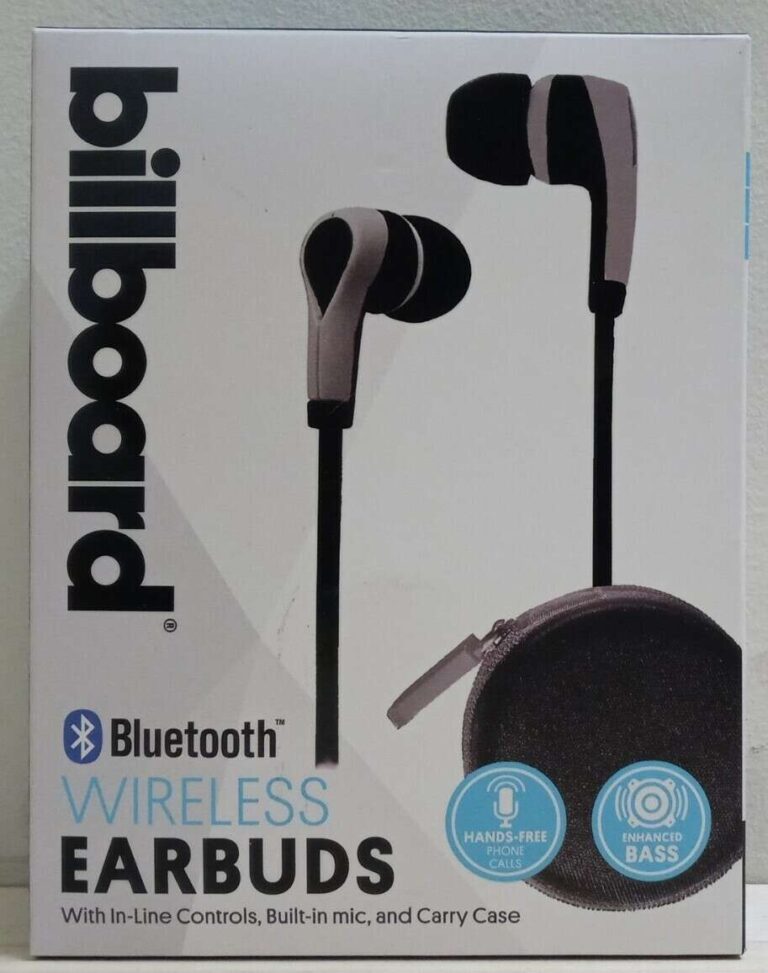
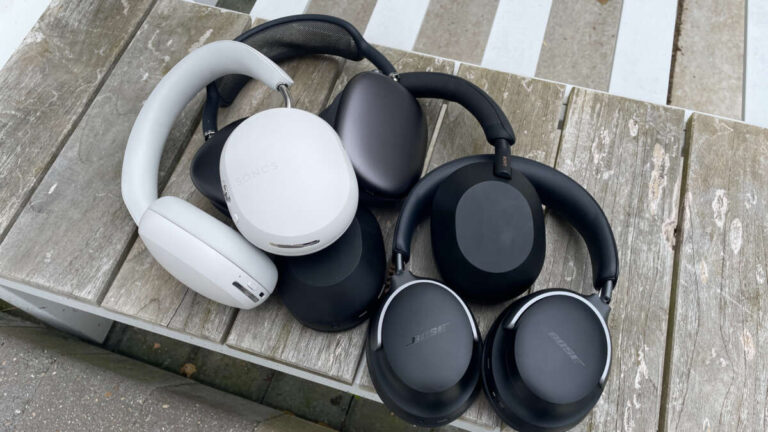
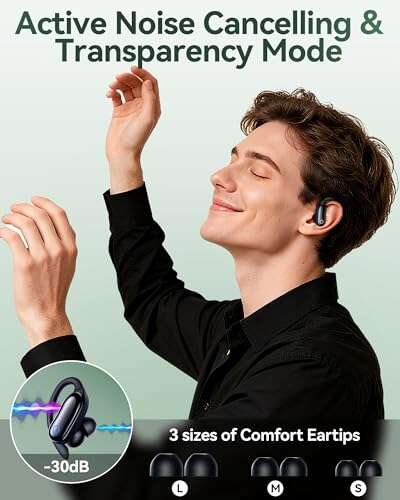
Some earbuds sit in your ear canal, while others rest outside it, depending on their design and ear tip.
The answer to “do earbuds go in your ear canal” depends on the type you use. In-ear monitors and silicone-tip earbuds enter the canal entrance, while classic earbuds rest in the outer ear. Knowing the difference helps you choose a safe fit, avoid ear pain, and protect your hearing during daily use.
Do earbuds go in your ear canal?
Some earbuds do go into the ear canal, but usually only a short way. Their soft tip seals the canal opening without reaching deep inside the ear.
Other earbuds sit in the bowl-shaped outer ear, called the concha. They do not form a seal inside the canal. This simple difference affects comfort, sound quality, noise blocking, and ear health.
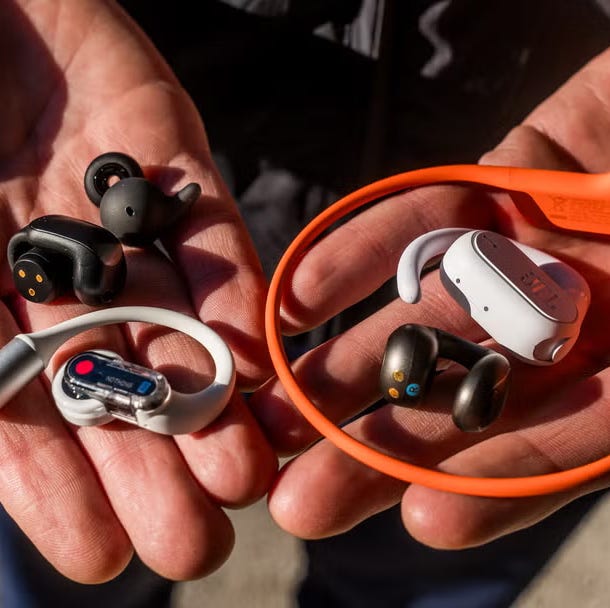
The word “earbuds” covers several designs:
• In-ear earbuds use silicone or foam tips that enter the ear canal.
• Classic earbuds rest in the outer ear and do not seal the canal.
• Earphones with ear hooks may use either design.
• Bone-conduction headphones sit outside the ear and send sound through vibrations near the cheekbone.
So, do earbuds go in your ear canal? In many cases, yes, but they should not be pushed deep inside. A correct fit feels secure and gentle, not tight or painful.

How different earbuds fit your ear
Understanding the design can make the answer much clearer. Look at the part that touches your ear before you put the earbuds on.
In-ear earbuds
In-ear earbuds have small tips made from silicone, rubber, or foam. The tip rests just inside the canal entrance and creates a light seal.
This seal can improve bass and reduce outside noise. It can also make music sound clearer at a lower volume. However, a tight seal may trap sweat, heat, and moisture.
In-ear models include many wireless earbuds, sports earbuds, and professional in-ear monitors. Their fit varies by brand, ear shape, and tip size.
Classic earbuds
Classic earbuds have a hard shell that rests in the outer ear. They do not usually enter the ear canal.
These earbuds allow more outside sound to pass through. That can help you hear traffic, voices, or announcements. The tradeoff is that they may leak sound and feel less secure during exercise.
Open-ear and bone-conduction headphones
Open-ear headphones sit near, but not inside, the ear. Bone-conduction models rest on the bones near your temples or cheekbones.
They leave the ear canal open. This design can work well for runners, cyclists, and people who need to stay aware of their surroundings. Sound quality and bass may differ from sealed in-ear earbuds.

Why do some earbuds enter the ear canal?
Earbuds enter the canal entrance to control how sound reaches the eardrum. A soft tip creates a small acoustic seal, much like closing a door to reduce noise from another room.
This design offers several benefits:
• Better bass response because less air escapes.
• Less outside noise during travel or work.
• A more stable fit during movement.
• Clearer speech during phone calls.
• Less need to raise the volume in noisy places.
Still, deeper does not mean better. Earbuds should rest near the opening of the canal. Pushing them farther in can cause pain, press earwax deeper, or irritate delicate skin.
When people ask, “do earbuds go in your ear canal,” they often worry that the device should disappear inside the ear. It should not. The tip needs only enough contact to stay in place and create a comfortable seal.

How far should earbuds go into your ear?
The earbud tip should sit at the entrance or shallow part of the ear canal. It should not touch the eardrum, and no consumer earbud is designed to reach that far.
Use this simple fit check:
-
Place the earbud gently at the canal entrance.
-
Twist it slightly until it feels stable.
-
Stop if you feel sharp pressure or pain.
-
Check that the earbud does not need force to stay in place.
-
Play audio at a low level before increasing it.
A good fit feels snug but not buried. You should be able to remove the earbud with a gentle pull on the housing or stem.
Foam tips may need light compression before insertion. Let them expand slowly. Do not push foam tips deep into the canal.
From practical testing of many earbud shapes, one common mistake stands out: people often choose a larger tip because it feels more secure. In reality, a smaller tip may give better comfort and still stay in place. Your ear canal is not a storage space; it is a sensitive passage that needs room.
Signs your earbuds are too deep or too tight
Your ears can tell you when an earbud does not fit well. Remove it and adjust the size if you notice:
• Sharp pain or strong pressure.
• A blocked or plugged feeling.
• Ringing after listening.
• Reduced hearing that lasts after removal.
• Itching, warmth, or swelling.
• Soreness at the canal opening.
• Earwax on the earbud tip.
Mild pressure may improve when you change the tip size. Pain, discharge, bleeding, or lasting hearing changes need medical attention.
Do not use cotton swabs to “make room” in the ear. Cotton swabs can push wax deeper and scratch the canal. If wax buildup keeps affecting earbud comfort, ask a health professional about safe removal.

Can earbuds damage your ears?
Earbuds do not automatically damage your ears. The main risks usually come from loud sound, long listening sessions, poor hygiene, and forceful insertion.
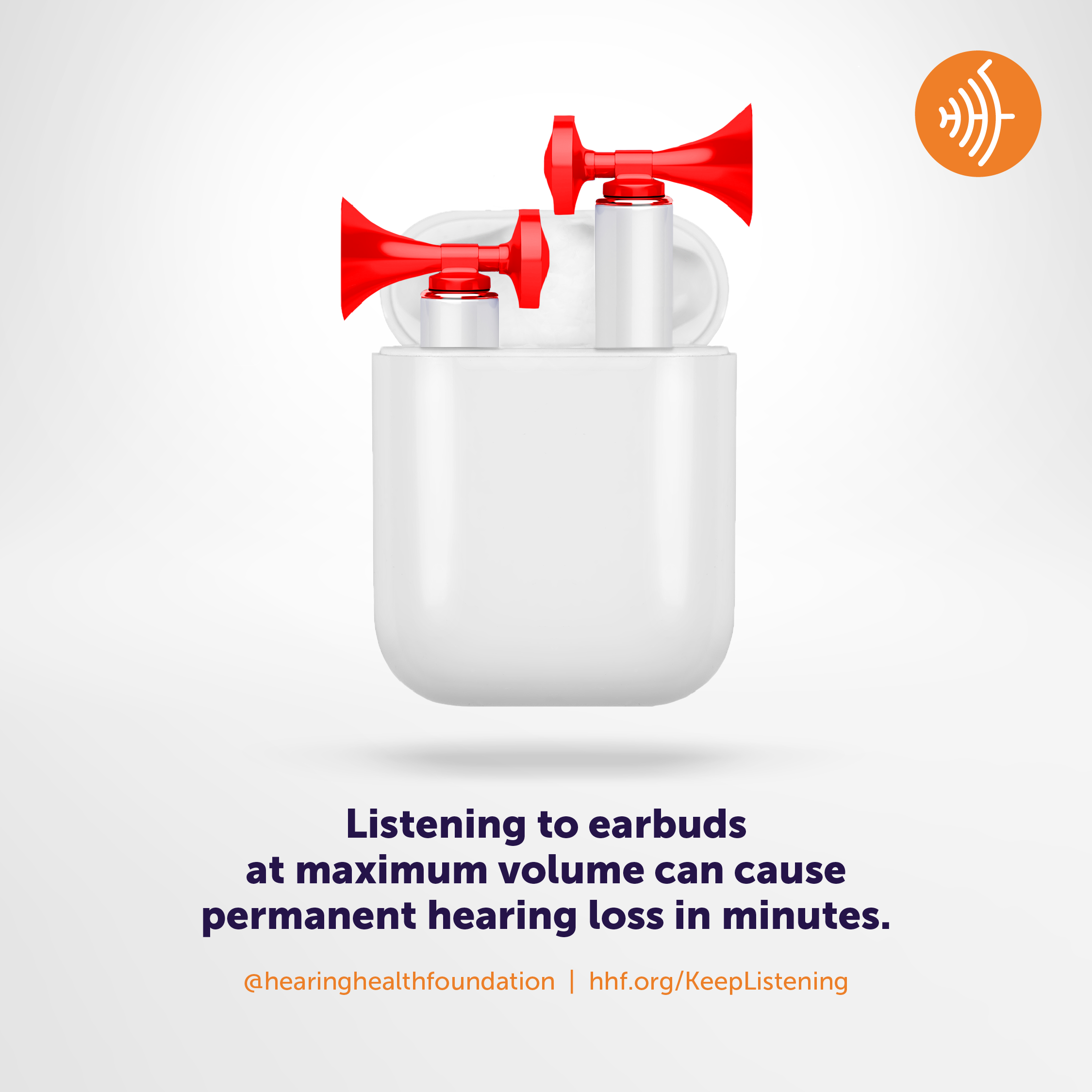
Loud sound can harm the tiny sensory cells inside the inner ear. These cells do not grow back after serious damage. The World Health Organization advises keeping personal audio at a safe level and taking regular breaks.
A useful rule is the 60/60 approach:
• Keep volume near 60% or lower.
• Listen for about 60 minutes, then take a break.
This is only a simple guide, not a guarantee of safety. Some devices have different maximum volumes, and some recordings are louder than others. If someone next to you can clearly hear your music, the volume may be too high.
Noise-canceling earbuds can help in busy places because they reduce the need to increase volume. Noise cancellation does not make loud listening safe, though. It reduces outside noise; it does not remove the risk from loud music.

Earbuds, earwax, and ear infections
Earwax protects the ear canal by trapping dust and helping control moisture. Earbuds can interfere with this natural process when they block the opening for many hours.
They may also move wax inward, especially when the fit is tight. This can cause muffled hearing, pressure, or discomfort.
Earbuds can collect oil, sweat, and bacteria. Clean them often, especially after exercise or sharing a device. Follow the maker’s cleaning directions, and keep liquid away from charging ports and speakers.
Helpful habits include:
• Wipe earbud surfaces with a clean, slightly damp cloth.
• Use an approved alcohol wipe when the manufacturer allows it.
• Let earbuds dry before putting them back in the case.
• Do not share earbuds without cleaning them.
• Avoid wearing them when your ears are wet.
• Give your ears breaks during long days.
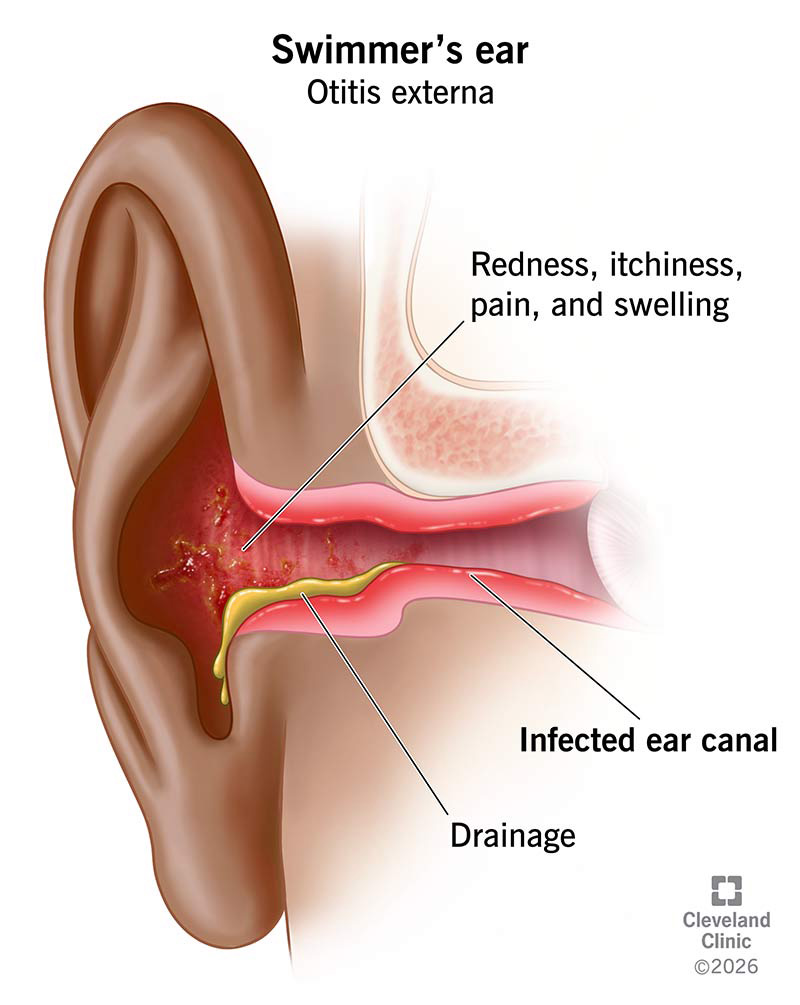
If you have ear drainage, strong itching, swelling, or worsening pain, stop using the earbuds. These symptoms can signal irritation or an outer ear infection, sometimes called swimmer’s ear.
How to insert earbuds safely
Correct insertion takes only a few seconds. It should never require force.
-
Wash and dry your hands.
-
Choose the smallest tip that creates a comfortable seal.
-
Hold the earbud by its outer body.
-
Pull the upper ear slightly up and back if needed.
-
Place the tip at the canal entrance.
-
Twist it gently into position.
-
Remove it by holding the housing, not by yanking the cord or stem.
If the earbud keeps falling out, try a different tip or wing. Do not solve the problem by pushing the earbud farther inside.
When asking, “do earbuds go in your ear canal,” remember that fit matters more than depth. A shallow, stable fit is safer than a deep fit that causes pressure.
How to choose the right earbud style
Your best option depends on your ears, routine, and surroundings.
Choose in-ear earbuds when:
• You want strong bass.
• You need some passive noise blocking.
• You want a secure fit for commuting or exercise.
• You prefer a small, lightweight design.
Choose classic earbuds when:
• You dislike a sealed feeling.
• You want to hear more of your surroundings.
• In-ear tips cause irritation.
• You prefer a looser fit.
Choose open-ear earbuds when:
• You run or cycle near roads.
• You need to hear coworkers or announcements.
• You dislike anything inside your ear.
• Environmental awareness is a top priority.
If you have hearing loss, frequent ear infections, tinnitus, or ear surgery history, ask an audiologist which style fits your needs. A professional can also check whether your ear canal is irritated or blocked with wax.
Common mistakes to avoid
Small habits can make earbuds less comfortable and less safe. Avoid these errors:
• Pushing earbuds in until they feel “locked.”
• Using the same tip size for both ears without checking comfort.
• Listening loudly to overcome traffic noise.
• Wearing earbuds through ear pain.
• Cleaning the ear canal with cotton swabs.
• Sharing earbuds without cleaning them.
• Sleeping with tight earbuds every night.
• Wearing earbuds while the ears are wet.
• Ignoring ringing or muffled hearing after listening.
A short break often solves mild pressure. Persistent symptoms are different. If discomfort continues after you remove the earbuds, do not keep testing the same fit.
When should you stop using earbuds?
Stop using earbuds and seek medical advice if you experience:
• Sudden hearing loss.
• Severe or lasting ear pain.
• Fluid, pus, or blood from the ear.
• New or worsening ringing.
• Dizziness or balance problems.
• Swelling that makes insertion difficult.
Sudden hearing loss is urgent and should not be blamed on a poor earbud fit. Prompt care may improve the chance of recovery.
Most minor pressure problems improve after removing the earbuds and allowing the ears to rest. The key is to respond early instead of waiting for irritation to become severe.
Frequently Asked Questions About Whether Earbuds Go in Your Ear Canal
Do all earbuds go in your ear canal?
No. In-ear earbuds enter the canal entrance, while classic earbuds rest in the outer ear. Open-ear and bone-conduction headphones sit outside the canal.
How deep should earbuds go in your ear?
Earbuds should sit near the canal opening, not deep inside it. They should feel secure without causing pain, pressure, or a blocked sensation.
Can earbuds touch your eardrum?
A normal earbud cannot reach the eardrum when used correctly. Do not insert earbuds, tips, or other objects deeply into the ear canal.
Are in-ear earbuds bad for your ears?
In-ear earbuds are not automatically harmful. Risk increases with loud volume, long listening sessions, dirty earbuds, moisture, and forceful insertion.
Why do earbuds hurt my ear canal?
Earbuds may hurt because the tip is too large, the shape does not match your ear, or you are inserting them too deeply. Try a smaller tip or another style, and stop use if pain continues.
Can earbuds cause earwax buildup?
They can contribute to wax buildup by blocking the canal opening or pushing wax inward. Clean the earbuds and never use cotton swabs deep inside your ears.
Should I use earbuds if I have an ear infection?
Avoid putting earbuds into an infected or painful ear unless a health professional tells you otherwise. Moisture, pressure, and friction may worsen irritation.
Conclusion
So, do earbuds go in your ear canal? In-ear models sit just inside the canal entrance, while classic, open-ear, and bone-conduction designs stay outside it. The safest fit is gentle, shallow, clean, and comfortable.
Keep the volume moderate, take listening breaks, clean your earbuds, and never force them into place. If you notice pain, drainage, ringing, or lasting muffled hearing, stop using them and seek professional care. Choose the earbud style that matches your comfort and daily needs, then share your experience or explore more hearing-safety guidance.

Everett Ashford is a tech reviewer at mytechgrid.com specializing in SSDs, cameras, TVs, earbuds, headphones, and other consumer electronics. He provides honest, data-driven reviews based on hands-on testing and real-world performance analysis. Everett simplifies complex tech details to help readers make smart, confident buying decisions.