Most professional cameras need 24 to 45 megapixels, while specialized work may require 60 megapixels or more.
The right answer depends on your subject, lens, print size, cropping needs, and workflow. After comparing real-world image quality across portraits, weddings, products, landscapes, and commercial work, one lesson stands out: more megapixels help, but they do not automatically create better photographs. This guide explains how many megapixels should a professional camera have and how to choose the right resolution for your work.
How Many Megapixels Should a Professional Camera Have?
For most professional photographers, a camera with 24 to 45 megapixels offers the best balance of detail, speed, file size, and low-light performance.
A 24-megapixel camera is enough for weddings, events, portraits, journalism, travel, and many commercial jobs. A 33- to 45-megapixel camera gives you more room to crop and print large images. Cameras with 60 megapixels or more are useful for studio products, fine art, landscape photography, and high-end advertising.
When asking how many megapixels should a professional camera have, think about the final image first. A photograph for social media needs far less resolution than a billboard or museum print.

What Are Megapixels?
A megapixel equals one million pixels. Pixels are the tiny points of information that form a digital image.
For example, a 24-megapixel camera may produce an image around 6,000 by 4,000 pixels. The exact dimensions vary by camera and aspect ratio, but the total pixel count remains close to 24 million.
More pixels can provide:
- Greater image detail
- More flexibility when cropping
- Larger print sizes
- Better ability to reframe an image
- More room for retouching
However, megapixels are only one part of image quality. The sensor, lens, autofocus system, image processor, lighting, and photographer all matter.
A high-resolution camera with a poor lens may produce less useful detail than a lower-resolution camera with a sharp lens and excellent lighting. Think of megapixels as the size of a bucket. A bigger bucket helps, but it does not improve the quality of the water inside it.
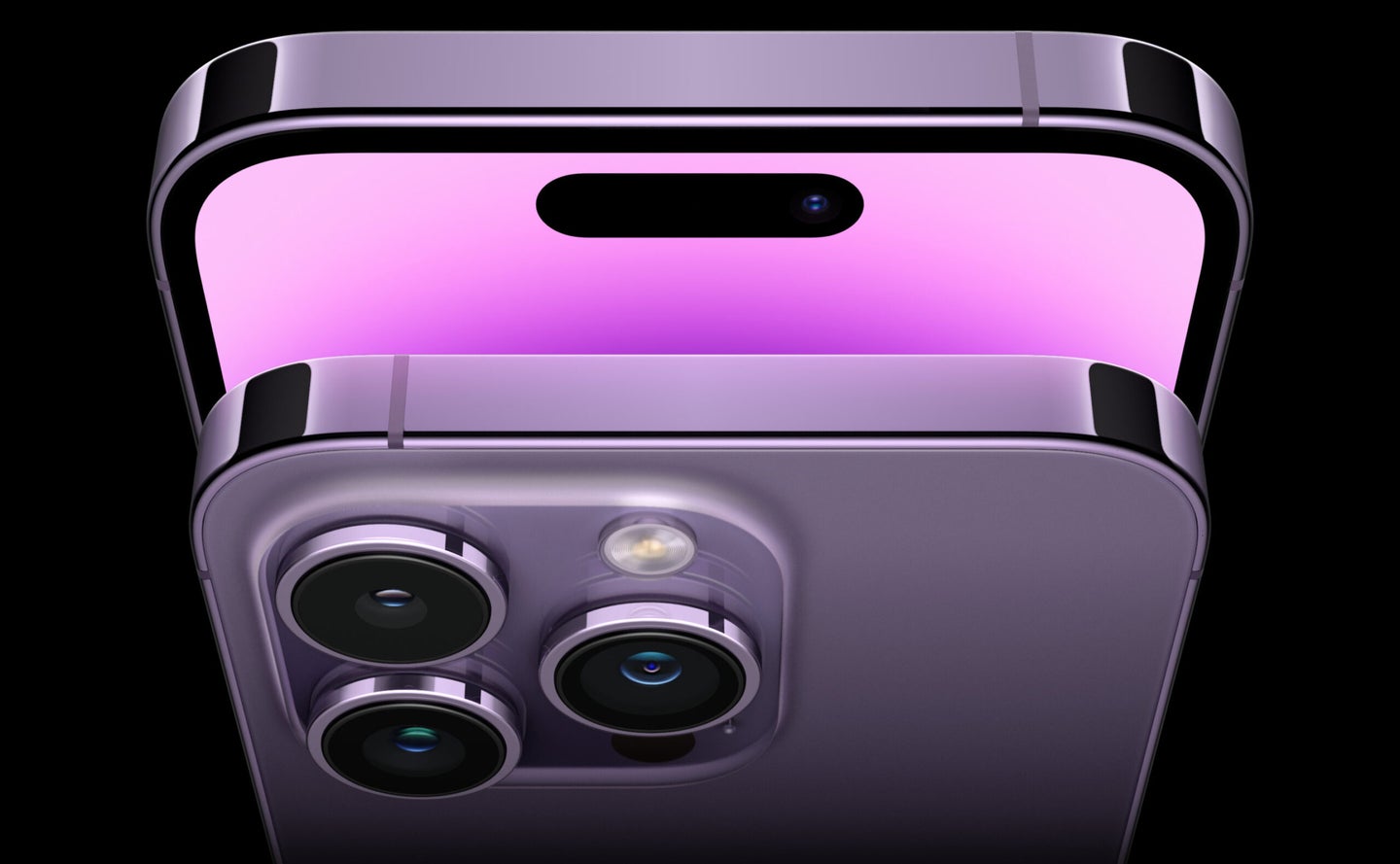
The Best Megapixel Range for Different Professional Genres
The ideal resolution changes with the type of photography you do. The answer to how many megapixels should a professional camera have is not the same for every job.
Wedding and Event Photography
A 24- to 36-megapixel camera is usually ideal for weddings and events. It provides enough detail for albums, wall prints, and online galleries while keeping file sizes manageable.
Wedding photographers also need fast autofocus, strong high-ISO performance, dual card slots, and reliable battery life. A 60-megapixel camera may create beautiful files, but large files can slow down editing during a busy event.
Portrait Photography
Portrait photographers can work very well with 24 to 45 megapixels. Higher resolution helps capture fine hair detail, clothing texture, and skin tone transitions.
For studio portraits, 45 to 60 megapixels can be useful. For outdoor portraits, a lower-resolution camera may perform better at high ISO and create smaller files that are easier to manage.
Commercial and Product Photography
Commercial photographers often benefit from 45 to 100 megapixels. Product images may need extreme detail, especially for packaging, jewelry, watches, electronics, and luxury goods.
A studio setting also makes it easier to control light, focus, camera movement, and file storage. Those conditions allow a high-resolution sensor to show its full potential.
Landscape and Fine Art Photography
Landscape photographers often prefer 45 to 100 megapixels. Extra resolution helps preserve small details in rocks, trees, clouds, and distant landscapes.
Large prints can reveal the advantage of high resolution. Still, a stable tripod, sharp lens, careful focus, and good light may improve the result more than an upgrade from 45 to 60 megapixels.
Sports and Wildlife Photography
Sports and wildlife photographers commonly use 20 to 45 megapixels. Fast subjects require quick shutter speeds, responsive autofocus, and rapid burst rates.
More pixels can help when you must crop a distant animal or athlete. Yet very large files may reduce shooting speed and fill memory cards faster. For action, speed often matters more than maximum resolution.
Real Estate and Architectural Photography
A 24- to 45-megapixel camera is usually enough for real estate and architecture. Dynamic range, lens quality, and perspective control are often more important than extreme pixel counts.
A wide-angle lens, a tripod, and careful exposure can make a larger difference than moving from 36 to 60 megapixels.
How Megapixels Affect Print Size
Megapixels influence how large you can print an image while keeping it sharp. Print quality is often measured in pixels per inch, or PPI.
A common high-quality print standard is about 300 PPI. At that resolution, a 24-megapixel image measuring roughly 6,000 by 4,000 pixels can print at about 20 by 13 inches without enlargement.
Larger prints do not always need 300 PPI. Posters, banners, and wall art are often viewed from farther away. A lower pixel density may still look sharp because the viewer cannot see the individual pixels at a normal distance.
Approximate print examples include:
- 20 megapixels: about 18 by 12 inches at 300 PPI
- 24 megapixels: about 20 by 13 inches at 300 PPI
- 36 megapixels: about 24 by 16 inches at 300 PPI
- 45 megapixels: about 27 by 18 inches at 300 PPI
- 60 megapixels: about 31 by 20 inches at 300 PPI
These figures assume the full image is used. Cropping reduces the available print size.
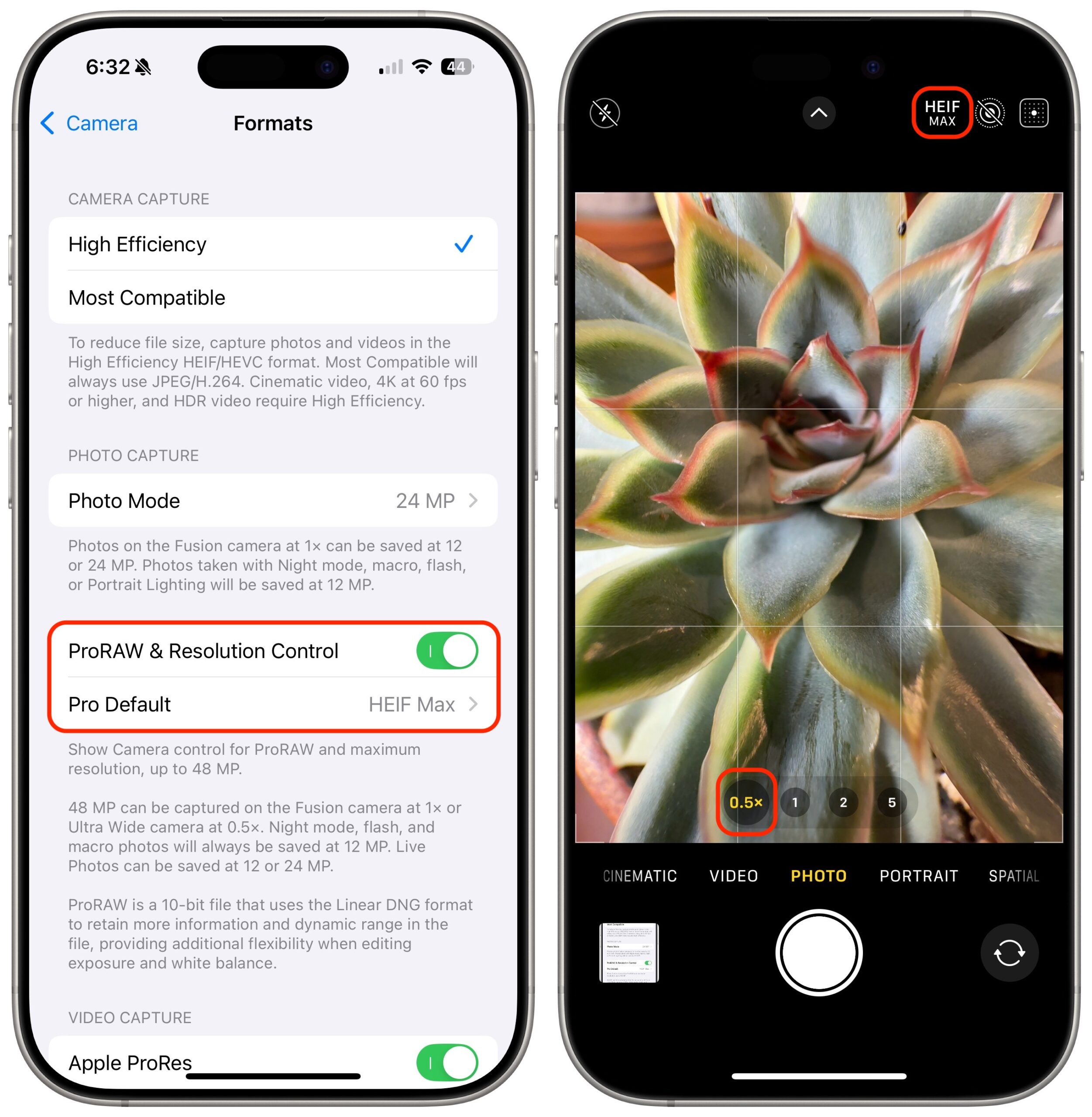
When More Megapixels Are Useful
More megapixels can be valuable when you need flexibility after taking the photograph. They give you more pixels to work with during editing.
High resolution is especially useful when:
- You crop subjects from the edge of the frame
- You create large prints
- You photograph fine textures
- You sell images for advertising
- You need to reframe horizontal images vertically
- You want to create multiple crops from one photograph
- You archive images for future uses
For example, a wildlife photographer may not fill the frame with a distant bird. A 60-megapixel file gives that photographer more cropping room than a 20-megapixel file.
This is one of the clearest reasons how many megapixels should a professional camera have depends on shooting distance. If you regularly crop heavily, more resolution can protect image quality.

When More Megapixels Can Hurt
High resolution is not always an advantage. More pixels often create larger files, and large files affect every part of a professional workflow.
Potential drawbacks include:
- More expensive memory cards
- Larger backup requirements
- Slower transfers
- Longer editing times
- Greater computer storage needs
- Reduced burst capacity
- More visible camera shake
- More visible lens flaws
High-resolution sensors can also reveal small focusing errors. A photo that looks sharp at a normal screen size may show softness when viewed at 100 percent.
This does not mean high-megapixel cameras are difficult to use. It means they reward good technique. You may need a faster shutter speed, a tripod, better focusing, and higher-quality lenses.

Megapixels Versus Sensor Size
Megapixels and sensor size are different specifications. Megapixels describe the number of pixels, while sensor size describes the physical area that collects light.
A full-frame sensor with 24 megapixels usually has larger individual pixels than a full-frame sensor with 60 megapixels. Larger pixels can help with low-light performance and cleaner high-ISO images, although modern sensor design has made this comparison more complex.
A larger sensor may also provide:
- Better control over depth of field
- More dynamic range
- Improved low-light results
- Greater lens selection
- Better control over background blur
Still, sensor size alone does not guarantee better photographs. Micro Four Thirds, APS-C, full-frame, and medium-format cameras can all produce professional work when used correctly.
When considering how many megapixels should a professional camera have, compare resolution with sensor size rather than looking at megapixels alone.

Megapixels Versus Dynamic Range and Low-Light Quality
Dynamic range describes how well a camera records bright highlights and dark shadows in the same image. This matters in scenes such as sunsets, weddings near windows, and outdoor portraits.
A camera with slightly fewer megapixels may produce a better result if it has stronger dynamic range and cleaner high-ISO performance. For example, a 24-megapixel image with rich shadow detail may be more useful than a noisy 60-megapixel image.
Low-light photographers should also consider:
- High-ISO noise
- Autofocus in dark conditions
- Sensor readout speed
- In-body image stabilization
- Lens aperture
- Shutter performance
This is why the answer to how many megapixels should a professional camera have must include the shooting environment. Resolution cannot replace good exposure, stable technique, or suitable lighting.

The Role of Lenses in High-Resolution Photography
A high-megapixel sensor needs a sharp lens to show its full potential. Older or lower-quality lenses may not resolve enough detail for a demanding high-resolution sensor.
You do not always need the most expensive lens. Look for a lens with strong sharpness, low chromatic aberration, good contrast, and reliable autofocus.
A useful professional setup may include:
- A sharp prime lens for portraits
- A fast zoom for weddings and events
- A macro lens for products and close-ups
- A wide-angle lens for architecture and interiors
- A telephoto lens for sports and wildlife
In practical testing, photographers often discover that improving the lens creates a larger visible change than adding another 10 megapixels. Focus accuracy and camera stability matter just as much.
How Much Storage Do High-Megapixel Photos Need?
A high-resolution RAW file may occupy anywhere from about 40 to more than 150 megabytes, depending on the camera, file type, compression, and bit depth.
A full professional shoot can quickly create hundreds of gigabytes of data. You need a storage plan before buying a high-resolution camera.
A sensible workflow includes:
- Use fast, reliable memory cards.
- Copy images to a computer after each shoot.
- Keep a second local backup.
- Store another backup in a separate location or cloud service.
- Format cards only after confirming that backups work.
- Keep original RAW files for important client work.
Storage costs are easy to ignore at first. They become obvious after several years of weddings, commercial assignments, or travel projects.
My Practical Lessons From Professional Camera Workflows
One lesson I often emphasize is that photographers rarely regret having a little extra resolution, but they frequently regret ignoring speed, focus, and file management.
A common mistake is choosing a camera based only on its megapixel number. The photographer then discovers that the files are too large, the computer struggles, and the camera feels slow during real assignments.
Another mistake is assuming that more pixels will fix poor technique. Camera shake, missed focus, weak light, and soft lenses remain visible in a 60-megapixel image. High resolution is more like a sharper mirror: it shows both your strengths and your errors.
For many working photographers, a 33- to 45-megapixel camera is a comfortable middle ground. It offers strong cropping power without the storage demands of some 60- or 100-megapixel systems.
How to Choose the Right Professional Camera Resolution
Use your current work, not marketing claims, to decide how many megapixels should a professional camera have.
Ask yourself these questions:
- What size do clients usually print?
- How often do I crop heavily?
- Do I photograph in low light?
- Do I shoot fast action?
- How much storage do I have?
- Can my computer edit large RAW files?
- Do I need fast bursts?
- Are my lenses sharp enough for high resolution?
- Will clients pay for extra detail?
- Do I need to deliver files quickly?
A practical choice may look like this:
- Choose 20 to 26 megapixels for events, journalism, travel, and low-light work.
- Choose 30 to 45 megapixels for general commercial work, portraits, weddings, and landscapes.
- Choose 50 to 65 megapixels for large prints, detailed landscapes, and studio work.
- Choose 80 megapixels or more for specialized product, fashion, reproduction, and advertising photography.
These are useful starting points, not strict rules. Camera design, sensor generation, lens quality, and workflow can change the final result.
Do Professionals Need 100 Megapixels?
Most professionals do not need 100 megapixels. That level of resolution is mainly helpful for controlled studio photography, product reproduction, fine art, and large commercial campaigns.
A 100-megapixel system can produce remarkable detail, but it may require a tripod, controlled lighting, careful focusing, powerful storage, and a fast editing computer.
For weddings, sports, news, and documentary work, the extra resolution may create more problems than benefits. A fast 24- or 45-megapixel camera can be a better business tool.
The best professional camera is the one that delivers the right files quickly and reliably. Resolution should support your workflow rather than control it.
Frequently Asked Questions About How Many Megapixels Should a Professional Camera Have
Is 24 megapixels enough for professional photography?
Yes, 24 megapixels is enough for many professional jobs, including weddings, portraits, events, journalism, and commercial web work. It also supports high-quality prints when you use the full frame and a sharp lens.
Is 45 megapixels too much for a professional camera?
No, 45 megapixels is a strong all-purpose choice for many professionals. It provides useful cropping and print flexibility without the extreme storage demands of some higher-resolution cameras.
Do more megapixels mean better image quality?
Not always. More megapixels can add detail, but lens quality, lighting, focus, sensor performance, dynamic range, and technique also affect image quality.
How many megapixels are needed for large prints?
For large prints, 36 to 60 megapixels can provide helpful flexibility, especially if you crop. The required resolution also depends on viewing distance because large wall prints are usually viewed from farther away.
Are high-megapixel cameras good for low-light photography?
They can be, but resolution is not the main factor in low-light performance. Compare high-ISO noise, dynamic range, stabilization, autofocus, and lens aperture before choosing a camera.
Should a wedding photographer buy a 60-megapixel camera?
A wedding photographer can use a 60-megapixel camera, but it is not essential. A 24- to 45-megapixel camera may offer a better balance of file size, burst speed, autofocus, and low-light performance.
How many megapixels should a professional camera have for YouTube and social media?
A 20- to 30-megapixel camera is more than enough for most online content. Video quality, autofocus, color, sound, lighting, and lens choice usually matter more than still-image resolution.
Conclusion
For most professionals, 24 to 45 megapixels is the ideal range. Choose 20 to 30 megapixels when speed, low-light performance, and small files matter most. Choose 45 to 60 megapixels when cropping, fine detail, or large prints are central to your work.
The best answer to how many megapixels should a professional camera have starts with your clients and your workflow. Study the images you already create, identify where you lose detail, and invest in the feature that solves that problem. Explore more camera guides, test a few systems in real shooting conditions, and share your experience in the comments.

Everett Ashford is a tech reviewer at mytechgrid.com specializing in SSDs, cameras, TVs, earbuds, headphones, and other consumer electronics. He provides honest, data-driven reviews based on hands-on testing and real-world performance analysis. Everett simplifies complex tech details to help readers make smart, confident buying decisions.