Noise-canceling earbuds can match headphones for daily use, but headphones usually win for comfort, sound, and stronger noise control.
Are noise cancelling earbuds as good as headphones? The honest answer depends on how you use them. Modern earbuds can block office noise, bus engines, and airplane hum with impressive skill. Still, over-ear headphones often offer larger sound, longer battery life, and better comfort for long listening sessions.
After comparing fit, active noise cancellation, sound quality, battery life, calls, travel use, and safety, this guide will help you choose the right option. You will also learn when earbuds are the smarter buy and when headphones are worth the extra size.

Are noise cancelling earbuds as good as headphones?
Noise-canceling earbuds and headphones use the same basic idea. Tiny microphones listen to outside sounds, then create an opposite sound wave to reduce them. This process is called active noise cancellation, or ANC.
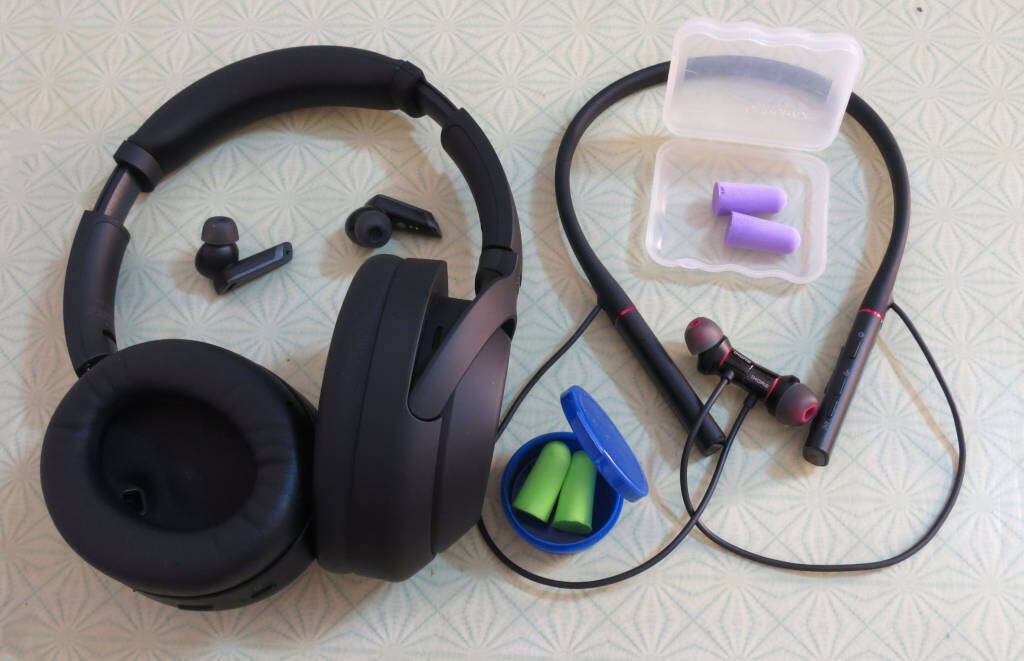
The biggest difference is physical. Earbuds sit inside or near the ear canal. Headphones surround the ear with larger ear cups. That larger seal gives over-ear headphones more space to block sound and often improves bass response.
For many people, the answer is simple:
• Earbuds are better for portability, workouts, calls, and daily travel.
• Headphones are better for long sessions, deep bass, comfort at home, and the strongest noise reduction.
The gap is not as wide as it once was. Premium earbuds from brands such as Apple, Bose, Sony, and Sennheiser can perform very well. However, performance still depends on fit, ear shape, software, battery level, and the type of noise around you.
The role of passive noise isolation
ANC is only part of the experience. Passive isolation comes from the physical barrier between your ears and the outside world.
Over-ear headphones cover the whole ear. Earbuds rely on small tips that must seal the ear canal. If the tips do not fit, noise can leak in and music can leak out. This is why one person may love a pair of earbuds while another finds them weak.
In practical terms, a good seal can matter as much as the ANC chip. Try different ear tips before judging a pair of earbuds. A loose fit can make even excellent noise cancellation seem poor.

Noise cancellation performance
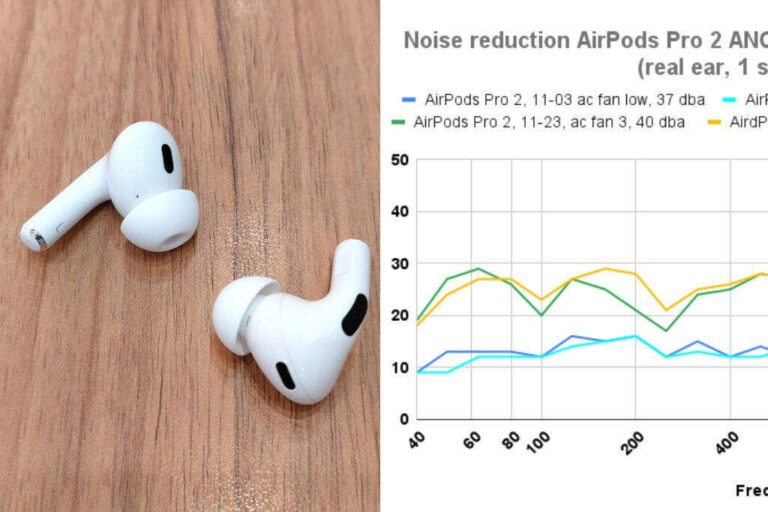
Noise cancellation works best on steady, low sounds. Think of an airplane engine, air conditioner, train rumble, or bus motor. These sounds are predictable, so the earbuds or headphones can counter them well.
Neither device is perfect at stopping sudden or complex sounds. Voices, clattering dishes, barking dogs, and children may still be heard. The microphones and ANC system can reduce these sounds, but they cannot erase them completely.
Earbuds versus headphones for common sounds
| Sound type | Noise-canceling earbuds | Noise-canceling headphones |
|---|---|---|
| Airplane engine | Very good with a tight seal | Usually excellent |
| Office hum | Very good | Excellent |
| Human voices | Reduced, but still noticeable | Reduced, but still noticeable |
| Keyboard clicks | Fair to good | Good |
| Traffic noise | Good, with some variation | Very good |
| Sudden loud sounds | Limited | Limited |
| Wind noise | Can be a problem | Often better, but not always |
In my comparisons, over-ear headphones usually create a quieter feeling. Earbuds can reduce the low rumble, but headphones add a larger physical barrier. That combination makes them feel more peaceful during long flights or busy commutes.
Still, premium earbuds may be the better choice in a coffee shop. They are less warm, easier to remove, and less noticeable. For short periods, their convenience can outweigh the small difference in ANC strength.

Sound quality and listening experience
Sound quality depends on more than driver size. Tuning, software, codec support, seal, and comfort all matter. A well-tuned earbud can sound clearer and more balanced than a cheap pair of headphones.
Headphones usually have larger drivers and more room to move air. This can create a wider soundstage, deeper bass, and a more open presentation. Music may feel less like it is inside your head.
Earbuds can still sound excellent. Their close position to the eardrum helps deliver clear detail with smaller drivers. Some models also use personalized hearing tests to adjust the sound profile.
When headphones sound better
Choose headphones if you care most about:
• Full, powerful bass
• A wide and natural soundstage
• Detailed music listening
• Movies and games
• Lossless audio or advanced wireless codecs
• A more relaxed sound at lower volume
When earbuds sound better
Choose earbuds if you prefer:
• Clear speech for podcasts and calls
• A small, direct sound
• Easy switching between devices
• A discreet design
• A secure fit for walking or light exercise
One lesson I have learned from testing audio products is that comfort changes how good sound seems. If headphones feel hot or heavy, you may remove them before the song ends. If earbuds hurt after 20 minutes, their excellent sound will not matter.

Comfort and fit
Comfort is one of the biggest reasons people ask, “Are noise cancelling earbuds as good as headphones?” The answer may change after two hours of use.
Earbuds are light and compact. They do not press on your glasses, and they are less likely to make your ears sweat. However, some people dislike the pressure inside the ear canal. Others may need to adjust the earbuds often.
Headphones avoid pressure inside the ear. Their ear cups can feel soft and comfortable, especially for home use. Yet they may become warm, heavy, or tight over time. Glasses can also weaken the seal and create pressure near the temples.
How to improve earbud comfort
• Test every included ear tip size.
• Twist the earbud gently into place instead of pushing hard.
• Clean the tips and speaker grilles often.
• Take short breaks during long listening sessions.
• Avoid wearing earbuds while sleeping unless the product is designed for it.
How to improve headphone comfort
• Choose breathable ear cushions.
• Check the clamp force before buying.
• Adjust the headband so the weight rests evenly.
• Replace worn ear pads when the seal becomes weak.
• Avoid very tight models if you wear glasses.
Fit is personal. If possible, buy from a store with a clear return policy. A short test can reveal comfort problems that product reviews cannot predict.
Battery life and charging
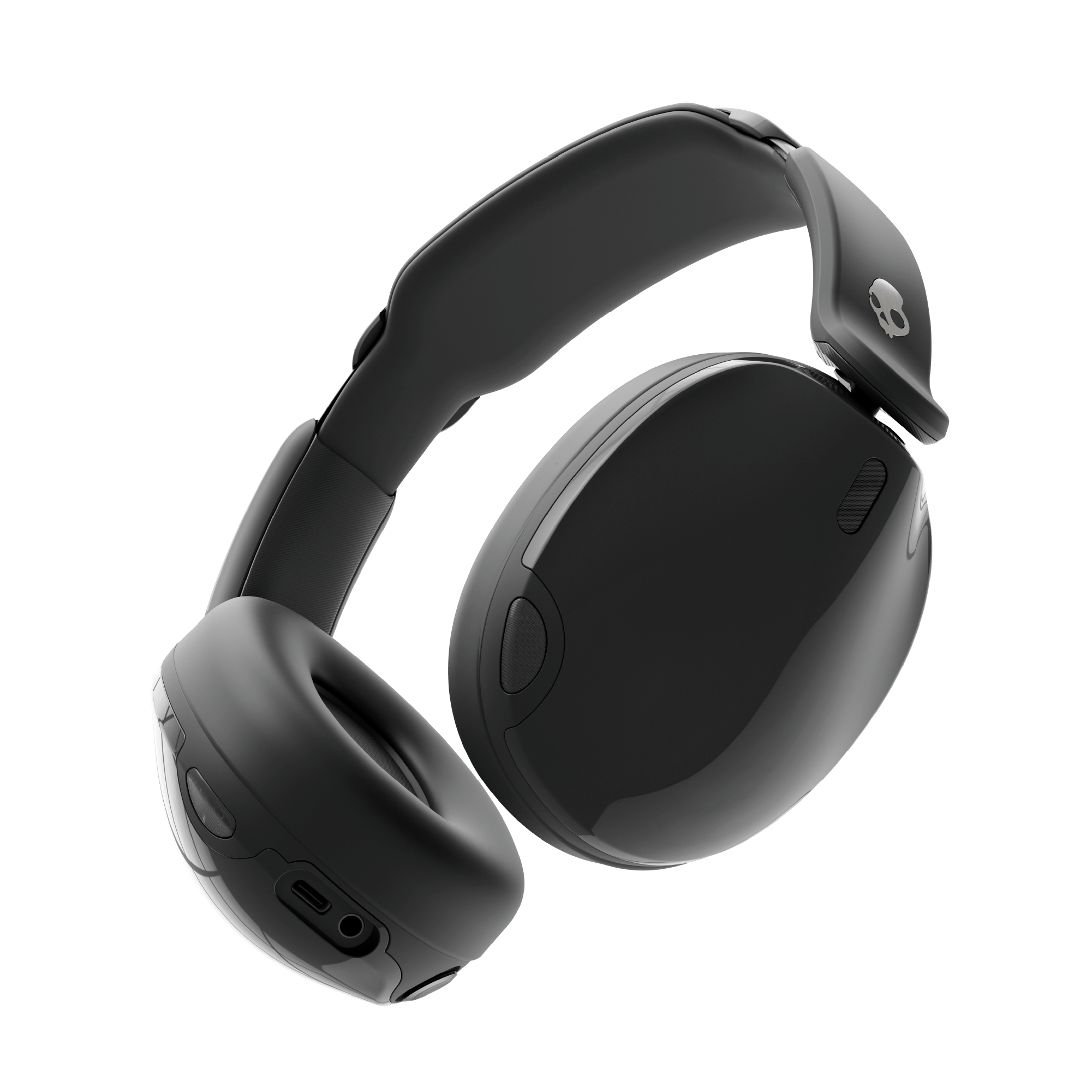
Headphones usually win on battery life. Many wireless over-ear models provide 20 to 40 hours of use with ANC enabled. Some last longer when noise cancellation is off.
Noise-canceling earbuds often provide around five to 10 hours per charge. Their charging case can add two or three extra charges. This makes the total battery life competitive, but the case is another item to carry and recharge.
Earbuds also create a small risk during travel. If the case is empty, both earbuds may become useless. Headphones are simpler because they have one larger battery.
Consider these real-world habits:
• Earbuds are convenient for short trips and daily errands.
• Headphones are better for long flights and workdays.
• A charging case helps earbuds recover quickly.
• USB-C charging is now common on both types.
• Battery life drops over time as lithium-ion cells age.
Manufacturers often measure battery life at a set volume with certain features disabled. ANC, high volume, calls, spatial audio, and multipoint connections can reduce the actual result. Treat the advertised number as a guide, not a promise.

Call quality and microphone performance
Earbuds often perform better for quick calls because their microphones sit close to your mouth. Many use several microphones and software that filters wind and background noise.
Headphones can also offer excellent call quality. Their larger microphones may capture a fuller voice, especially on models with a boom mic. However, built-in microphones on some over-ear headphones can sound distant in windy places.
For office calls, both types can work well. For outdoor calls, check microphone tests rather than relying on brand claims. ANC helps you hear the other person, but it does not always make your voice clearer to them.
A useful test is to record your voice in three conditions:
-
A quiet room
-
A busy street
-
A room with steady background noise
Listen for muffled words, sharp background sounds, and changes in volume. This test gives a better answer than looking only at the number of microphones.
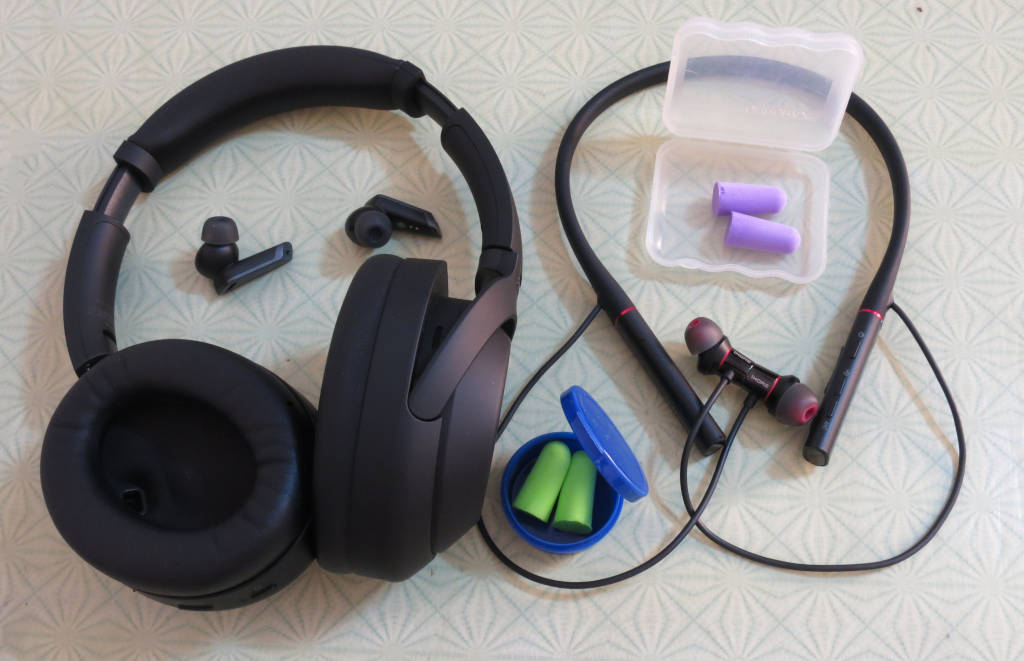
Earbuds versus headphones for travel
For air travel, over-ear headphones remain the safer choice for maximum quiet. Their larger ear cups and strong ANC can make engine noise less tiring. They also tend to stay comfortable during a long movie or flight.
Earbuds are easier to pack and use at airport security. They fit in a pocket and can be removed in seconds. They are also useful when you want to hear announcements or speak with a flight attendant.
A strong travel setup includes:
• Noise cancellation for engine rumble
• Transparency mode for announcements
• A comfortable fit for several hours
• A case or pouch for safe storage
• A wired option for in-flight entertainment systems
Do not rely on noise cancellation as hearing protection. ANC headphones and earbuds are consumer audio devices. They can reduce the sound you hear, but they are not a replacement for certified hearing protection in very loud areas.

Earbuds versus headphones for exercise
Earbuds are usually better for workouts. They are lighter, less warm, and easier to secure with wings or ear hooks. Many models also include water or sweat resistance.
Headphones can work for walking, lifting, or light gym sessions. They may become uncomfortable during running because of heat and movement. Sweat can also damage products that lack proper protection.
Before exercising with any wireless audio product, check its IP rating. An IPX4 rating generally means protection from splashes, while higher ratings offer more resistance. Water resistance does not always mean the device is safe for swimming.
Keep safety in mind. Transparency mode is useful near roads, bike paths, and busy public spaces. You should hear important environmental sounds when awareness matters more than immersion.

Durability, repair, and long-term value
Headphones often have a practical advantage because their ear pads and cables may be replaceable. A worn battery can still be a serious repair issue, but replaceable cushions can extend the product’s useful life.
Earbuds are harder to repair. Their small batteries are sealed inside tiny shells. Losing one earbud can also create a replacement cost that makes the product less attractive.
Look for:
• A strong warranty
• Replaceable ear pads on headphones
• Readily available replacement earbuds
• Clear water-resistance details
• Firmware support for several years
• A reliable charging case hinge
Do not buy based only on the highest feature count. Stable Bluetooth performance and a comfortable fit often matter more than a long list of special modes.
Price and value
Budget noise-canceling earbuds can offer useful ANC, but low prices often bring trade-offs. These may include weaker microphones, poor wind control, limited battery life, or a less secure fit.
Midrange products often provide the best value. They can include strong ANC, solid sound, multipoint Bluetooth, and dependable apps without the price of a flagship model.
Premium headphones justify their cost when you use them for many hours each week. Premium earbuds make more sense when you value portability and want one small device for travel, work, and exercise.
Before buying, rank these needs:
-
Comfort
-
Noise reduction
-
Sound quality
-
Call quality
-
Battery life
-
Portability
-
Repair and warranty support
This list helps prevent a common mistake: buying the most expensive product when a cheaper, better-fitting option would serve you more effectively.
How to choose between noise-canceling earbuds and headphones
Use this simple decision guide.
Choose noise-canceling earbuds if:
• You travel light.
• You exercise often.
• You make short calls throughout the day.
• You dislike hot ear cups.
• You need quick access to transparency mode.
• You want something small for a pocket or bag.
Choose noise-canceling headphones if:
• You work or study for long periods.
• You fly often.
• You want the strongest noise reduction.
• You enjoy deep bass and a wide soundstage.
• You prefer no pressure inside your ear canals.
• You want longer battery life.
If you are unsure, test comfort first. A good fit can improve ANC, bass, and voice clarity at the same time. Also check the return window, since comfort and seal are difficult to judge from photos.
How to use noise cancellation safely
Noise cancellation can make a commute more pleasant, but awareness still matters. Avoid using full ANC at high volume near traffic, cyclists, or public announcements.
The World Health Organization recommends keeping personal listening devices at a safe volume and taking breaks. A simple rule is to keep the volume low enough that you can still hear someone speaking nearby when the situation requires it.
Try these habits:
• Use transparency mode outdoors.
• Keep volume below the level that feels intense.
• Take a five-minute break each hour.
• Clean ear tips and ear cups regularly.
• Stop using the product if you feel pain, ringing, or pressure.
Noise cancellation itself does not damage hearing. Excessive volume and long exposure are the main concerns. If ringing or muffled hearing continues after listening, speak with a qualified health professional.
Frequently Asked Questions
Are noise-canceling earbuds as good as headphones on an airplane?
They can be very good, especially when they create a tight seal and use strong ANC. Over-ear headphones usually block more engine noise and stay comfortable for longer flights.
Do noise-canceling earbuds block voices?
They can reduce voices, but they rarely remove them completely. ANC works best against steady, low sounds, while speech is more complex and changes quickly.
Are headphones safer for your ears than earbuds?
Neither is automatically safer. Hearing risk depends mainly on volume and listening time, not whether the device is an earbud or a headphone.
Do noise-canceling earbuds sound as good as headphones?
High-end earbuds can sound excellent and may outperform inexpensive headphones. Still, quality headphones often provide deeper bass, a wider soundstage, and a more relaxed listening experience.
Which lasts longer, earbuds or headphones?
Headphones often last longer because they have larger batteries and replaceable ear pads. Earbuds may have a shorter service life because their batteries and internal parts are difficult to repair.
Are noise-canceling earbuds worth buying?
They are worth buying if you value portability, light weight, and convenient daily use. Choose headphones instead if maximum quiet, long comfort, and powerful sound matter most.
Conclusion
So, are noise cancelling earbuds as good as headphones? For commuting, exercise, calls, and everyday convenience, the best earbuds can come surprisingly close. For long listening, airplane travel, comfort, and the strongest noise reduction, over-ear headphones still have the edge.
Your best choice depends on fit, comfort, sound goals, and how you plan to use the device. Test the seal, review real battery results, check the return policy, and avoid paying for features you will not use. Explore more audio guides, compare trusted models, and share your listening experience in the comments.

Everett Ashford is a tech reviewer at mytechgrid.com specializing in SSDs, cameras, TVs, earbuds, headphones, and other consumer electronics. He provides honest, data-driven reviews based on hands-on testing and real-world performance analysis. Everett simplifies complex tech details to help readers make smart, confident buying decisions.