Noise-canceling earbuds use microphones and sound waves to reduce unwanted background noise.
If you have ever worn earbuds on a plane, train, or busy street, you may have wondered, “What does noise cancelling mean in earbuds?” The term describes a group of technologies that lower outside sound, making music, podcasts, and calls easier to hear.
Understanding how noise cancellation works helps you choose the right earbuds and use them safely. This guide explains active noise cancellation, passive noise isolation, transparency mode, sound quality, battery use, comfort, safety, and the limits of this popular feature.

What does noise cancelling mean in earbuds?
What does noise cancelling mean in earbuds? It means the earbuds reduce unwanted sounds around you. They may do this through the physical shape of the ear tips, electronic processing, or both.
Most modern models use active noise cancellation, often called ANC. Tiny microphones listen to outside noise. The earbuds then create a sound wave that is opposite to that noise. When the two waves meet, they reduce each other.
A simple way to picture ANC is to imagine two ripples moving across a pond. If one ripple rises while the other falls, the surface becomes calmer. Noise-canceling earbuds use this basic principle with sound waves.
Noise cancellation works best with steady, low sounds, such as:
• Airplane engine hum
• Bus and train noise
• Air conditioner rumble
• Office fans
• Road noise
It is usually less effective against sudden, high sounds, such as clapping, a barking dog, or a person speaking close to you.

How active noise cancellation works
Active noise cancellation depends on microphones, a processor, and tiny speakers inside the earbuds. Together, these parts measure outside sound and create an opposing signal.
Here is the basic process:
-
External microphones detect sound near your ears.
-
An internal chip analyzes the sound pattern.
-
The earbuds create an inverse sound wave.
-
The speaker plays that wave along with your music.
-
The outside noise becomes quieter at your eardrum.
This process happens very quickly. In well-designed earbuds, the delay is so small that you do not notice it.
Some earbuds use feedforward ANC. In this design, microphones sit on the outside of the earbuds and listen to sound before it reaches your ears.
Other models use feedback ANC. These earbuds place microphones inside the ear tip to measure the sound that actually reaches your ear.
Many premium models combine both systems. This is called hybrid ANC. Hybrid noise cancellation can provide stronger and more balanced results, but it may increase cost, power use, and processing demands.
Adaptive noise cancellation
Adaptive ANC changes its performance based on your surroundings. For example, it may use stronger cancellation on an airplane and gentler cancellation in a quiet room.
Some earbuds also adjust ANC when you move. They may detect wind, voices, or changes in background noise. This can make listening feel more natural, but the results depend on the brand’s software and microphone quality.

Noise cancellation vs. noise isolation
Noise cancellation and noise isolation are related, but they are not the same thing. This difference is important when comparing earbuds.
Noise isolation is passive. It comes from the ear tips and the physical seal inside your ear canal. A tight seal blocks some outside sound before it reaches your ears.
Noise cancellation is active. It uses electronics to reduce sound after microphones detect it.
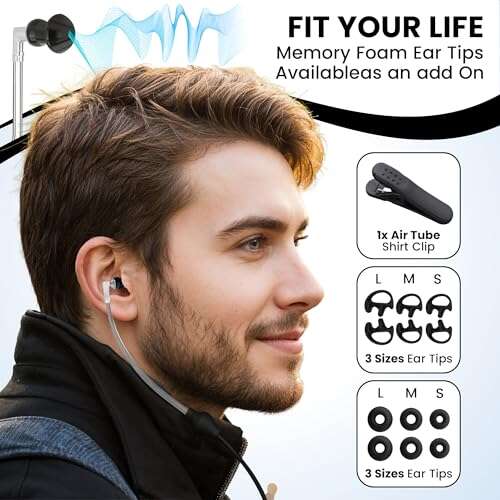
Earbuds with silicone or foam tips can provide strong passive isolation. Even without ANC, a good fit may reduce voices, traffic, and other background sounds.
The best earbuds often combine both methods:
• Passive isolation blocks sound physically.
• Active noise cancellation reduces remaining low-frequency noise.
• Good audio tuning keeps music clear at a lower volume.
Fit matters more than many shoppers expect. If the ear tip is too small, sound can leak around it. If it is too large, the earbuds may feel painful or create pressure.
Try different tip sizes before judging ANC performance. A poor seal can make excellent noise-canceling technology seem weak.
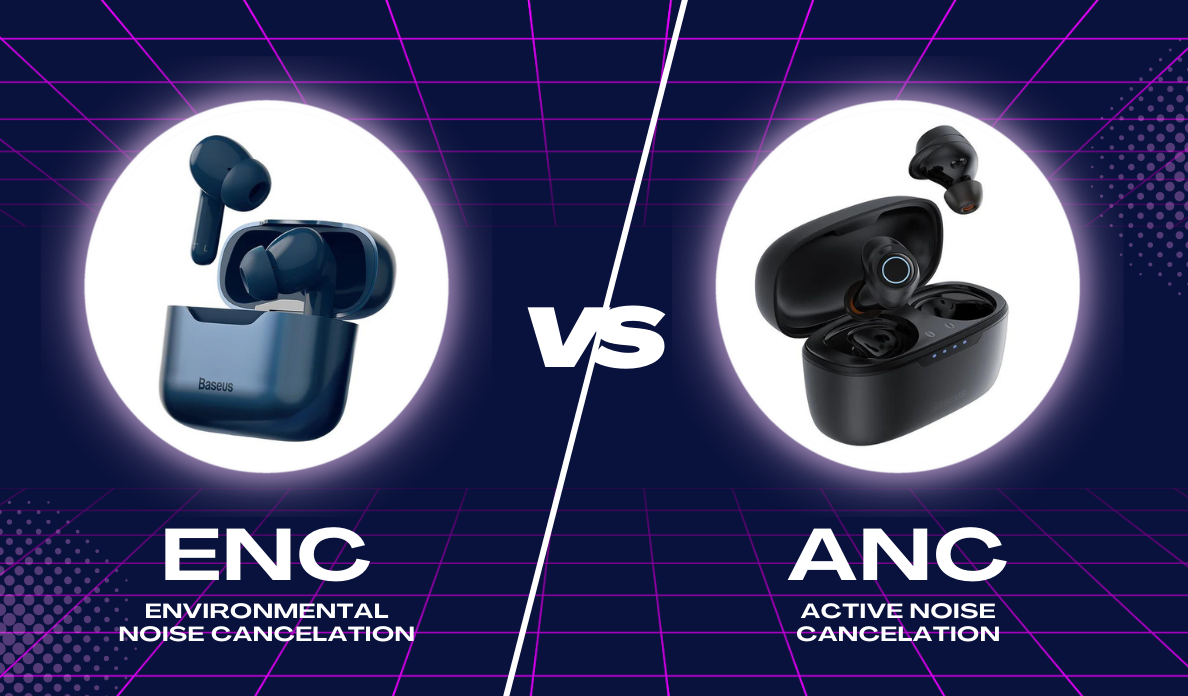
What is the difference between ANC, ENC, and passive isolation?
Earbud terms can be confusing because several technologies sound similar. ANC, ENC, and passive isolation serve different purposes.
ANC
ANC reduces outside sound for the person wearing the earbuds. It is most useful for travel, work, study, and daily commuting.
ENC
ENC usually means environmental noise cancellation. In many products, it focuses on improving the microphone signal during phone calls.
ENC helps the person on the other end hear your voice more clearly. It does not always make your surroundings quieter for you.
Passive isolation
Passive isolation comes from the physical design of the earbuds. Ear tips block sound without using microphones, software, or battery power.
Transparency mode
Transparency mode does the opposite of ANC. It uses external microphones to bring outside sounds into the earbuds. This lets you hear announcements, traffic, or nearby people without removing the earbuds.
Manufacturers may use different names for similar features. Always check whether a product describes noise reduction for listening, calling, or both.
What types of noise can noise-canceling earbuds reduce?
Noise-canceling earbuds are strongest against steady, repeating sounds. These sounds have patterns that the microphones and processor can identify.
They often reduce:
• Aircraft cabin noise
• Subway and train rumble
• Car and bus engine sounds
• Air conditioning
• Low background hum
They may reduce voices, but they rarely remove them completely. Speech changes quickly in pitch and volume. That makes it harder for the earbuds to create an accurate opposing wave.
ANC may also struggle with:
• Sudden shouting
• Door slams
• Hand claps
• Sharp alarms
• High-pitched beeps
• Wind hitting the microphones
Noise cancellation does not create silence. It lowers certain sounds so your desired audio becomes easier to hear. This distinction helps set realistic expectations.

Benefits of noise-canceling earbuds
When used correctly, noise-canceling earbuds can make listening more comfortable and convenient.
Better focus
Reducing background noise can help you focus in a shared office, library, or coffee shop. You may spend less effort trying to follow a podcast or video.
Lower listening volume
When the environment is loud, many people raise the volume to overpower outside sound. ANC may let you hear clearly at a lower level.
This matters because repeated exposure to loud sound can harm hearing. Hearing experts commonly advise keeping personal audio at a moderate level and taking regular breaks.
Clearer travel audio
Planes, trains, and buses create a constant low rumble. ANC can make music and spoken audio sound cleaner during a long trip.
Improved call quality
Some earbuds combine ANC for the listener with microphone noise reduction for calls. This can help in busy places, although performance varies with wind, traffic, and microphone design.
More comfortable listening
You may enjoy your content more when your ears are not fighting against background noise. This is especially helpful for long podcasts, audiobooks, and online classes.
Limitations and drawbacks of noise cancellation
Noise-canceling earbuds are useful, but they are not perfect. Understanding the limits can prevent disappointment.
They do not block every sound
ANC works best with predictable noise. It cannot guarantee complete silence, especially around speech and sudden sounds.
Wind can cause problems
Wind may hit the outside microphones and create a rushing sound. Some earbuds have wind reduction settings, but no model handles every outdoor condition well.
Battery power is required
Active noise cancellation uses microphones and digital processing. Turning ANC on may shorten battery life compared with passive listening.
Many earbuds still work when the battery is low, but ANC and transparency features may stop working.
Some people feel pressure
A small number of users experience a plugged-up feeling, pressure, dizziness, or discomfort with ANC. This does not always mean the earbuds are unsafe, but it is a reason to stop and take a break.
Sound may change
ANC can slightly affect the tone of music. Some earbuds sound warmer, thinner, or less open when noise cancellation is active.
High-quality models often correct this with software. Still, it is wise to test your preferred music before buying.
Price can be higher
Good ANC requires microphones, processors, software, and battery capacity. As a result, noise-canceling earbuds often cost more than basic wireless earbuds.
Does noise cancellation damage your hearing?
Noise cancellation itself does not damage hearing. It reduces outside sound through electronic processing, rather than exposing your ears to harmful noise.
The main risk is listening too loudly for too long. Some people turn up the volume because they want a stronger sound, even when ANC has already reduced the background noise.
Use these safer listening habits:
• Keep the volume at a comfortable level.
• Take breaks during long listening sessions.
• Avoid using maximum volume to cover traffic or construction noise.
• Use transparency mode near roads and in busy public areas.
• Stop using the earbuds if you notice pain, ringing, muffled hearing, or dizziness.
The World Health Organization promotes safe listening habits, including lower volume and regular breaks. If ringing or hearing changes continue after listening, speak with a qualified health professional.
How to use noise-canceling earbuds safely
Noise cancellation can make a busy world feel calmer, but awareness still matters. Blocking too much sound may reduce your ability to notice important warnings.
Use ANC carefully in these places:
• Near roads and bike lanes
• In parking lots
• On train platforms
• Around construction equipment
• While walking in unfamiliar areas
• During outdoor exercise
Transparency mode is often the better choice when you need environmental awareness. You can also use only one earbud, lower the volume, or pause audio when crossing a street.
Never rely on earbuds to block dangerous noise in industrial settings. Proper hearing protection, such as certified earmuffs or earplugs, is designed for that purpose.
How to choose the best noise-canceling earbuds
The strongest ANC is not always the best choice. Comfort, fit, call quality, battery life, and safety features also matter.
Consider these points before buying:
Ear tip fit
Look for several tip sizes. Foam tips may improve passive isolation, while silicone tips are often easier to clean.
ANC controls
Useful controls may include:
• Full noise cancellation
• Adjustable ANC strength
• Transparency mode
• Wind reduction
• Automatic environment detection
• Custom sound settings
Battery life
Check battery life with ANC turned on. A product may advertise a long total runtime that includes the charging case, not the earbuds alone.
Call quality
If you take calls often, look for multiple microphones and tested voice performance. ANC for music does not automatically mean excellent call quality.
Comfort
A lightweight earbud may be better for long sessions. Fit, pressure, and ear shape vary from person to person.
App support
A companion app may let you update firmware, adjust ANC, change controls, or run a hearing-based sound test. Make sure the app is compatible with your phone.
Water and dust resistance
For workouts or outdoor use, check the IP rating. Water resistance does not always mean the earbuds can handle swimming or heavy rain.
A simple way to test noise cancellation
You can test ANC at home before deciding whether it works well for you. Use the same audio and the same environment for a fair comparison.
-
Put in the earbuds and choose the correct ear tips.
-
Play a familiar song at a moderate volume.
-
Turn ANC off and notice the room noise.
-
Turn ANC on and compare the background sound.
-
Switch to transparency mode and check how natural outside sound feels.
-
Repeat the test with speech, a fan, and low music.
Do not use loud speakers or dangerous machinery for testing. A quiet fan, air conditioner, or recorded travel sound is enough.
Listen for changes in comfort as well as changes in noise. The best earbuds should reduce background sound without creating strong pressure or an artificial feeling.
Common problems and how to fix them
Even good earbuds may perform poorly when settings or fit are wrong.
ANC feels weak
Try a larger or smaller ear tip. Clean the microphone openings and check whether the app has an ANC strength setting.
Wind sounds loud
Use a wind reduction mode if available. Turning ANC down slightly may also reduce microphone noise during outdoor use.
Music sounds strange
Check the equalizer and compare ANC with transparency mode. A firmware update may improve sound balance.
One earbud cancels more noise
Reinsert both earbuds and check the seal. Uneven fit, blocked microphones, or different ear shapes can create an imbalance.
The earbuds feel uncomfortable
Try a different tip size, adjust the angle, or take a break. Do not force earbuds into your ears to create a tighter seal.
Battery life is too short
Lower ANC strength, disable automatic features, and keep the charging case topped up. Battery capacity naturally decreases over time.
In my recommended real-world test, I pay close attention to comfort after 30 minutes, not just the first few minutes. Many earbuds feel impressive at first but become tiring when the seal or weight is not right.
Does noise cancellation improve sound quality?
Noise cancellation can make audio seem clearer, but it does not automatically improve the original recording. It reduces background noise so your ears can focus on the music or speech.
For example, a quiet podcast may sound easier to follow on a train with ANC enabled. The recording itself has not changed. The listening environment has simply become less distracting.
Some earbuds also change their equalizer settings when ANC is active. This can affect bass, vocals, and treble. The effect may be helpful, neutral, or unpleasant depending on the design.
Good sound quality depends on more than ANC:
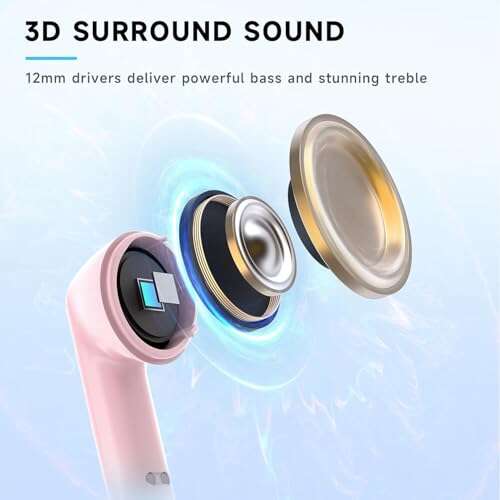
• Accurate speakers
• A secure ear seal
• Clean Bluetooth transmission
• Effective audio tuning
• A high-quality recording
• Comfortable volume levels
Noise cancellation is one part of the listening experience, not a replacement for good audio engineering.
Does ANC work without music playing?
Yes, active noise cancellation can work even when no music is playing. In that case, the earbuds reduce selected outside sounds without adding another audio track.
This can be useful when you want quiet during a flight, commute, or work session. Some earbuds may produce a faint hiss when ANC is active, especially in a silent room.
Battery use continues while ANC is turned on. If you do not need noise reduction, turning it off can extend battery life.
What does noise cancelling mean in earbuds for phone calls?
For phone calls, noise cancellation can refer to two different functions. ANC reduces background sound for you, while microphone noise reduction helps reduce background sound for the person listening to you.
A call system may use several microphones to separate your voice from wind, traffic, or nearby conversations. Software then filters some unwanted sound before sending your voice to the other person.
This feature is useful, but it has limits. Strong wind, loud machinery, and crowded rooms can still affect call quality.
Frequently asked questions about what does noise cancelling mean in earbuds
What does noise cancelling mean in earbuds?
It means the earbuds reduce outside sound so you can hear your audio more clearly. They may use passive ear-tip isolation, active electronic noise cancellation, or both.
Is noise cancellation the same as noise isolation?
No. Noise isolation blocks sound through the physical earbud seal, while active noise cancellation uses microphones and opposing sound waves. Many earbuds combine both methods.
Does noise cancellation block all background noise?
No. It works best with steady, low sounds such as engines and fans. Voices, sudden noises, wind, and high-pitched sounds may still be audible.
Is it safe to use noise-canceling earbuds?
Noise cancellation is generally safe when used at a moderate volume. Take breaks, stay aware near traffic, and stop listening if you notice ringing, pain, or muffled hearing.
Does ANC use more battery?
Yes. Active noise cancellation needs microphones and digital processing, so it usually uses more battery than passive listening. Battery life varies by model and settings.
Can noise-canceling earbuds help with studying?
Yes. They can reduce steady sounds in places such as libraries, offices, and coffee shops. Transparency mode is better when you need to hear people or announcements.
Why do noise-canceling earbuds feel like they create pressure?
Some users notice a plugged-up or pressure-like feeling when ANC is active. Try a different fit, lower the ANC level, or turn it off if the feeling causes discomfort.
Conclusion
What does noise cancelling mean in earbuds? It means using physical ear seals and, in many cases, electronic sound processing to reduce unwanted background noise. ANC works especially well with steady sounds such as engines, fans, and air conditioners, but it cannot create total silence.
The best experience comes from a proper fit, safe volume, realistic expectations, and smart use of transparency mode. Compare earbuds in a real setting, test comfort over time, and choose features that match your daily routine. Explore more audio guides, test your current earbuds carefully, and share your experience with noise cancellation in the comments.

Everett Ashford is a tech reviewer at mytechgrid.com specializing in SSDs, cameras, TVs, earbuds, headphones, and other consumer electronics. He provides honest, data-driven reviews based on hands-on testing and real-world performance analysis. Everett simplifies complex tech details to help readers make smart, confident buying decisions.