Canon does not usually buy every used camera directly for cash. In the United States, Canon may offer trade-in options through its official Canon USA store or a current program partner. These offers depend on the camera model, condition, demand, and program rules.
A Canon trade-in is usually different from a cash buyback. You may receive store credit, a discount, or an offer toward another purchase instead of money sent to you. If Canon’s current trade-in option does not accept your camera, you can still sell it through a used-camera dealer, marketplace, or local camera shop.
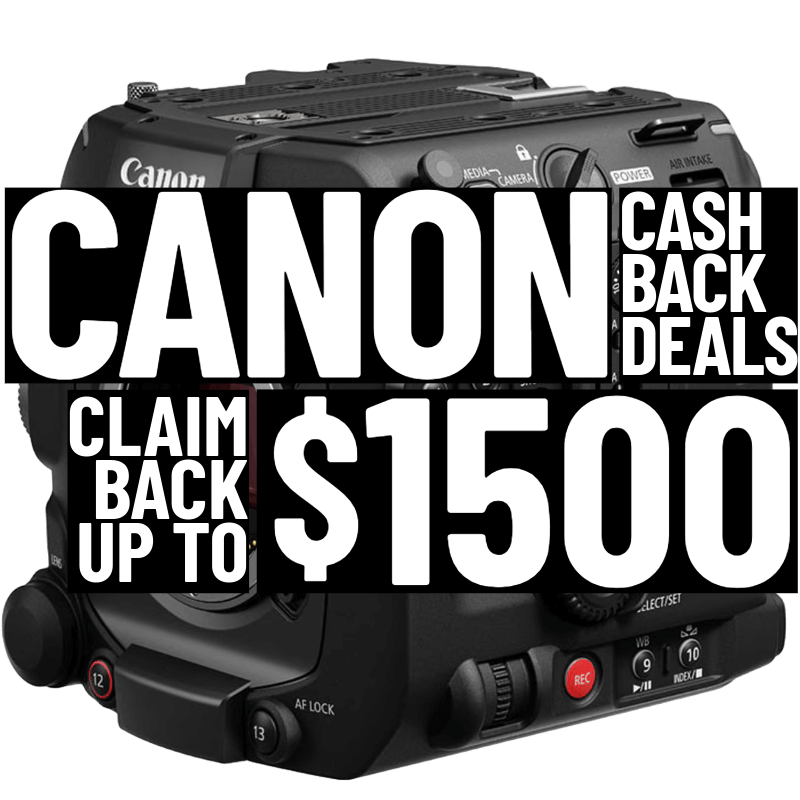
How Canon camera buybacks work in the United States
Canon’s U.S. trade-in process normally starts with an online quote. You enter details about your camera or lens, such as the model, condition, accessories, and working status. The program then estimates its value.
If you accept the offer, you may need to ship the equipment for inspection. The final value can change if the item does not match the description. A camera with heavy wear, sensor damage, fungus, missing parts, or a serious error may receive a lower offer or be rejected.
The key difference is the type of payment:
| Selling method | What you may receive | Best for |
|---|---|---|
| Canon trade-in | Store credit, discount, or program offer | Buying another Canon product |
| Used-camera dealer | Cash or payment after inspection | A simpler sale |
| Online marketplace | Potentially more money | Sellers willing to manage buyers |
| Local camera shop | Cash or store credit | A quick, in-person sale |
| Recycling program | No meaningful resale payment | Broken or unusable equipment |
Canon’s current terms can change. Before packing your camera, check the official Canon USA trade-in page and read the offer, shipping, inspection, and payment terms.

Does Canon buy cameras for cash?
Usually, you should not assume that Canon will send you cash for your camera. A Canon trade-in offer may be linked to a new purchase or issued as credit. The exact result depends on the active U.S. program and the equipment you submit.
A direct buyback and a trade-in are not the same:
- A buyback means a company purchases your camera and pays you.
- A trade-in means your camera reduces the cost of another product.
- A dealer sale means a used-gear company buys the camera for resale.
- A marketplace sale means you sell directly to another person.
Canon’s trade-in route may be convenient if you already plan to buy a Canon EOS camera, RF lens, EF lens, or accessory. However, convenience is not proof that it offers the highest value.
A dealer may offer more cash because it can resell the camera to another customer. A private sale may bring more money still, but it also requires photos, messages, payment checks, packing, and buyer support.

Which cameras and lenses may qualify?
Eligibility depends on the live program rules. A Canon offer may consider:
- Canon DSLR cameras
- Canon mirrorless cameras
- Canon compact cameras
- Canon RF, RF-S, EF, and EF-S lenses
- Other camera brands, if the program accepts them
- Cameras with or without original boxes
- Working equipment with normal cosmetic wear
Do not assume that every Canon product qualifies. Some programs exclude:
- Broken cameras
- Cameras with liquid damage
- Items with missing serial numbers
- Stolen or suspicious equipment
- Very old or low-value models
- Counterfeit products
- Items with severe fungus or corrosion
- Products outside the program’s accepted categories
A camera does not need to look new to have value. A few scratches may be normal. The major concern is whether the camera works and whether the condition matches your description.
For a lens, inspect the glass for haze, fungus, deep scratches, and separation. For a camera body, check the shutter, screen, buttons, card slot, battery door, autofocus, ports, and sensor.
How to check your Canon trade-in value
Follow these steps before you agree to an offer.
1. Find the exact model
Use the full model name. For example, “Canon EOS R6 Mark II” is not the same camera as the original EOS R6. A missing Mark number can lead to the wrong quote.
Find the model name on:
- The front or top of the camera
- The battery compartment
- The original receipt
- The camera menu
- The product box
- The Canon registration record
Write down the serial number, but do not post it publicly in a listing photo.
2. Check the working condition
Test the basic functions before you request a quote:
- Turn the camera on and off.
- Take several photos.
- Record a short video.
- Test autofocus and manual focus.
- Check the screen and viewfinder.
- Test the memory-card slot.
- Charge and test the battery.
- Inspect the lens mount and contacts.
- Check the USB, HDMI, and microphone ports if present.
Do not describe a camera as “fully working” if you have not tested its main functions.
3. Describe cosmetic wear honestly
Use clear terms such as:
- Like new
- Excellent
- Good
- Well used
- Damaged
- Not working
A small mark on the body is different from a cracked screen. A loose rubber grip is different from a camera that will not power on. Accurate details help prevent a revised offer after inspection.
4. Compare the offer
Search recent sold prices for the same model. Focus on completed sales, not only current asking prices. A seller may list a camera for $800, but that does not prove buyers are paying $800.
Compare:
- Canon’s trade-in value
- Dealer cash offers
- Dealer store credit
- Expected private-sale price
- Shipping and selling fees
- Your time and risk
A simple comparison can help:
Expected private-sale amount − fees − shipping − your time value = practical private-sale value
This is a hypothetical calculation, not a guaranteed result. The highest advertised price is not always the highest useful return.
Is Canon’s offer better than selling to a camera dealer?
Canon may be the easier choice when you want a new Canon product. A camera dealer may be better when you want cash or a broader choice of brands.
Use a Canon trade-in when:
- You want to upgrade soon.
- The offer applies to a product you already plan to buy.
- You value a simple process.
- You do not want to manage private buyers.
- The final credit is close to other offers.
Consider a used-camera dealer when:
- You want cash.
- You have several items to sell.
- You want a professional inspection.
- You prefer a prepaid shipping process.
- You do not want to negotiate with individuals.
Consider a private sale when:
- Your camera is popular and in good condition.
- You can create an accurate listing.
- You are comfortable handling payment and shipping.
- You want to pursue the highest possible price.
The trade-off is simple: speed and convenience often reduce the amount you receive. That is not unique to Canon. It is common across used electronics sales.

What should you do before sending a camera to Canon?
Protect your data and your equipment before shipping.
Remove personal data
Complete these tasks:
- Copy photos and videos to a computer or storage drive.
- Remove the memory card.
- Sign out of connected apps or cloud services.
- Remove saved Wi-Fi networks if the camera stores them.
- Restore the camera to its factory settings.
- Remove your name from custom copyright fields.
- Remove GPS or location data when possible.
- Keep the memory card unless the program specifically requests it.
The exact reset steps vary by model. Use the manual for your camera rather than guessing from another model.
Remove useful accessories
Check the offer terms before sending:
- Extra batteries
- Battery chargers
- Straps
- Eyecups
- Memory cards
- Lens caps
- Original boxes
- Manuals
Do not send valuable accessories unless they are included in the offer or clearly requested. A memory card may contain private photos. Keep it unless you have a specific reason to include it.
Photograph the equipment
Take clear photos of:
- The front
- The back
- The top and bottom
- The screen
- The lens glass
- The serial number
- Any damage
- The packed box
Keep the tracking number and shipping receipt. These records can help if the shipment is delayed or the condition is disputed.

What can reduce a Canon camera trade-in offer?
The most common cause is a difference between the stated condition and the condition found during inspection.
Factors that may reduce the value include:
- Visible dents or deep scratches
- A cracked LCD
- Dead pixels
- Shutter or autofocus problems
- Battery failure
- A damaged mount
- Faulty card slots
- Corrosion
- Fungus or haze in a lens
- Missing parts
- An unreadable serial number
- Signs of liquid damage
- Firmware or operational faults
Shutter count may also affect the value of a DSLR or mirrorless camera. It is not the only factor, but it can help buyers judge wear. If you know the shutter count, include it. Do not invent a number.
A low shutter count does not guarantee a high offer. Cosmetic condition, demand, model age, sensor condition, and included accessories can matter more.
Common mistakes to avoid
Assuming Canon accepts every camera
Canon’s program may have brand, model, condition, and location limits. Check the current terms before preparing a shipment.
Confusing trade-in credit with cash
Read the payment language carefully. “Value toward a purchase” may not mean that you can request a cash payout.
Sending a camera before accepting the final terms
Save the quote and review the inspection policy. Look for the rules on revised offers, rejected items, return shipping, and offer expiration.
Leaving personal data on the camera
A camera can store network details, location data, names, and image files. Reset it and remove the memory card.
Using an unsafe payment method in a private sale
For a marketplace sale, avoid unusual payment requests, overpayment schemes, gift cards, and links that ask you to sign in. Confirm that payment has cleared before shipping.
Underestimating fees
A private buyer may offer more than Canon, but listing fees, payment fees, shipping, insurance, returns, and your time reduce the difference.
What if Canon does not accept your camera?
You still have several options.
A reputable used-camera dealer may accept the camera even when Canon’s program does not. Dealers often grade equipment and explain why an item was rejected. A local shop can also inspect the camera in person.
For a private sale, include:
- The exact model
- A clear condition description
- Shutter count, if known
- Battery and charger details
- Sample photos of wear
- Any known faults
- A fair price based on sold listings
If the camera is broken or has little resale value, look for an electronics recycling option. Recycling is not the same as selling. Do not expect payment unless the service clearly states that it buys damaged equipment.
If the camera may contain sensitive images or account information and it cannot power on, ask Canon support or a qualified repair shop about safe data removal before recycling it.
Canon trade-in decision guide
| Your main goal | Usually the best first option |
|---|---|
| Buy a new Canon camera now | Check Canon USA trade-in terms |
| Receive cash with little effort | Request a dealer quote |
| Get the highest possible return | Compare several channels and consider a private sale |
| Sell damaged equipment | Ask a dealer that accepts faulty gear |
| Dispose of worthless equipment | Use a certified electronics recycling service |
| Sell several lenses and bodies | Request a bundled dealer quote, then compare each item |
The best option depends on the gap between offers. If a private sale would bring only a little more after fees and effort, a trade-in may be sensible. If the difference is large, selling separately may be worth the extra work.
Frequently asked questions
Does Canon buy old cameras?
Canon may accept some old cameras through an active U.S. trade-in program, but it does not mean every old camera has a cash value. Eligibility and payment type depend on the current program terms.
Can I trade in a non-Canon camera?
Some trade-in programs accept equipment from other brands, while others focus on selected products. Enter the exact model into the current Canon USA tool or contact Canon before shipping it.
Can I trade in a Canon lens?
Possibly. Canon trade-in programs may accept selected lenses, but the lens must meet the program’s brand, condition, and model requirements. Inspect the glass and test autofocus before requesting a quote.
Does Canon pay for broken cameras?
Do not assume it does. A broken camera may receive a reduced offer or be rejected. A used-gear dealer, repair shop, or electronics recycler may be a better fit.
How can I get the most money for my Canon camera?
Compare Canon’s trade-in value with at least one dealer quote and recent completed private sales. Private sales may bring more, but they require more work and carry more payment and shipping risk.
Final answer: does Canon buy back cameras?
Canon may accept eligible cameras through a U.S. trade-in program, but Canon is not a universal cash buyback service. The offer may be store credit, a discount, or another purchase-related benefit. The rules, accepted models, and payment method can change.
Start with the official Canon USA trade-in page. Then compare the result with a reputable used-camera dealer and recent sold listings. Before sending anything, back up your files, remove the memory card, reset the camera, document its condition, and keep your shipping records.

Everett Ashford is a tech reviewer at mytechgrid.com specializing in SSDs, cameras, TVs, earbuds, headphones, and other consumer electronics. He provides honest, data-driven reviews based on hands-on testing and real-world performance analysis. Everett simplifies complex tech details to help readers make smart, confident buying decisions.