Look for a large sensor, useful lens, fast autofocus, image stabilization, and controls that fit your daily shooting needs.
Choosing a compact camera is about more than finding the smallest body or the highest megapixel count. The best choice balances image quality, lens range, speed, battery life, ease of use, and the way you really take photos. After comparing camera designs, sensor sizes, lens types, and real-world features, this guide explains what to look for in a compact camera without getting lost in marketing terms.
Start With Your Main Reason for Buying
The first step in deciding what to look for in a compact camera is to define how you will use it. A camera for travel may need a flexible zoom and strong battery life. A camera for street photography may need a small body, quiet operation, and quick controls.
Think about the moments you want to capture:
• Travel and vacations: Choose a versatile zoom, good low-light quality, and reliable battery life.
• Family photos: Look for fast autofocus, face detection, and simple controls.
• Street photography: Prioritize a small body, a bright lens, and quiet shooting.
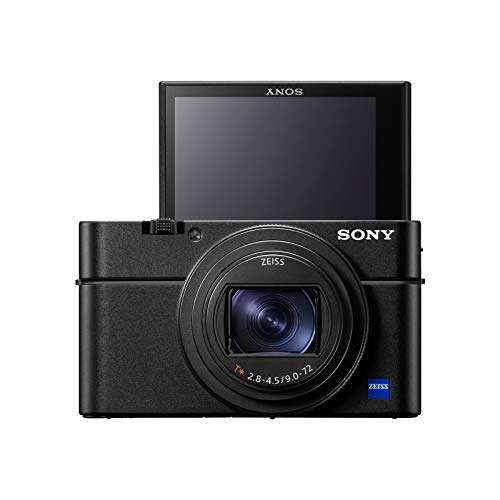
• Vlogging: Look for a microphone input, a fully articulating screen, and strong video autofocus.
• Wildlife or sports: Choose a longer zoom, fast burst shooting, and responsive autofocus.
• Everyday carry: Choose a camera that is light enough to bring with you every day.
A camera that stays at home because it feels too large has little value. In practice, the best compact camera is often the one you are willing to carry when your phone is not enough.
Sensor Size and Image Quality
Sensor size is one of the most important factors in what to look for in a compact camera. The sensor collects light, so a larger sensor usually produces cleaner images, better detail, and a wider range of tones.
Common sensor sizes include:
• 1/2.3-inch: Very small and common in basic point-and-shoot cameras.
• 1-inch: A strong choice for travel and daily photography.
• Micro Four Thirds: Larger than a 1-inch sensor, with good image quality and lens options.
• APS-C: Often found in premium compact cameras, with excellent detail and low-light performance.
• Full frame: Rare in true compact cameras, but it offers the strongest image quality and background blur.
A larger sensor does not guarantee better photos in every situation. Lens quality, autofocus, image processing, and the photographer’s skill also matter. Still, sensor size gives you a useful starting point.
A 1-inch sensor is often the sweet spot for travelers. It can produce much better results than a basic phone or small-sensor camera while keeping the body and lens fairly compact. APS-C models can offer even better quality, but their lenses may add size and cost.
Megapixels also deserve a closer look. Around 20 megapixels is enough for most users, including large prints and online sharing. More megapixels can help with cropping, but they may also create larger files and do not replace good light or a sharp lens.

Lens Range, Aperture, and Zoom
The built-in lens is central to what to look for in a compact camera. Since many compact cameras do not accept interchangeable lenses, the lens you choose at the start will shape every photo you take.
A zoom lens gives you flexibility. A wide setting works well for landscapes, rooms, buildings, and group photos. A telephoto setting helps you frame distant subjects, portraits, and details.
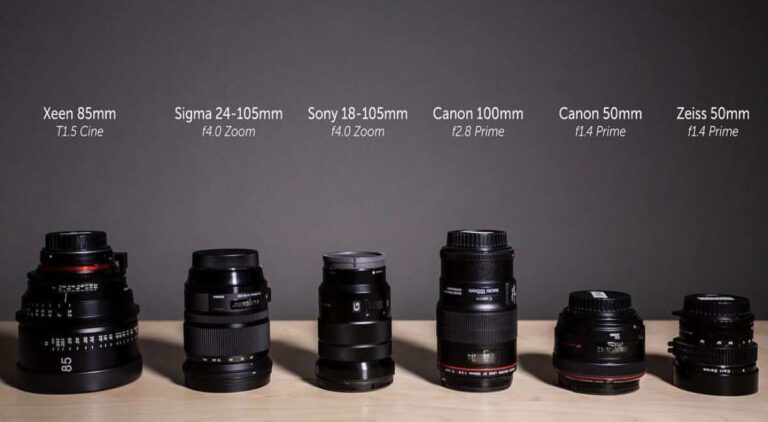
Pay attention to the lens range. A camera with a 24–200mm equivalent lens can cover many travel needs. A model with a 24–70mm equivalent lens may offer better low-light performance and sharper results, but it will not reach as far.
The aperture is just as important as the zoom range. Aperture describes how much light the lens can let in. A lower f-number, such as f/1.8, means a wider opening.
A wide aperture can provide:
• Better photos in dim rooms and evening streets.
• Faster shutter speeds for moving people.
• Softer backgrounds in portraits.
• More control over the look of an image.
Long zoom lenses often become slower as you zoom in. For example, a lens may offer f/1.8 at its wide end but only f/4.9 at its longest setting. That is not automatically bad, but it means you may need more light or a higher ISO setting.
One common mistake is choosing a camera only because it has a huge zoom. A long zoom sounds impressive, but it may produce soft images, require bright light, and make the camera harder to hold steady. Choose a zoom range that matches your real subjects.
Autofocus and Shooting Speed
Fast autofocus should be high on your list of what to look for in a compact camera. A beautiful camera is frustrating if it focuses too slowly to capture a child, pet, or moving subject.
Modern compact cameras may include:
• Face and eye detection.
• Animal eye detection.
• Subject tracking.
• Touch focus.
• Continuous autofocus for video.
• Burst shooting for action.
For people photos, face and eye detection can save time. The camera identifies the subject and keeps focus near the eye. This is useful at family events, on trips, and during candid moments.
For sports or wildlife, look beyond the maximum burst rate. A camera may advertise 20 frames per second, but the speed may drop when using autofocus, a mechanical shutter, or certain file types. Check how long the camera can maintain that speed and whether the viewfinder stays usable during the burst.
Autofocus performance also depends on light. A camera that focuses quickly outdoors may slow down in a dark restaurant. Reviews that test autofocus in low light and moving scenes are more useful than simple feature lists.
From hands-on camera testing, one lesson stands out: dependable autofocus is more valuable than a dramatic burst number you rarely use. A camera that gets eight good frames is often better than one that captures 20 blurry ones.
Image Stabilization for Sharp Photos
Image stabilization is another key part of what to look for in a compact camera. Stabilization reduces the effect of hand movement, especially when you shoot at slow shutter speeds or use a long zoom.
There are two main types:
• Optical image stabilization: The lens or sensor moves to counter small hand movements.
• Electronic stabilization: The camera uses software and sensor cropping to smooth movement, mainly in video.
Optical or sensor-based stabilization is helpful for still photos in low light. It does not freeze a moving person, however. If your subject moves, you still need a faster shutter speed.
For video, electronic stabilization can make walking footage smoother. The trade-off is that it may crop the image or reduce detail. Some cameras combine optical and electronic systems for stronger results.
When comparing compact cameras, look for real examples taken at slow shutter speeds. Specifications can tell you how many stops of stabilization a company claims, but real-world performance depends on the photographer, lens, and subject.
Video Features and Vlogging Tools
If video matters, include video performance in your answer to what to look for in a compact camera. Many small cameras now record 4K video, but resolution is only one part of the experience.
Check these features:
• 4K recording at a useful frame rate.
• Reliable autofocus during video.
• A microphone input.
• A headphone jack for monitoring sound.
• A screen that flips forward or rotates.
• Good heat control for longer recordings.
• USB charging and power delivery.
Sound quality is often more important than a small increase in resolution. A camera with a microphone input lets you use an external microphone, which can make speech clearer in noisy places.
A forward-facing screen helps when you record yourself. A fully articulating screen is often more useful than a screen that only tilts because it can face forward, sideways, or downward.
Some compact cameras overheat during long 4K recordings. If you plan to film interviews, lessons, or long travel clips, read tests that measure recording times. A camera that stops after a short clip may not suit your work.

Viewfinder, Screen, and Camera Controls
The way a camera feels in your hands is a major part of what to look for in a compact camera. Good controls help you react quickly and make photography more enjoyable.
A built-in electronic viewfinder can be useful in bright sunlight. It also gives you a steadier shooting position because you can hold the camera against your face. A screen is more convenient for low-angle shots, selfies, and casual framing.
Look for controls such as:
• A physical exposure compensation dial.
• A control ring around the lens.
• Custom buttons.
• A responsive touchscreen.
• A clear mode dial.
• A comfortable grip.
Physical controls are helpful because they let you change settings without opening a menu. A control ring can adjust aperture, zoom, ISO, or manual focus, depending on the camera.
Menus matter, too. Two cameras can have similar specifications but feel very different in use. Try a camera in a store if possible. Check whether your thumb reaches the buttons, whether the grip feels secure, and whether the screen is easy to see.
A small camera should not feel like a toy. Compact size is useful, but cramped controls can slow you down and cause missed photos.
Battery Life, Storage, and Connectivity
Battery life is easy to overlook when thinking about what to look for in a compact camera. Yet a weak battery can end a day of photography before the best moment arrives.
Battery performance depends on the screen, viewfinder, flash, wireless features, temperature, and video use. Manufacturer ratings are measured under set conditions, so real use may produce lower numbers.
Consider buying an extra battery if you travel often. USB charging is also useful because you can recharge from a laptop, car adapter, or power bank.
Storage is another practical concern. Many cameras use SD cards, though some high-speed models need faster card types for 4K video or long bursts. Use a card with enough capacity and a suitable speed rating.
Wireless features may include:
• Wi-Fi photo transfer.
• Bluetooth connection.
• Remote camera control.
• Automatic phone backup.
• Location data through a smartphone.
Wireless transfer is convenient, but it can use battery power. Turn it off when you do not need it. Also, keep a card reader or cable available for large video files.

Build Quality, Weather Resistance, and Portability
Portability is one of the main reasons people search for what to look for in a compact camera. A small body can fit in a jacket pocket or small bag, but small does not always mean fragile.
Check the materials and construction. Metal bodies often feel more solid, while high-quality plastic can reduce weight and still provide good durability. A textured grip can make the camera safer to hold.
Weather resistance can protect against light rain, dust, and splashes. It does not always mean the camera is waterproof. Read the manufacturer’s conditions carefully, and remember that a weather-sealed camera may require a matching sealed lens or accessory.
For travel, think about the full system:
• Camera body.
• Lens or lens cover.
• Spare battery.
• Memory card.
• Charger or USB cable.
• Small protective case.
A camera may look compact in a product photo but become bulky with a grip, external microphone, or large lens hood. Measure the full setup before buying if pocket storage matters.
RAW Files, JPEGs, and Editing Needs
File format is an important but often ignored part of what to look for in a compact camera. JPEG files are processed in the camera and ready to share. RAW files keep more original image data for later editing.
RAW files can help you recover detail in bright skies and dark shadows. They also allow more control over white balance, color, and exposure. The trade-off is larger files and the need for editing software.
JPEG is often the better choice when you want simple sharing. Many cameras produce attractive JPEG colors, and modern image processors can reduce noise and improve detail.
Some cameras offer both RAW and JPEG at the same time. This is useful when you want a ready-to-share file and an editable file. It does require more storage space.
Before choosing a RAW workflow, check whether your preferred editing app supports the camera’s files. New camera models may not work immediately with every program.
Price, Value, and Long-Term Cost
Budget should guide what to look for in a compact camera, but the cheapest model is not always the best value. Think about the features you will use and the costs that come after the initial purchase.
The total cost may include:
• Extra batteries.
• Memory cards.
• A case or small bag.
• A grip or external microphone.
• Editing software.
• Extended protection.
A premium compact camera may cost more because it has a larger sensor, brighter lens, stronger build, and better controls. Those features can be worth the price if you shoot often.
An inexpensive camera may be a good choice for children, simple family use, or situations where damage is possible. It may not be the best choice for low light, action, or serious video.
Avoid paying for features you will not use. For example, a very long zoom is not useful if you mostly photograph people indoors. A high burst rate does not matter much if you mainly shoot landscapes.
Compact Camera Mistakes to Avoid
Knowing what to look for in a compact camera also means knowing what to ignore. Marketing can make small differences sound like major advantages.
Avoid these common mistakes:
• Choosing megapixels over sensor and lens quality.
• Buying the longest zoom without checking low-light performance.
• Ignoring the camera’s size with the lens extended.
• Assuming 4K video guarantees good video quality.
• Forgetting to check microphone and headphone support.
• Buying without testing the grip and controls.
• Trusting a burst rate without checking autofocus performance.
• Ignoring battery life and replacement battery prices.
• Assuming weather resistance means waterproofing.
• Failing to confirm RAW support if you plan to edit photos.
A camera specification sheet is only the beginning. Real reviews, sample images, and user experience reveal how a camera behaves outside a showroom.
A Simple Compact Camera Buying Checklist
Use this checklist when comparing models. It turns what to look for in a compact camera into clear buying steps.
-
Set your budget, including batteries, cards, and accessories.
-
Choose the sensor size that fits your image quality needs.
-
Select a lens range that matches your subjects.
-
Check the lens aperture, especially if you shoot indoors.
-
Test autofocus with people, pets, or moving subjects.
-
Look for optical or sensor-based stabilization.
-
Review video features if you plan to record clips.
-
Check the viewfinder, screen, grip, and physical controls.
-
Confirm battery life, charging options, and storage support.
-
Read independent reviews with sample photos and video tests.
-
Hold the camera if possible before you buy it.
-
Choose the model you will actually carry and use.
This process is more reliable than choosing the camera with the longest feature list. Your best camera should fit your hands, your habits, and your subjects.
Frequently Asked Questions About What to Look for in a Compact Camera
What is the most important feature in a compact camera?
The most important feature depends on your use, but sensor size, lens quality, and autofocus usually have the greatest effect on results. Choose a camera that matches your subjects rather than chasing one impressive specification.
Is a 1-inch sensor good for a compact camera?
Yes. A 1-inch sensor offers a strong balance of image quality, low-light performance, and small size. It is often a good choice for travel, family photos, and everyday photography.
Are compact cameras better than smartphones?
Compact cameras can offer better zoom, larger sensors, physical controls, and improved handling. Smartphones remain more convenient and often use advanced software, so the better choice depends on whether you value control and lens reach over convenience.
How much zoom do I need in a compact camera?
A 24–70mm equivalent range works well for people, travel, and everyday scenes. A 24–200mm range gives you more flexibility for distant subjects, but long zooms may have narrower apertures and need more light.
Do I need a viewfinder on a compact camera?
You do not need one, but a viewfinder can help in bright sunlight and provide a steadier shooting position. If you mostly shoot indoors or use low angles, a high-quality screen may matter more.
Is image stabilization necessary in a compact camera?
Image stabilization is very useful for handheld photos in low light and for smoother video. It cannot stop a moving subject, so you still need a fast shutter speed for people, pets, and sports.
Should I buy a compact camera that records 4K?
Buy 4K if you want detailed video, plan to crop footage, or want flexibility for future editing. Also check autofocus, audio inputs, heat limits, stabilization, and battery life because resolution alone does not determine video quality.
Conclusion
The best way to understand what to look for in a compact camera is to focus on real use. Start with your subjects, then compare sensor size, lens range, aperture, autofocus, stabilization, video tools, controls, battery life, and build quality.
A balanced camera will serve you better than one built around a single headline feature. Choose a model that feels comfortable, fits your budget, and is small enough to carry often. Use this guide as your checklist, compare real sample images, and explore more camera resources before making your final choice.

Everett Ashford is a tech reviewer at mytechgrid.com specializing in SSDs, cameras, TVs, earbuds, headphones, and other consumer electronics. He provides honest, data-driven reviews based on hands-on testing and real-world performance analysis. Everett simplifies complex tech details to help readers make smart, confident buying decisions.