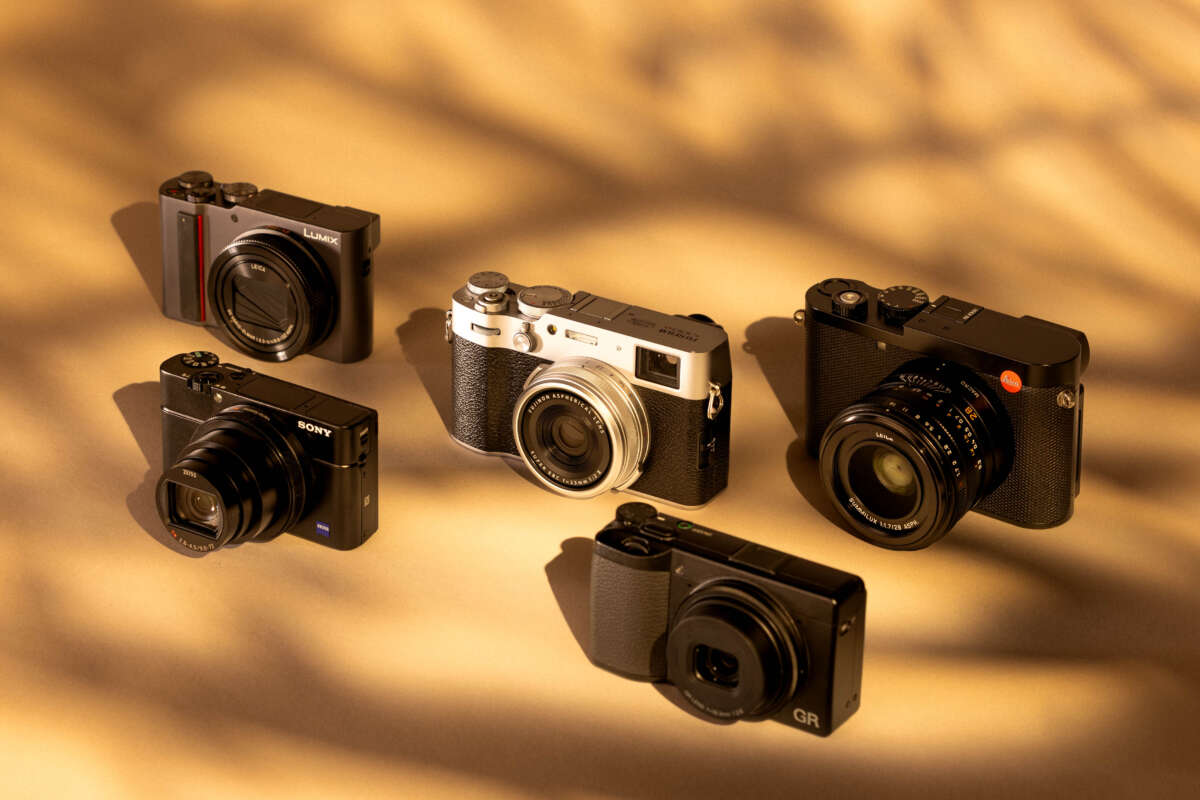
The Sony RX100 VII is the best compact camera for most people because it combines strong image quality, speed, and a pocket-size design.
Choosing what is the best compact camera depends on how you shoot. A travel photographer may want a long zoom, while a street photographer may prefer a fast fixed lens and a simple body. After comparing sensor size, lens range, autofocus, video tools, battery life, and real-world handling, this guide will help you find the right compact camera for your needs.
What Is the Best Compact Camera Overall?
For most buyers, the Sony Cyber-shot RX100 VII is the best compact camera overall. It has a 1-inch, 20.1-megapixel sensor, a versatile 24–200mm equivalent zoom lens, fast autofocus, and a truly pocketable body.
The RX100 VII is not the newest camera in every category, but it remains one of the most complete small cameras available. It can handle family trips, street scenes, wildlife at a distance, indoor photos, and high-quality 4K video without needing extra lenses.
Here is why it stands out:
• Excellent autofocus for people, animals, and moving subjects
• Long 8.3x optical zoom
• Built-in electronic viewfinder
• 4K video with strong detail
• Small body that fits in a jacket pocket
• Tilting screen for low and high shooting angles
• Large 1-inch sensor compared with most basic point-and-shoot cameras
The main drawback is its price. The controls are also small, and the lens is not as bright as the fixed lenses found on some premium compact cameras. Still, if you want one camera for many situations, the RX100 VII is a very safe choice.

Best Compact Cameras at a Glance
The best compact camera for you may not be the best compact camera for another photographer. Your choice should match your style, budget, and subject.
| Camera | Best for | Main strength | Main limitation |
|---|---|---|---|
| Sony RX100 VII | Travel and all-around use | Long zoom and fast autofocus | High price and small controls |
| Ricoh GR IIIx | Street photography | Sharp 40mm equivalent lens | No built-in viewfinder |
| Fujifilm X100VI | Enthusiasts and creative work | Excellent image quality and controls | Larger, expensive, and hard to find |
| Canon PowerShot G7 X Mark III | Vlogging and casual travel | Bright lens and simple operation | Autofocus is weaker than Sony’s |
| OM System Tough TG-7 | Outdoor and underwater use | Waterproof and shockproof body | Smaller sensor |
| Panasonic Lumix LX100 II | Manual control fans | Large sensor and physical controls | Older autofocus and limited availability |
This list includes cameras with different designs. Some use a zoom lens, while others use a fixed focal length. Some fit in a pocket, while models such as the Fujifilm X100VI are better described as small enthusiast cameras.

Why the Sony RX100 VII Is the Best Compact Camera for Most People
The RX100 VII uses a 1-inch sensor. This sensor is much larger than the sensors in most smartphones and inexpensive point-and-shoot cameras. It can capture cleaner images in low light and create more natural background blur.
Its 24–200mm equivalent lens is another major benefit. At 24mm, you can photograph buildings, landscapes, and groups. At 200mm, you can frame distant details, pets, sports, or wildlife. That range makes the camera feel like several lenses in one small body.
The autofocus system is also a major strength. Sony uses phase-detection autofocus points across much of the frame. In everyday use, this helps the camera lock onto faces and moving subjects quickly.
The camera also records 4K video and includes a microphone input. That makes it useful for travel clips, interviews, and casual video work. The small body can become warm during long recordings, and the battery is not large, so carrying a spare is wise.
A practical lesson from compact camera use is that reach often matters more than people expect. A fixed lens may produce sharper images, but a zoom can help you capture the moment instead of missing it while you move closer.

Best Compact Camera for Street Photography
The Ricoh GR IIIx is one of the best compact cameras for street photography. Its 40mm equivalent f/2.8 lens gives a natural view that works well for people, food, travel details, and daily scenes.
The standard Ricoh GR III has a wider 28mm equivalent lens. It is better for architecture, landscapes, and close street scenes. The GR IIIx gives you a little more reach and a more focused perspective.
Key strengths include:
• APS-C sensor with strong image quality
• Sharp fixed lens
• Very small and light body
• Fast startup time
• Snap Focus feature for quick shooting
• Built-in sensor-shift image stabilization
• Direct controls for exposure settings
The camera has no built-in viewfinder. You compose with the rear screen, which can be difficult in bright sunlight. Its battery is also modest, so an extra battery or USB-C power bank is helpful.
The Ricoh GR IIIx is not the best compact camera for sports or distant wildlife. It is a specialist tool. For quiet, thoughtful photos, however, it feels more like a notebook than a machine.
Best Compact Camera for Enthusiasts
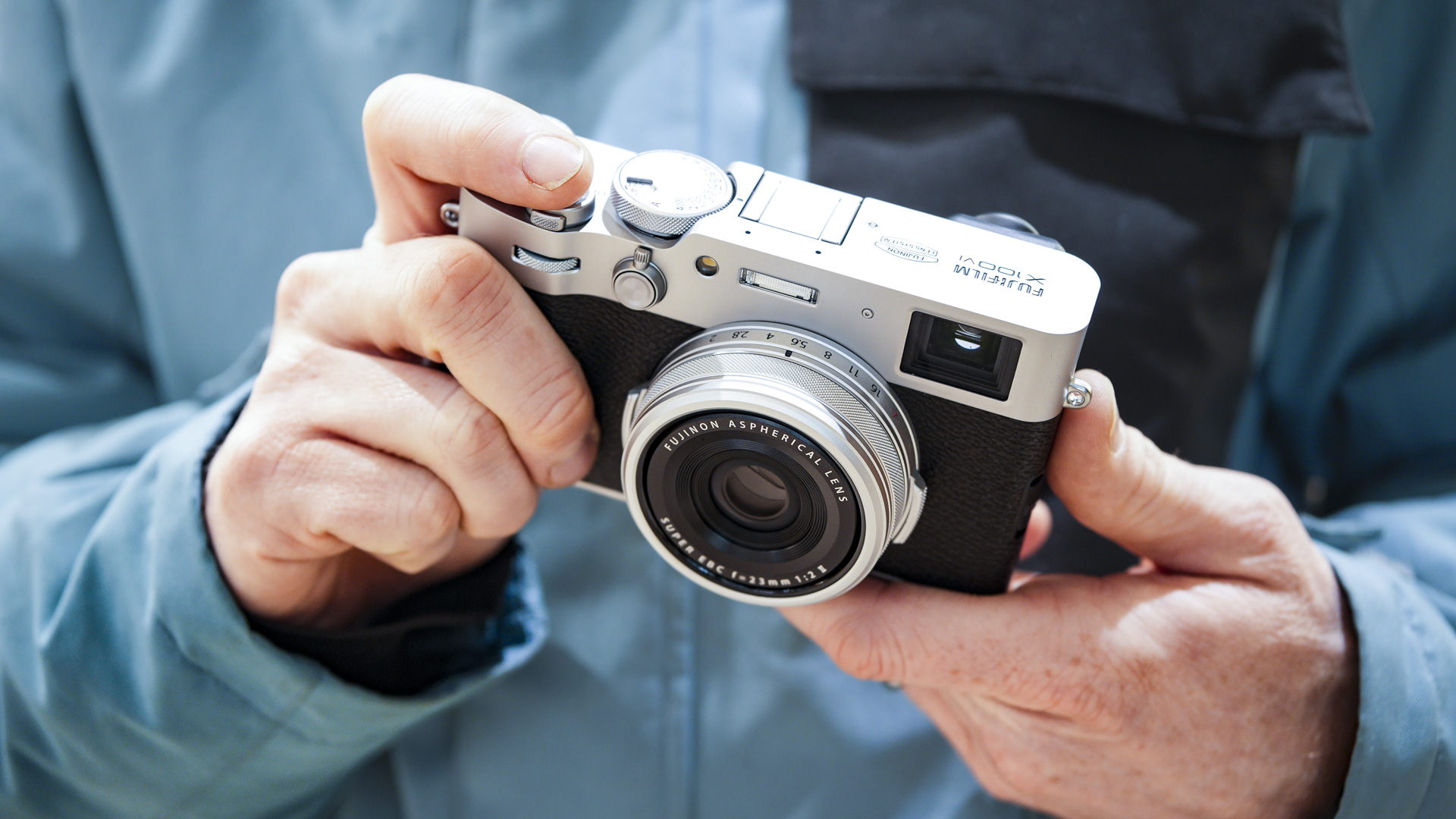
The Fujifilm X100VI is the best compact camera for photographers who want premium image quality and classic controls. It has an APS-C sensor, a fixed 23mm f/2 lens, and a 35mm equivalent field of view.
The X100VI produces detailed images with attractive color. Its film simulation modes are popular because they offer finished-looking JPEG files without much editing. The camera also has a hybrid optical and electronic viewfinder, a tilting screen, and a built-in neutral density filter.
It is a strong choice for:
• Street photography
• Travel storytelling
• Portraits in natural light
• Family photography
• Documentary work
• Photographers who enjoy manual dials
The camera is not truly pocket-sized. It also costs more than most compact zoom cameras, and demand can make it difficult to buy at its normal retail price. Avoid paying a large markup unless you fully understand what you are gaining.
If you want a smaller and less expensive alternative, the older Fujifilm X100V can still deliver excellent results. Availability and used prices vary.

Best Compact Camera for Vlogging
The Canon PowerShot G7 X Mark III is a popular choice for vlogging and casual video. Its 1-inch sensor and bright 24–100mm equivalent f/1.8–2.8 lens are useful in indoor spaces and low light.
The bright lens lets in more light than the Sony RX100 VII at many focal lengths. It can also create softer backgrounds for talking-head videos. The camera includes a microphone input and a screen that flips upward.
Important benefits include:
• Bright zoom lens
• 4K video recording
• External microphone support
• Compact body
• Easy-to-use menus
• Useful screen for self-recording
Its autofocus is not as dependable as Sony’s when a subject moves toward or away from the camera. This matters for active vlogging. Stock can also vary, so check the seller carefully and avoid suspiciously high prices.
The Canon G7 X Mark III can be the best compact camera for creators who value a bright lens and simple video setup more than advanced tracking autofocus.
Best Compact Camera for Outdoor and Underwater Use
The OM System Tough TG-7 is the best compact camera for harsh conditions. It is waterproof to a rated depth, shockproof, crushproof, freezeproof, and dustproof when used within the manufacturer’s limits.
Its 12-megapixel sensor is smaller than the sensors in the Sony, Ricoh, and Fujifilm cameras. Image quality is therefore more limited in dim light. In bright conditions, though, it can produce enjoyable photos and useful video.
The TG-7 is ideal for:
• Snorkeling and swimming
• Hiking in rain or snow
• Beach trips
• Camping
• Skiing
• Children who need a durable camera
• Close-up nature photography
Always check that the battery door and port covers are clean and fully closed before using the camera near water. Waterproof ratings are not a guarantee against damage from salt water, impact, or poor maintenance.
For adventure travel, durability can matter more than sensor size. A camera that survives the trip is more useful than a fragile camera left in a hotel bag.

What to Look for in the Best Compact Camera
The best compact camera should fit your real habits. A camera with impressive specifications may still disappoint if it is uncomfortable to carry or too slow to use.
Sensor size
Sensor size affects image quality, low-light performance, and background blur. Common compact camera sensor sizes include:
• 1/2.3-inch sensors in basic and rugged cameras
• 1-inch sensors in premium travel compacts
• Micro Four Thirds sensors in some larger compact designs
• APS-C sensors in enthusiast fixed-lens cameras
A larger sensor usually performs better in dim light. It may also produce more background blur. However, larger sensors often require larger lenses and bodies.
Lens design
A zoom lens gives you flexibility. A fixed lens often gives you better sharpness, a brighter aperture, or a smaller body.
Choose a zoom if you photograph:
• Travel scenes at different distances
• Family events
• Wildlife or sports
• Architecture and landscapes
Choose a fixed lens if you photograph:
• Street scenes
• Food and daily life
• Environmental portraits
• Personal projects
Autofocus
Autofocus is vital for children, pets, sports, and video. Look for face detection, eye detection, subject tracking, and phase-detection autofocus.
A camera can have many autofocus points and still perform poorly. Real-world tracking matters more than a large number printed on a product page.
Image stabilization
Optical or sensor-based stabilization helps reduce blur from hand movement. It does not freeze a moving subject, but it can help you use slower shutter speeds for still scenes.
Stabilization is especially useful for nighttime streets, indoor travel photos, and handheld video.
Battery life and charging
Compact cameras use small batteries. Heavy use of the screen, electronic viewfinder, flash, or 4K video can drain a battery quickly.
Before a trip, carry:
• At least one spare battery
• A USB charging cable
• A small power bank
• A fast memory card
These small items can prevent a missed photo opportunity.
Compact Camera vs. Smartphone
Modern smartphones are excellent for quick photos. They use computational photography to combine several exposures, improve dynamic range, and brighten dark scenes.
A compact camera still offers important benefits:
• A real optical zoom
• More natural control over shutter speed and aperture
• Better handling for long shooting sessions
• Larger sensors in premium models
• More reliable file options, including RAW
• Less distraction than a phone
A smartphone may be the best choice if convenience is your top priority. The best compact camera becomes more valuable when you want control, reach, or a dedicated creative tool.
One mistake photographers often make is buying a camera without changing how they shoot. If you only use automatic mode and rarely carry the camera, your phone may serve you better. Buy a compact camera when it solves a clear problem.
How Much Should You Spend on a Compact Camera?
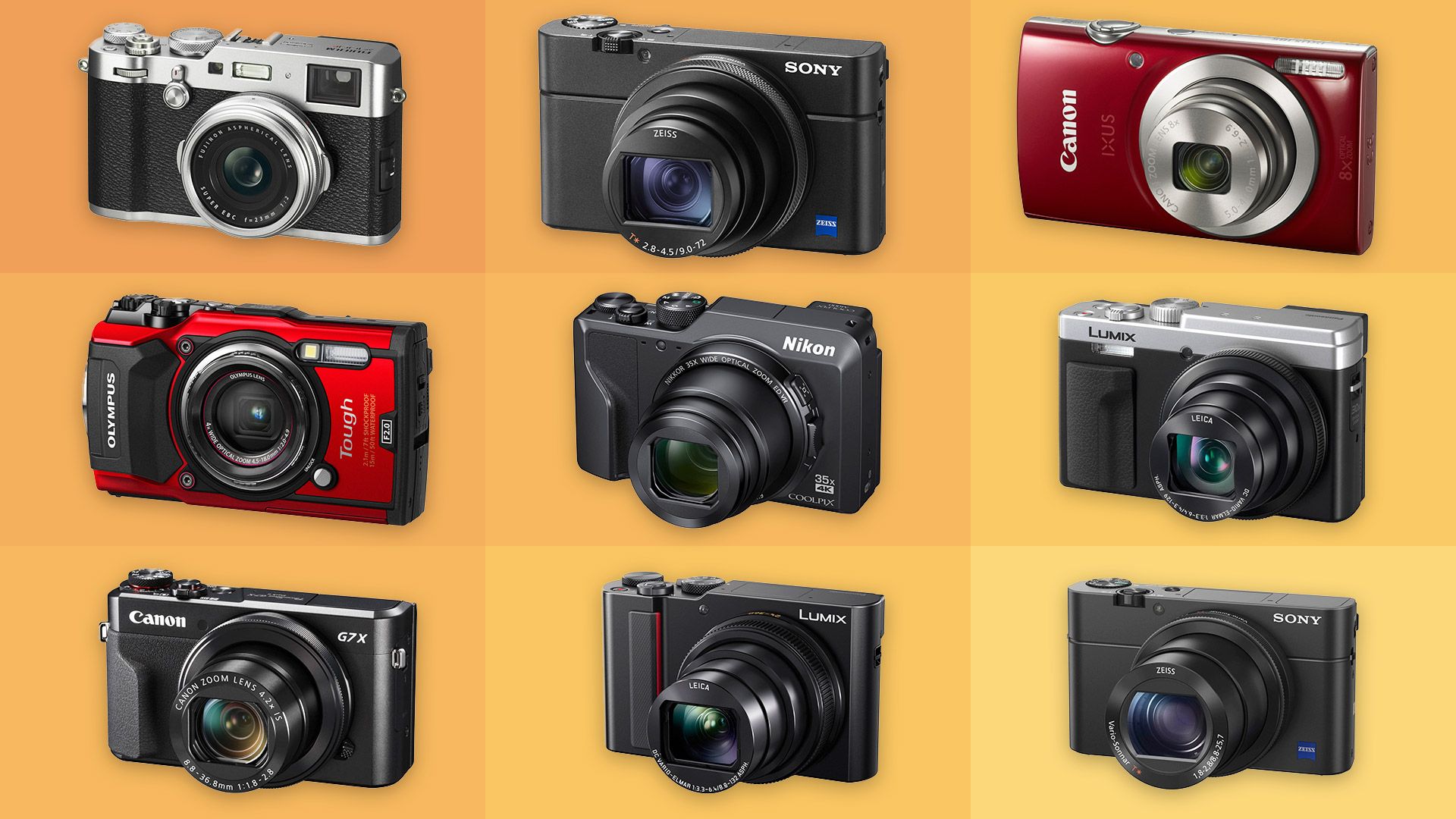
Compact camera prices range from affordable basic models to premium cameras that cost as much as an interchangeable-lens system. A higher price does not always mean a better match.
Consider these general categories:
• Under $300: Basic point-and-shoot and some used models
• $300 to $700: Older premium compacts and rugged cameras
• $700 to $1,200: Strong 1-inch sensor cameras and some fixed-lens models
• Above $1,200: Premium APS-C compact cameras and high-demand models
Used cameras can offer excellent value. Check the lens for scratches, test the zoom, inspect the battery door, and confirm that the flash, screen, buttons, and memory card slot work.
Buy from a seller with a clear return policy. A low price is not a bargain if the lens motor is damaged or the battery is swollen.
How to Get Better Photos With a Compact Camera
Even the best compact camera cannot replace good light and thoughtful composition. Simple habits often improve results more than a new accessory.
Try these steps:
- Use the widest practical aperture in low light.
- Keep the shutter speed high enough for moving people.
- Tap or half-press the shutter to confirm focus.
- Use exposure compensation when the scene looks too bright or dark.
- Hold the camera with both hands.
- Clean the lens before important photos.
- Learn one custom button for focus or exposure.
- Shoot RAW when you plan to edit.
- Use JPEG when you want fast sharing.
- Carry the camera where you can reach it quickly.
For street photography, set a reasonable shutter speed and let the camera manage the rest. For travel, take wide, medium, and close views of the same place. This creates a stronger visual story than dozens of similar snapshots.
Common Mistakes to Avoid
Buying based only on megapixels is a common mistake. Megapixels describe image resolution, but they do not tell you how well the camera performs in low light or how quickly it focuses.
Other mistakes include:
• Choosing a camera with a lens that does not fit your subjects
• Ignoring battery life
• Forgetting the cost of memory cards and spare batteries
• Buying an older model without checking software and accessory support
• Paying a large reseller markup
• Assuming waterproof means maintenance-free
• Expecting a small camera to match a professional full-frame camera in every situation
The best compact camera balances limits and strengths. Every small camera makes trade-offs. A long zoom may have a slower lens, while a bright fixed lens may limit your framing.
Frequently Asked Questions About What Is the Best Compact Camera
What is the best compact camera for travel?
The Sony RX100 VII is the best compact camera for many travelers because it has a long zoom, fast autofocus, 4K video, and a pocket-size body. The Ricoh GR IIIx is a better option if you prefer street photos and do not need a zoom.
Is a compact camera better than a smartphone?
A compact camera can be better for optical zoom, manual control, RAW files, and longer shooting sessions. A smartphone is often better for convenience, automatic processing, and instant sharing.
What is the best compact camera for low light?
The Fujifilm X100VI and Ricoh GR IIIx perform well in low light because they use larger APS-C sensors and bright lenses. The Sony RX100 VII is more flexible, but its zoom lens is not as bright across the full range.
Are compact cameras still worth buying?
Yes, compact cameras are still worth buying when you want a dedicated device, a real zoom lens, better control, or a larger sensor than your phone offers. They are especially useful for travel, street photography, and creative projects.
What is the best compact camera for beginners?
The Sony RX100 VII is a strong beginner choice for people who want one camera for many subjects. The Canon PowerShot G7 X Mark III is also simple to use and well suited to casual video.
Should I buy a compact camera with a fixed lens or a zoom?
Choose a fixed lens for sharper image quality, a bright aperture, and a focused shooting style. Choose a zoom for travel, family events, wildlife, and situations where you cannot easily move closer.
What is the best compact camera for underwater photography?
The OM System Tough TG-7 is the best compact camera for most casual underwater and outdoor use. Its rugged, waterproof body is more important in this category than having the largest sensor.
Conclusion
The best compact camera for most people is the Sony RX100 VII because it combines a useful zoom, fast autofocus, strong image quality, and a genuinely small body. The Ricoh GR IIIx is better for street photography, the Fujifilm X100VI is better for enthusiasts, the Canon G7 X Mark III suits vloggers, and the OM System Tough TG-7 is built for outdoor abuse.
Think about what you photograph, how much weight you will carry, and whether you prefer a zoom or fixed lens. Once you match the camera to your habits, you are far more likely to use it often and capture better moments. Compare current prices, test the controls when possible, and choose the camera that you will actually carry.

Everett Ashford is a tech reviewer at mytechgrid.com specializing in SSDs, cameras, TVs, earbuds, headphones, and other consumer electronics. He provides honest, data-driven reviews based on hands-on testing and real-world performance analysis. Everett simplifies complex tech details to help readers make smart, confident buying decisions.