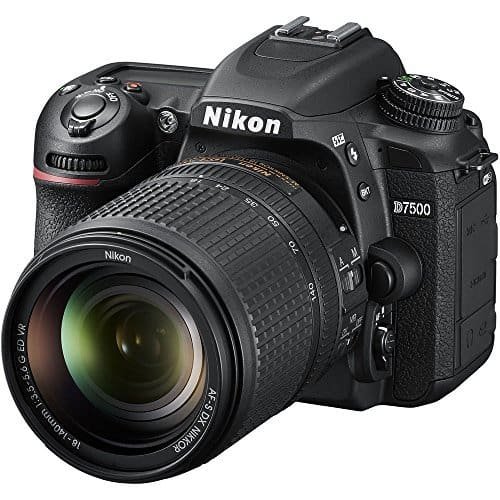
For most photographers in the United States, a good DSLR camera for photography is one that fits the way you shoot, not simply the one with the most megapixels. The Canon EOS Rebel T8i is a strong starter choice, the Nikon D7500 is a better fit for action and wildlife, and the Canon EOS 90D offers a useful mix of high resolution and speed. If you want a full-frame DSLR, consider a used Nikon D850 or Canon EOS 6D Mark II.
DSLRs remain useful in the U.S. used market. They offer clear optical viewfinders, long battery life, broad lens choices, and strong value. However, new mirrorless cameras now receive most major releases, so the best DSLR deal may be a used body with good lenses.
This guide explains which DSLR makes sense for portraits, travel, sports, wildlife, landscapes, and everyday photography.


Quick Answer: Which DSLR Is Best for Photography?
The right camera depends on your subject, budget, and lens plans.
| Photographer | Recommended DSLR | Why it fits | Main limitation |
|---|---|---|---|
| Beginner | Canon EOS Rebel T8i | Easy controls, 24.1 MP sensor, useful autofocus | Older model with limited availability |
| Enthusiast | Nikon D7500 | Fast shooting, strong autofocus, good high-ISO results | One memory card slot |
| Detail-focused photographer | Canon EOS 90D | 32.5 MP sensor and fast 10-frame-per-second shooting | Crop sensor, limited new stock |
| Wildlife photographer | Nikon D7500 or Canon EOS 90D | Reach from the APS-C sensor and fast burst rates | Requires a suitable telephoto lens |
| Landscape photographer | Nikon D850 | 45.7 MP full-frame sensor and wide dynamic range | Large, heavy, and costly |
| Low-light and portrait photographer | Canon EOS 6D Mark II | Full-frame sensor and broad Canon lens support | Older autofocus and video features |
| Outdoor photographer | Pentax K-3 Mark III | Weather-sealed body and in-body stabilization | Smaller lens system than Canon or Nikon |
These choices are based on documented specifications, system support, and common photographic use cases. They are not the result of hands-on testing in this article. Prices and stock vary widely across the United States, especially for discontinued DSLR bodies.
For many people, the Nikon D7500 is the best all-around DSLR for photography if you want speed and an APS-C sensor. The Canon EOS 90D is the better choice when you need more detail or already own Canon EF or EF-S lenses.
What Makes a DSLR Good for Photography?
A good DSLR combines a capable sensor, reliable autofocus, useful controls, and a lens system that matches your work. A high megapixel count alone does not guarantee better photos.
The most important features are:


- Sensor size: Affects image quality, low-light performance, and lens field of view.
- Autofocus system: Helps the camera track moving subjects.
- Burst speed: Shows how many frames the camera can capture per second.
- Lens selection: Often matters more than the camera body.
- Viewfinder: A DSLR uses an optical viewfinder that shows the scene through the lens.
- Battery life: DSLRs often last longer per charge than similar mirrorless cameras.
- Body design: Weather sealing, grip, weight, and control layout affect daily use.
- Used-market condition: A well-kept older camera can beat a newer camera with poor lenses.
DSLR sensor sizes
Most DSLR cameras fall into two groups:
- APS-C: Smaller sensors used in entry-level and enthusiast bodies. Canon calls this format APS-C, while Nikon often uses the term DX.
- Full frame: Sensors close in size to 35mm film. They usually offer wider views with the same lens and can provide cleaner images at high ISO settings.
An APS-C camera also changes the apparent field of view. A 50mm lens behaves like roughly an 80mm lens on a Canon APS-C body and about 75mm on a Nikon or Pentax APS-C body. This can help with portraits and distant subjects.
Why lenses matter so much
A camera body records the image, but the lens controls much of the image’s look. A bright prime lens can create soft background blur. A wide lens can capture a room or landscape. A long telephoto lens can bring birds or sports closer.
For this reason, a less expensive DSLR with a good lens may produce better results than an expensive DSLR with a basic kit lens.

Best DSLR Cameras for Different Types of Photography
There is no single best DSLR for every photographer. The strongest choice changes with the subject.
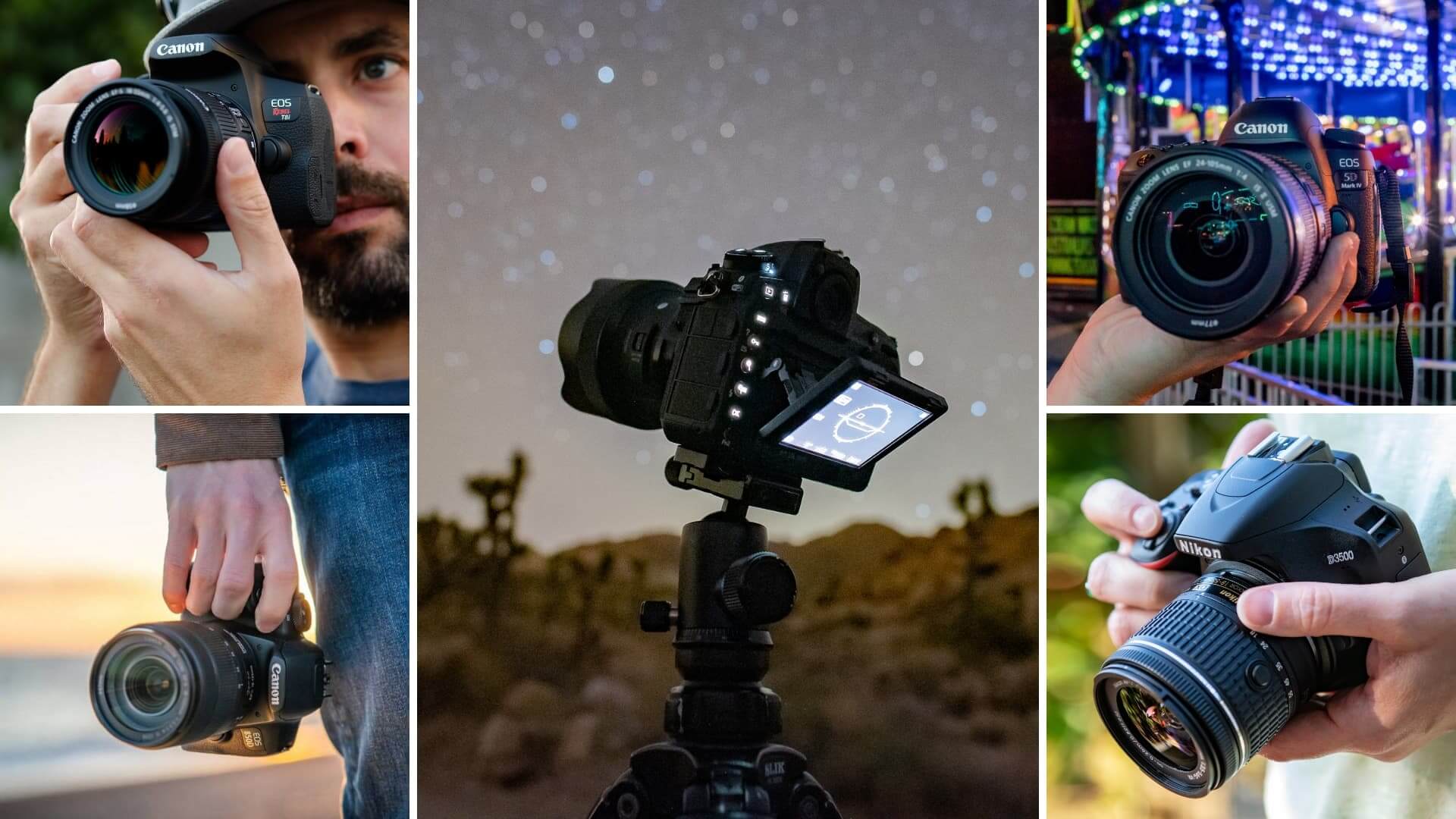
Canon EOS Rebel T8i: Best DSLR for beginners
The Canon EOS Rebel T8i, also known as the EOS 850D in some markets, is a sensible entry point for new photographers. It has a 24.1-megapixel APS-C sensor, a familiar control layout, and an optical viewfinder.
Its 45-point all-cross-type autofocus system can help with people, pets, and general outdoor scenes. It can also shoot at up to 7 frames per second under suitable conditions.
The T8i fits a beginner who wants:
- Simple automatic and manual modes
- A lightweight Canon body
- Access to Canon EF and EF-S lenses
- A screen that can flip and face forward
- A lower-cost path into interchangeable-lens photography
Its limits are just as important. It is an older DSLR, and new U.S. stock may be limited. Its 4K video mode has more restrictions than its standard HD mode, including a narrower field of view and autofocus compromises. If still photos are your main goal, this may not matter.
Nikon D7500: Best all-around DSLR for enthusiasts
The Nikon D7500 is one of the most balanced DSLR cameras for photography. Its 20.9-megapixel DX sensor gives it a useful mix of image quality, speed, and manageable file size.
The camera can shoot at up to 8 frames per second. Its 51-point autofocus system is well suited to moving subjects, including sports, birds, children, and pets. Its ISO range also gives it flexibility in dim indoor spaces and at dusk.
Choose the D7500 if you value:
- Fast continuous shooting
- Reliable subject tracking
- A deep hand grip
- Good battery life
- Nikon’s large F-mount lens catalog
- A moderate price on the used market
The main drawback is its single SD card slot. That matters to wedding photographers and others who want an immediate backup of each image. The D7500 also has lower resolution than the Canon EOS 90D, so the Canon provides more room to crop images in good light.
Canon EOS 90D: Best high-resolution APS-C DSLR
The Canon EOS 90D is a strong choice for photographers who need both speed and detail. Its 32.5-megapixel APS-C sensor provides more resolution than the T8i or D7500.


It can shoot at up to 10 frames per second and includes Canon’s Dual Pixel autofocus for live view. That makes it useful for wildlife, sports, travel, portraits, and family photography.
The 90D works well for photographers who want:
- High resolution from an APS-C sensor
- Fast burst shooting
- A fully articulating touchscreen
- Good live-view autofocus
- Compatibility with Canon EF and EF-S lenses
More pixels do not always mean better images. They can reveal lens flaws, camera shake, and poor focus more clearly. Large files also require more storage and computer power.
The 90D is also a mature model. If you buy one in the United States, compare its price with newer mirrorless options before committing to the Canon DSLR lens system.
Nikon D850: Best full-frame DSLR for detail
The Nikon D850 remains a powerful full-frame DSLR for landscapes, studio work, portraits, weddings, and commercial photography. Its 45.7-megapixel sensor provides substantial detail and cropping flexibility.
The D850 also offers a bright optical viewfinder, strong battery life, a durable body, and a broad selection of Nikon F-mount lenses. It can shoot at 7 frames per second, or up to 9 frames per second with the appropriate battery grip and battery setup.
It is a good fit when you need:
- High-resolution files
- Full-frame depth-of-field control
- A rugged body
- Strong performance for landscapes and studio work
- A large selection of used professional lenses
The trade-off is size and weight. A D850 with a professional zoom can become tiring during travel or long events. Its high-resolution files also need more storage space.
Canon EOS 6D Mark II: Best affordable full-frame Canon DSLR
The Canon EOS 6D Mark II is worth considering for photographers who want a full-frame Canon DSLR at a lower used-market cost. Its 26.2-megapixel sensor is well suited to portraits, travel, events, and general photography.
It offers a vari-angle touchscreen and Canon’s Dual Pixel autofocus in live view. Its full-frame sensor can also make it easier to create a shallow depth of field with suitable lenses.
The 6D Mark II makes sense for:
- Portrait photographers
- Canon users moving up from APS-C
- Travel photographers who want full-frame files
- People building a used Canon EF lens kit
Its autofocus system and video options are less advanced than those on newer cameras. It also lacks some professional features found on the 5D Mark IV and Nikon D850, such as higher-end construction and more advanced focusing coverage.
Pentax K-3 Mark III: Best DSLR for outdoor photographers
The Pentax K-3 Mark III is a modern APS-C DSLR with a 25.7-megapixel sensor, in-body image stabilization, a strong optical viewfinder, and weather-resistant construction.
It is a good option for photographers who work outdoors and value a traditional DSLR shooting experience. Pentax also offers weather-resistant lenses that pair well with the camera for hiking, nature, and landscape work.
The K-3 Mark III may suit you if you want:


- In-body image stabilization
- A rugged, weather-resistant body
- Two SD card slots
- A large optical viewfinder
- Pentax’s distinctive lens collection
The main limitation is the size of the Pentax ecosystem. Canon and Nikon offer more choices in the used market, especially for specialized sports, wildlife, and professional event lenses.
DSLR vs. Mirrorless: Which Should You Buy?
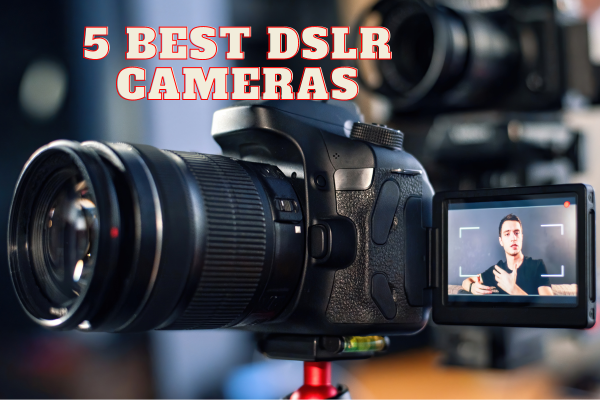
A DSLR is not automatically better or worse than a mirrorless camera. The two designs use different ways to show and record the scene.
A DSLR uses a mirror and an optical viewfinder. Light passes through the lens, reflects from the mirror, and reaches your eye. When you take a photo, the mirror moves out of the way so light can reach the sensor.
A mirrorless camera removes the mirror. Its electronic viewfinder shows a digital preview from the sensor.
Choose a DSLR when you value:
- An optical viewfinder
- Long battery life
- A deep grip
- Lower used prices
- Existing Canon EF, Nikon F, or Pentax K lenses
- A large selection of used accessories
Choose mirrorless when you value:
- Smaller and lighter bodies
- Electronic viewfinder previews
- Modern subject-recognition autofocus
- Quiet shooting modes
- New lens development
- Better support for current product releases
The most important question is whether you already own lenses. Switching systems can cost more than changing camera bodies. If you own several good DSLR lenses, staying with that mount may be the practical choice.
How to Choose the Right DSLR Step by Step
Use this process before buying a camera.
1. Decide what you photograph most
Your main subject should guide the decision.
- Landscapes: Favor dynamic range, high resolution, and wide lenses.
- Portraits: Favor comfortable handling, good lenses, and full-frame options if shallow background blur matters.
- Sports and wildlife: Favor autofocus tracking, burst speed, buffer size, and telephoto lens access.
- Travel: Favor weight, battery life, durability, and a flexible zoom.
- Family photography: Favor simple controls, fast autofocus, and a useful general-purpose lens.
- Studio work: Favor resolution, tethering support, flash compatibility, and reliable controls.
2. Set a complete system budget
Do not spend the entire budget on the camera body. Include:
- One lens
- At least one spare battery
- Two memory cards
- A camera bag
- A charger
- A cleaning blower
- Optional tripod or flash
For example, a hypothetical $1,000 budget might be divided like this:
| Item | Example share |
|---|---|
| Camera body | $450 |
| Standard zoom lens | $250 |
| Telephoto or prime lens | $180 |
| Battery and memory cards | $70 |
| Bag and basic care items | $50 |
This is only a planning example, not a current market quote. Used prices change by condition, seller, included accessories, and local demand.
3. Choose the lens mount first
Canon EF and EF-S, Nikon F, and Pentax K lenses are not interchangeable without adapters. Some adapters may reduce autofocus or exposure functions.
If you are starting from zero, compare the lenses you may want in the next three years. A camera body is easy to replace. A large lens collection is more expensive to move.
4. Pick sensor size
Choose APS-C when you want lower cost, smaller lenses, and extra apparent reach for wildlife. Choose full frame when you want wider views, more control over depth of field, or strong performance in dim light.


Sensor size is not a simple quality ranking. A skilled photographer can make excellent work with either format.
5. Check autofocus and speed
For moving subjects, look beyond the maximum burst rate. Check:
- How many autofocus points the camera has
- Whether it tracks moving subjects through the viewfinder
- How long it can maintain a burst
- Whether the lens focuses quickly
- How well the system works in low light
A fast camera with a slow lens may still miss action.
6. Handle the camera if possible
Before buying, visit a U.S. camera store or try a trusted friend’s body. Check whether:
- Your fingers reach the controls
- The grip feels secure
- The viewfinder is comfortable
- The camera feels too heavy with a lens
- You can change shutter speed and aperture without looking
Comfort affects how often you carry and use the camera.
What Lens Should You Buy With a DSLR?
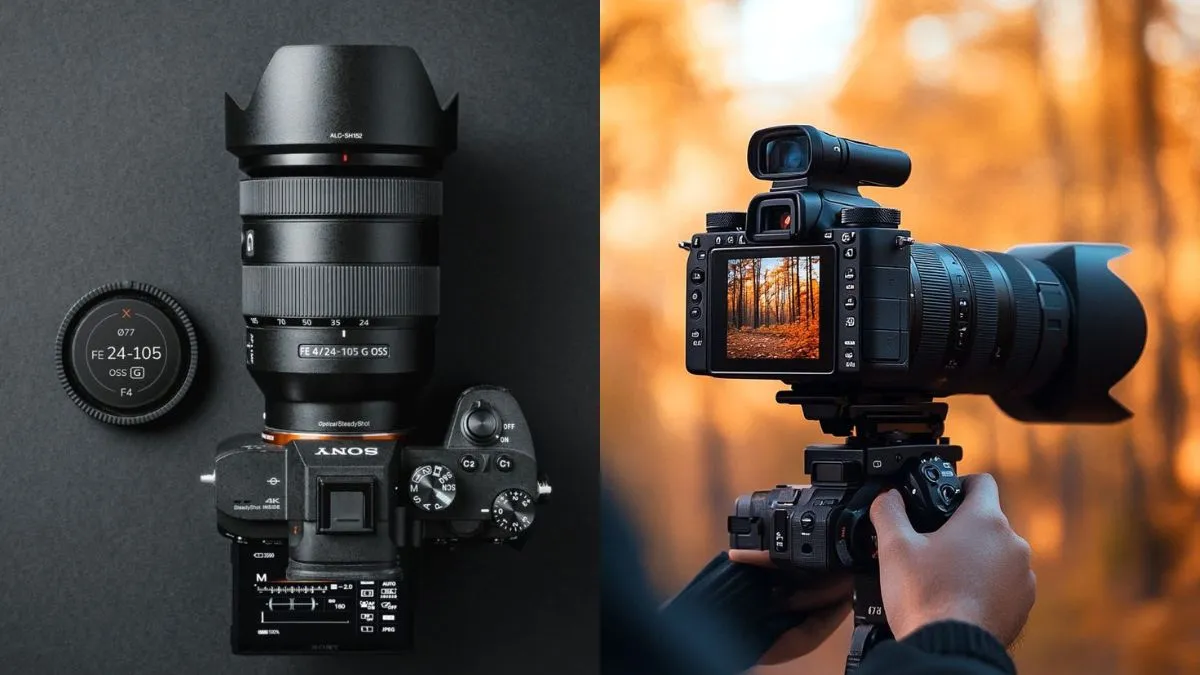
A standard zoom lens is the best first lens for most beginners. It covers common views and lets you learn which focal lengths you use most.
Typical choices include:
- 18–55mm: Small and affordable APS-C starter lens
- 18–135mm or 18–140mm: More useful travel range
- 24–70mm: Common full-frame general-purpose range
- 50mm prime: Bright, compact, and useful for portraits
- 35mm prime on APS-C: Natural-looking view for street and family photos
- 70–300mm: Affordable way to start wildlife and field sports
- 100mm macro: Useful for close-up subjects and some portraits
The lens must match the camera mount and sensor format. A full-frame lens can usually work on an APS-C camera from the same mount, but an APS-C-only lens may not cover a full-frame sensor.
Do not buy a very long lens only because the subject is far away. Weight, autofocus speed, maximum aperture, and image stabilization can matter more than focal length.

Buying a Used DSLR in the United States
A used DSLR can be an excellent value, but condition matters. Buy from a seller that clearly describes the camera and offers a return period when possible.
Check these points before you pay:
- Shutter count: This shows how many mechanical exposures the camera has made. It is useful, but not a complete measure of condition.
- Sensor condition: Look for scratches, dust, or damage. A small amount of dust may be cleanable; scratches are more serious.
- Lens mount: Check for looseness, bent parts, or damage.
- Autofocus: Test focus at near and far distances.
- Memory card slots: Confirm that every slot reads and writes correctly.
- Battery: Older batteries may hold less charge.
- LCD and viewfinder: Look for cracks, dead pixels, or deep marks.
- Ports and covers: Test the USB, HDMI, microphone, and remote ports if you need them.
- Weather seals: A camera advertised as weather resistant may lose protection if seals are worn or the body has been opened.
- Included charger: Confirm that the charger is genuine and works safely.
Avoid a camera with water damage, corrosion, a stuck mirror, repeated error messages, or a seller who refuses basic tests.
Never clean a DSLR sensor with a household cloth or liquid. Use the camera maker’s cleaning instructions, a proper blower, or a qualified camera service center.
Common DSLR Buying Mistakes
Buying by megapixels alone
More resolution can help with cropping and large prints. It can also create larger files and make motion blur easier to see. Autofocus, lens quality, and technique often matter more.
Ignoring lens cost
A camera body may look affordable until you price the lenses you need. Research the full system before choosing a brand.
Buying a professional body that is too heavy
A large camera may offer excellent controls, but it is not useful if it stays at home. A smaller body with a lens you carry often may produce more real photos.
Confusing optical zoom with image quality
A long zoom range does not guarantee sharp images. Lens design, light, shutter speed, focus, and stabilization all affect the result.
Assuming image stabilization fixes subject movement
Optical or in-body stabilization can reduce blur from your hand. It cannot stop a person, bird, or car from moving. Moving subjects still need a fast shutter speed.
Forgetting the memory card format
Some older cameras need SD cards with specific capacity or speed limits. Check the camera manual before buying very large or very fast cards.
Frequently Asked Questions
Is Canon or Nikon better for DSLR photography?
Neither brand is always better. Canon offers a broad range of EF and EF-S lenses and familiar controls. Nikon offers strong DSLR bodies and a large F-mount lens market. Choose based on the body you prefer, the lenses you need, and the condition and price of the complete system.
Is a DSLR still good for beginners?
Yes. A DSLR can teach exposure, focus, lenses, and composition very well. It may also provide more camera for the money on the used market. A beginner who wants the newest autofocus features, smaller size, or frequent product updates may prefer mirrorless.
What is the best DSLR for portrait photography?
The Canon EOS 6D Mark II and Nikon D850 are strong full-frame choices for portraits. The more important purchase may be a bright 50mm, 85mm, or 105mm lens. APS-C cameras can also produce excellent portraits with the right lens and background distance.
What is the best DSLR for wildlife photography?
The Nikon D7500 and Canon EOS 90D are practical wildlife choices because their APS-C sensors provide extra apparent reach and their burst rates are useful for action. The lens is critical. A camera body cannot replace a sharp, fast telephoto lens.
How many megapixels do I need for photography?
For everyday photos, portraits, travel, and online sharing, 20 to 26 megapixels is enough for most people. More than 30 megapixels can help with cropping, detailed landscapes, studio work, and large prints. It also increases file size and storage needs.
Final Recommendation
For a first DSLR, choose the Canon EOS Rebel T8i if you want simple controls and an affordable path into Canon photography. Choose the Nikon D7500 for sports, wildlife, and general enthusiast work. Choose the Canon EOS 90D when high APS-C resolution and fast live-view autofocus matter.
For full-frame photography, the Nikon D850 is the strongest choice for detail and demanding still work, while the Canon EOS 6D Mark II is a more approachable option for portraits and travel.
Before buying, price the camera body, one suitable lens, batteries, memory cards, and basic support items together. That complete system—not the body alone—is what makes a DSLR a good camera for photography.

Everett Ashford is a tech reviewer at mytechgrid.com specializing in SSDs, cameras, TVs, earbuds, headphones, and other consumer electronics. He provides honest, data-driven reviews based on hands-on testing and real-world performance analysis. Everett simplifies complex tech details to help readers make smart, confident buying decisions.