No single person invented the camera; it grew out of ideas and inventions over many centuries.
If you want a clear answer to who invented the camera, this article walks you through the long story, names the key inventors, and explains how small discoveries led to the modern camera you carry today. I draw on historical records, technical advances, and personal experience with film and digital gear to give you a neat, trustworthy guide to the question of who invented the camera — and why that answer is richer than a single name.

Early foundations: the camera obscura and optical ideas
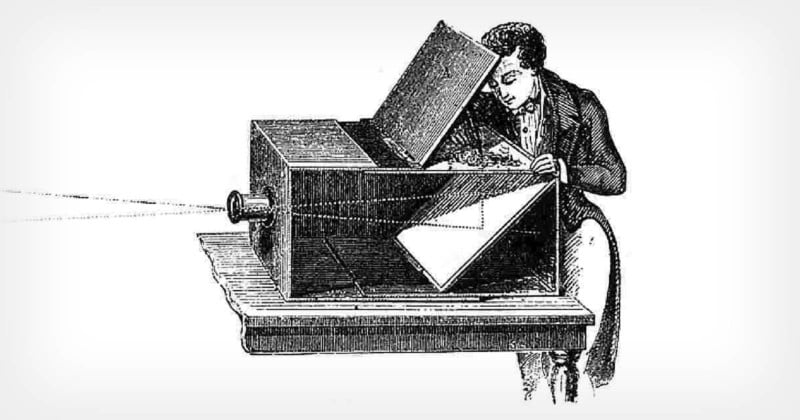
Long before photography, people used the camera obscura to study light and vision. The camera obscura is a dark room or box with a tiny hole that projects an upside-down image of the outside world onto an opposite surface. Ancient thinkers noticed this effect, and it formed the optical basis for later cameras.
Key milestones in early optics:
- Observations by ancient and medieval thinkers showed that light travels in straight lines and images can form through small openings.
- In the 10th–11th centuries, a scientist described the principle in experiments that resemble a large camera obscura.
- By the Renaissance, artists and inventors used portable camera obscuras to trace scenes and understand perspective.
These optical discoveries answered the basic "how" of capturing an image. That groundwork is essential when asking who invented the camera because the device builds on centuries of optical knowledge.

The first photographic steps: capturing a permanent image
The shift from projected image to permanent picture happened in the early 19th century. Several inventors contributed key chemical and mechanical methods that made photography possible. When people ask who invented the camera, they often point to these pioneering experiments.
Important inventors and breakthroughs:
- A French inventor made the earliest surviving camera photograph in the 1820s. He fixed an image on a metal plate using bitumen-based chemicals.
- Another inventor in France popularized a process that produced sharp, one-of-a-kind images on silvered plates. That method launched public interest in photography in 1839.
- At roughly the same time, an English scientist developed a paper-based negative process. This allowed multiple prints from a single negative and introduced a reproducible workflow.
These steps show the shift from experimental snapshots to practical photographic processes. Each inventor solved different problems: exposure time, image permanence, and reproducibility.
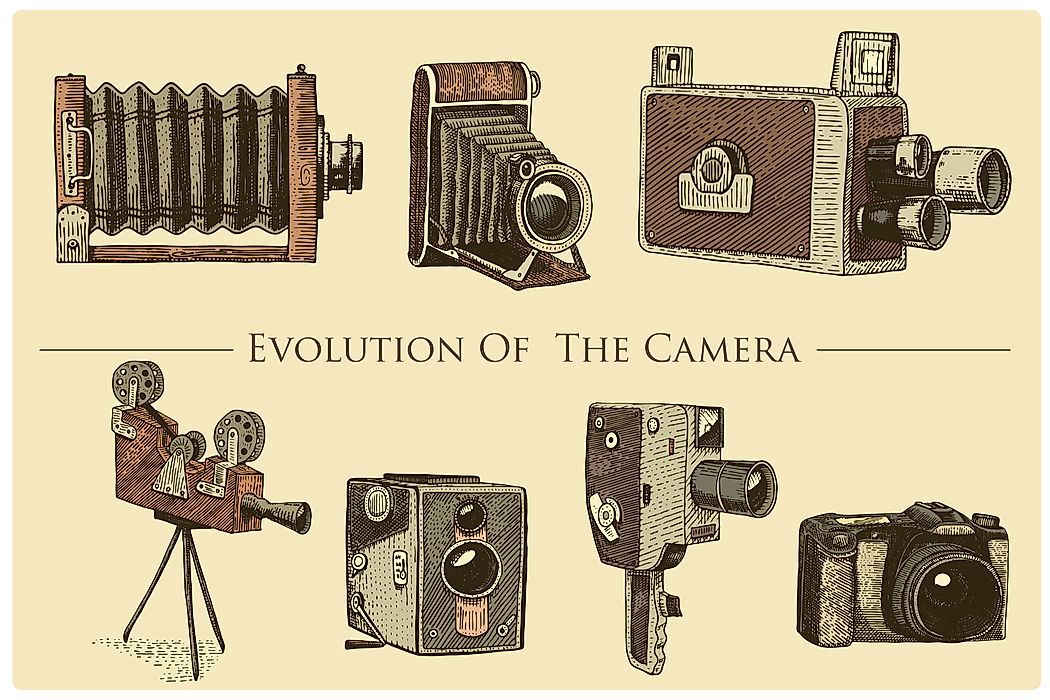
Industrial and commercial evolution: film, cameras, and mass use
After the first photographs, inventors and companies improved cameras and film to make photography accessible. When thinking about who invented the camera, remember the device evolved through many hands to become consumer-ready.
Major developments that shaped modern cameras:
- Dry plates and gelatin emulsions made exposure faster and more convenient.
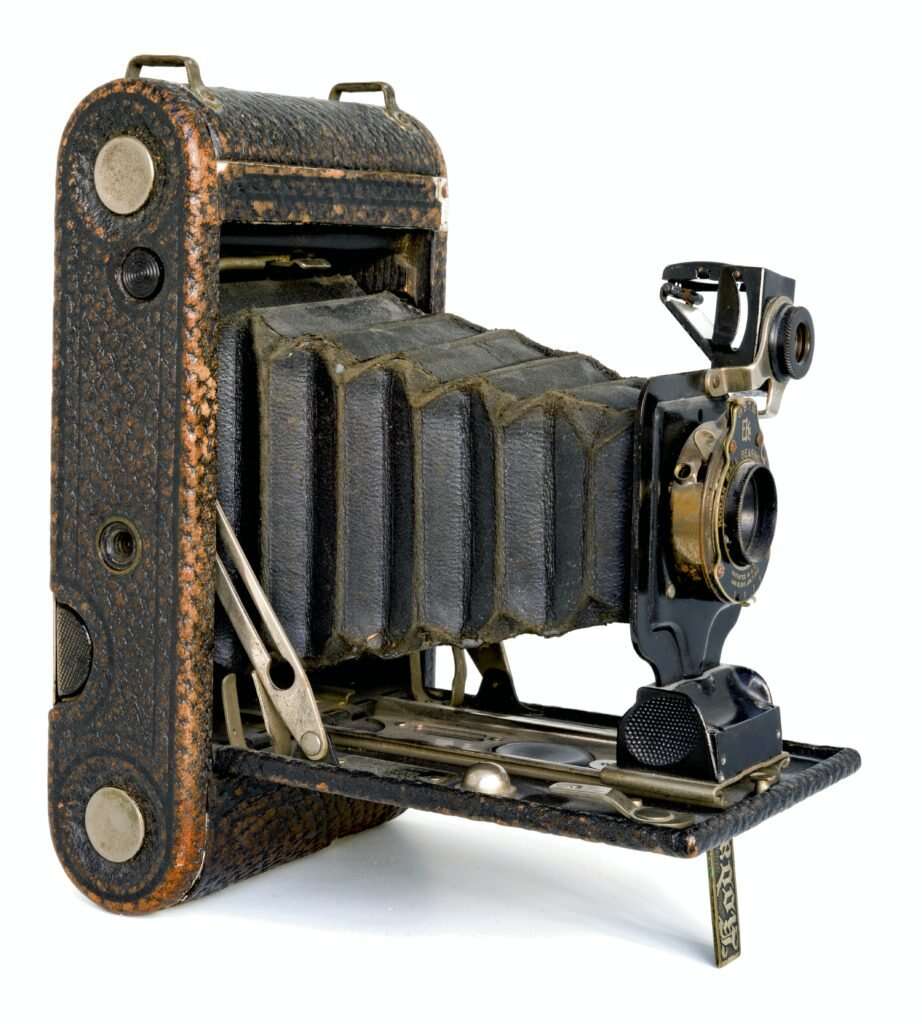
- Roll film and the first simple box cameras brought photography to casual users.
- The introduction of 35mm film standardized formats for hobbyists and professionals.
- Camera bodies, lenses, shutters, and light meters improved gradually to give photographers precise control.
One key figure in popularizing photography commercially created easy-to-use cameras and marketed film and development services widely. His work changed photography from a specialist craft to a mass hobby.

From analog to digital: sensors and the modern camera
The most dramatic recent leap was the move from chemical film to electronic sensors. When people ask who invented the camera in the modern sense, part of the answer must include the engineers who turned light into digital data.
Steps toward digital photography:
- Early electronic sensors were developed for scientific instruments and adapted for imaging.
- An engineer built the first working portable digital camera prototype in the 1970s, paving the way for consumer digital cameras later on.
- Advances in sensor technology and microelectronics in the 1990s and 2000s made high-quality digital images affordable.
- The integration of cameras into mobile phones made photography ubiquitous worldwide.
So, while early inventors solved the chemistry of image capture, later engineers solved the electronics. Together, they finished the journey from projected light to instant digital pictures.

Who invented the camera? A clear synthesis
If you ask who invented the camera and expect a single name, you’ll be disappointed. The short, precise truth is that no single person invented the camera. The device is the result of centuries of optical theory, chemical experiments, mechanical design, and electronic engineering.
Why this matters:
- Saying one inventor "invented the camera" flattens a long chain of discovery.
- Different inventors deserve credit for optics, fixing images, reproducible negatives, mass production, and digital conversion.
- Understanding who invented the camera is best done by naming the main contributors and their roles.
From early optical theorists to the pioneers of photography to engineers who built sensors and compact cameras, the story of who invented the camera is a team effort across time. I’ve tested vintage film gear and modern mirrorless bodies; that hands-on view makes it clear how each innovation built on the last.
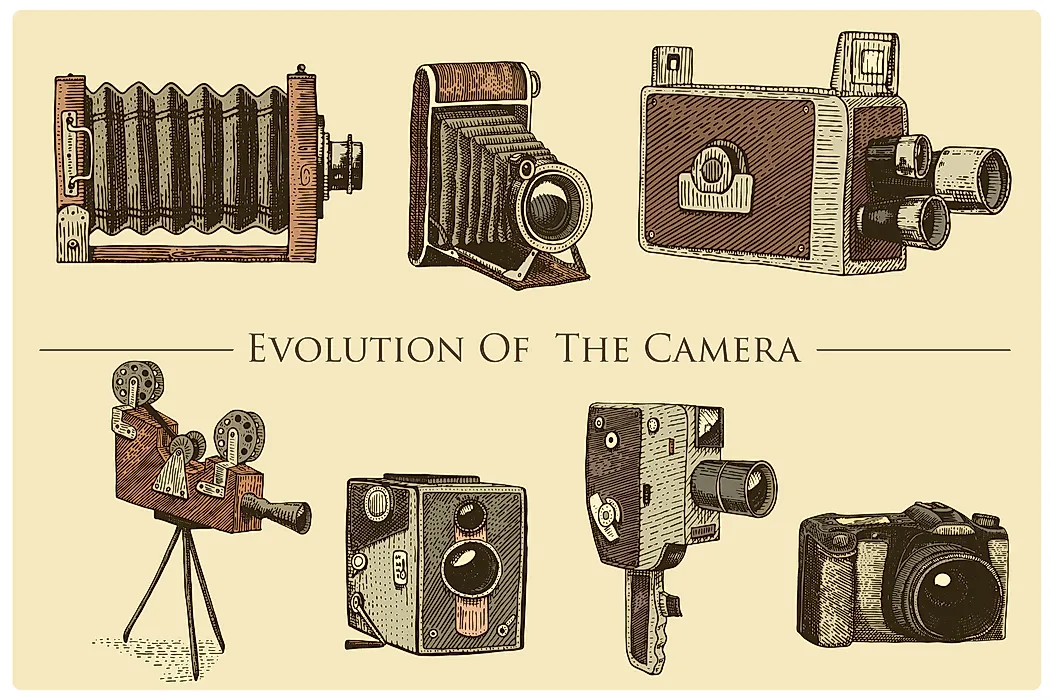
Impact, benefits, and cultural influence of the camera
Cameras changed how we record memory, study science, and report news. When considering who invented the camera, it helps to see what cameras enabled.
Major impacts:
- Visual memory and family records became much easier to create and share.
- Science and medicine gained new tools for observation and documentation.
- Journalism and documentary work used images to inform and influence public opinion.
- Art and culture absorbed photography as a new medium for expression.
The camera’s benefits are many. It democratized visual storytelling and preserved moments that would otherwise fade.
:max_bytes(150000):strip_icc()/brief-history-of-photography-2688527-FINAL-5bef134d46e0fb0026cda5f9.png)
Limitations, controversies, and ethical concerns
Every technology raises issues. The story of who invented the camera also includes debates about privacy, manipulation, and access.
Common concerns:
- Early patents and commercial battles limited access and created disputes among inventors.
- Photography raises privacy issues when images are taken or shared without consent.
- Digital editing tools let people alter images, creating questions about truth and authenticity.
Recognizing these limits helps photographers and users act responsibly. Be clear about where images come from and how you use them.
Lessons, tips, and practical takeaways from camera history
History of the camera teaches practical lessons for hobbyists and pros. When you ask who invented the camera, also ask what their work can teach you today.
Practical tips:
- Learn basic optics: understanding aperture and shutter speed helps regardless of your camera type.
- Try film once: shooting a roll teaches discipline and sharpens visual skills.
- Back up digital files: the transition to digital made storage and preservation essential.
- Respect ethics: always ask permission and be transparent when photographing people.
From my experience teaching photography workshops, students who try both film and digital learn faster. Mistakes I made early on — relying only on automatic settings — taught me to control exposure and composition intentionally.
Frequently Asked Questions of who invented the camera
Who first captured a permanent photograph?
The first known permanent photograph was made in the 1820s by a French inventor who used light-sensitive chemicals on a metal plate. That image required a long exposure and was a key proof of concept.
Did one person invent photography or the camera?
No, a series of inventors and scientists contributed to photography and camera design. Optics, chemistry, mechanics, and electronics all came from different people over time.
Who made photography widely available to the public?
A company founder who marketed simple cameras and roll film made photography accessible to the public by selling easy-to-use cameras and processing services. This move turned photography into a mass hobby.
Who created the first digital camera?
Engineers developed electronic sensors and a portable digital camera prototype in the 1970s; later engineers refined the technology into consumer digital cameras. Digital photography grew from scientific work and engineering.
Is the camera obscura the same as a camera?
No, the camera obscura is a device that projects an image using a hole or lens; it does not record the image permanently. It provided the optical idea that cameras later used to capture and fix pictures.
Conclusion
The answer to who invented the camera is that many inventors and thinkers built it step by step. From ancient optics to chemical photography, and from mass-market film cameras to tiny digital sensors, each advance mattered. Takeaway: explore both film and digital work, learn basic optics, and respect the ethics of image-making. If this article helped you understand who invented the camera, try shooting intentionally for a week and notice how historical techniques improve your eye — and leave a comment or subscribe to keep learning.

Jamie Lee is a seasoned tech analyst and writer at MyTechGrid.com, known for making the rapidly evolving world of technology accessible to all. Jamie’s work focuses on emerging technologies, product deep-dives, and industry trends—translating complex concepts into engaging, easy-to-understand content. When not researching the latest breakthroughs, Jamie enjoys exploring new tools, testing gadgets, and helping readers navigate the digital world with confidence.