If you live in the United States and want one simple answer, choose over-ear headphones for comfort, sound quality, travel, and long listening sessions. Choose earbuds for exercise, commuting, portability, and quick use.
Neither type is always better. The right choice depends on how you listen, where you use audio, how much space you have, and how well each style fits your ears.
Introduction
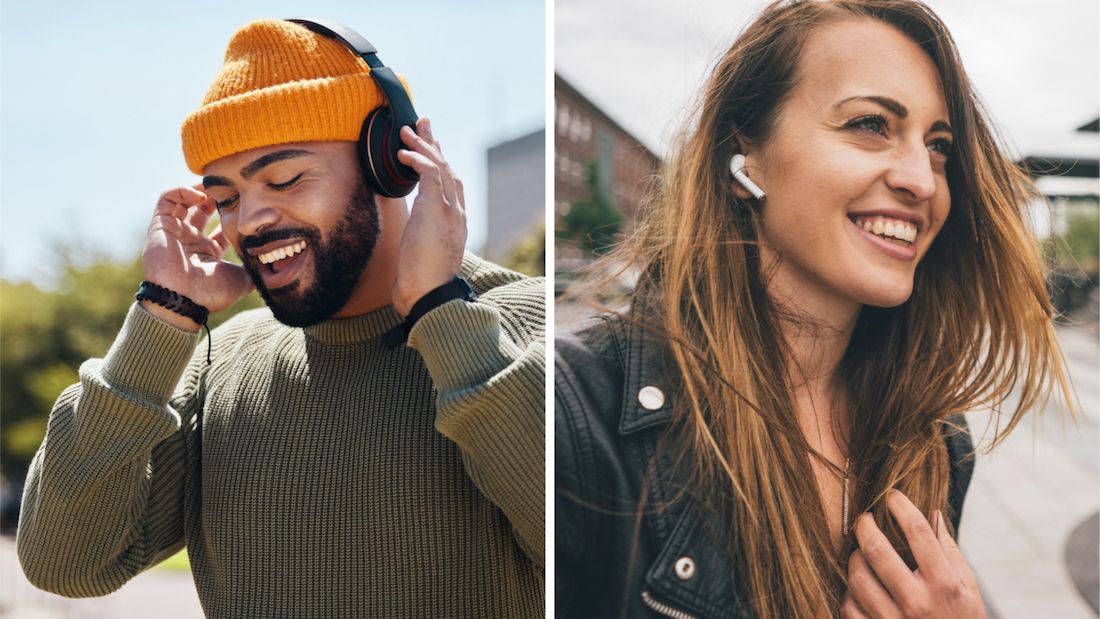
Over-ear headphones sit around your ears. Earbuds sit in the outer ear or inside the ear canal. Both can sound great, but they solve different problems.
For most people, over-ear headphones are the safer bet for comfort during long sessions. They do not press directly into the ear canal, and their larger cups can create a wider, more open sound. Earbuds are smaller and easier to carry, but some users find them less comfortable after long use.
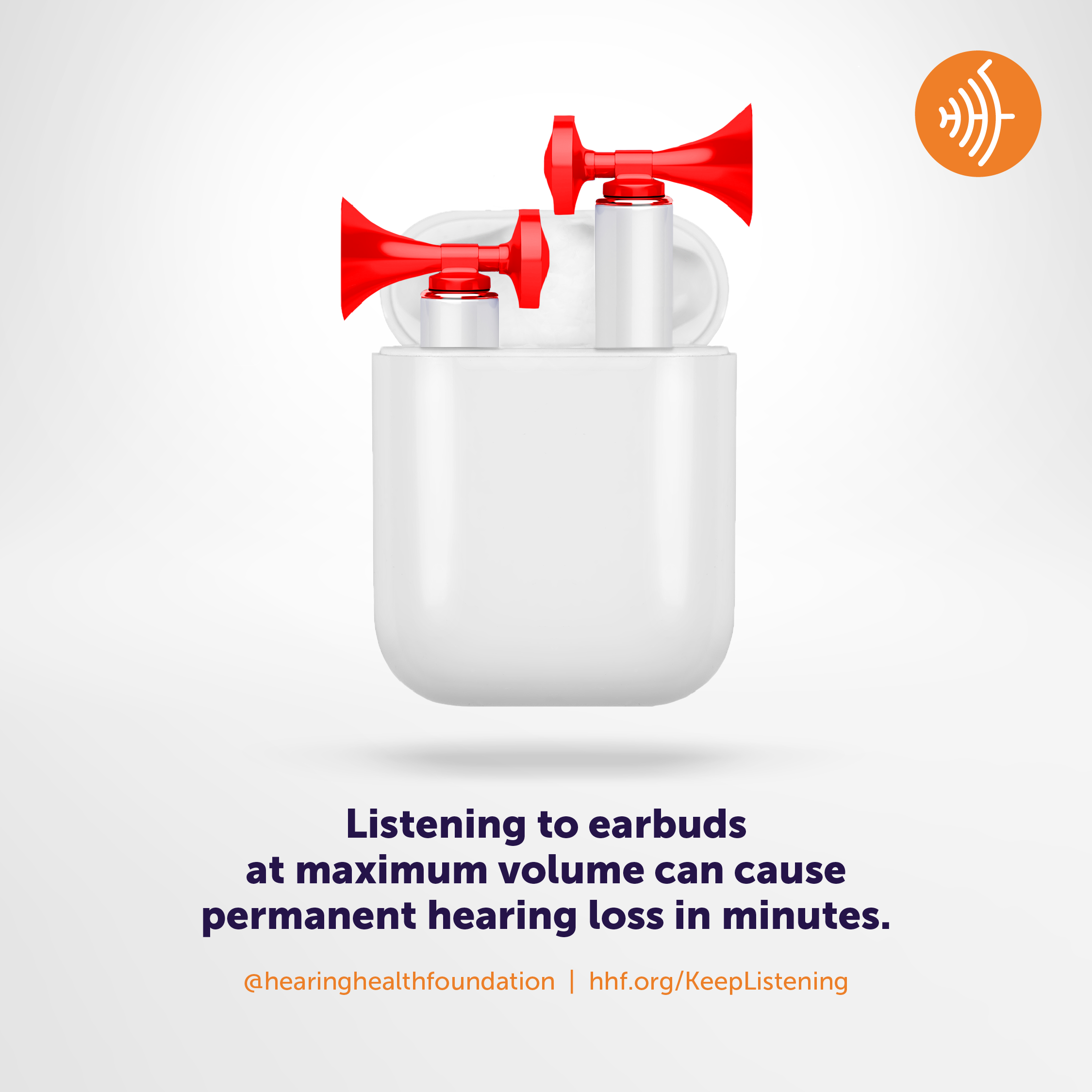
Your choice should also include hearing safety. Loud sound can harm hearing over time, no matter which device you use. The National Institute on Deafness and Other Communication Disorders explains that repeated exposure to loud sound can cause noise-induced hearing loss. The risk depends on volume, time, and how often you listen—not just on the headphone design.
Quick answer: Over-ear headphones or earbuds?
Choose over-ear headphones if you:
- Listen for several hours at a time.
- Want strong bass and a wide sound stage.
- Travel often.
- Need active noise cancellation.
- Wear glasses and dislike pressure inside your ears.
- Want headphones for gaming, work, music, or movies.
Choose earbuds if you:
- Need a small and light option.
- Exercise or walk often.
- Carry your headphones in a pocket.
- Make frequent phone calls.
- Prefer a less noticeable design.
- Need one device for short listening sessions.
A simple rule works well:
Buy over-ear headphones for comfort and immersion. Buy earbuds for freedom and convenience.
What is the difference between over-ear headphones and earbuds?
The main difference is how each device sits on or in your ear.
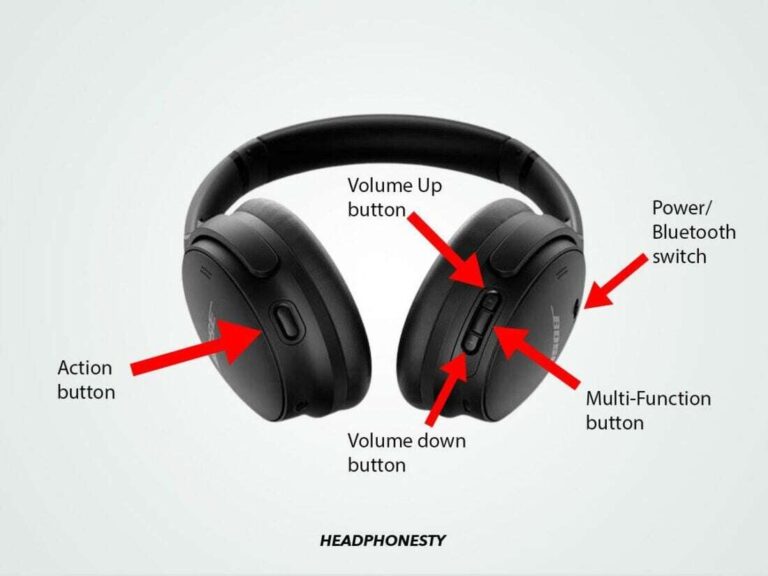
Over-ear headphones use large ear cups that surround the ears. The cups may be closed, which blocks more outside sound, or open, which allows sound to pass through the back of the ear cup. Most wireless over-ear models use closed-back cups.
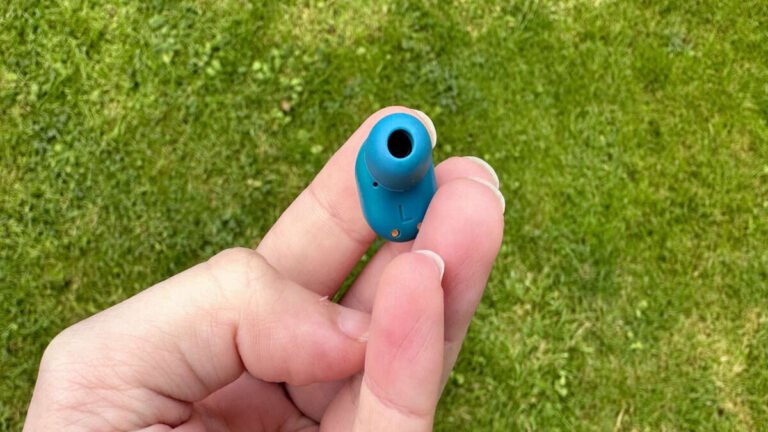
Earbuds are small devices that sit in the outer ear. Some have silicone tips that seal the ear canal. These are often called in-ear headphones or in-ear monitors. Other earbuds rest at the opening of the ear and do not form a full seal.
This difference changes the listening experience:
| Feature | Over-ear headphones | Earbuds |
|---|---|---|
| Size | Large | Small |
| Portability | Less convenient | Very convenient |
| Long-session comfort | Often better | Depends on fit |
| Exercise use | Can feel warm or move | Usually better |
| Sound space | Often wider | Usually more direct |
| Ear canal contact | No direct contact | May contact or enter the canal |
| Battery size | Often larger | Smaller, with charging case |
| Noise isolation | Strong with a good seal | Strong with sealed tips |
| Heat | Can make ears warm | Usually cooler |
| stability | Depends on headband fit | Depends on ear shape and tips |
These are general patterns, not guarantees. A light pair of over-ear headphones may feel better than earbuds for one person. A well-fitted pair of earbuds may feel better than bulky headphones for another.
Which is more comfortable for long listening?
Over-ear headphones are usually better for long listening, but fit matters more than the category.
Over-ear ear cups spread pressure around the ear instead of placing it inside the ear canal. A soft headband and light frame can reduce pressure on the top of your head. However, tight clamping force, heavy cups, or poor padding can cause discomfort.
Earbuds can feel comfortable at first and then become irritating after an hour or two. The ear canal may feel sore, itchy, or blocked. Foam or silicone tips can also create heat and moisture.
Try these fit checks:
- The ear cups should surround your ears without pressing hard on them.
- The headband should stay in place without creating a painful hotspot.
- Earbuds should stay secure without being pushed deep into the ear.
- You should not need to raise the volume because the fit feels loose.
- You should be able to remove either type without pain.
If you wear glasses, over-ear headphones may press the arms of your glasses against your head. Earbuds may avoid that pressure, but they can be less stable during movement.
Which sounds better: over-ear headphones or earbuds?
Over-ear headphones often provide a larger and more natural sound, but good earbuds can sound just as detailed.
The larger space in an over-ear design can make music, films, and games feel more spacious. This does not mean that every over-ear model sounds better. Tuning, driver quality, software, and fit all matter.
Earbuds can produce clear sound and strong bass when their tips make a good seal. A poor seal can make music sound thin, especially in the low frequencies. This is why changing the ear tip size can improve sound more than buying a more expensive pair.
For different uses:
- Music: Either type can work well. Over-ear headphones may feel more immersive.
- Movies: Over-ear headphones often create a fuller presentation.
- Gaming: Over-ear headphones may offer a wider sense of space and a better microphone.
- Podcasts: Earbuds are often more convenient.
- Classical music: Over-ear models may give instruments more room.
- Bass-heavy music: Both can work, but a sealed earbud fit can produce strong bass.
Do not judge sound quality by size alone. A good earbud with a proper seal can outperform a cheap over-ear model.
Which is better for travel and commuting?
Earbuds are easier to carry, while over-ear headphones often block more noise and feel more relaxing on a long trip.
Earbuds fit into a small case and take little space in a carry-on bag. They are useful on buses, trains, and short flights. They also avoid the bulk of a headband and ear cups.
Over-ear headphones can be better for long flights. Their larger ear cups may reduce outside noise, and many models offer active noise cancellation. This can make engine noise, office hum, or road sound less tiring.
Noise cancellation does not make loud environments completely safe. It may help you listen at a lower volume, but you still need breaks. It also may not remove sudden sounds, voices, or every high-pitched noise.
For travel, consider:
- How much space you have in your bag.
- Whether the headphones fold.
- Battery life and charging options.
- Bluetooth connection limits.
- Use with airplane entertainment systems.
- Whether you need to hear announcements.
- How warm the headphones feel after several hours.
If you need awareness while walking near traffic, do not rely only on transparency mode. Stay alert and follow local pedestrian safety rules.
Which is better for exercise?
Earbuds are usually better for exercise because they are small and light.
Many earbuds are made for running, walking, and gym use. Some have ear hooks or stabilizing wings. A secure fit matters more than maximum sound quality during exercise.
Over-ear headphones may move during running. Their ear cups can also trap heat and sweat. They may work well for weight training, indoor cycling, or light workouts, but they are less practical for intense movement.
Before using either type during exercise, check:
- Sweat and water resistance.
- Fit during head movement.
- Ease of cleaning.
- Button or touch controls.
- Battery life.
- Whether the case is easy to store.
- Whether the design blocks too much outside sound.
Water resistance ratings have limits. Sweat, rain, and splashes are not the same as swimming. Do not assume that a water-resistant product is safe to submerge unless the manufacturer clearly says so.
Clean earbuds and ear tips often. Sweat, skin oil, and dirt can build up on the device and irritate the ear.
Which is better for hearing safety?
Neither over-ear headphones nor earbuds are automatically safer. Listening level and listening time matter most.
The CDC and NIDCD warn that loud sound can damage the sensitive structures in the inner ear. Noise-induced hearing loss may develop slowly. Ringing in the ears, muffled hearing, or trouble understanding speech after listening are warning signs that the sound was too loud.
Earbuds can create a strong seal close to the eardrum. That does not make them automatically dangerous, but it can make loud listening easy to sustain. Over-ear headphones can also become harmful when used at high volume for long periods.
Use these safer listening habits:
- Keep the volume as low as practical.
- Take regular quiet breaks.
- Do not use high volume to cover background noise.
- Use well-fitted tips or ear cups.
- Lower the volume before removing or putting on headphones.
- Avoid sleeping with loud audio playing.
- Stop listening if you notice pain, ringing, or muffled hearing.
The common “60/60 rule” is often shared online, but it should not replace judgment. There is no single volume setting that is safe for every device, recording, ear, or environment.
If ringing, muffled hearing, dizziness, pain, or reduced hearing continues after you stop listening, contact a health professional. An audiologist or doctor can assess your hearing and help identify the cause.
How do noise cancellation and transparency modes change the choice?
Noise cancellation can make either style more useful, but it does not replace safe volume habits.
Active noise cancellation uses microphones and electronic processing to reduce certain outside sounds. It often works best against steady noise, such as an airplane engine or air conditioner.
Over-ear headphones may provide both passive isolation from the ear cups and active noise cancellation. Earbuds can also reduce outside noise when their tips form a good seal.
Transparency mode uses microphones to send outside sounds into your ears. It can help you hear people, announcements, or nearby activity without removing the earbuds.
Choose noise cancellation if you often listen in:
- Airplanes.
- Public transportation.
- Shared offices.
- Dorms.
- Busy homes.
- Hotels.
Choose transparency mode when you need to stay aware. However, treat it as a listening aid, not a safety guarantee. You should still look around and pause audio when crossing streets or handling hazards.
Which is better for phone calls and work?
Earbuds are convenient for short calls, while over-ear headphones may be better for long work sessions.
Earbuds are easy to use during a quick call. Many include microphones close to the mouth, but microphone quality varies. Wind, traffic, and clothing noise can affect call clarity.
Over-ear headphones may offer a more stable fit and larger controls. They can also reduce background noise in a home or office. Their main drawbacks are size, heat, and the feeling of wearing a larger device for many hours.
For work calls, check:
- Microphone quality in noisy rooms.
- Mute controls.
- Comfort with glasses.
- Compatibility with your computer and phone.
- Bluetooth connection stability.
- The ability to use a cable if the battery runs out.
- Whether the microphone picks up keyboard noise.
If you attend long meetings, comfort should come before a small size. If you make short calls throughout the day, earbuds may be more convenient.
A practical decision guide
Use this guide if you are still unsure.
Choose over-ear headphones when:
- Comfort for long sessions is your top concern.
- You want a fuller sound for music or movies.
- You travel often.
- You want strong noise reduction.
- You use headphones at a desk.
- You do not mind carrying a larger device.
Choose earbuds when:
- You want the smallest option.
- You walk, run, or work out.
- You need quick access to calls.
- You carry your device in a pocket.
- You dislike a headband.
- You often listen for less than two hours at a time.
Consider buying both when:
- You use audio in very different settings.
- You want over-ear headphones at home and earbuds outside.
- You work long hours but exercise often.
- You travel and also need a small backup pair.
A two-device setup is not necessary for everyone. But it can avoid forcing one product to handle every situation.
Common mistakes to avoid
Buying by price alone
A high price does not guarantee comfort or good sound. Fit, weight, controls, and microphone quality can matter more than brand name.
Ignoring the ear tip or ear cup fit
Poor fit can reduce bass, cause pain, and make you raise the volume. Try different ear tips or adjust the headband before judging the sound.
Choosing noise cancellation for safety
Noise cancellation can reduce background sound, but it does not make high volume safe. It may help you listen more quietly, which is the real benefit.
Wearing earbuds through pain
Pain is not something you should “break in.” Remove the earbuds and try a different tip or design. Continued pain needs medical advice.
Forgetting battery limits
Wireless devices need charging. Check whether the headphones support wired listening, fast charging, or a backup mode that works without a battery.
Using sealed headphones in every situation
You may need to hear alarms, announcements, coworkers, or traffic. Use transparency mode or remove the headphones when awareness matters.
Frequently asked questions
Are earbuds worse for your ears than over-ear headphones?
Not automatically. Hearing risk depends mainly on volume, listening time, and repeated exposure. Earbuds can make loud listening easy because they seal the ear, but over-ear headphones can also cause harm at high volume.
Are over-ear headphones better for your brain?
There is no good basis for saying that over-ear headphones are generally better for the brain. The practical concerns are hearing exposure, comfort, skin irritation, pressure, heat, and safe use around hazards.
Can I sleep with earbuds or over-ear headphones?
It is usually better to avoid sleeping with loud audio. Earbuds may cause pressure or irritation, while over-ear headphones may press against your ears or head. If you use audio to sleep, keep the volume low and use a timer.
Do earbuds fall out more than over-ear headphones?
Earbuds can fall out if their shape or tip does not match your ear. Over-ear headphones may also move during exercise. Try a different ear tip, ear hook, headband adjustment, or product design.
Which lasts longer: earbuds or over-ear headphones?
There is no universal answer. Earbuds have small batteries that are often built into sealed housings. Over-ear headphones may have larger batteries and replaceable parts, but hinges, padding, and headbands can wear out. Care, repair options, and battery replacement support affect lifespan.
Should I use earbuds or headphones for a child?
Use the lowest practical volume and limit listening time. Keep children away from very loud environments and watch for signs such as ringing, muffled hearing, or complaints of discomfort. A pediatrician or audiologist can give advice for a child with hearing concerns.
Final recommendation
Choose over-ear headphones if you want comfort, strong sound, and better support for long listening sessions. Choose earbuds if you value portability, exercise-friendly design, and quick access.
If you are still undecided, buy based on your most common setting:
- At a desk or on long trips: over-ear headphones.
- At the gym or while walking: earbuds.
- For short calls: earbuds.
- For long music or movie sessions: over-ear headphones.
- For hearing safety: either can work when you keep volume and listening time under control.
The best pair is the one that fits well, stays comfortable, and lets you listen without turning the volume up to overcome poor fit or background noise.

Everett Ashford is a tech reviewer at mytechgrid.com specializing in SSDs, cameras, TVs, earbuds, headphones, and other consumer electronics. He provides honest, data-driven reviews based on hands-on testing and real-world performance analysis. Everett simplifies complex tech details to help readers make smart, confident buying decisions.