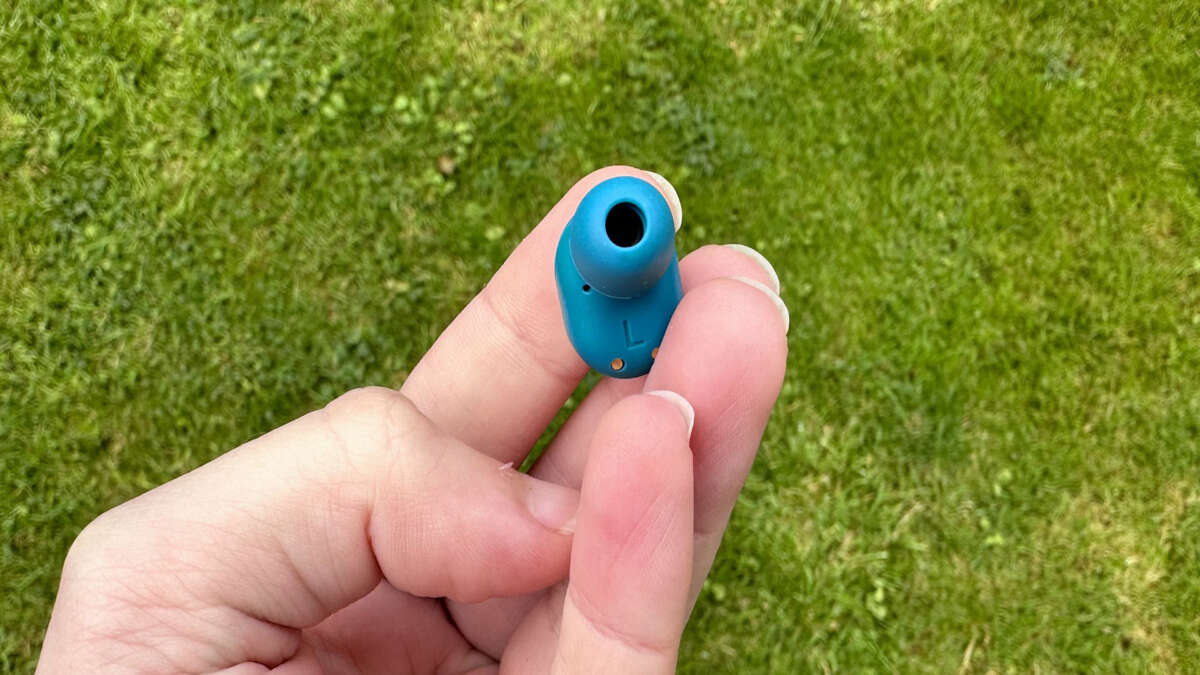
Yes, they make earbuds for small ears, with smaller tips, compact shells, and secure designs for better comfort.
If standard earbuds feel loose, painful, or too large, you are not alone. Finding earbuds for small ears is mainly about ear tip size, earbud shape, nozzle length, and weight. This guide explains how to choose a comfortable pair, avoid common fit mistakes, and get better sound without forcing anything into your ear.
Why Standard Earbuds Feel Too Big
Earbuds are not one-size-fits-all. Most models include medium ear tips because they fit a large share of users, but medium tips can feel too wide for people with smaller ear canals.
You may notice several signs of a poor fit:
• The earbuds hurt after a few minutes
• The tips create pressure or soreness
• The earbuds fall out while walking
• The sound feels thin or distant
• You need to push the earbuds deep into your ears
• One ear fits well while the other does not
A poor fit can affect both comfort and sound. When the seal is weak, outside noise enters and bass escapes. When the earbud is too large, it may press against the sensitive parts of the outer ear.
Ear anatomy also varies from side to side. Your left ear may need a small tip while your right ear needs an extra-small or medium tip. That is normal, not a sign that you are using the earbuds incorrectly.
In my experience, many people blame the earbud brand when the real problem is the included tip. Trying a smaller silicone tip often fixes the issue within minutes.

What Makes Earbuds Good for Small Ears?
The best earbuds for small ears usually combine a small body with flexible tips and a short, narrow nozzle. The goal is to create a gentle seal without filling the entire ear opening.
Look for these features when shopping:
Small ear tips
Extra-small and small silicone tips are the most important feature. Some earbuds include three or four tip sizes, while others offer only small, medium, and large.
A wide range of sizes gives you more control. Some brands also sell replacement ear tips in extra-small sizes, foam materials, or different shapes.
Compact earbud housings
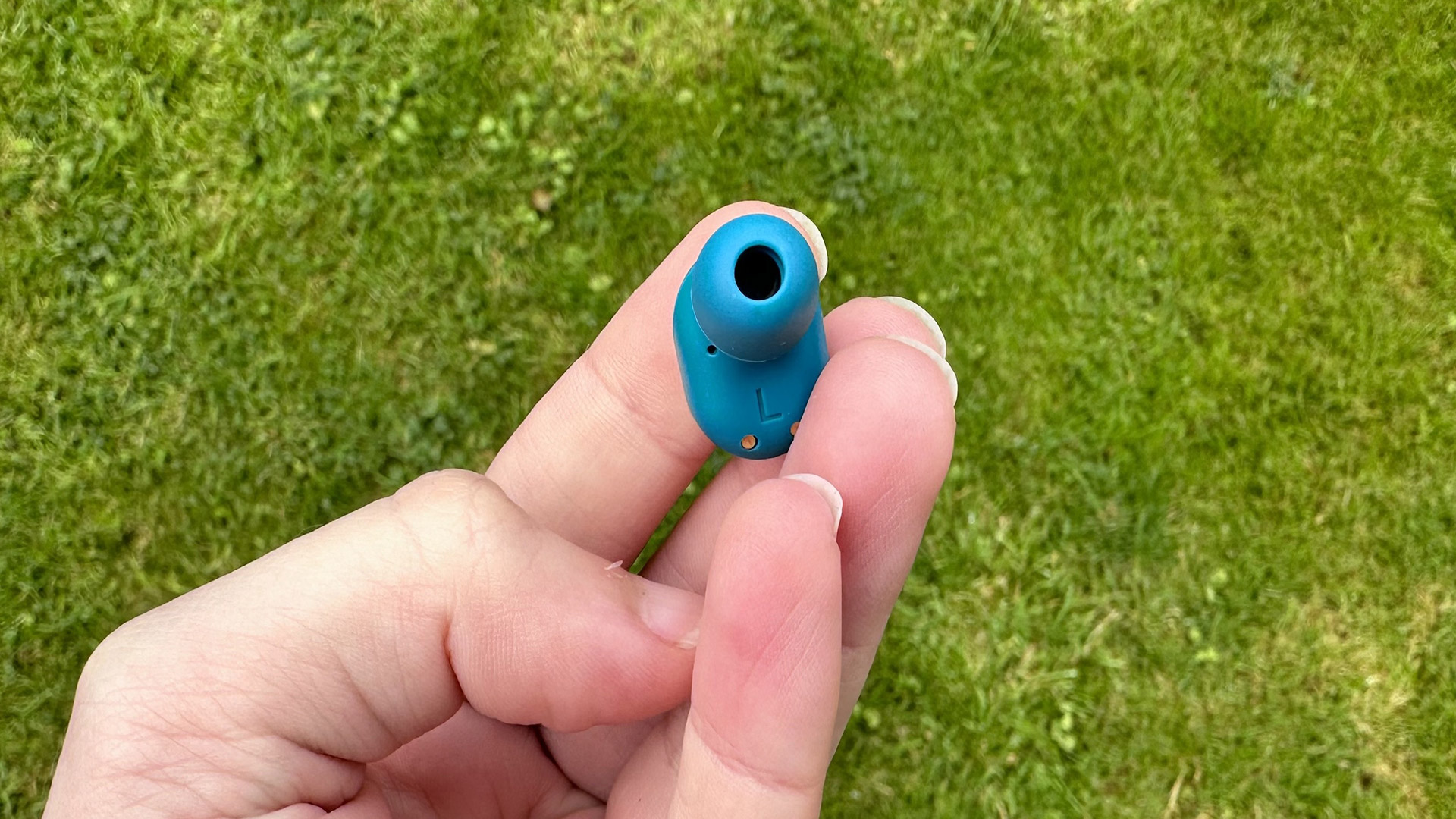
The housing is the hard outer part of the earbud. A compact housing sits more naturally in a small outer ear and reduces pressure.
Large housings can touch the concha, the curved area outside the ear canal. That contact may cause pain even when the ear tip itself feels comfortable.
Short or narrow nozzles
The nozzle is the small tube that holds the ear tip. A long or wide nozzle may feel intrusive in a small ear canal.
A short nozzle can improve comfort, but it must still create a stable seal. The ideal design rests gently rather than pushing deep.
Lightweight construction
Heavy earbuds can slowly work their way out of the ear. Lightweight models place less strain on the ear and feel better during long listening sessions.
This matters most during exercise, commuting, and phone calls. A secure fit should not depend on constant adjustment.
Adjustable ear hooks or wings
Ear hooks wrap around the ear, while ear wings sit inside the outer ear. Both features can improve stability.
They are useful if small earbuds still fall out during movement. However, rigid wings can create pressure, so choose soft and flexible materials.

In-Ear, Open-Ear, and Semi-In-Ear Options
The term “earbuds for small ears” can describe several designs. Understanding the differences helps you choose the right style.
In-ear earbuds
In-ear earbuds use silicone or foam tips that sit inside the ear canal. They often provide the best passive noise isolation and bass response.
They can work very well for small ears when the package includes extra-small tips. They may not suit you if you dislike the feeling of a sealed ear canal.
Semi-in-ear earbuds
Semi-in-ear models rest at the entrance of the ear canal without sealing it fully. They may feel less intrusive, but they can be less secure.
Sound quality also depends more on the shape of your outer ear. Small ears may benefit from compact semi-in-ear designs, but fit can vary greatly.
Open-ear earbuds
Open-ear earbuds sit outside the ear canal. They allow you to hear traffic, coworkers, and other surroundings.
These models can be comfortable for people who cannot tolerate ear tips. However, they usually offer less bass and less noise isolation than in-ear earbuds.
Earbuds with ear hooks
Sport earbuds with hooks can stay secure during running and gym workouts. The hook carries much of the weight, so the ear tip does not need to fit as tightly.
Choose soft hooks that do not rub behind the ear. A hook that is too stiff can cause soreness over time.

How to Find the Right Ear Tip Size
Choosing the right ear tip is often more important than choosing a famous brand. A good tip should seal the ear gently without causing pain.
Follow these steps:
- Start with the smallest included tip. Many people with small ears begin with medium tips and assume earbuds are uncomfortable by design.
- Insert the earbud gently. Do not force it deep into the canal.
- Turn the earbud slightly until it feels stable.
- Walk around for several minutes. Test the fit while talking, bending, and looking from side to side.
- Compare both ears. Use different tip sizes if needed.
- Check the sound. Voices and bass should sound full, not hollow or weak.
- Stop if you feel sharp pain, pressure, itching, or lasting discomfort.
A proper seal should feel like a light plug, not a cork pushed into a bottle. If you must press hard to keep the earbud in place, the shape may be wrong for you.
Foam tips can help some users because they expand gently inside the canal. They may improve stability and noise isolation, but they need regular replacement and can feel warmer than silicone.

How to Wear Earbuds for Small Ears Correctly
Even well-designed earbuds can feel loose if they are inserted at the wrong angle. The ear canal is not a straight tunnel, so a small twist can make a major difference.
Try this method:
• Hold the earbud with the tip aimed slightly forward
• Pull the top of your ear gently upward and backward
• Place the tip at the ear canal opening
• Twist the earbud into position
• Release your ear and check for movement
Do not push the earbud as far as possible. Deep insertion does not always create a better fit. It can increase pressure and may irritate the ear canal.
For workout use, wipe sweat from your ears before inserting the earbuds. Moisture can make silicone tips slide. Ear wings or hooks can also provide extra support without increasing tip pressure.
Clean the tips often with a slightly damp cloth. Remove them from the earbuds when possible and let them dry fully before putting them back. Earwax and skin oil can make tips slippery and can reduce hygiene.
If you experience pain, ringing, discharge, or reduced hearing, stop using the earbuds and seek medical advice. Consumer earbuds should never cause lasting symptoms.

Best Features to Look for When Shopping
Product pages do not always use the exact phrase “earbuds for small ears.” You may need to look for related terms and specifications.
Useful search terms include:
• Extra-small ear tips
• Compact earbuds
• Mini earbuds
• Small ear canal earbuds
• Lightweight wireless earbuds
• Low-profile earbuds
• Secure fit earbuds
• Earbuds with adjustable tips
Before buying, check the product details for:
• Included tip sizes
• Earbud weight
• Nozzle width
• Earbud dimensions
• Return policy
• Replacement tip availability
• Water resistance rating
• Battery life
• App-based fit or seal tests
A return policy is especially valuable. Ear shape is personal, and online photos cannot show how a product will feel in your ears.
Do not judge comfort by battery size, brand name, or price alone. A premium pair can still feel too large. A less expensive compact pair may fit far better.
Also consider your main use. For calls, microphone quality matters. For travel, passive isolation or active noise cancellation may help. For exercise, stability and sweat resistance should come first.

Earbuds for Small Ears and Sound Quality
Fit and sound are closely connected. Earbuds for small ears must form a comfortable seal to deliver clear bass and balanced sound.
If the tip is too small, the seal may break when you move. Music can sound weak, especially in the low frequencies. You may raise the volume to compensate, which can increase listening risk.
If the tip is too large, the seal may be strong but uncomfortable. The pressure can distract you and make long listening sessions unpleasant.
Active noise cancellation, or ANC, may also work better with a good seal. ANC technology can reduce low background noise, but it cannot fully correct a poor physical fit.
Use the lowest volume that lets you hear clearly. Hearing health guidance commonly recommends taking breaks and avoiding prolonged exposure to loud sound. A comfortable seal can help you listen at a lower volume because less outside noise enters.
Sound quality is not only about drivers or audio codecs. It also depends on:
• Ear tip seal
• Earbud position
• Ear shape
• Listening volume
• Noise around you
• Music type
• Equalizer settings
A simple fit change can sometimes improve sound more than changing an equalizer preset.
Common Mistakes to Avoid
Many fit problems come from a few simple mistakes. Avoid these errors when buying or using earbuds for small ears.
Choosing medium tips by default
Medium is not automatically the correct size. Try every included tip, including extra-small ones.
Forcing large earbuds into place
Pressure is not a sign of security. If the housing hurts your outer ear, choose a smaller model rather than pushing harder.
Testing only while sitting
An earbud that feels fine at a desk may fall out during a walk. Test it during normal movement before deciding it fits.
Ignoring the return policy
Comfort is difficult to judge from reviews alone. A return window gives you a safer way to test the fit.
Wearing earbuds too loudly
Poor fit can tempt you to increase the volume. Fix the seal first, then set a comfortable listening level.
Cleaning with water or sharp tools
Water can damage electronics, and sharp objects can injure the ear or damage the tip. Use a soft, dry cloth and follow the care instructions.
Assuming both ears need the same tip
It is common for ears to differ slightly. Mixing tip sizes may give you the best result.

Are Earbuds for Small Ears Safe?
Earbuds are generally safe when used at a comfortable volume and worn without pain. They should not cause pressure, sharp discomfort, blocked hearing, or skin irritation.
A tight seal can trap heat and moisture. This may be uncomfortable and can contribute to irritation, especially during exercise. Remove the earbuds during breaks and keep both the tips and your ears clean.
Noise isolation can also reduce awareness of your surroundings. Do not use strongly isolating earbuds near traffic, bicycles, construction areas, or other hazards unless you can still hear what is around you.
Wireless earbuds use Bluetooth radio signals. Current consumer products operate under established safety limits, but the main everyday concern for most users remains sound exposure and fit rather than Bluetooth power.
If you have ear tubes, recurring ear infections, eczema, significant hearing loss, or ear surgery, ask a qualified health professional which type of earbud is appropriate.

Frequently Asked Questions About Earbuds for Small Ears
Do they make earbuds for small ears?
Yes, many brands make earbuds for small ears. Look for compact housings, extra-small ear tips, narrow nozzles, and lightweight designs.
What are the best earbuds for very small ears?
The best option depends on your ear shape and use. Choose a model with extra-small tips, a small outer housing, and a reliable return policy so you can test the fit safely.
Why do my earbuds keep falling out?
Your ear tips may be too small, the earbud angle may be wrong, or the housing may not match your outer ear. Try a different tip size, rotate the earbud slightly, or choose wings and ear hooks for added stability.
Are foam tips better for small ears?
Foam tips can improve comfort and stability because they expand gently inside the ear canal. They are not ideal for everyone, since they may feel warm, require more care, and need replacement more often than silicone tips.
Can earbuds damage small ears?
Earbuds should not damage your ears when they fit gently and play at a safe volume. Stop using them if you feel pain, ringing, itching, discharge, or hearing changes.
Should I use different ear tip sizes in each ear?
Yes, you can use different sizes. Ear canals often vary, and using a small tip in one ear and an extra-small tip in the other may improve comfort and sound.
Do small earbuds have worse sound quality?
Not necessarily. Small earbuds can sound excellent when they create a good seal and use quality audio components. Fit often has a greater effect on bass and clarity than the physical size of the earbud.
Conclusion
Yes, they make earbuds for small ears, and the right pair can be comfortable, secure, and great sounding. Focus on extra-small tips, compact housings, light weight, flexible materials, and a generous return policy.
Start with the smallest tip, test each ear separately, and never accept pain as part of a proper fit. Compare compact in-ear, semi-in-ear, open-ear, and ear-hook designs based on how you plan to use them.
Take a little time to find your fit before turning up the volume. Explore more earbud guides, compare suitable models, and share your experience if you have found a design that works well for small ears.

Everett Ashford is a tech reviewer at mytechgrid.com specializing in SSDs, cameras, TVs, earbuds, headphones, and other consumer electronics. He provides honest, data-driven reviews based on hands-on testing and real-world performance analysis. Everett simplifies complex tech details to help readers make smart, confident buying decisions.