Good bone conduction headphones let you hear music, calls, and podcasts while keeping your ears open to traffic, coworkers, and nearby sounds. For most people in the U.S., Shokz OpenRun is a strong all-around choice for running and daily use. The Shokz OpenRun Pro 2 is better if you want stronger sound and longer battery life, while a lower-cost model such as the Shokz OpenMove may suit casual users.
The best choice depends on where you use headphones, how much sound quality you expect, whether you need water protection, and how well the frame fits your head. Bone conduction headphones are useful, but they are not the best option for every listener.

What Are Bone Conduction Headphones?
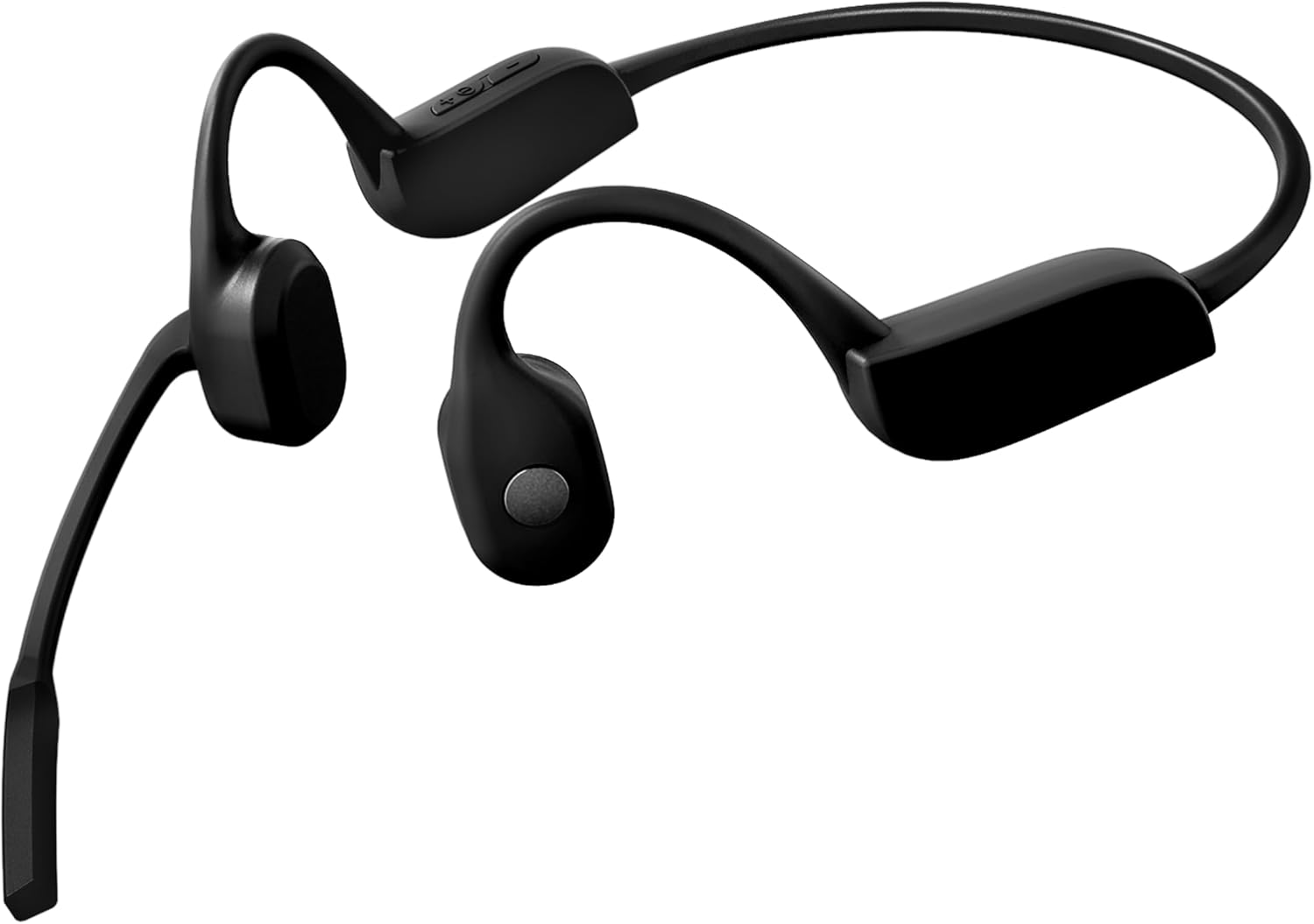
Bone conduction headphones send sound through the bones around your cheek and jaw instead of blocking your ear canals. Small transducers rest near the temples and create vibrations. Your inner ear then processes those vibrations much like it processes sound from the air.
This design leaves the ear openings uncovered. You can listen to audio and still hear a car horn, a coworker, or a train announcement.
Traditional headphones send sound through the outer ear, ear canal, and eardrum. Bone conduction headphones largely bypass the outer and middle ear. They still rely on the cochlea and auditory nerve, so they are not the same as a medical bone-anchored hearing system.
Bone conduction versus open-ear air conduction
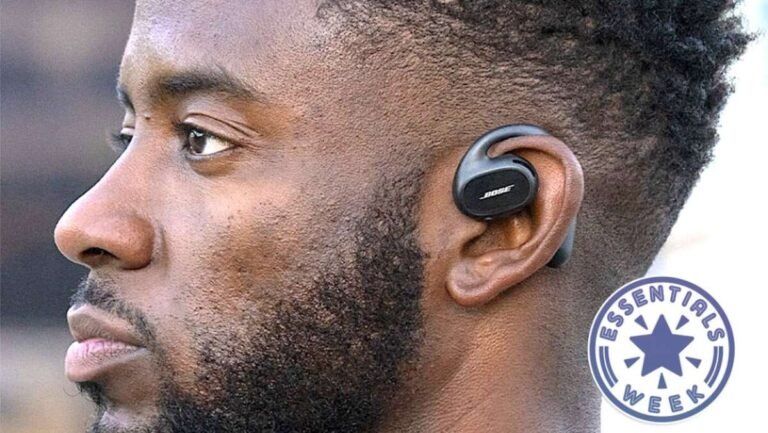
Some products use the term “open-ear” even though they do not use bone conduction. Open-ear air-conduction headphones place a small speaker near the ear. The speaker sends sound through the air without sealing the ear canal.
The two designs have different strengths:
| Type | How it sends sound | Main benefit | Main limitation |
|---|---|---|---|
| Bone conduction | Vibrations through the skull bones | Maximum ear awareness and no ear-canal seal | Usually less bass and more sound leakage |
| Open-ear air conduction | Sound travels through the air | Often better sound quality and bass | May cover more of the ear and feel less open |
| Traditional earbuds | Sound travels through the ear canal | Strong isolation and detailed sound | You hear less of your surroundings |
Bone conduction headphones are often a good fit for outdoor exercise. Open-ear air-conduction models may be better when you want a more natural music experience but still need some awareness.
Who Should Buy Bone Conduction Headphones?
Bone conduction headphones are best for people who need audio without sealing their ears. They are especially useful for outdoor runners, cyclists who ride in permitted and safe conditions, hikers, warehouse workers, and people who dislike earbuds.
They can also help people who find in-ear headphones uncomfortable. There is no ear tip to irritate the ear canal, and there is less trapped heat and moisture.
That does not make them ideal for everyone. If you want deep bass, strong noise isolation, or the clearest music in a loud place, traditional earbuds or headphones will usually perform better.
Choose bone conduction headphones if you value:
- Hearing nearby sounds while listening
- A secure fit during walking or running
– No pressure inside the ear canal - Easy awareness of announcements and conversations
- Resistance to sweat and light rain
- A design that does not interfere with glasses or hearing protection as much as some earbuds
Do not treat open ears as a guarantee of safety. Music can still distract you. On roads, trails, and construction sites, follow local laws and workplace rules. The National Highway Traffic Safety Administration provides U.S. road-safety guidance, but headphone laws vary by state and activity.
The Best Bone Conduction Headphones for Most People
The best model is the one that matches your main activity. A runner may need a light frame and a secure fit. A frequent caller may care more about microphone performance. A swimmer needs a waterproof model with onboard storage, not just a headset that resists rain.
Shokz OpenRun: best all-around option
The Shokz OpenRun is a sensible starting point for most runners and walkers. It has a light wraparound design, physical controls, and a water-resistant build intended for exercise.
Its main advantages are comfort, stable fit, and a simple design. It works well for podcasts, audiobooks, phone calls, and background music. Its sound is usually easier to enjoy in quiet or moderately busy places than in heavy traffic or loud gyms.
Its limits are typical of bone conduction headphones. Bass is not as full as it is with sealed earbuds, and people nearby may hear some of your audio at higher volume. The exact battery, charging, and fit details can change by version, so check the current U.S. product page before buying.
Shokz OpenRun Pro 2: best for stronger sound
The OpenRun Pro 2 is aimed at listeners who want more sound quality than a basic bone conduction model can provide. Its design uses a dual-driver approach intended to improve low-frequency response while keeping the ears open.
It may suit people who listen to music often and still want an open-ear fit. It is also a reasonable choice for long training sessions if its battery and charging system fit your routine.
The trade-off is cost. More expensive does not mean it will sound like premium earbuds. In a loud U.S. city, on a busy road, or beside gym speakers, outside noise can still overpower the music.
Shokz OpenMove: best for a lower budget
The OpenMove is a basic option for people who want the bone conduction format without paying for the higher-end line. It can work well for walking, light exercise, calls, and spoken audio.
Expect fewer premium features and a more modest listening experience than the OpenRun Pro 2. It is best for buyers who care more about open-ear comfort than maximum battery life, bass, or advanced controls.
Waterproof bone conduction headphones: best for swimming
Swimming requires a special type of product. A headset made for running in rain is not automatically safe for pool use. Look for a model with a swimming-specific water rating and onboard music storage, because Bluetooth signals do not travel reliably through water.
A swimming headset may store music or podcasts on the device and play them without a live phone connection. Always check the manufacturer’s stated depth, water type, button limits, and care instructions.
| Your main use | What to prioritize | Suitable type |
|---|---|---|
| Running and walking | Secure fit, light weight, sweat resistance | Standard bone conduction |
| Long training | Battery life, comfort, stable controls | Extended-battery model |
| Music at home or work | Better bass and lower sound leakage | Open-ear air conduction or earbuds |
| Swimming | Waterproof rating and internal storage | Swimming-specific bone conduction |
| Frequent phone calls | Microphone quality and wind handling | Call-focused open-ear model |
| Glasses or helmets | Frame shape and pressure points | Try before buying when possible |
These examples describe product fit, not a universal ranking. Product versions, included accessories, software, and U.S. availability can change. Verify the current specifications from the manufacturer before purchase.

How to Choose Good Bone Conduction Headphones
Start with your setting, not the feature list. A pair that works well on a quiet suburban walk may disappoint beside a freeway or inside a crowded airport.
1. Check the fit and pressure
The transducers should rest near the cheekbones in front of the ears. They should make steady contact without pressing hard. If the frame feels painful after a few minutes, a different model may not solve the problem; the shape may simply be wrong for you.
A wraparound band should stay in place when you turn your head. It should not bounce during a run or press against the arms of your glasses.
When possible, buy from a seller with a clear return policy. Fit is personal, and product photos cannot show how a frame will feel on your head.
2. Match water resistance to your activity
Manufacturers use ratings such as IP55, IP67, or IP68 to describe resistance to dust and water under stated test conditions. The two digits matter:
- The first digit describes protection from solid particles.
- The second digit describes protection from water.
An IP rating is not a promise that a product is safe for every kind of water exposure. Salt water, chlorine, soap, heat, pressure, and repeated soaking can create different risks.
Never assume “waterproof” means “safe for swimming.” Read the manual, especially if you plan to use the headphones in a pool, lake, or ocean.
3. Evaluate battery life in real use
Battery claims are usually measured under specific conditions. High volume, frequent calls, cold weather, and repeated Bluetooth reconnection can reduce runtime.
For a daily user, a claimed eight-hour battery may be enough for several workouts. For a long-distance runner or shift worker, a longer-runtime model may reduce charging stress.
Also check the charging method. Some headphones use a proprietary magnetic cable. That can make charging easy, but losing the cable may be inconvenient.
4. Look at call quality
A built-in microphone can handle a quiet room well but struggle with wind, traffic, or gym noise. If calls matter, look for clear information about microphone noise reduction and test the headset during your return period.
Do not rely only on the number of microphones. More microphones do not guarantee better calls in every environment.
5. Consider Bluetooth and device support
Most current bone conduction headphones connect to phones, tablets, and computers through Bluetooth. Check the manual for supported Bluetooth versions, multipoint pairing, computer compatibility, and limits on simultaneous connections.
Multipoint pairing can let you switch between two devices, such as a U.S. work laptop and a personal phone. It is useful, but not every model supports it, and some products handle switching better than others.
6. Decide whether you need built-in storage
Most Bluetooth headphones stream audio from a nearby phone. A model with internal storage can play downloaded music without carrying a phone.
This matters for swimming and some outdoor workouts. It also adds setup steps. You may need a desktop program or a specific app to transfer audio, and streaming services may not allow files to be copied to the headset.
What Do Bone Conduction Headphones Sound Like?
Bone conduction headphones usually sound clearest with speech, podcasts, audiobooks, and simple music tracks. They often provide enough detail for casual listening, but they generally do not match sealed earbuds for bass depth, volume, or isolation.
The reason is physical. The design leaves the ears open, so outside sound mixes with the audio. The transducers also have less control over low bass than a well-sealed earbud.
Sound changes with fit. If the transducers shift away from the cheekbones, volume and clarity may drop. Hair, glasses, hats, and helmet straps can also affect comfort and placement.
Why bass may sound weak
Low notes are harder to reproduce through a small open-ear system. A manufacturer may improve bass with a revised driver or a second transducer, but the result will still depend on the listener and environment.
A quiet room can make bone conduction audio seem much better than it sounds beside a busy road. Test the headphones in the place where you plan to use them, but keep the volume at a safe level.
Sound leakage
Bone conduction headphones can leak sound. Someone sitting near you may hear parts of a song, especially when the volume is high.
If privacy matters, use traditional headphones or earbuds. Bone conduction models are not a good choice for confidential calls in a quiet office unless you confirm that nearby people cannot hear the conversation.
Are Bone Conduction Headphones Safe?
Bone conduction headphones are not automatically safer than other headphones. Their open design can improve awareness, but listening too loudly can still harm hearing.
The National Institute on Deafness and Other Communication Disorders explains that loud noise can cause noise-induced hearing loss. The World Health Organization also recommends limiting both sound level and listening time.
Use the lowest volume that lets you hear the content. Take breaks during long sessions. If you experience ringing, muffled hearing, pain, dizziness, or a sudden change in hearing, stop using the headphones and seek medical advice.
Open ears do not remove every risk
You may hear a car while wearing bone conduction headphones, but you may not judge its distance correctly. Music can also draw attention away from your surroundings.
For outdoor use:
- Keep the volume low enough to hear normal nearby sounds.
- Avoid using headphones when you need full attention.
- Do not assume a bike path or sidewalk is free from vehicles.
- Follow state and local rules.
- Use hearing protection in loud workplaces instead of relying on open-ear headphones.
Bone conduction headphones are also not a treatment for hearing loss. If you have ongoing hearing difficulty, consult an audiologist or physician. Medical bone-conduction hearing devices are evaluated and fitted for different purposes.

Bone Conduction Headphones Compared With Earbuds
Bone conduction headphones are usually better for awareness and ear comfort. Earbuds are usually better for sound quality, privacy, and blocking outside noise.
| Factor | Bone conduction | Sealed earbuds |
|---|---|---|
| Awareness of surroundings | High | Low to moderate, depending on transparency mode |
| Bass | Light to moderate | Moderate to strong |
| Privacy | Limited | Usually better |
| Ear-canal comfort | High for people who dislike tips | Depends on fit and tip material |
| Noise isolation | Very low | Moderate to high |
| Swimming | Only with a swimming-rated model | Usually not suitable |
| Outdoor awareness | Natural and constant | May depend on electronic transparency mode |
There is no single best design. Choose bone conduction if awareness and no ear-canal seal matter most. Choose earbuds if you need detailed music, strong bass, or quiet listening.
An open-ear air-conduction headset sits between these options. It may deliver better music quality than bone conduction while keeping the ear open. However, it may feel less secure, leak sound differently, or cover part of the ear.

Common Mistakes to Avoid
The most common mistake is buying bone conduction headphones for a use they cannot handle well. They are not a replacement for noise-canceling headphones on an airplane, and a rain-resistant model is not necessarily suitable for swimming.
Avoid these errors:
- Choosing by battery claims alone: Runtime varies with volume, calls, and temperature.
- Ignoring the return policy: Head shape and pressure tolerance vary.
- Expecting earbud-level bass: Open designs have clear physical limits.
- Using a running model in a pool: Check the exact water rating and manual.
- Turning up the volume in noisy places: More volume can increase hearing risk.
- Assuming “open ear” means bone conduction: Confirm the actual technology.
- Forgetting sound leakage: Nearby people may hear your audio.
- Wearing them in every traffic situation: Awareness is helpful, but distraction remains possible.
- Skipping care after exercise: Wipe away sweat and follow the maker’s cleaning instructions.
- Buying an older version without checking support: Charging cables, apps, firmware, and warranty terms may differ.
If the sound is too quiet, first check placement. Move the transducers so they sit on the cheekbones just in front of the ears. Then check volume limits on both the headphones and the connected phone. If the issue remains, test another device before assuming the headphones are defective.

Frequently Asked Questions
Are bone conduction headphones good for running?
Yes. They can be a good choice for running because they leave the ear canals open and usually stay in place with a wraparound frame. They still should not be used at a volume that masks traffic, other runners, or warnings.
Can bone conduction headphones damage hearing?
They can contribute to hearing damage if played too loudly or used for too long. The open-ear design does not eliminate the risk from loud sound. Keep the volume low, take breaks, and stop if you notice ringing or muffled hearing.
Can you use bone conduction headphones for phone calls?
Yes, many models support calls. Performance depends on the microphone, wind, traffic, and phone compatibility. Test call quality in the environment where you normally make calls.
Do bone conduction headphones work underwater?
Only swimming-specific models are designed for underwater use. Bluetooth streaming generally does not work reliably underwater, so swimming models often use internal storage instead.
Are bone conduction headphones better than earbuds?
They are better for keeping the ears open and avoiding ear-canal pressure. Earbuds are usually better for bass, detail, privacy, and noise isolation. The better option depends on your main use.
Final Recommendation
For most U.S. runners and walkers, the Shokz OpenRun is a practical starting point. Choose the OpenRun Pro 2 if improved sound and longer use matter enough to justify a higher price. Choose a swimming-specific bone conduction model only when its water rating and storage features match your activity.
Before buying, confirm four things: fit, water protection, battery needs, and your listening environment. If you mainly want deep bass, quiet listening, or private calls, compare open-ear models with conventional earbuds before deciding.
Next action
Write down where you will use the headphones most: running, work, calls, swimming, or casual listening. Then compare only models that meet that use, rather than choosing by brand name or feature count.

Everett Ashford is a tech reviewer at mytechgrid.com specializing in SSDs, cameras, TVs, earbuds, headphones, and other consumer electronics. He provides honest, data-driven reviews based on hands-on testing and real-world performance analysis. Everett simplifies complex tech details to help readers make smart, confident buying decisions.