Wireless headphones in the United States usually cost $20 to $500 or more. Most people can find a good pair for $50 to $150. Premium models with strong noise cancellation, better microphones, and longer battery life often cost $200 to $400.
The price depends on the type of headphones, sound quality, brand, comfort, battery life, and extra features. Sales can also lower the cost by 20% to 50%, especially during Black Friday, Prime Day, back-to-school sales, and holiday promotions.
This guide explains what wireless headphones cost in the U.S., what changes the price, and how to choose a pair without paying for features you do not need.
Wireless headphone prices at a glance
The table below shows common U.S. price ranges. These are general shopping ranges, not fixed prices. Retail prices change by brand, model, color, age, and sale period.


| Wireless headphone type | Typical U.S. price | Best for |
|---|---|---|
| Basic Bluetooth earbuds | $15–$40 | Calls, music, and casual use |
| Budget true wireless earbuds | $25–$70 | Everyday listening on a small budget |
| Mid-range true wireless earbuds | $70–$150 | Better sound, comfort, and call quality |
| Premium true wireless earbuds | $150–$300 | Noise cancellation and advanced features |
| Basic wireless over-ear headphones | $30–$80 | Home use and travel |
| Mid-range over-ear headphones | $80–$200 | Daily music, work, and commuting |
| Premium over-ear headphones | $200–$500+ | Strong noise cancellation and high-end materials |
| Gaming wireless headsets | $50–$350 | Console and PC gaming |
| Sports wireless headphones | $30–$200 | Exercise and outdoor use |
A pair priced at $25 can work well for simple listening. It may have weaker microphones, less stable connections, or a shorter battery life than a $150 model. A $350 pair may sound better and feel more comfortable, but it will not be three times as useful for every listener.
The three main price groups
Budget: $15 to $60
Budget wireless headphones can handle music, podcasts, video, and basic calls. Many use Bluetooth and charge through USB-C. Some include water resistance, but the rating and warranty vary.
This range is useful for children, backup headphones, commuters, and buyers who do not need advanced noise control. The main compromises may include lower call quality, less comfortable ear tips, and weaker app support.
Mid-range: $60 to $200
This is the most useful range for many U.S. buyers. You can often find better sound, stronger battery life, improved microphones, and more reliable controls.


Some models in this range include active noise cancellation, often called ANC. ANC uses microphones and electronic processing to reduce steady sounds such as airplane engines, air conditioners, and bus noise.
Premium: $200 to $500 or more
Premium wireless headphones usually focus on comfort, sound tuning, noise cancellation, materials, and software. They may also include features such as multipoint Bluetooth, which lets the headphones stay connected to two devices.
Premium does not mean perfect. A costly model may still have limits with microphone quality, fit, app support, or battery replacement. Read the return policy before buying.
What makes wireless headphones cost more?
The biggest price differences come from features that cost more to design, build, and support. The most useful feature depends on how you plan to use the headphones.
Noise cancellation
Active noise cancellation usually raises the price. Basic models may reduce low, steady noise. More advanced models can adapt to different surroundings and let you adjust the effect in an app.
ANC works best with a good physical seal around or inside your ears. It cannot remove every sound. Voices, sudden noises, and nearby conversations may still be heard.
Passive noise isolation is different. It comes from the fit and the headphone materials. A snug earbud or closed over-ear cup can block some sound even when ANC is turned off.
Battery life
Battery ratings often refer to playback under stated test conditions. ANC, high volume, calls, and wireless features can reduce actual use time.
True wireless earbuds usually include a charging case. The case can provide extra charges, but the earbuds themselves may run for only several hours before returning to the case.
Over-ear headphones often have a larger battery. Some can play for 20 to 60 hours, depending on the model and settings. A longer battery rating may be useful for travel, but it should not be the only buying factor.
Sound quality
More expensive headphones may use better drivers, improved tuning, and stronger digital processing. Still, price alone does not prove that one model sounds better to every person.
Sound is also affected by the ear tip, head shape, hearing preferences, music source, and equalizer settings. A comfortable $80 pair may be a better choice than an uncomfortable $300 pair.
Microphones and calls
Wireless headphones use small microphones for phone calls, video meetings, voice messages, and voice assistants. Better models may use several microphones and software to reduce wind or background noise.
The advertised microphone quality may not match your own experience. Your phone, computer, operating system, app, and surroundings can all affect a call.


Materials and comfort
Premium headphones may use metal hinges, soft padding, better headbands, or more precise controls. These parts can improve comfort and durability.
However, comfort is personal. Tight clamping force may bother one person but help another. If possible, buy from a retailer with a clear return period.
Software and device support
Some headphones work with a companion app. The app may provide firmware updates, equalizer controls, ANC settings, device tracking, or button customization.
Check whether the app supports your phone. A model may work as a standard Bluetooth device without the app, but some features may require it.
How much should you spend?
A practical budget is $50 to $150 for most people. This range often provides a good balance of sound, comfort, battery life, and reliability.
Spend less if you need simple headphones for occasional use. Spend more when a feature solves a clear problem, such as airplane noise, long work calls, or a need for all-day comfort.
| Your main need | Sensible budget | What to look for |
|---|---|---|
| Occasional music and podcasts | $20–$50 | Comfortable fit and USB-C charging |
| Daily commuting | $50–$150 | Good seal, stable Bluetooth, and battery life |
| Air travel | $100–$350 | Effective ANC and comfortable ear cups |
| Office calls | $60–$250 | Clear microphone and multipoint support |
| Exercise | $30–$150 | Secure fit and suitable water resistance |
| Gaming | $50–$250 | Low delay, platform support, and microphone quality |
| High-end listening | $150–$500+ | Fit, sound tuning, comfort, and repair options |
A simple value calculation
Suppose a $120 pair lasts three years. Before tax, the cost is about:
- $120 ÷ 36 months = about $3.33 per month
A $30 pair that lasts one year costs:
- $30 ÷ 12 months = $2.50 per month
The cheaper pair may still be the better value if it meets your needs. The more expensive pair may be worth it if it is more comfortable, lasts longer, or replaces another device you would otherwise buy.
These are hypothetical calculations. Actual value depends on battery health, repairs, warranty service, fit, and how often you use the headphones.
When a higher price is reasonable
Paying more can make sense when you:
- Fly or commute often.
- Spend many hours in headphones each day.
- Need clear calls for work.
- Want one pair for a phone and laptop.
- Need a secure fit for exercise.
- Prefer stronger warranty or support coverage.
- Care about repair parts or battery service.
A higher price is harder to justify when you only listen for a few minutes each day or already own a pair that works well.
Wireless headphones versus wired headphones
Wireless headphones cost more than many basic wired headphones because they include batteries, Bluetooth hardware, charging circuits, microphones, and software.
Wireless models offer freedom from a cable. They are useful with phones that lack a headphone jack and with devices used while walking or exercising. They also make it easier to control playback and answer calls.
Wired headphones can offer a lower price and do not need charging. A wired connection may also avoid Bluetooth pairing problems and battery aging. Some wired models are designed for high-quality audio, but they may need a headphone jack, adapter, or separate amplifier.


Do wireless headphones need a monthly fee?
No. Standard Bluetooth headphones do not require a monthly subscription. You buy the headphones and pair them with a compatible device.
Some brand apps may offer optional services, such as cloud features or music subscriptions. Those services are separate from the Bluetooth connection. You can usually listen without paying a monthly headphone fee.
Do wireless headphones work with iPhones and Android phones?
Most Bluetooth headphones work with both iPhones and Android phones. Basic playback and calls usually work across platforms.
Some features may be limited by the device or operating system. These can include fast pairing, device switching, spatial audio, voice assistant controls, and battery displays. Check the manufacturer’s compatibility information before buying.
Bluetooth versions can also affect features, range, power use, and connection behavior. A newer Bluetooth version does not automatically make the headphones sound better.
Extra costs to include in your budget
The listed price is not always the final cost. U.S. shoppers should consider sales tax, accessories, replacement parts, and possible repair expenses.
Sales tax
Online and in-store prices may not include sales tax until checkout. The final amount depends on the state and local rules where the purchase is made.
For example, headphones listed at $100 may cost more than $100 after tax. Compare the final checkout price, not only the product page price.
Accessories
You may need:
- A USB-C charging cable.
- Replacement ear tips.
- A protective case.
- An airplane audio adapter.
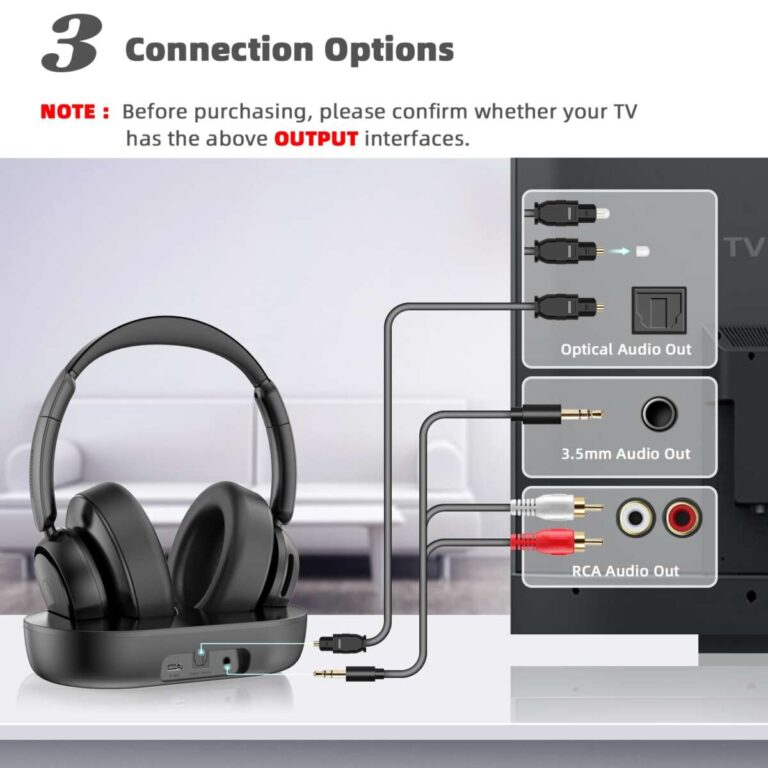
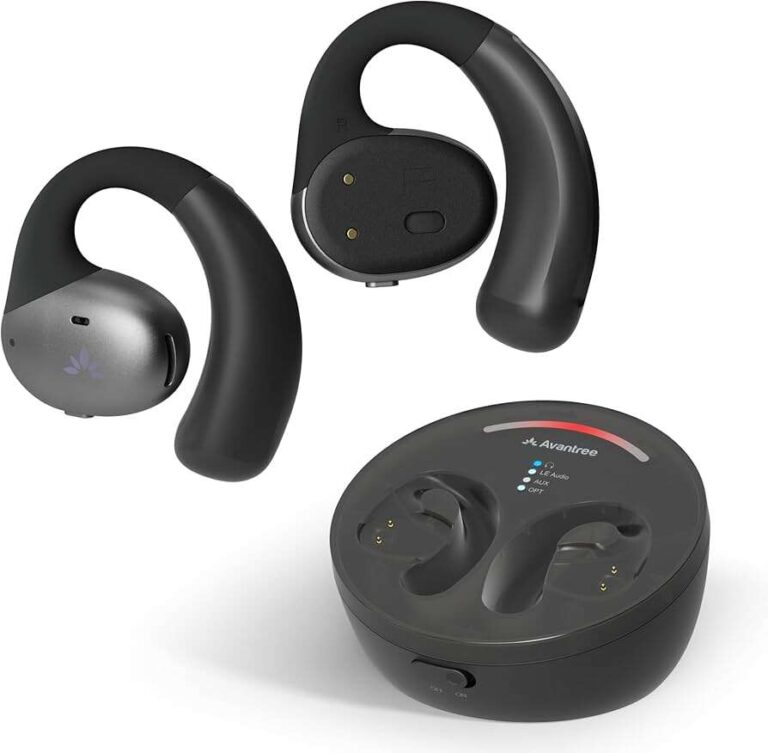
- A Bluetooth transmitter for an older TV.
- A replacement charging case for some earbuds.
Many headphones include a charging cable, but not all include a wall charger. Read the box contents before buying extra equipment.
Replacement and repair
True wireless earbuds can be difficult or expensive to repair because the batteries are small and sealed. The charging case is also a separate electronic item that can be lost or damaged.
Over-ear headphones may offer better access to replacement ear pads. Some brands sell replacement pads, cables, or batteries. This can improve long-term value, but availability differs by model.
Warranty and returns
Check the warranty length, what it covers, and who handles service. A warranty may cover manufacturing faults but not accidental damage, lost earbuds, worn ear pads, or water damage.
A return policy matters because comfort and fit are hard to judge from photos. Keep the receipt, packaging, and accessories until you know the headphones work for you.
How to buy wireless headphones without overpaying
Use the following process before you place an order.


-
Choose the design.
Decide between earbuds, on-ear headphones, and over-ear headphones. Earbuds are small. Over-ear models often provide better comfort and battery life for long sessions. -
Set a real budget.
Include sales tax and any needed accessories. A $75 total budget is different from a $75 sticker price. -
List your two most important features.
Examples include ANC, comfort, microphone quality, water resistance, low audio delay, or long battery life. Limiting the list helps prevent paying for features you will not use. -
Check device compatibility.
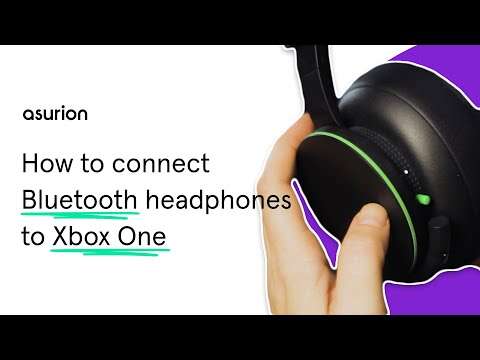
Confirm support for your phone, tablet, computer, game console, or television. Some consoles and TVs need a separate adapter. -
Read the battery conditions.
Look for separate figures for ANC on, ANC off, calls, earbuds, and charging case. Do not compare numbers that use different conditions as if they were the same test. -
Review the return policy.
This is especially important for in-ear models. Fit affects comfort, sound, and noise isolation. -
Compare the final price.
Include tax, shipping, accessories, and warranty coverage. A discount is useful only if the product meets your needs. -
Check the model number.
Similar names can hide different generations. Confirm that the listing is for the exact model you intend to buy.
Signs that a deal may not be a good deal
A low price deserves more checking when:
- The seller is not authorized or clearly identified.
- The listing does not show the exact model number.
- The product is marked refurbished without details.
- The warranty is unclear.
- Reviews refer to a different model.
- The return policy is missing or restrictive.
- The price is far below normal retail prices.
Do not assume that every low-priced listing is counterfeit. But verify the seller, condition, warranty, and return terms before paying.
Common mistakes when buying wireless headphones
The most common mistake is choosing by price alone. A cheap pair may meet your needs, while an expensive pair may have features you never use.
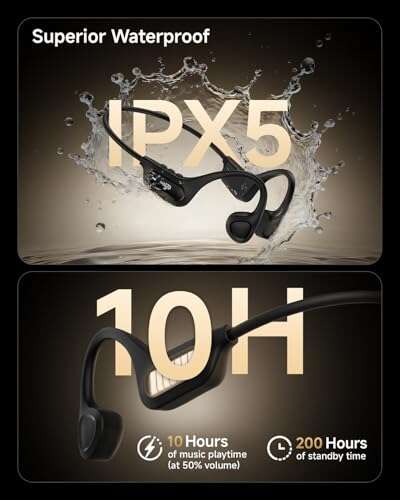
Another mistake is treating water resistance as waterproofing. An IP rating describes specific test conditions. It does not mean that every part of the product can be submerged or exposed to every type of moisture.
Buyers also often compare battery numbers without checking the test method. Volume, ANC, calls, temperature, codec use, and battery age can change real-world results.
Do not ignore fit. Poorly fitting earbuds may sound thin and may not block outside noise. Large over-ear headphones may feel hot or heavy during long sessions.
Finally, avoid buying based on brand reputation alone. Compare the exact model, generation, warranty, app support, and return terms.
Frequently asked questions
Are $20 wireless headphones worth buying?
They can be worth buying for occasional listening, children, travel backups, and basic calls. Expect fewer premium features and possibly weaker microphones or shorter battery life. Check reviews for connection stability and comfort rather than focusing only on low price.
Are $100 wireless headphones good?
Yes. Around $100, many headphones offer a useful balance of sound, comfort, battery life, and call quality. Some include ANC or multipoint Bluetooth. The best choice still depends on the design and exact model.
Are expensive wireless headphones worth it?
They are worth it when a premium feature solves a regular problem. Frequent travelers may value ANC. Office workers may value comfort and clear calls. If you do not need those features, a less expensive pair may provide better value.
How long do wireless headphones last?
The physical product may last several years, but the built-in battery can lose capacity over time. Use, heat, charging habits, battery design, and repair options affect lifespan. Earbuds may be harder to service than over-ear headphones.
Can I use wireless headphones without Bluetooth?
Most wireless headphones need Bluetooth for normal wireless use. Some gaming headsets use a USB wireless receiver instead. Certain models also support a wired cable, but the cable may not work when the battery is fully empty.
Bottom line: how much are wireless headphones?
Wireless headphones cost about $15 to $500 or more in the United States, but $50 to $150 is a practical range for many buyers.
Choose budget headphones for simple listening. Move into the mid-range for better comfort, calls, battery life, or noise cancellation. Consider premium models only when their specific features justify the extra cost.
Before buying, compare the exact model, fit, battery conditions, device support, warranty, return policy, and final price after tax. That approach matters more than choosing the most expensive pair on the shelf.

Everett Ashford is a tech reviewer at mytechgrid.com specializing in SSDs, cameras, TVs, earbuds, headphones, and other consumer electronics. He provides honest, data-driven reviews based on hands-on testing and real-world performance analysis. Everett simplifies complex tech details to help readers make smart, confident buying decisions.