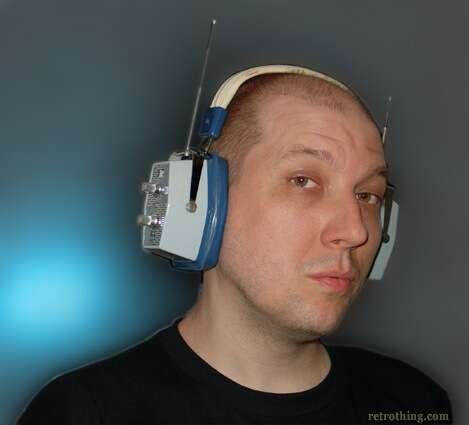
Wireless headphones first appeared in the 1960s, while Bluetooth headphones became widely available in the early 2000s.
The answer to “when did wireless headphones come out” depends on what you mean by wireless. Early models used radio or infrared signals, while today’s headphones mostly use Bluetooth. This guide follows the full story, explains the key inventions, and shows how wireless audio changed from a niche product into an everyday tool.

When did wireless headphones come out?
Wireless headphones first appeared in the 1960s. These early products did not use Bluetooth. Instead, they used radio frequency or infrared signals to send sound from a connected source to the headphones.
The technology was basic by today’s standards. Users often needed a large transmitter, a clear line of sight, or a nearby audio system. Battery life was also limited, and sound quality could change when the listener moved too far away.
The answer to “when did wireless headphones come out” is therefore not one exact year. Wireless headphone history developed in several stages:
- The 1960s introduced early radio and infrared headphone systems.
- The 1970s and 1980s brought more consumer wireless models.
- The 1990s improved infrared and radio designs for home entertainment.
- The early 2000s introduced practical Bluetooth stereo headphones.
- The 2010s made wireless earbuds and headphones mainstream.
This timeline matters because “wireless headphones” can describe several different technologies. A 1960s infrared headset and a modern noise-canceling Bluetooth headset are both wireless, but they work in very different ways.

The early history of wireless headphones
Before wireless headphones, people had to connect headphones directly to a radio, television, record player, or stereo system. The cable carried the audio signal from the device to the speakers inside the headphones.
Engineers began exploring wireless listening to give people more freedom. This was useful for watching television, listening to music at home, and communicating without a cable. Early systems were especially helpful for people who wanted to move around while listening.
Some of the earliest wireless headphones used radio transmission. A transmitter connected to an audio source sent a signal through the air. The headphones then received and converted that signal into sound.
Other early models used infrared light. Infrared systems worked in a way that was similar to a television remote control. They were often clear and simple, but they usually required the headphones to face the transmitter or remain within the same room.
What did the first wireless headphones look like?
The first wireless headphones were often larger and heavier than current models. They needed room for batteries, a radio receiver, or an infrared sensor.
Many designs looked more like home audio equipment than portable accessories. Some had thick ear cups and visible controls. Comfort was not always a priority because the technology itself took up much of the available space.
Early wireless headphones also had several limits:
- Short listening range
- Weak or inconsistent signals
- Noticeable background noise
- Heavy battery compartments
- High prices
- Limited compatibility with audio devices
Even with these problems, the basic idea was powerful. Wireless headphones removed the cable between the listener and the audio source, much like a bridge that let sound cross open space.

Radio and infrared headphones in the 1970s and 1980s
During the 1970s and 1980s, wireless headphones became more visible in consumer electronics. Home stereo systems, television sets, and personal music players created new demand for private listening.
Radio frequency headphones could work through walls and furniture. This gave them a longer range than many infrared systems. However, radio models could pick up interference from other electronic devices.
Infrared headphones had a different strength. They could provide clean sound within a room and were less likely to interfere with radio equipment. This made them popular for television viewing and home theater use.
The technology still had clear weaknesses. Infrared headphones often stopped working when the listener moved behind an object. Radio headphones could suffer from static, signal noise, or interference from nearby devices.
People asking “when did wireless headphones come out” may find different answers because these early systems appeared over many years. There was no single worldwide launch. Wireless headphones developed through many brands, patents, and consumer products.
Why were early wireless headphones expensive?
Wireless headphones needed more parts than wired headphones. A wired model mainly required speakers, a cable, and a plug. A wireless model needed a transmitter, receiver, batteries, and extra electronic circuits.
Manufacturing costs were also higher because the technology was still new. Companies had to solve problems involving signal strength, battery use, audio delay, and interference.
As more households bought televisions and stereo systems, prices slowly fell. Better chips and smaller batteries also helped manufacturers build more practical products.

When did Bluetooth headphones come out?
Bluetooth headphones began appearing around the turn of the 21st century. Bluetooth technology was developed in the 1990s, and the first Bluetooth devices reached consumers in the late 1990s and early 2000s.
Early Bluetooth products were often single-ear headsets for mobile phone calls. They were designed for hands-free communication rather than high-quality music.
Stereo Bluetooth headphones became more common in the early to mid-2000s. These models could send left and right audio channels wirelessly, making them suitable for music and video.
So, if someone asks “when did wireless headphones come out” and means modern Bluetooth headphones, the best answer is the early 2000s. If they mean the first wireless headphones of any kind, the answer reaches back to the 1960s.
Bluetooth changed the market because it provided several useful benefits:
- No dedicated transmitter was needed for compatible devices.
- Phones, computers, and tablets could connect directly.
- Pairing became easier over time.
- Headphones became smaller and more portable.
- One standard could support many brands and products.
The first Bluetooth audio products were not perfect. Early versions could have low range, compressed sound, and noticeable delay. Newer Bluetooth generations improved speed, stability, power use, and audio performance.

How wireless headphone technology evolved
Wireless headphones improved through several major technology changes. Each step solved a problem that limited earlier products.
Better Bluetooth versions
Bluetooth updates improved connection quality and energy use. Newer versions support more stable connections, faster pairing, and lower power consumption.
Bluetooth audio codecs also became more advanced. A codec compresses audio so it can travel through a wireless connection. Different codecs can affect sound quality, delay, and battery use.
Common Bluetooth audio codecs include:
- SBC, the basic codec supported by nearly all Bluetooth audio devices
- AAC, widely used by Apple devices and many other products
- aptX, designed to improve Bluetooth music quality on supported devices
- LDAC, capable of sending more audio data on compatible products
- LC3, associated with newer Bluetooth LE Audio features
The best codec depends on both the headphones and the source device. Buying headphones that support a codec does not help if the phone or computer cannot use it.
Smaller batteries and electronic parts
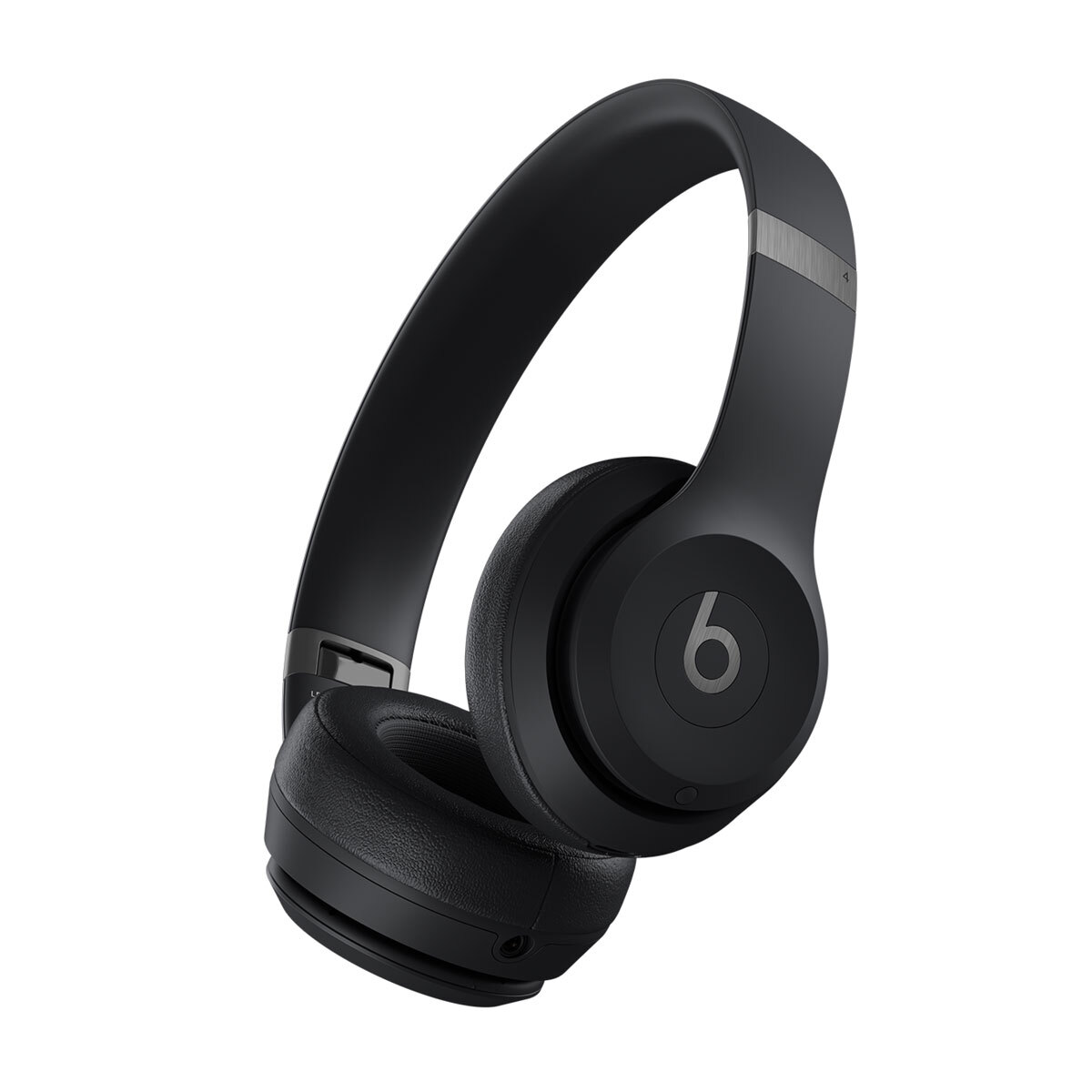
Modern wireless headphones use compact rechargeable batteries. Smaller circuits allow manufacturers to fit receivers, microphones, touch controls, and noise-canceling systems into small ear cups.
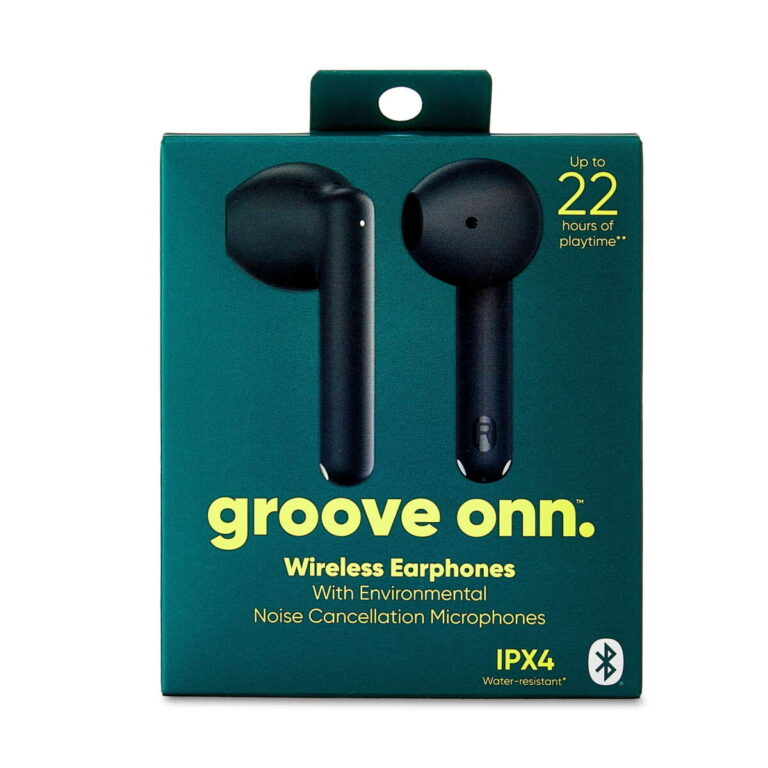
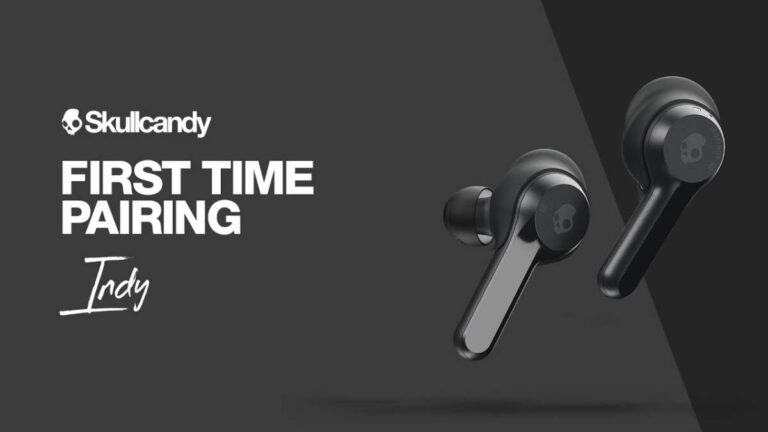
This progress made true wireless earbuds possible. Each earbud contains its own speaker, battery, wireless connection, and control system.
Noise cancellation
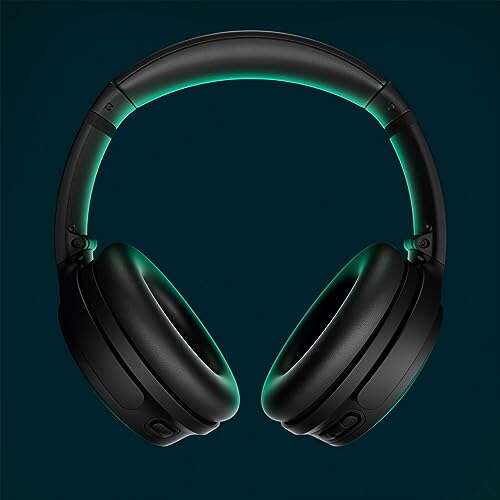
Active noise cancellation became an important feature in premium wireless headphones. Small microphones listen to outside sounds, and the headphones create an opposite sound wave to reduce that noise.
Noise cancellation works best with steady sounds, such as airplane engines, air conditioners, and road noise. It is usually less effective against sudden voices or sharp sounds.
Charging cases
True wireless earbuds became much more convenient when charging cases became common. The case stores power and protects the earbuds when they are not being used.
This design also solved a major problem: tiny earbuds are easy to lose. A case gives each earbud a fixed place and helps keep both pieces charged.
When did true wireless earbuds come out?
True wireless earbuds became popular in the mid-to-late 2010s. Earlier wireless earbuds often had a cable connecting the left and right sides. True wireless models removed that cable completely.
This change made earbuds easier to carry and more discreet. It also created new engineering challenges. Each earbud needed to stay synchronized, connect reliably, and maintain enough battery power.
The rapid growth of smartphones helped true wireless earbuds succeed. Many newer phones removed the traditional headphone jack, so wireless audio became more attractive.
True wireless earbuds are now used for:
- Music and podcasts
- Phone calls
- Online meetings
- Exercise
- Travel
- Gaming
- Accessibility and hearing support
However, small size brings trade-offs. True wireless earbuds may have shorter battery life than over-ear headphones. They can also be easier to misplace and may not fit every ear comfortably.
Why did wireless headphones become popular?
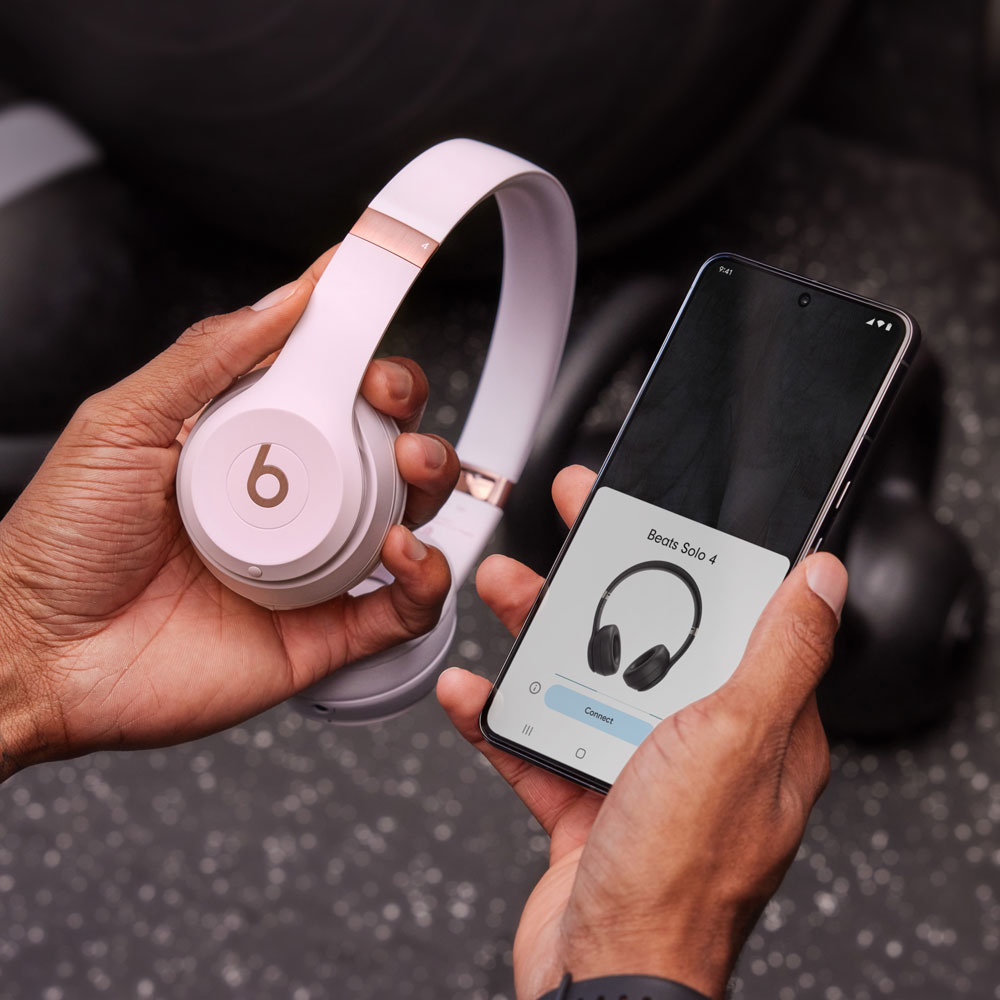
Wireless headphones became popular because they solved simple daily problems. People no longer had to untangle cables, stay close to a phone, or keep a device in a pocket while walking.
Convenience was a major factor. Wireless headphones are useful during commutes, workouts, office calls, and household chores. They allow people to move naturally without pulling a cable from a phone or laptop.
Smartphones also played a central role. As phones became the main source of music and video, people wanted headphones that connected quickly and traveled easily.
The market grew even faster when manufacturers improved:
- Battery life
- Bluetooth stability
- Comfort
- Microphone quality
- Water resistance
- Touch controls
- Noise cancellation
- Charging speed
From my own hands-on comparisons of wired and wireless listening, the biggest practical difference is not always sound quality. It is the freedom to move. That convenience often matters more during a busy day than a small change in audio detail.
Still, users should avoid assuming that every expensive wireless model sounds better. Fit, tuning, codec support, and source quality can matter as much as price.
Wireless headphones versus wired headphones
Wireless headphones offer freedom and convenience, but wired headphones still have important advantages. Neither choice is perfect for every listener.
Benefits of wireless headphones
- Easy movement without a cable
- Convenient pairing with phones and computers
- Built-in microphones for calls
- Useful controls for volume and playback
- Noise cancellation on many models
- Compact designs for travel
- No headphone jack required
Limitations of wireless headphones
- They need regular charging.
- Wireless signals can suffer from interference.
- Bluetooth audio may have slight delay.
- Some models sound different from wired versions.
- Battery aging can reduce long-term use.
- Pairing problems can waste time.
- Features may depend on a mobile app.
Wired headphones receive power directly from the audio device in many cases. They can also avoid Bluetooth compression and connection problems. For recording, professional mixing, or serious gaming, wired headphones may still be the safer choice.
Wireless headphones are often better for travel, exercise, work calls, and everyday listening. The right choice depends on how you listen, not only on when wireless headphones came out.
How to choose wireless headphones today
Knowing when wireless headphones came out is interesting, but choosing the right pair requires a closer look at daily needs. A good model should match your habits, device, budget, and comfort preferences.
Use this checklist before buying:
- Check device compatibility. Make sure the headphones support your phone, tablet, computer, or game system.
- Review battery life. Look at both single-charge time and total time with the charging case.
- Test the fit. Over-ear, on-ear, and in-ear designs feel very different.
- Consider microphone quality. This matters for calls, meetings, and voice commands.
- Check water resistance. Look for a suitable rating if you exercise or spend time outdoors.
- Compare noise control. Active noise cancellation can help with travel and office noise.
- Look for multipoint support. This feature lets some headphones connect to two devices.
- Read software requirements. Some features may require a brand-specific app.
- Review repair and warranty options. A replaceable battery or strong warranty can improve long-term value.
- Consider audio delay. Gamers and video viewers should look for low-latency performance.
One common mistake is focusing only on advertised battery life. Real use may include high volume, noise cancellation, phone calls, and cold weather, all of which can reduce battery time.
Another mistake is ignoring comfort. A headset with excellent specifications is not useful if it presses too hard or falls out during movement.
How to fix common wireless headphone problems
Even good wireless headphones can develop connection or charging problems. Most issues have simple causes.
Headphones will not connect
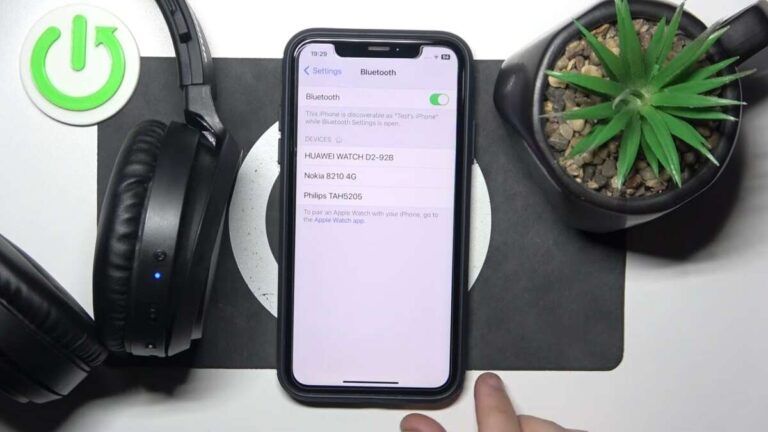
Try these steps:
- Turn Bluetooth off and on.
- Place the headphones near the device.
- Charge both the headphones and the case.
- Remove the headphones from the device’s Bluetooth list.
- Restart the phone or computer.
- Pair the headphones again.
One earbud is not working
First, place both earbuds in the case and check whether they charge. Clean the charging contacts with a dry, soft cloth, then reset the earbuds using the manufacturer’s instructions.
One earbud may also be connected while the other is not. Forgetting the Bluetooth connection and pairing both earbuds again often solves this problem.
Audio is delayed
Audio delay can result from the device, app, Bluetooth codec, or headphones. Gaming modes may reduce delay, but they can sometimes lower sound quality.
For movies and shows, many apps automatically correct small delays. Wired headphones remain the most reliable option for applications that require exact timing.
Battery life is poor
Battery performance naturally declines over time. Heat, high volume, frequent charging, and active noise cancellation can also affect battery life.
Keep the case and earbuds away from extreme heat. Avoid storing them at zero charge for long periods, and use the charging cable recommended by the manufacturer.
A short timeline of wireless headphone history
The development of wireless headphones can be summarized in a simple timeline:
- 1960s: Early wireless headphone systems begin appearing.
- 1970s and 1980s: Radio and infrared models become more available for home use.
- 1990s: Wireless television and home theater headphones improve.
- 1999: Bluetooth technology begins reaching consumer products.
- Early 2000s: Bluetooth headsets and stereo headphones become more common.
- 2010s: Smartphones help make Bluetooth headphones mainstream.
- Mid-to-late 2010s: True wireless earbuds grow rapidly.
- 2020s: Bluetooth LE Audio, improved noise cancellation, and spatial audio expand wireless features.
This timeline explains why different articles give different answers to “when did wireless headphones come out.” They may be referring to the first wireless experiments, the first consumer products, the first Bluetooth headsets, or the first true wireless earbuds.
There is also no single universally accepted “first wireless headphone.” Product records can differ by country, brand, and definition. The safest historical answer is that wireless headphones began in the 1960s, while the modern Bluetooth era began around the early 2000s.
Frequently Asked Questions About When Wireless Headphones Came Out
When did the first wireless headphones come out?
The first wireless headphones appeared in the 1960s. Early models used radio frequency or infrared signals instead of Bluetooth.
When did Bluetooth headphones become popular?
Bluetooth headphones became popular in the early to mid-2000s. Their growth accelerated as smartphones, tablets, and laptops added reliable Bluetooth support.
Were the first wireless headphones Bluetooth headphones?
No. The first wireless headphones used radio or infrared technology. Bluetooth was introduced later and became the main standard for modern wireless audio.
When did true wireless earbuds come out?
True wireless earbuds became widely popular in the mid-to-late 2010s. These earbuds had no cable connecting the left and right sides.
Are wireless headphones better than wired headphones?
Wireless headphones are often better for convenience, movement, calls, and travel. Wired headphones may be better for professional audio, unlimited listening time, and avoiding wireless delay.
How long do wireless headphones usually last?
Many wireless headphones can provide several years of use, but their rechargeable batteries gradually lose capacity. Care, charging habits, build quality, and battery replacement options affect their lifespan.
Conclusion
Wireless headphones first appeared in the 1960s, but Bluetooth headphones became practical and widely popular in the early 2000s. Radio, infrared, Bluetooth, noise cancellation, and true wireless designs each helped shape the products we use today.
The best headphones are not always the newest or most expensive. Focus on comfort, battery life, connection quality, microphone performance, and the way you plan to use them. Compare those features carefully, then choose the model that fits your daily life.
Explore more wireless audio guides, compare current headphone features, and share your own experience with wireless headphones in the comments.

Everett Ashford is a tech reviewer at mytechgrid.com specializing in SSDs, cameras, TVs, earbuds, headphones, and other consumer electronics. He provides honest, data-driven reviews based on hands-on testing and real-world performance analysis. Everett simplifies complex tech details to help readers make smart, confident buying decisions.